


In India, travelling by train is not just a way to go from one place to another — it is an emotion. The changing views from the window, tea at railway platforms, and the unique ambience of every station make the journey special. However, there are some railway stations and railway lines that are special and have earned the UNESCO World Heritage tag because of their historical importance, beautiful architecture, and breathtaking views.
These properties not only remind us of the past, but also show how ingenious engineering and craftsmanship created something extraordinary that endures in the present times. Even today, they remain alive and continue to be an important part of people’s lives. Let’s take a look at these special railway heritage sites.
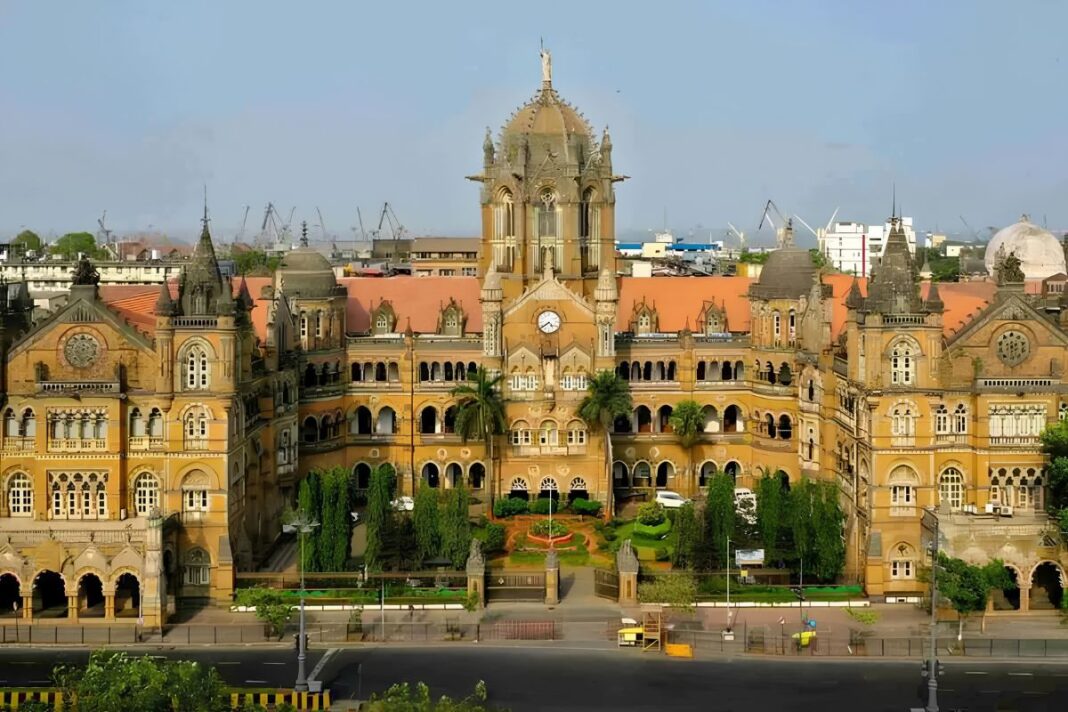
Chhatrapati Shivaji Maharaj Terminus
Formerly known as Victoria Terminus, this is one of Mumbai’s most iconic railway stations, known for its stunning architecture and historical importance. The station is a beautiful mix of Victorian Gothic and traditional Indian styles, which is why it was given the status of a UNESCO World Heritage Site.
It was designed by F. W. Stevens. Construction started in 1878 and was completed after nearly 10 years. British engineers and Indian craftsmen worked together to create this masterpiece, which is one of Mumbai’s biggest landmarks today.
The building looks like a grand royal palace with its huge dome, pointed arches, towers, and detailed carvings. At the entrance are two pillars — one has a lion, the symbol of Britain, and the other has a tiger, the symbol of India. There are also peacock designs that add to the beauty of the building. Maintained by Indian Railways, the station was listed as a “Heritage Grade-I” building in 1997. It is one of the busiest, functional railway hubs in India.
India’s mountain railways are also included in the UNESCO World Heritage list. These include three famous railway lines:
- Darjeeling Himalayan Railway
- Nilgiri Mountain Railway
- Kalka Shimla Railway
All three railway lines are still running today and are considered great examples of 19th and 20th-century engineering. Built between 1881 and 1908, these railways made travel easy through difficult mountain routes and brought a big change in people’s lives.
Darjeeling Himalayan Railway
Darjeeling Himalayan Railway is India’s first mountain railway, built between 1879 and 1881. It runs from Jalpaiguri to Darjeeling and offers scenic views throughout the journey. Known as the “Toy Train,” this was the first railway in Asia to receive the UNESCO tag.
Around Darjeeling station, you can see old British-era schools and lush green tea gardens, which add to the charm of the place. The views of Mount Kanchenjunga make the journey even more special.
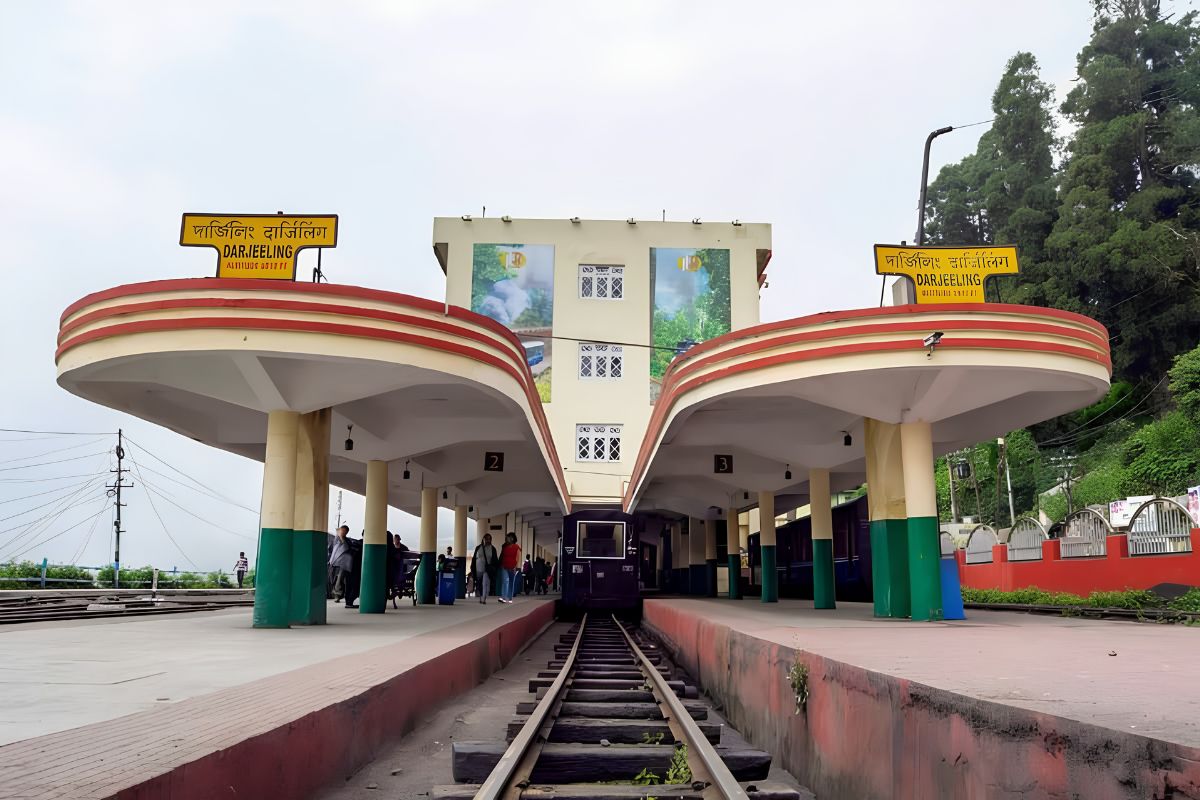
Ghum Railway Station is the highest railway station in India at an altitude of 2258 meters. The museum at the station displays old photographs, train models, and a historic engine called “Baby Sivok.”
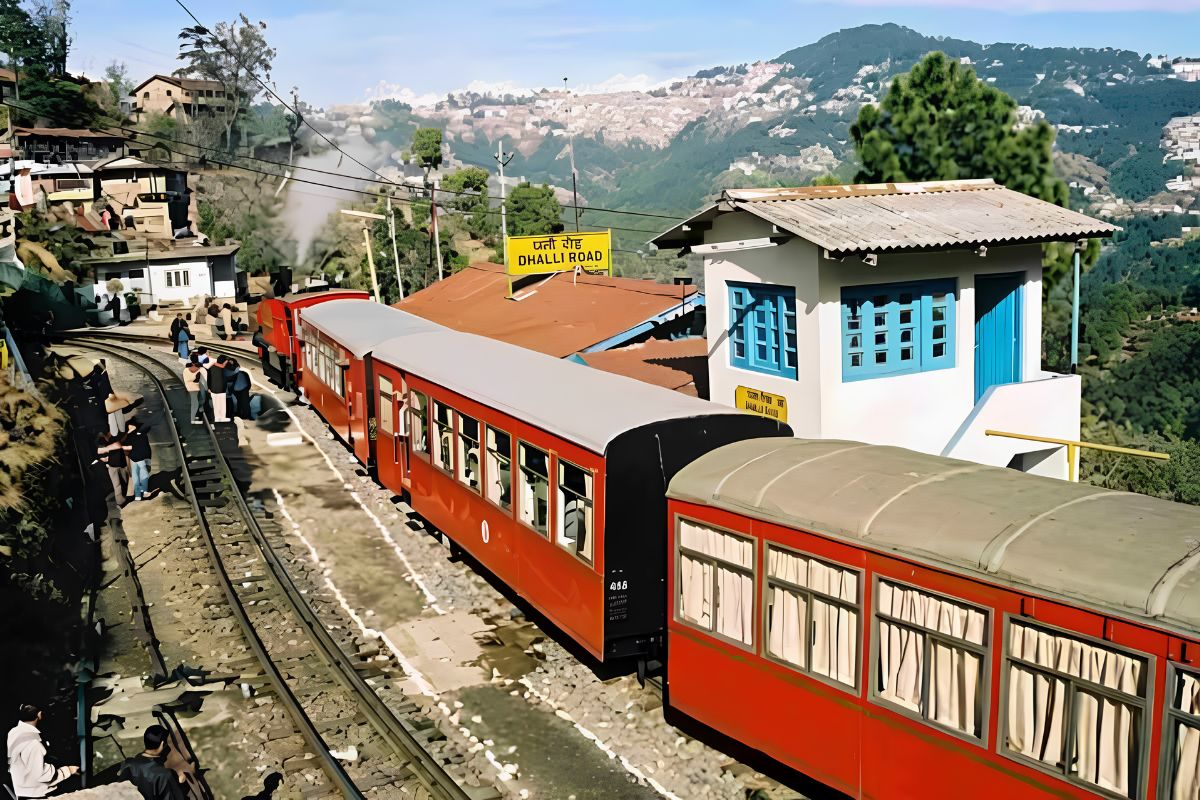
Kalka Shimla Railway
Kalka Shimla Railway is a 96-km long, single track mountain railway line that passes through the Shivalik Hills. Shimla station was first built in 1903 and later turned into a two-storey building in 1921.
Even today, visitors can see old railway signals and vintage train coaches like the Himalayan Queen and Shivalik Deluxe, which bring back memories of the old days. During British rule, Shimla was the summer capital of India, and this railway line played an important role in connecting the town with the rest of the country.
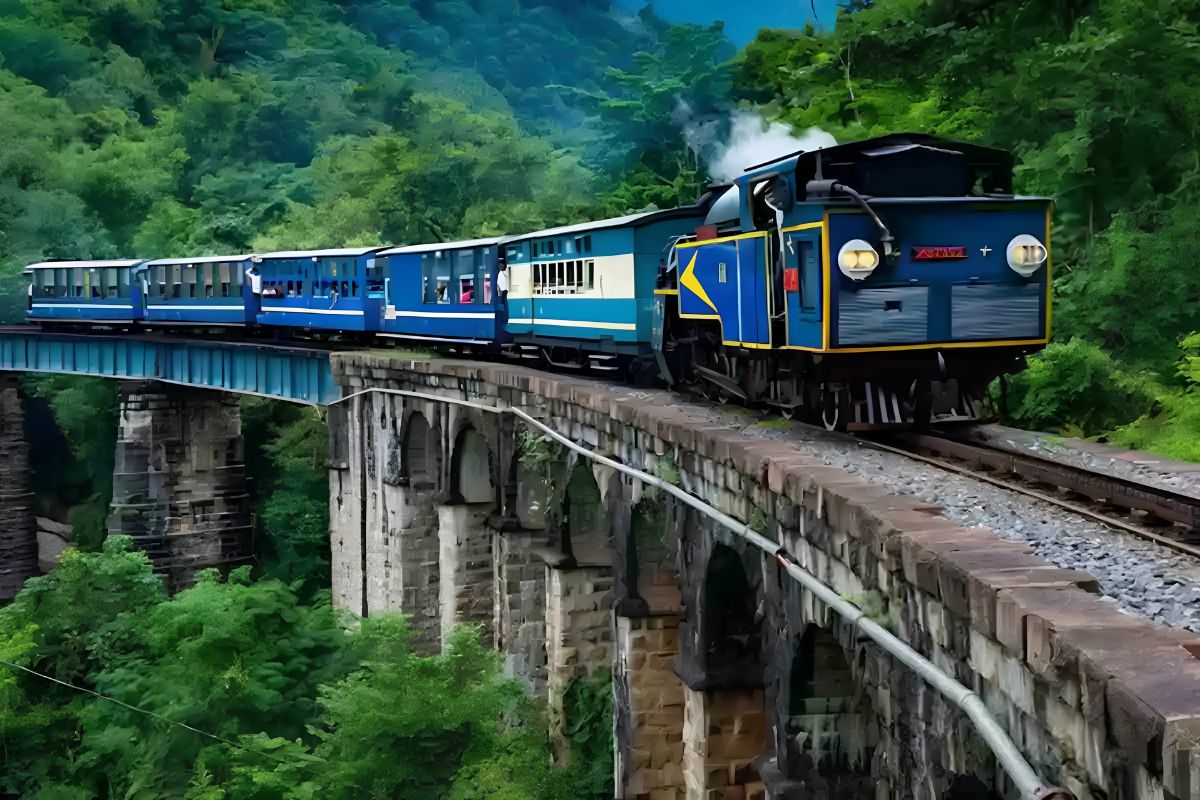
Nilgiri Mountain Railway
Nilgiri Mountain Railway is a 46-km long metre-gauge railway that has been running since 1908. It runs from Mettupalayam to Ooty and passes through many charming stations along the way. It is known for its unique rack and pinion traction system and is considered the steepest mountain railway in Asia. In 2005, it was added to the UNESCO World Heritage list.
During the journey, passengers can enjoy stunning views of the Western Ghats and lush green tea gardens. One of the most exciting parts of the trip is that the train passes through 16 tunnels, 250 bridges, and 208 sharp curves. The whole journey feels like being inside a beautiful painting.
These railway stations and mountain railways are not just a way of travel, but also a wonderful example of India’s history, culture, and engineering. They attract tourists and rail enthusiasts from around the world to this day and remind us of our rich heritage and glorious past.
Also Read:Bihar’s Rooftop School Built by a Vegetable Seller
You can connect with DNN24 on Facebook, Twitter, and Instagram and subscribe to our YouTube channel.