
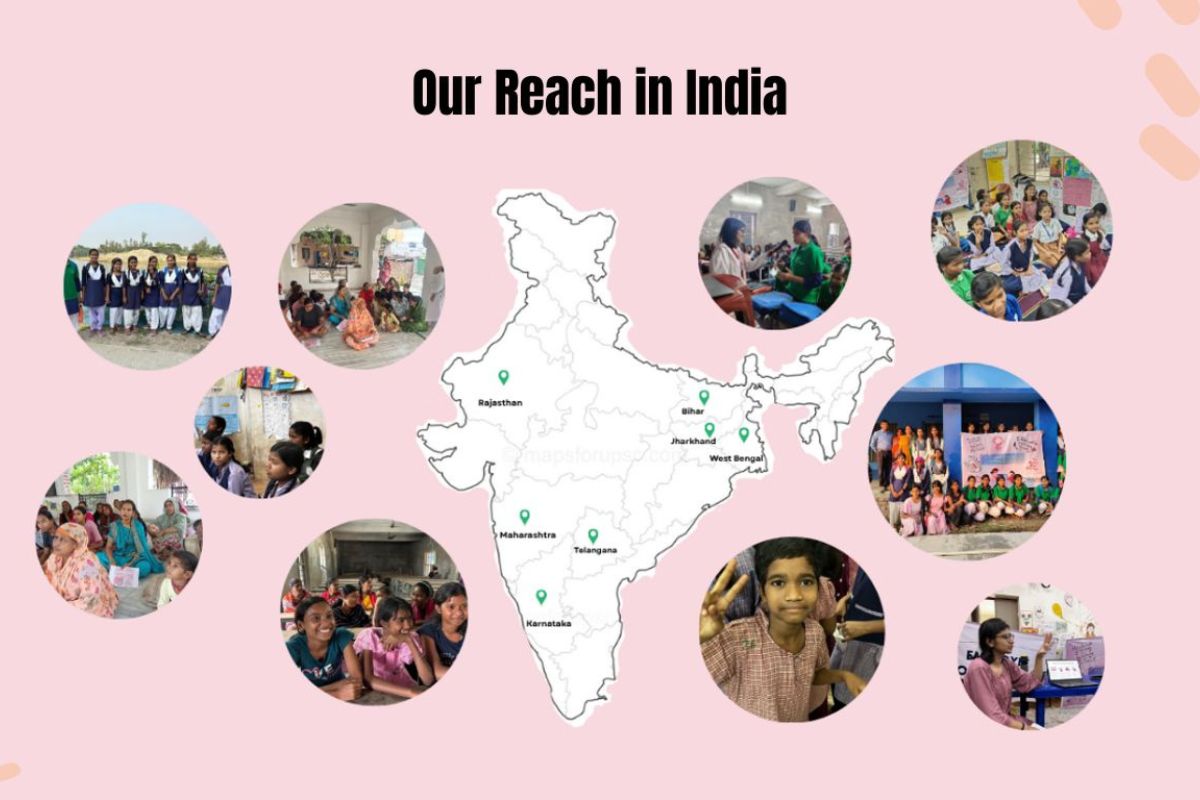
When a simple school visit during Joy of Giving Week revealed that girls were missing classes because they lacked sanitary products, it sparked a movement. Today, Project Ecosanitation has reached more than 335+ women across seven Indian states (Rajasthan, Jharkhand, West Bengal, Bihar, Maharashtra, Karnataka, Telangana), combining menstrual health education with the distribution of sanitary products, and developing biodegradable pads made from hemp fibre and bamboo cellulose. In this conversation, we explore the origins, challenges, and future of a project working to transform how periods are perceived and managed in rural India.
How It All Began
A Joy of Giving Week event sparked an unexpected revelation. Girls were missing school regularly, not from illness but because they could not afford basic menstrual hygiene products. This discovery led to the birth of Project Ecosanitation, an initiative now reaching rural and urban communities across India.
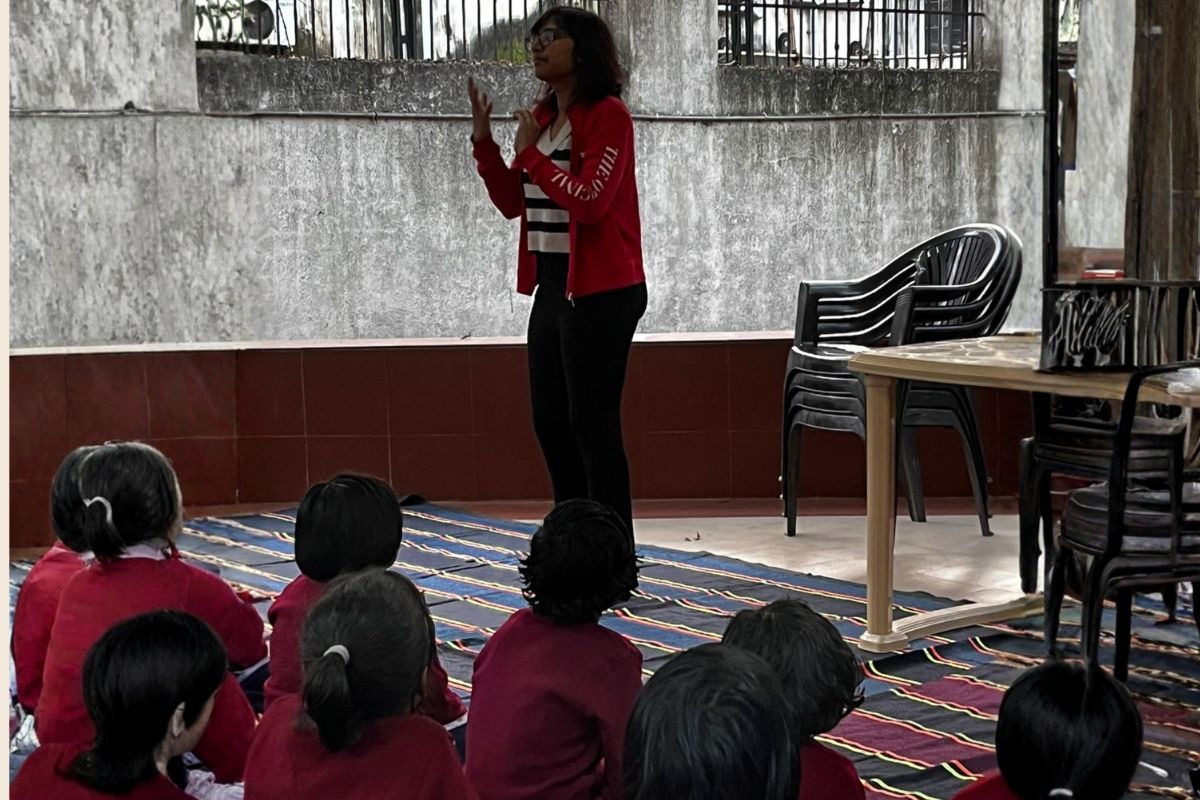
The founder, Sristi Bose a student at MIT Manipal, noticed that silence around menstruation extended far beyond rural areas. Even in urban schools, boys and girls were separated during health education. Only girls learned about periods while boys remained uninformed. This early division created communication barriers that lasted into adulthood, making natural biological discussions feel forbidden.
The Name Behind the Mission
Project Ecosanitation began with a singular focus on developing biodegradable pads. The name combined environmental consciousness with sanitation needs. Education programmes emerged alongside product development when the team realised women needed to understand menstruation before accepting new products. Creating comfort and trust became as vital as the pads themselves.
What started from one student noticing absent classmates has grown into a comprehensive initiative addressing period poverty, health education, environmental concerns, and women’s economic opportunities. The work continues across communities, proving that significant change does not require massive budgets or large organisations. Sometimes change needs someone willing to start conversations others avoid.
The #StayPeriodPositive Movement
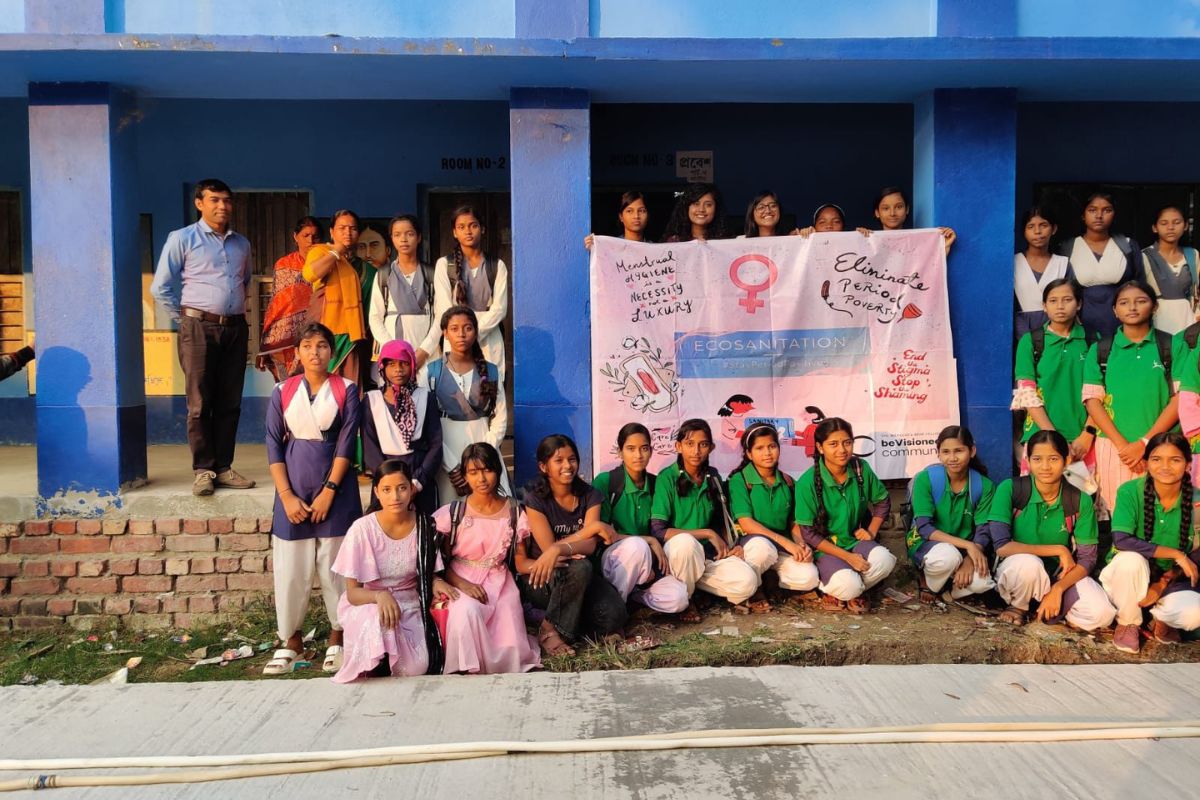
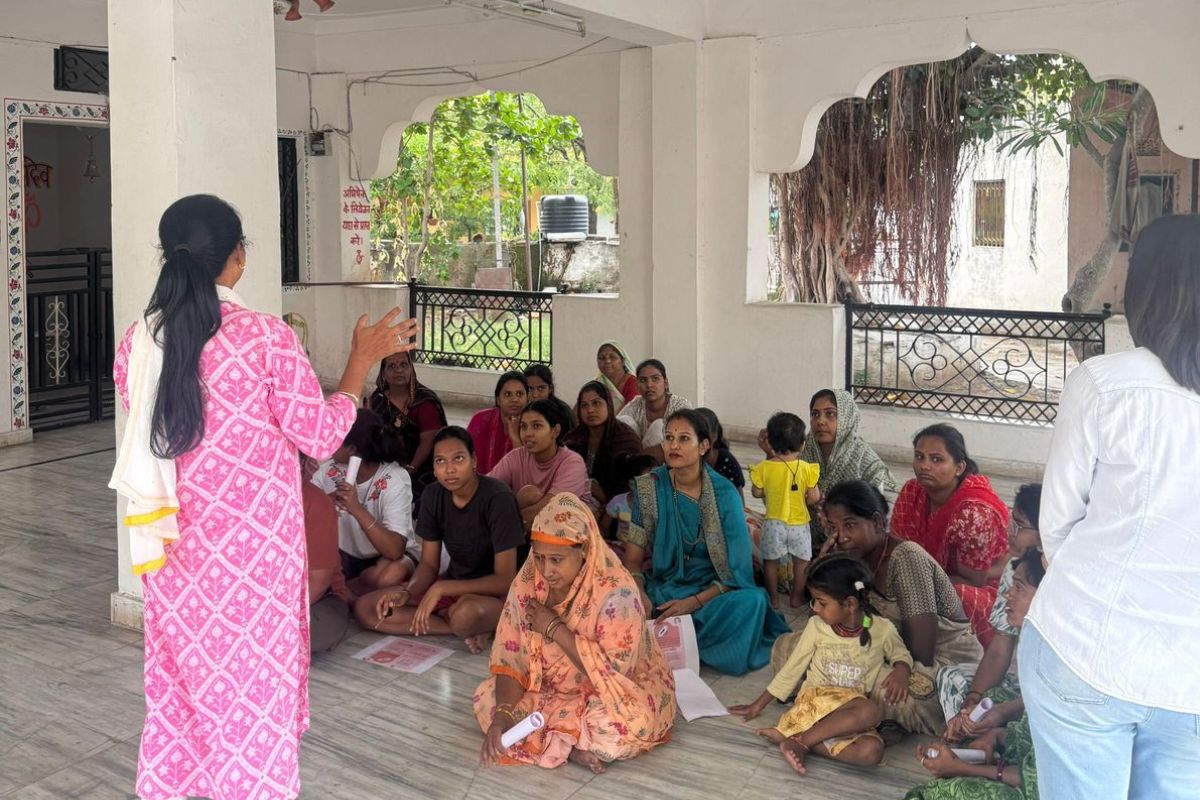
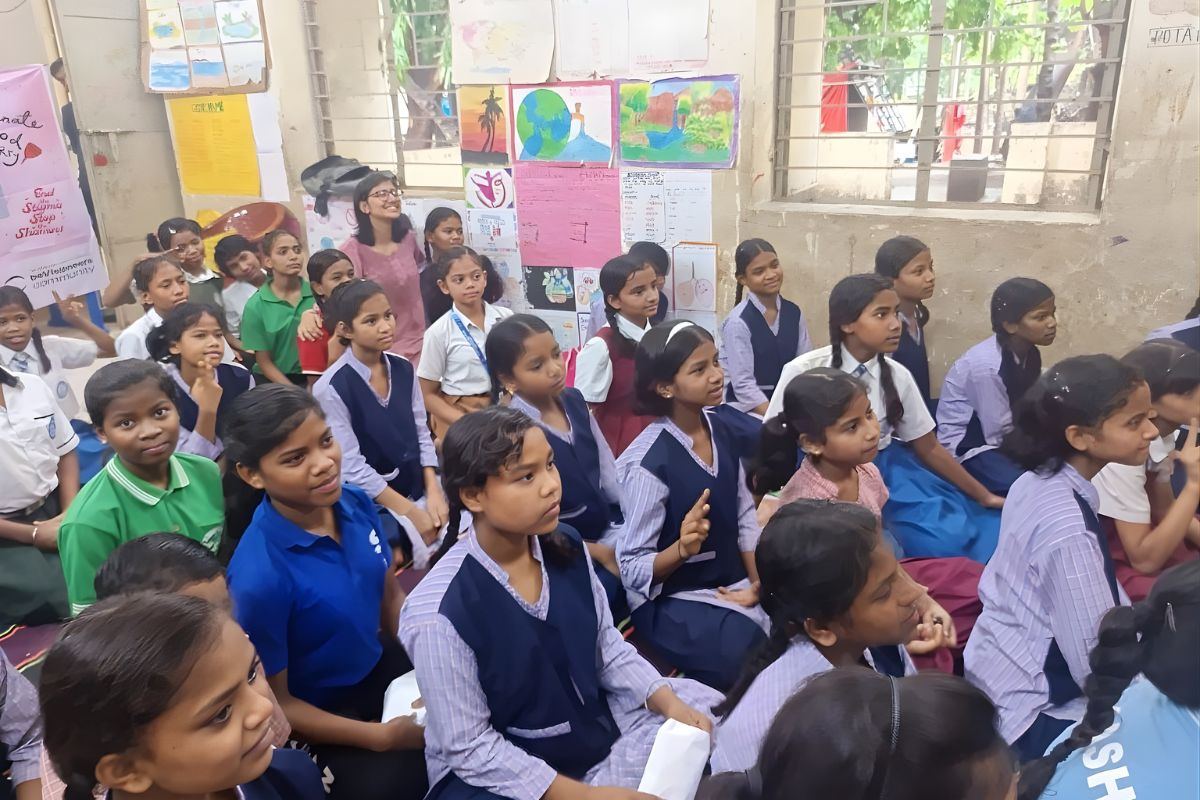
Operating under the #StayPeriodPositive initiative, the initiative has already impacted over 335+ women through structured awareness sessions. Volunteers start with basic biology, explaining menstruation as a natural process deserving neither shame nor secrecy. Sessions cover nutrition during periods, the need for rest, and warning signs that require medical attention.
The team addresses health conditions often ignored in rural India. PCOD and PCOS remain unknown to many women despite experiencing symptoms. During a Sundarbans campaign, volunteers met women going through menopause who had no understanding of what their bodies were experiencing. They had avoided doctors because they did not know they needed medical help.
Breaking Through Stigma
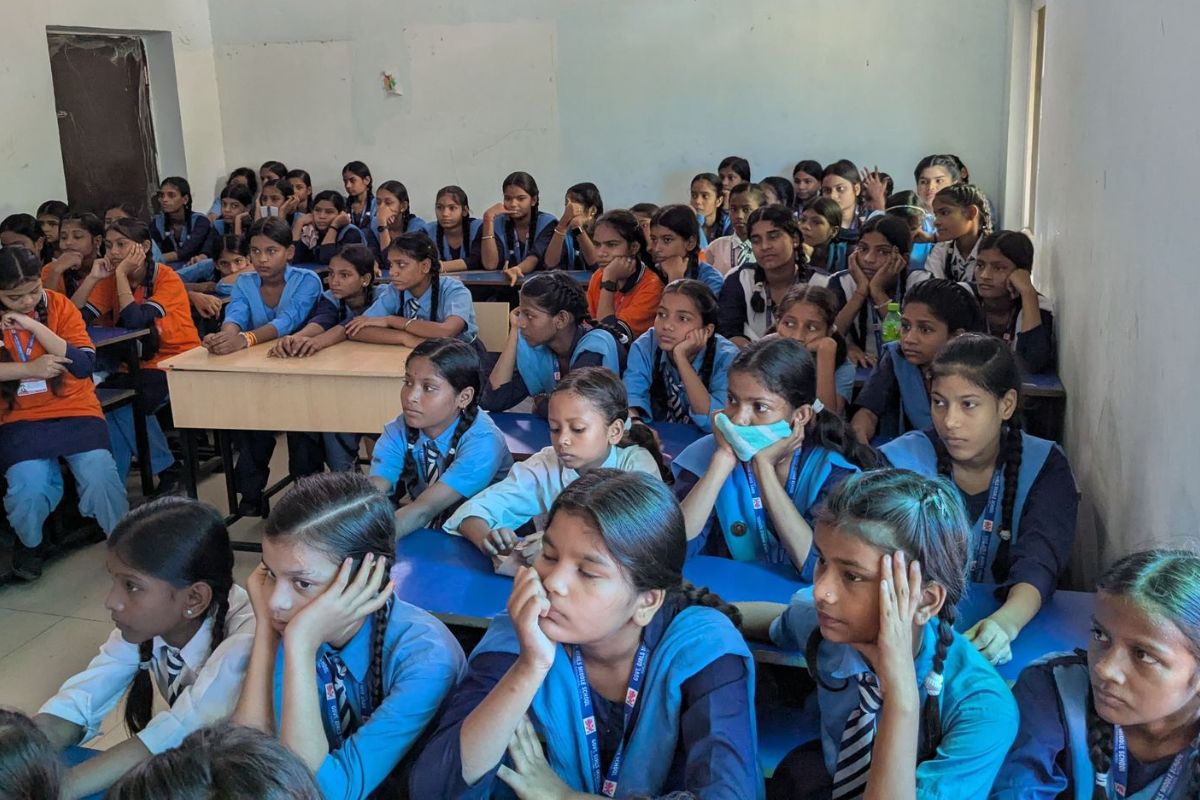
Cultural resistance varies dramatically across regions. In some villages, girls covered their faces during sessions and refused to speak when male photographers were present. The discomfort was visible and deep-rooted.
However, other communities showed openness. In Hyderabad and Manipal, women participated actively, asking questions and seeking information about their health. The difference comes down to trust. Volunteers must create comfortable spaces before honest conversations can happen.
Common myths persist everywhere. Many believe menstruation is a disease, not a natural process. Restrictions on entering kitchens or temples during periods remain widespread. The team counters the disease myth with clear biological facts while respecting religious beliefs. Their goal is to correct harmful misconceptions without attacking cultural practices.
Managing Outreach Across States
Running campaigns across multiple states requires careful coordination. The founder personally visits locations like Sundarbans, Manipal, Udaipur, Patna, and Jamshedpur. For other regions, partnerships with local NGOs make campaigns possible.
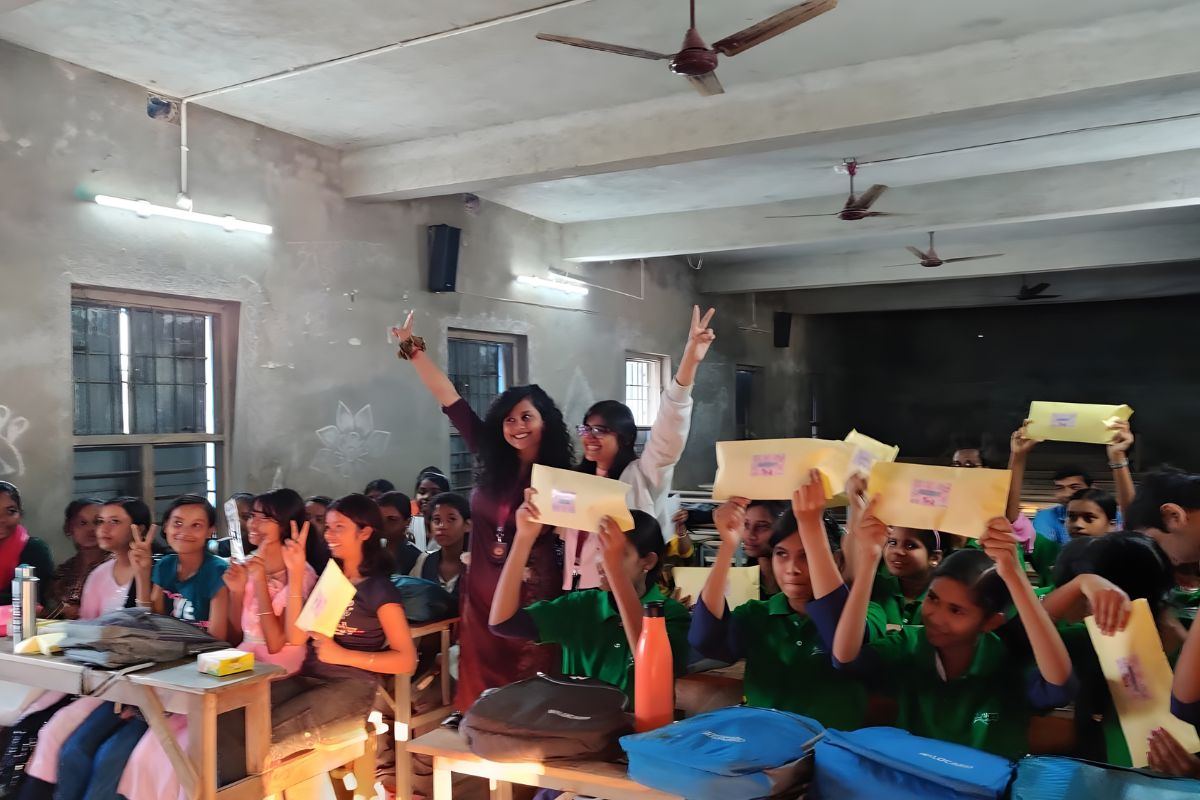
Period Bihar handled sessions in Bihar after receiving training and resources. Tata Steel Foundation facilitated the Jharkhand campaign. Udaipur campaign was with Rahda Foundation.The Lara Foundation brought artistic approaches to menstrual hygiene education in select regions. Each partnership begins with formal agreements, followed by volunteer training to ensure consistent messaging.
Language diversity demands adaptation. Presentations are translated into Bengali, Hindi, Telugu, and Kannada, depending on location. Even feedback forms appear in local languages. The team works hard to translate biological terminology into words that participants actually understand and use.
Measuring What Matters
Attendance numbers alone tell only part of the story. Real impact shows in behaviour change and health awareness. Each session ends with open questions that encourage participants to voice their concerns without judgment. Then comes written feedback asking what they learned, how helpful the session was on a scale of five, and whether they experienced symptoms of PCOS or menopause.
This feedback serves two functions. It helps assess session effectiveness and identifies women needing medical care. One teenage girl revealed she had reached puberty without starting menstruation. The team recognised possible PCOD and strongly urged her to see a doctor, explaining how untreated conditions worsen over time.
Written responses also capture the voices of those too shy to speak publicly. Reading what participants understood reveals how messages land and where improvements are needed.
Developing Biodegradable Products
Beyond awareness, Project Ecosanitation is developing biodegradable sanitary napkins using hemp fibre and bamboo cellulose. The product remains in the prototype stage under the Vishwakarma Awards by Mercedes-Benz, with BIS certification expected by late 2026.
The main technical hurdle involves replacing the plastic anti-leakage layer used in conventional pads. Polylactic acid offers a biodegradable alternative but becomes brittle when folded. For a menstrual product, this brittleness is unacceptable. Researchers are testing other biodegradable materials to add flexibility.
Cost presents another challenge. Initial manufacturing estimates reach 14 to 15 rupees per pad, higher than market alternatives. The solution lies in mass production through small-scale industries in rural areas, potentially reducing costs to 7-8 rupees per pad.
These small industries serve multiple purposes. They would employ women from the communities receiving education, creating jobs while manufacturing products locally. Workers would earn salaries, distribute pads in their villages, and participate in pricing decisions. This model addresses access, affordability, and economic empowerment together.
Hemp brings practical advantages. The fibre is hypoallergenic, reducing the risk of irritation. As a crop, hemp improves soil fertility. Currently legal only in Maharashtra and Uttarakhand, expanded cultivation could substantially lower material costs.
Making Sustainability Relevant
Environmental arguments rarely convince women struggling with basic affordability. The team acknowledges this truth directly. During workshops, they mention that conventional pads harm the environment, but do not expect this fact alone to change behaviour.
Instead, they emphasise hemp’s hypoallergenic properties and the employment opportunities small-scale industries would create. Women earning incomes from pad manufacturing can afford to buy the products they make. The team plans to involve workers in setting prices, trusting they know what their communities can pay.
Real Stories of Change
In Patna, a young woman confessed she had always viewed menstruation as shameful, even disease-like. After attending a session, her thinking shifted. She realised periods deserved no stigma. Though not yet ready to discuss it with her father, she began talking openly with her brother and mother about menstruation.
Sundarbans sessions included mothers alongside daughters. These mothers learned to support their daughters during periods with rest and proper nutrition instead of treating menstruation as dirty. They learned to change sanitary napkins every 4 to 5 hours to prevent infections. Small shifts in understanding create lasting cultural change.
Future Plans and Partnerships
The roadmap ahead includes several priorities. First comes BIS certification for biodegradable pads. Then, establish small-scale manufacturing industries across rural India. Geographic expansion will extend beyond current operations in seven states to cover all of India, followed by Bangladesh and Sri Lanka.
The founder maintains connections with menstrual hygiene activists in Africa, exchanging strategies and lessons. These international conversations shape how Project Eco Sanitation designs sessions and tackles obstacles.
Organisations and individuals can collaborate through the project website at project ecosanitation. in. Contact information there enables partnership requests and volunteer applications. Prospective team members undergo interviews before placement in appropriate departments.
Also Read:Saheli Women’s Revolution: When Needles Sparked Strength and Change
You can connect with DNN24 on Facebook, Twitter, and Instagram and subscribe to our YouTube channel.