



Tu Yaa Main begins as a glossy love story between two social media personalities and ends inside a cracked swimming pool with a crocodile circling in muddy rainwater. That sharp turn is not a gimmick. It is the point. The film argues that survival in a modern city has less to do with tents and firewood and more to do with ego, class, love, fear, and the fragile line between instinct and morality.
At first glance, Avani Shah and Maruti Kadam appear to inhabit a familiar world. She is known online as Miss Vanity, a polished influencer from South Mumbai. He performs as Aala Flowpara, a rapper from Nalasopara who has learned to turn hustle into rhythm. Their romance unfolds through curated posts, strategic collaborations, and the soft competition of who commands more attention. The language of followers and brand value shapes their self-worth. They speak fluently in metrics.
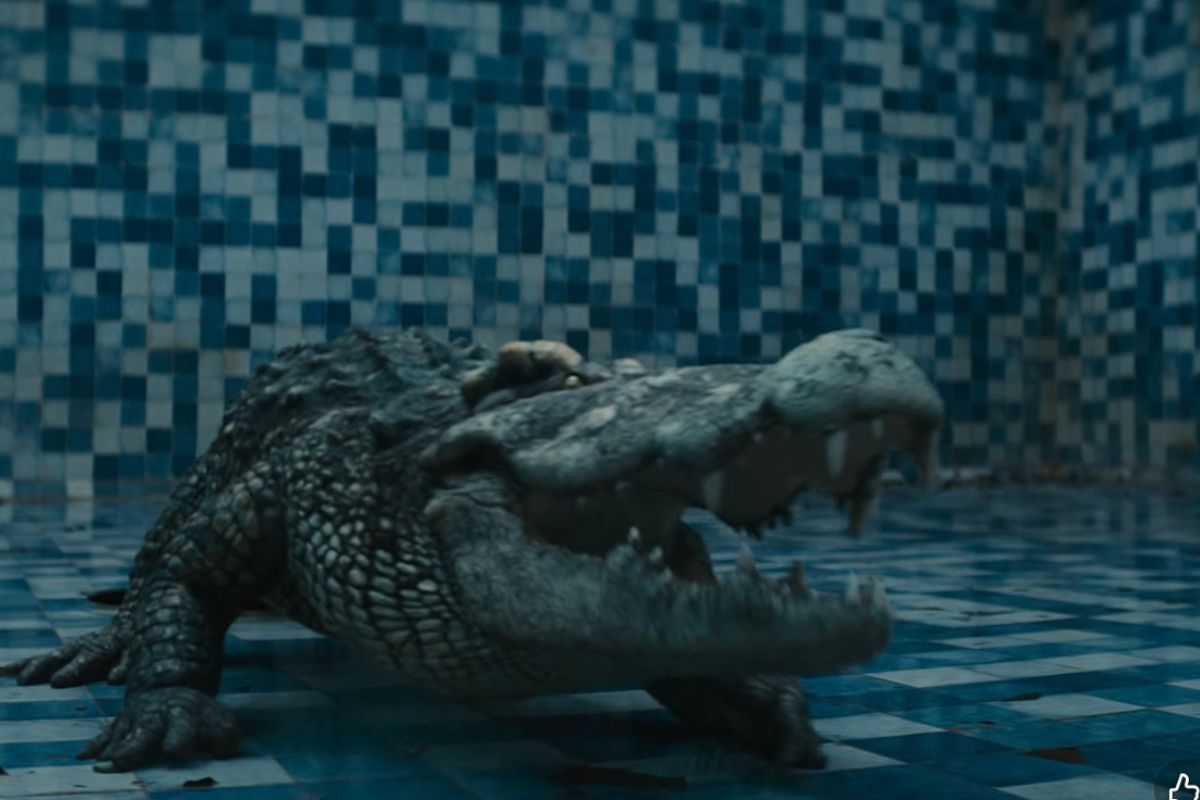
All of that dissolves when a casual trip to Goa derails in the Konkan. A broken bike, heavy monsoon rain, and a neglected property lead them into a drained swimming pool that becomes a trap. The water rises. A crocodile appears. The camera that once framed them in flattering light now captures torn clothes, shivering skin, and raw panic. The film’s survival lesson begins here.
The Self Behind the Screen
In the early scenes, identity is performance. Avani knows how to angle a shot and soften her voice for maximum engagement. Maruti crafts his rebel persona with equal care. Both understand that the internet rewards exaggeration. What it does not reward is stillness or doubt. Inside the pool, those skills carry no weight. No filter can edit fear. No caption can persuade a predator to retreat. Their carefully maintained online personas become useless.
The message is simple yet unsettling. Many of us spend years polishing an image. We learn how to appear confident rather than how to remain calm. We practice sounding intelligent rather than solving problems. When real pressure arrives, the difference becomes obvious. The film suggests that true preparation lies elsewhere. Emotional steadiness. Physical endurance. Clear thinking when the heart is racing. These qualities are rarely visible on a feed, yet they decide who survives a crisis at work, a medical emergency, or a mental breakdown.

When Avani’s designer clothes cling to her in soaked rags, and Maruti’s swagger gives way to trembling resolve, the film signals the death of performance. What remains is character.
Class and the Illusion of Superiority
Before danger intrudes, the romance carries the tension of class. Avani’s South Mumbai privilege contrasts with Maruti’s suburban grind. Language, money, and social access shape their arguments. Each carries a quiet insecurity about the other’s world. The pool erases that hierarchy. The crocodile does not recognise the bank balance or the background. Rain does not pause for pedigree. In the confined space of the drained resort, both are reduced to the same basic condition: vulnerable human bodies seeking safety.
This equalising force transforms the meaning of the title. “Tu Yaa Main” once hinted at romantic ego, the subtle battle over who bends first. In the pool, it becomes a primal question. Who lives. Who sacrifices. Who hesitates. For viewers, the metaphor is hard to ignore. Illness, accidents, natural disasters, and sudden loss often flatten social distinctions. The film quietly warns against the comfort of superiority. The person dismissed as lesser may become essential when structures collapse. Empathy, not status, becomes the currency of survival.
Communication Under Pressure
Much of the film’s first half explores the couple’s dynamic. Affection is mixed with rivalry. Career ambitions clash. Control shifts back and forth. Their disagreements feel ordinary. Inside the pool, ordinary grievances turn dangerous. Every argument wastes energy. Every accusation weakens coordination. Survival requires planning who climbs first, who distracts the predator, and who conserves strength.
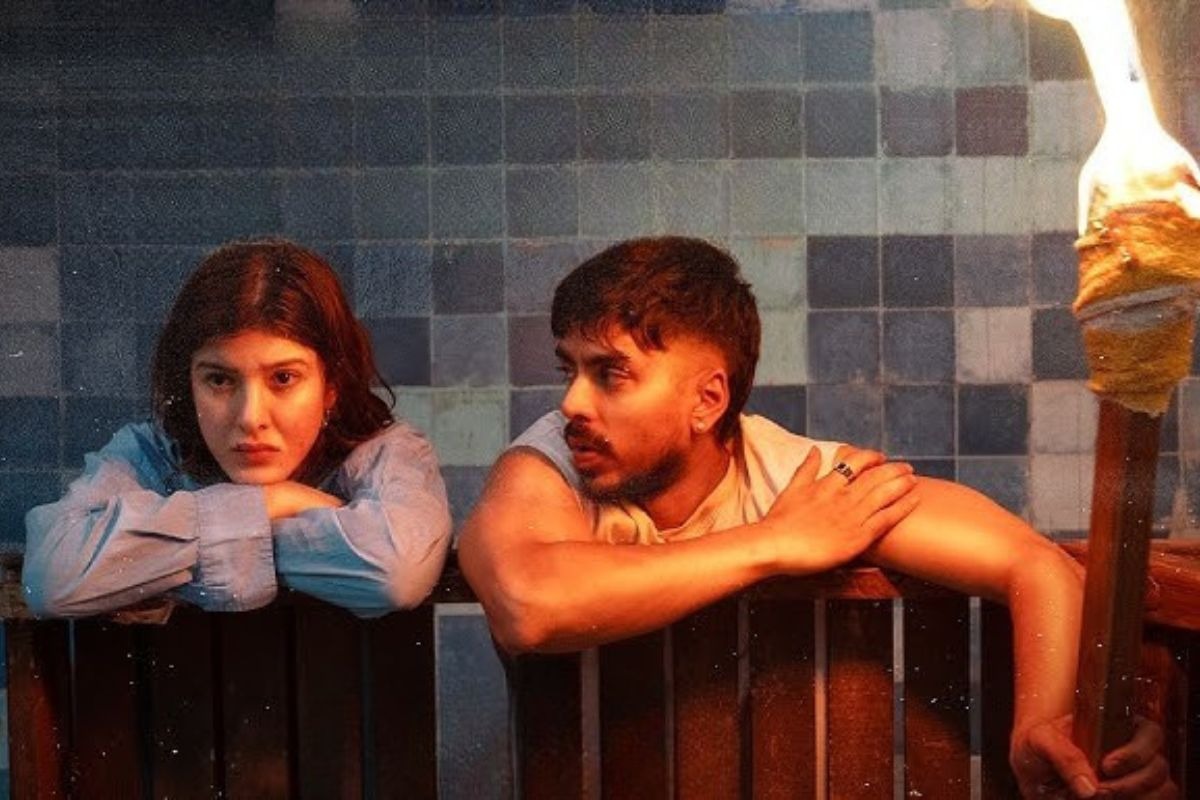
Trust becomes practical rather than sentimental. The film portrays this shift with careful pacing. Raised voices lead to mistakes. Silence, when chosen wisely, restores focus. The tension shows how quickly miscommunication can turn fatal when time is limited.
In daily life, the stakes may not involve teeth and water, yet the principle stands. Relationships often function as emergency systems. A partner, friend, or family member can steady a panicked mind. But only if communication remains clear. Scoring points in a crisis serves no one. The film implies that listening under stress is not a soft skill. It is a survival tool.
Adaptability When Plans Collapse
The narrative pivot from romance to survival is abrupt. That abruptness mirrors lived experience. Life rarely announces its genre change in advance. At first, Avani and Maruti underestimate their situation. They joke. They assume help will arrive. Denial lingers. Many viewers may recognise this pattern. Early warning signs in finances, health, or relationships are often brushed aside. The mind prefers comfort.
As water rises and the crocodile circles closer, denial becomes impossible. They must improvise. Broken tiles become footholds. Rusted pipes offer leverage. They calculate movement with caution. Adaptability, not bravado, keeps them alive.
The film argues that flexibility is a form of intelligence. When a job ends unexpectedly or a city floods, clinging to an old script can deepen damage. The ability to pivot without losing dignity marks maturity. Even the film’s tonal shift reflects this lesson. Audiences expecting a light romance are forced into darker terrain. That discomfort is deliberate.
Nature and the Cost of Neglect
The opening sequence introduces a Konkani woman vanishing beneath the surface of a lake. The image lingers. It hints at ecological imbalance. Crocodiles displaced from shrinking habitats wander into human spaces. Neglected resorts decay. Drained pools become death traps. The setting is not accidental. The monsoon shapes every scene. Rain blurs boundaries between wild and built environments. Human carelessness invites danger.
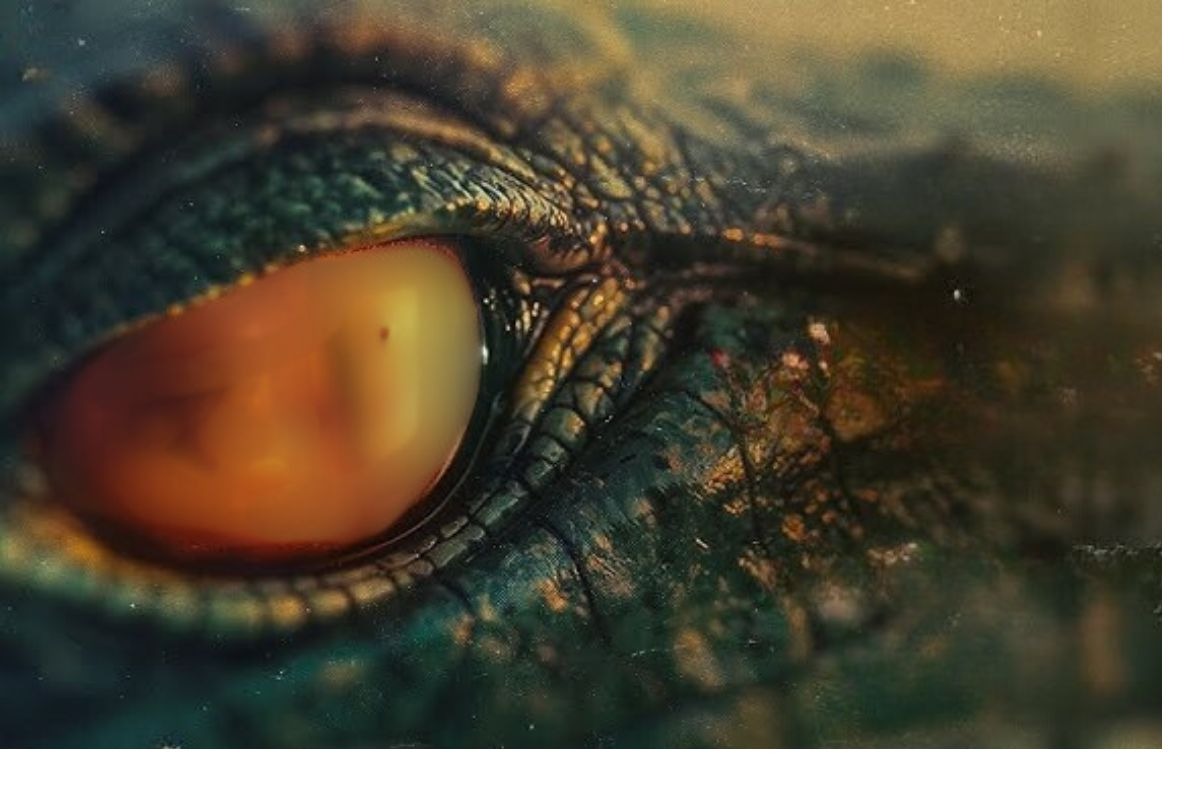
On one level, the crocodile is a literal threat. On the other hand, it symbolises neglected risk. Debt is ignored until it overwhelms. Addiction is hidden until it surfaces. Environmental damage is dismissed until disaster strikes. The film suggests that survival begins with attention. Maintenance of infrastructure. Respect for warning signs. Awareness that leisure spaces can conceal danger when upkeep fails. In this sense, the crocodile is less a monster than a consequence.
Fear, Morality, and the Edge of Sacrifice
As exhaustion deepens, the film ventures into moral territory. The question “Tu Yaa Main” sharpens. In a confined space with a predator, self-preservation grows louder. The temptation to push the other forward as a distraction flickers.
Fear strips away politeness. It reveals impulses people prefer to deny. Yet the film also portrays moments of courage. A hand extended at personal risk. A decision to hold ground rather than flee.
These scenes underline a harsh truth. Character often reveals itself only under pressure. Most viewers will never face such a literal test, but ethical crossroads appear in quieter forms. Cheating to survive professionally. Abandoning someone when the association becomes inconvenient. Choosing personal gain over loyalty.
The film does not offer easy answers. It presents survival as both physical and moral. Preparing for a crisis involves more than building stamina. It requires deciding which lines cannot be crossed, even when fear argues otherwise.
Love After the Storm
Critics have described the film as a story in two halves. The first half builds modern romance. The second half dissects it under stress. By the end, Avani and Maruti are altered. Trauma leaves residue. Shared survival does not guarantee a shared future. Yet the ordeal proves something vital. Partnership increases odds. Two minds think better than one when panic threatens clarity. Two bodies can support a weight that one cannot.
The film has a neat conclusion. Instead, it asks whether love can survive exposure to raw instinct. Whether vulnerability strengthens bonds or fractures them. In a culture that prizes individual achievement, this remains a pointed reminder. Survival often depends on interdependence. Strength lies not in isolation but in cooperation. The title’s question evolves. It begins as a rivalry. It ends as a reflection. Perhaps the true answer is neither you nor me alone, but whether we can endure together.
The Broader Urban Mirror
Beyond its plot mechanics, Tu Yaa Main functions as commentary on contemporary life. Urban existence rewards visibility. It prizes speed and surface. It encourages constant self-broadcasting. The film counters that rhythm. It slows viewers inside a confined space where spectacle fades, and essence emerges. It suggests that daily survival requires qualities rarely applauded online. Patience. Physical and mental discipline. Ethical steadiness. Empathy across class lines.
The crocodile may be extraordinary, but the pressures surrounding it are familiar. Competition. Pride. Environmental neglect. The struggle between image and reality. By placing two hyper-connected individuals in total isolation, the film exposes a paradox. Connectivity does not equal preparedness. Visibility does not equal resilience.
When rain pounds the concrete, and the predator moves unseen beneath murky water, what remains is the human core. Breath. Choice. Responsibility. Tu Yaa Main closes not with triumphant spectacle but with lingering unease. Survival is messy. It costs something. It leaves marks.
In the end, the film teaches that daily survival is less about defeating monsters than confronting ourselves. The personas we polish. The hierarchies we defend. The fears we hide. The moral compromises we consider. Inside a ruined pool in the Konkan monsoon, two influencers discover what many city dwellers quietly suspect. When comfort disappears, only character holds.
Also Read: Border 2: The Real Soldier Behind The Reel Hero
You can connect with DNN24 on Facebook, Twitter, and Instagram and subscribe to our YouTube channel.