

In the mountain town of Baramulla, where uncertainty shaped daily life, a young boy once dreamed of joining the army. Instead, he chose a different battlefield. Dr Itinderpal Singh Bali, now widely known across Jammu & Kashmir as the “First Aid Man,” has built a quiet revolution in emergency response, one trained hand at a time.
Early Years in Baramulla
Born and raised in Baramulla, Dr Bali grew up in a modest household where his parents served in government jobs. The youngest among three sisters, he was more interested in outdoor play and discipline than academics, with an early ambition to join the armed forces.
Life, however, led him to dentistry. After years of struggling in crowded hostels to afford his education, he qualified as a dentist at 28 and returned to Kashmir to open his clinic. But the timing was difficult. Civil unrest meant frequent curfews. Patients stayed away. Income was uncertain.
One morning, while treating a patient during a power outage, an explosion nearby shattered his clinic windows. Shrapnel sprayed the building. Yet his hands did not tremble. He continued the procedure calmly. That moment shaped his understanding: survival in Kashmir demanded more than professional skill; it required resilience.
The Turning Point: 2005 Uri Earthquake
The devastating 2005 Uri earthquake changed his life forever. While many ran from collapsing buildings, Dr Bali ran toward them. He pulled a child from rubble and bandaged wounds with torn cloth. Ambulances arrived hours later. Some lives were lost simply because help came too late. That helplessness haunted him.
He realised that ordinary citizens, if trained, could save lives during the critical minutes before professional responders arrive. With his own clinic damaged, he began teaching neighbours basic emergency skills: how to splint fractures with sticks, stop bleeding, manage burns, and respond to shock.
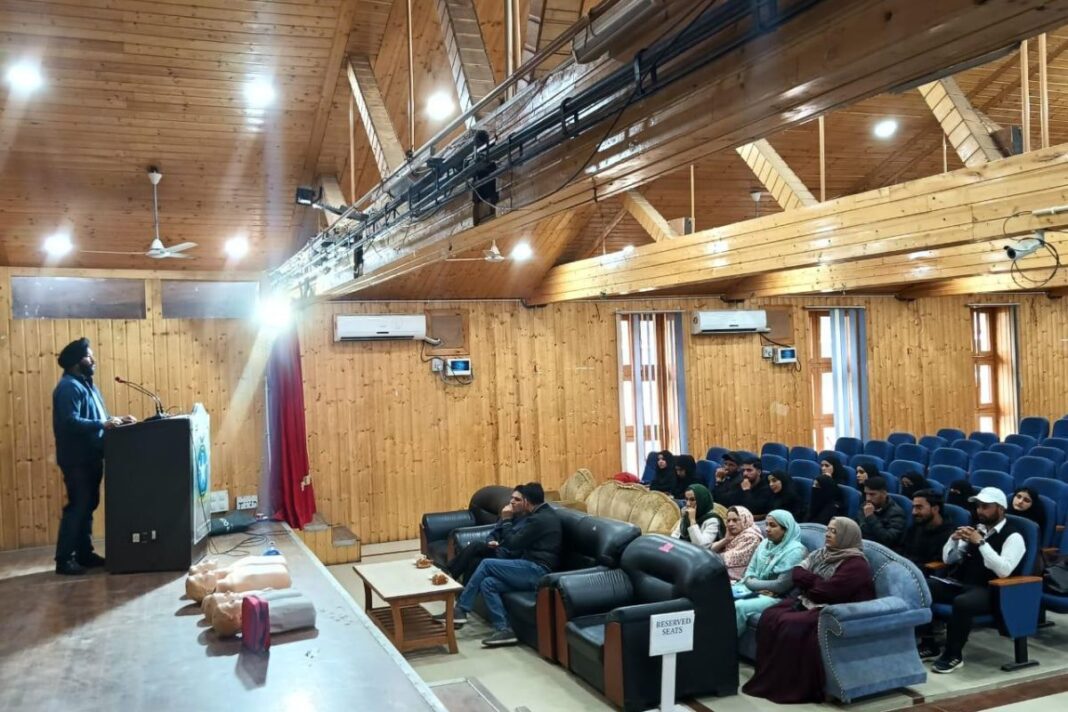
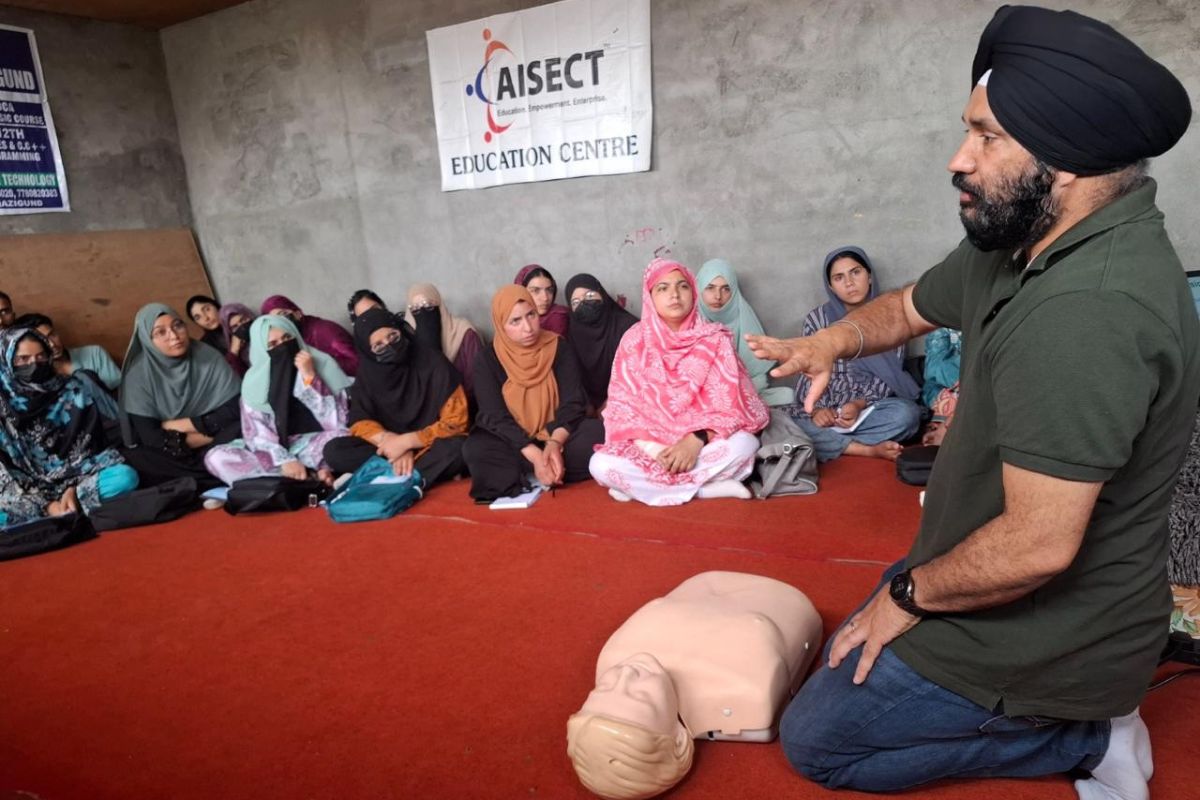
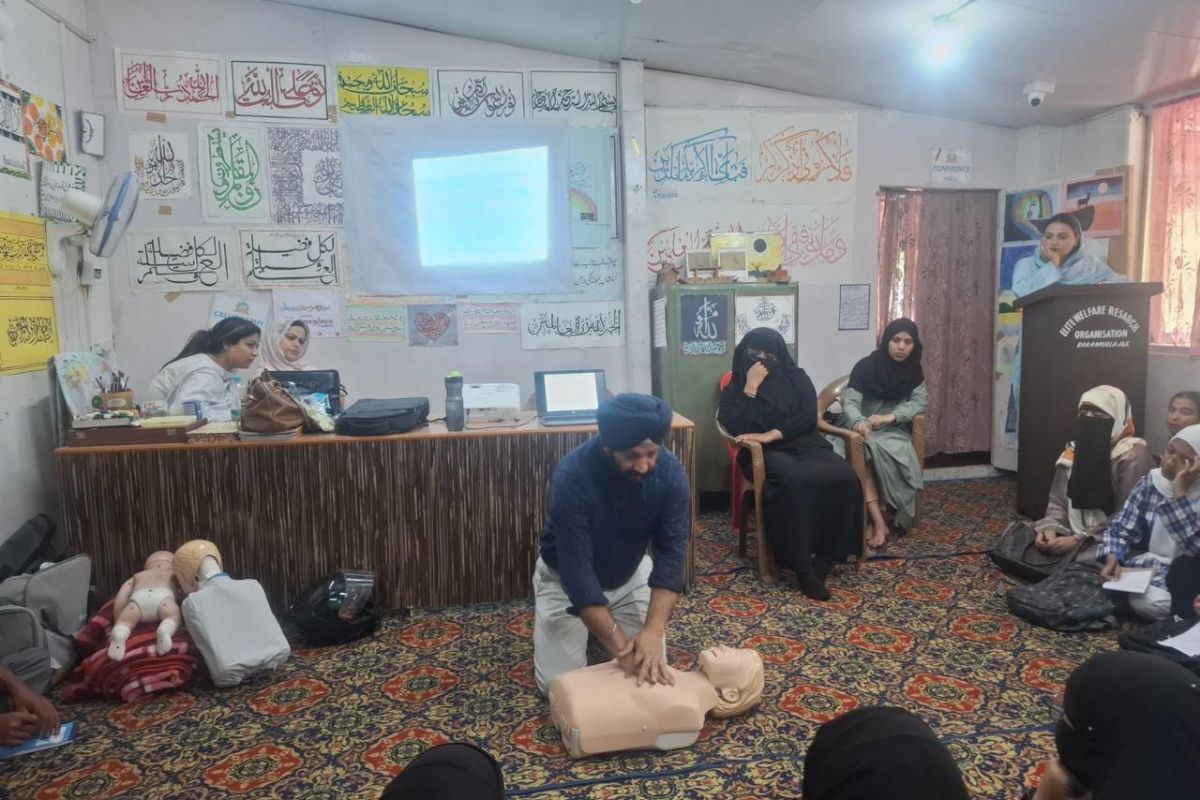
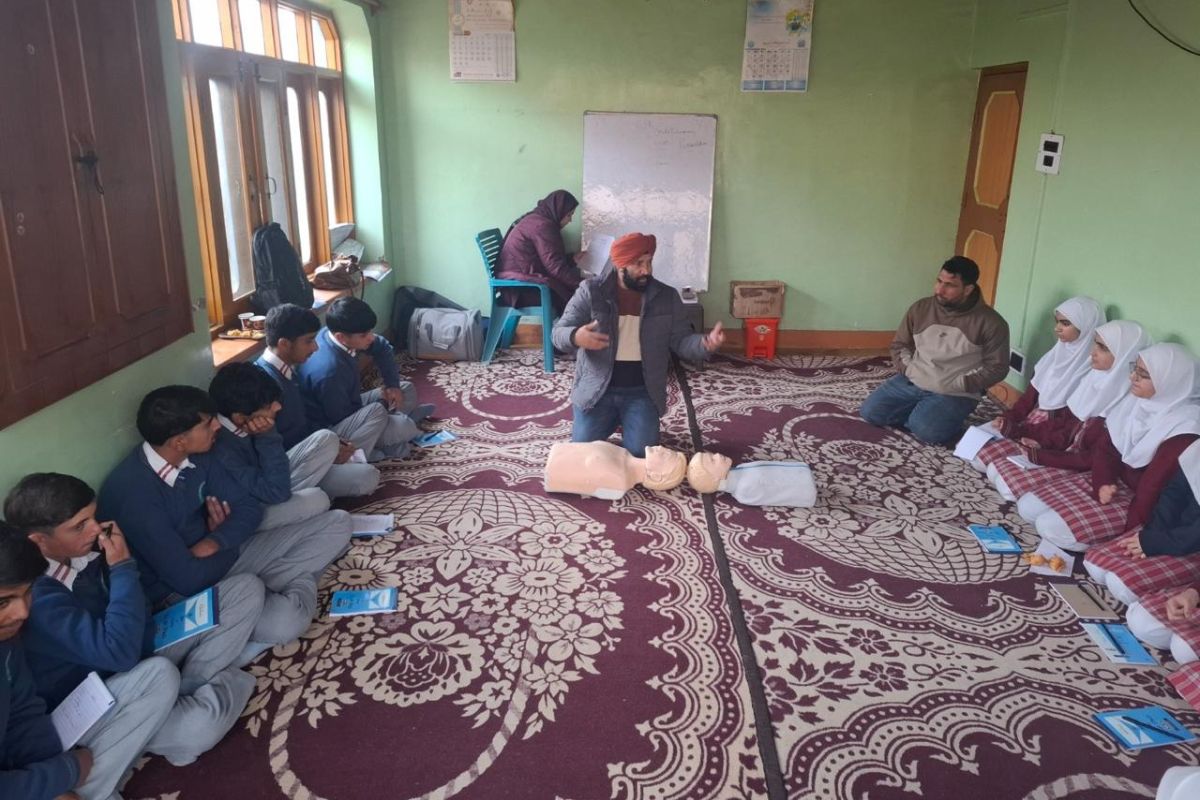
In 2007, he received structured humanitarian training from RedR India, strengthening his mission. Soon, he was conducting regular CPR sessions at schools and community centres. His message was simple and powerful: 30 chest compressions, two rescue breaths, you can save a life.
Service Beyond Borders
In 2015, after Nepal’s devastating earthquake, Dr Bali joined United Sikhs’ relief efforts. For 15 days in Kathmandu and remote villages, he treated over 500 patients in makeshift camps, often sleeping on concrete floors and working under a flashlight at night.
Back home, during the COVID-19 pandemic in 2020, when his dental clinic had to close, he pivoted again. He travelled to remote areas teaching mask hygiene, sanitation, and infection control.
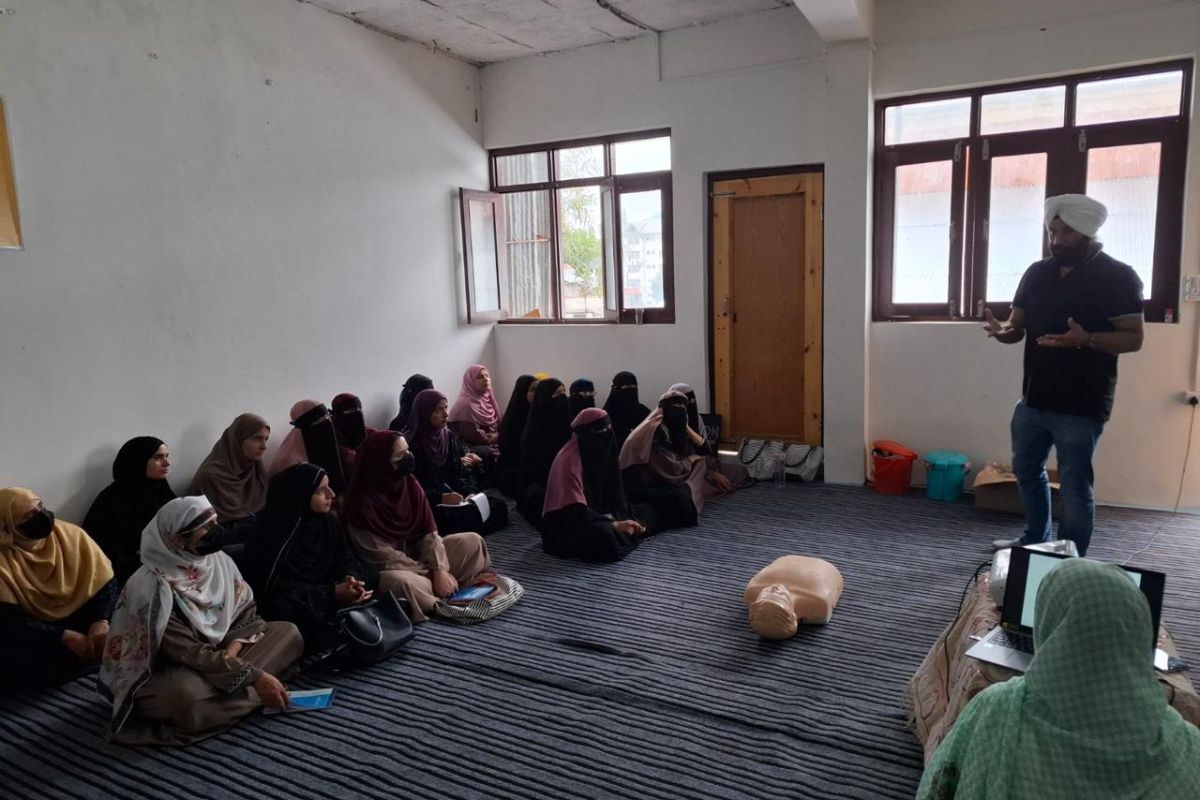
He continued training even as fear and restrictions gripped the region.
Tragedy struck that year when a volunteer trained by him died in a road accident. At the funeral, he questioned whether his work made a difference. Days later, letters arrived from other trainees describing lives they had saved using his training. His doubts disappeared.
Recognition and Responsibility
Recognition followed years of quiet service. In 2017, the Indian Red Cross Society appointed him a National Master Trainer in First Aid. The Government of Jammu & Kashmir honoured him on Republic Day in 2018 and 2022, and he received the State Award in 2025 for his contribution to the social sector.
The media began calling him the “First Aid Man.” Yet awards did not slow him down. He continued training volunteers, civil defence members, students, teachers, security personnel, and local communities in Kashmir, often at no cost. Outside the Union Territory, modest fees help sustain his mission. To date, he has trained over 30,000 individuals across India, particularly in remote and underserved regions.
Building an Army of Prepared Citizens
Dr Bali’s teaching style is practical and story-driven. He shares real-life emergencies he has witnessed. Participants practice chest compressions, choking response, fracture management, bleeding control, burn care, and shock recognition on mannequins and simulated scenarios.
Funding remains a challenge. Venues are sometimes unavailable. He improvises, negotiates, and adapts.
One truck driver once called him in tears. After witnessing a car crash, he pulled a victim from a burning vehicle and kept the person breathing using CPR techniques learned in Dr Bali’s session. The victim survived.
For Dr Bali, such stories matter more than medals.
A Vision for the Future
Despite his humanitarian commitments, he continues to practice dentistry to support his family, whose unwavering encouragement has sustained his journey. His vision is ambitious but simple: mandatory first aid education in schools nationwide and trained response teams in every village council across India.
From a quiet boy in Baramulla to a humanitarian trainer across the country, Dr Bali has built what he once dreamed of, not an army in uniform, but an army of prepared citizens. He often writes in his journal that difficulties create capable people. The lives he could not save still stay with him. They are his motivation.
“A dentist by profession,” he says, “but first aid is my purpose. Fear reduces when knowledge increases.”And in thousands of trained hands across India, his legacy continues, stopping bleeding, restarting hearts, and proving that sometimes the greatest heroes do not carry weapons, but wisdom.
Also Read:Project Ecosanitation Transforms Menstrual Health Across India
You can connect with DNN24 on Facebook, Twitter, and Instagram and subscribe to our YouTube channel.
With so many Laurels.. appreciation.. his perseverance towards saving lives.. training the forces or common man with equal dedication is tremendous.. Humility is his second name.