
A simple idea born from tragedy became a lifeline for 333 students.
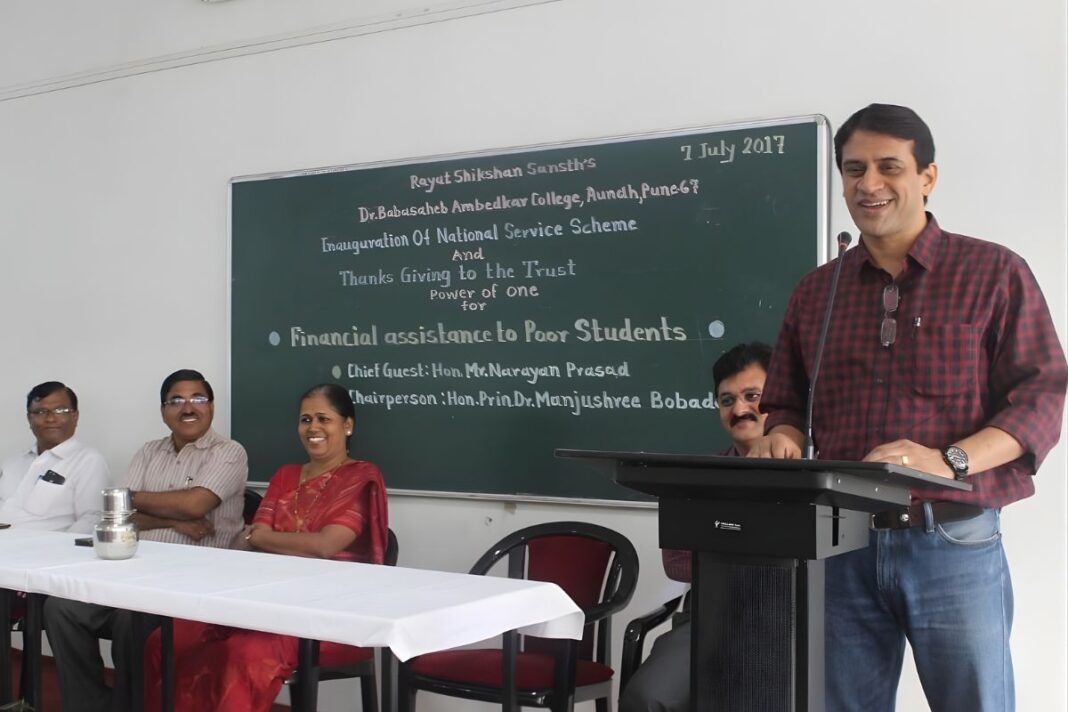
The corridors of Pune’s colleges echo with stories of brilliance dimmed by poverty. But in 2016, an IT professional, Prasad Narayan, decided that merit should not bow to money. What began as a single rupee philosophy has grown into a movement that has changed hundreds of lives. Prasad Narayan, the man who turned his sabbatical into a mission.
From Terror to Trust: The Genesis
The 26/11 Mumbai attacks left scars on the city and sparked an unusual thought in Prasad Narayan’s mind. Writing for a local newspaper, he calculated a simple equation. If every taxpayer contributed just one rupee daily for a year, the collective amount could purchase sophisticated weapons to protect the nation.
That idea stayed with him for eight years. “The Power of One rupee, when multiplied, can create real change,” Prasad explains. “In 2016, I took a sabbatical from the IT industry. I always wanted to help people from the economically weaker sections. My wife Rekha and I registered the educational trust on June 17, 2016, and in the same year on the auspicious day of Dussehra, October 11 the website, www.thepowerofone.co.in was launched
The date carries another significance since October 11 marks the birthday of one of India’s greatest sons, Mr. Amitabh Bachchan a detail not lost on Prasad when planning his launch.
The Mission: Education Without Barriers
The Power of One Educational Trust operates on a principle as old as Gandhi’s and as relevant as Dr Abdul Kalam’s. Education, Prasad believes, is the great equaliser. “Once people are educated, nobody can fool them,” he says with conviction. “If your parents are farmers, it does not mean you must continue farming. Education breaks that cycle. It opens doors to possibilities your circumstances would otherwise deny you.”
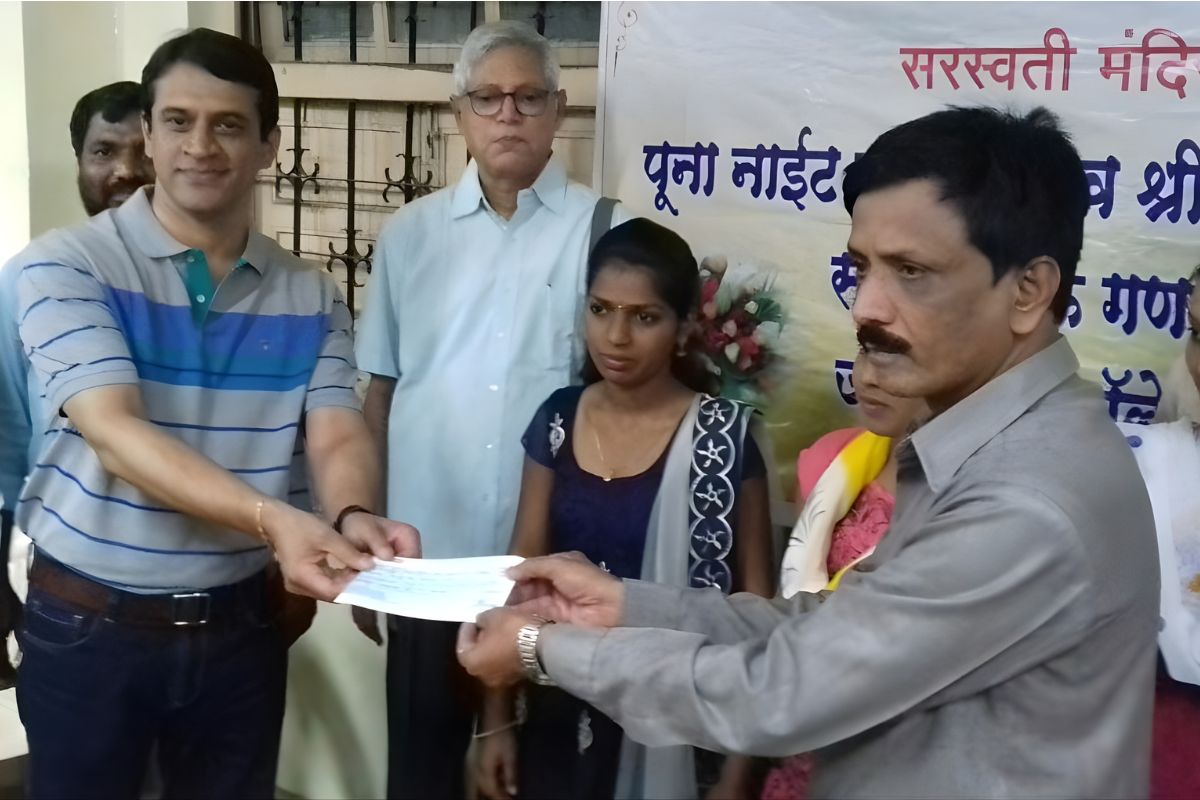
The trust follows a straightforward model. It pays tuition fees for students who have completed their 12th standard and need financial support for higher education. The initial criterion was 60% marks, later raised to 70% as demand grew.
“We do not restrict by stream,” Prasad clarifies. Science, Commerce, Arts, Law, Physics, Chemistry, Maths, Engineering, Computer Science and MBA. Whatever the student wants to pursue. Initially, we helped more arts and commerce students because engineering and a few other streams costed more. But now we support all fields.”
Transparency as Foundation
What sets this trust apart in a landscape crowded with charitable organisations is radical transparency. Every donation triggers a broadcast message to all donors, detailing exactly where their money went. “The moment we pay a student’s fees, we send a message to everyone. Today, the trust paid fees for this student, pursuing this course,” Prasad explains. “People know exactly how I am utilising funds. That transparency is why this has picked up.”
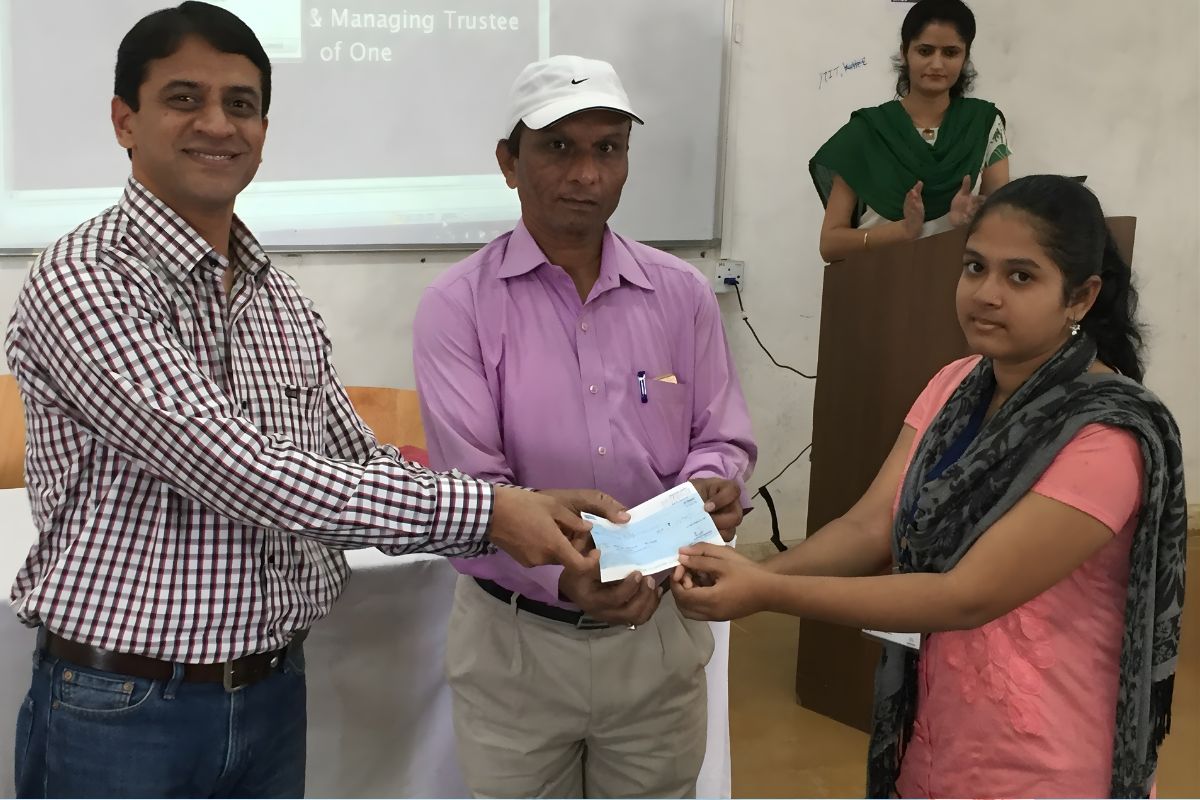
The trust operates without an office or employees. Prasad and Rekha manage everything themselves. Nearly every rupee donated goes directly to student fees. The couple had calculated they could sponsor eight to ten students based on a giving-back formula. They have surpassed that figure many times over. “We have sponsored 333 students and counting. We have paid over 31 lakh rupees in fees,” Prasad states. The pride in his voice is evident.
Stories That Inspire
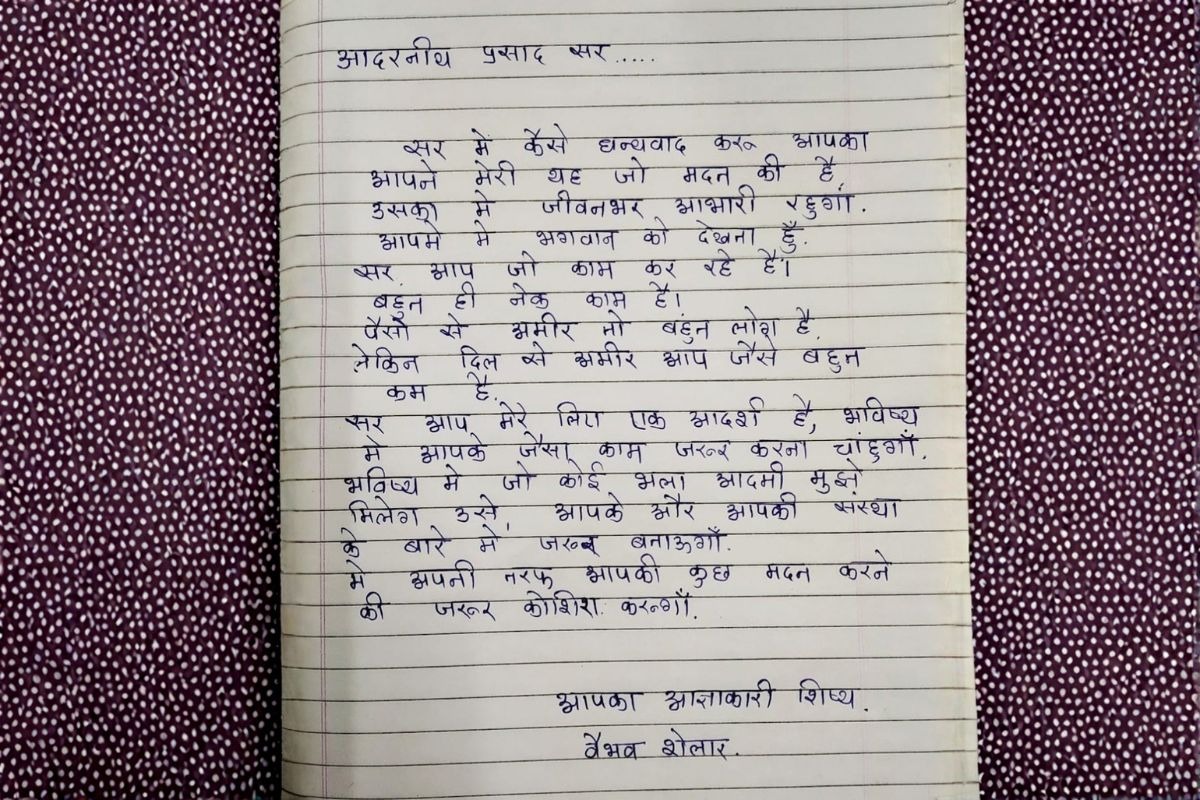
Success is not measured only in numbers. The trust’s website lists beneficiaries year by year, allowing donors to track progress. The results speak louder than certificates.
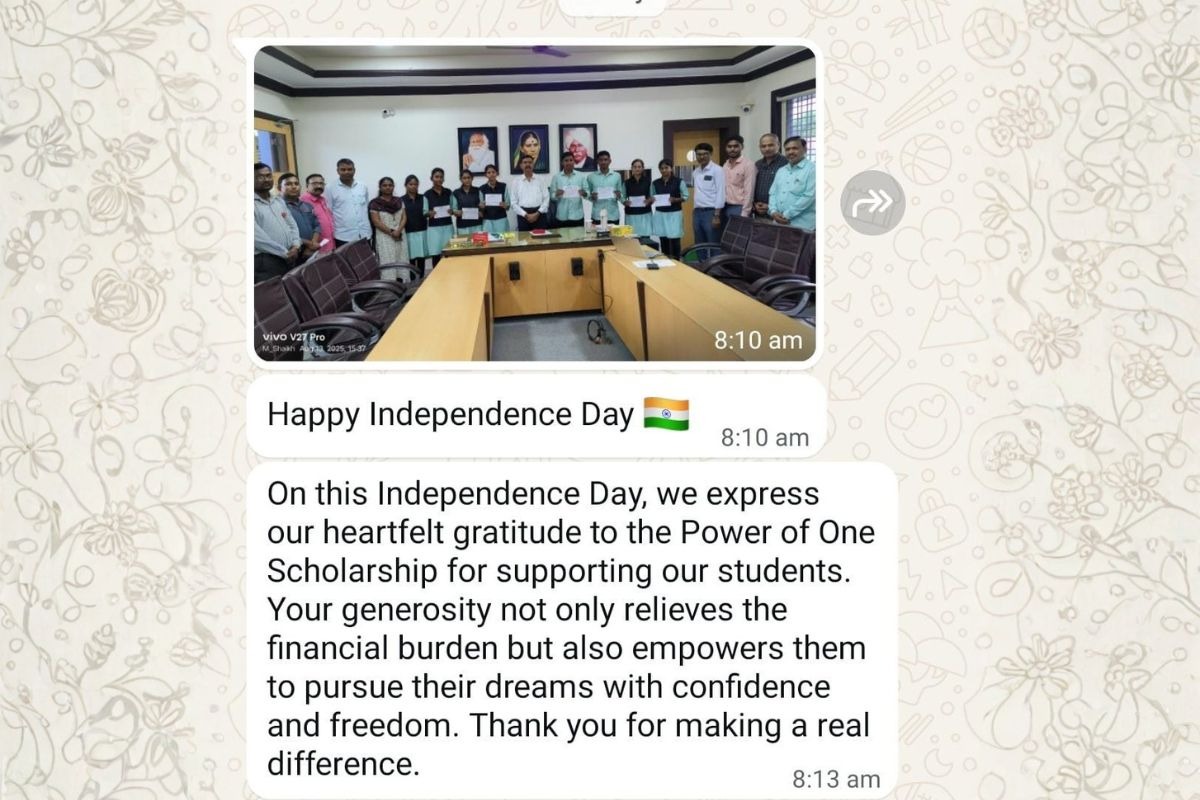
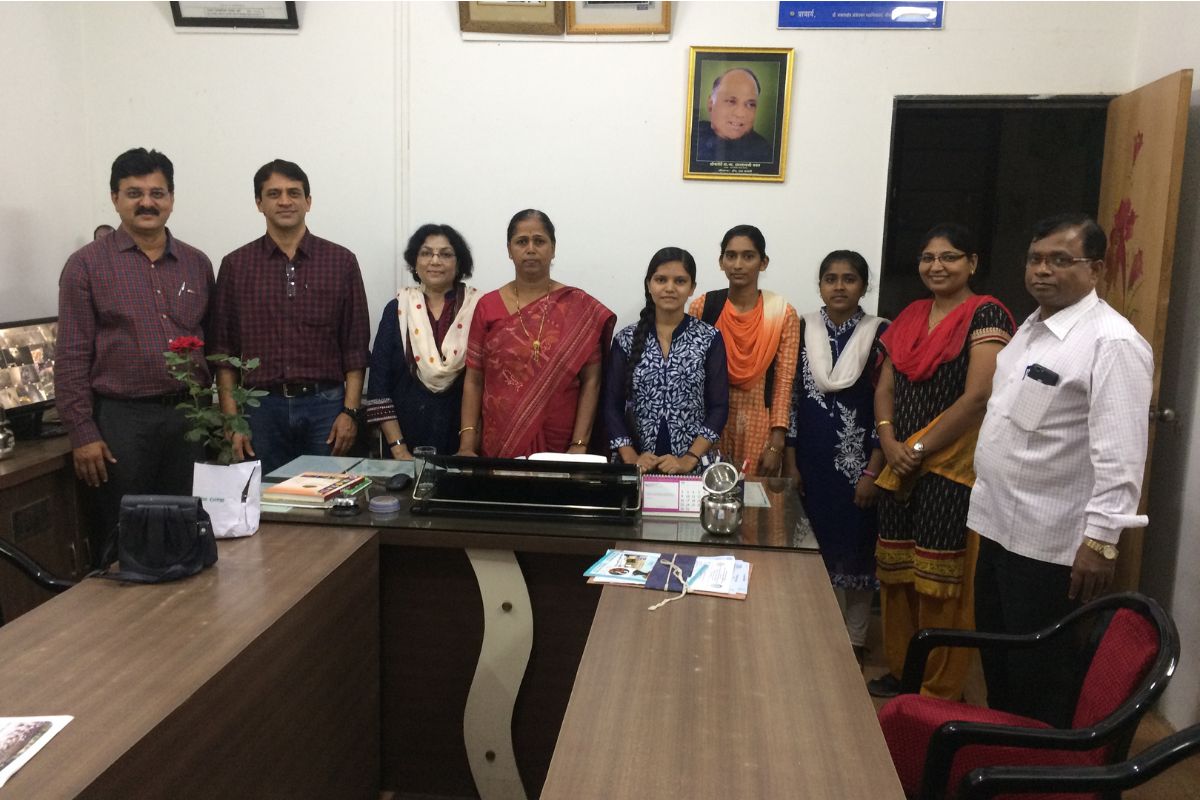
One student, after receiving support for his final CA course fees of 10,500 rupees, secured All India Rank 15. Another graduate from Modern College in Pune now works as a lecturer in statistics at the same institution. A student from Gokhale Institute of Politics and Economics found employment in a good company shortly after graduation.
“A lot of students who felt like dropping out of college are now employed with good companies,” Prasad shares. “That impact matters more than anything else.” He recalls one particular case. A student reached out, desperate for help. His father ran a small medical store but could not afford the fees. Prasad checked references, verified the need, made an exception to his usual criteria, and paid the fees. The gamble paid off spectacularly.
Women at the Helm
Rekha Krishnan, as Secretary and Executive Director, plays a vital role. The trust recognises that sustainable change requires diverse leadership. Women bring perspectives that strengthen charitable work, particularly in education, where understanding family dynamics proves crucial. The couple works together on this mission, each contributing their strengths to ensure students receive the support they need.
Challenges in the Education Landscape
When asked about the biggest challenges facing underprivileged students, Prasad looks beyond immediate financial constraints. “I believe the education system should change,” he says thoughtfully. “Colleges do not teach students how to become entrepreneurs. People with industry experience should teach, sharing real-world knowledge.”
He practices what he preaches. From 2016 to 2020, during his sabbatical, he regularly visited colleges to share industry insights with students. “There is a gap between academia and the corporate world,” he observes. “To minimise this, colleges should invite people from industry to share experiences. If not for tuition, at least arrange sessions where corporate professionals tell students what to expect.”
The Role of Community
The trust survives on voluntary contributions. Prasad does not dictate amounts.”It should come from within,” he explains. “I should not be telling you to give 500 or 1,500 rupees. People contribute what they feel is right. Some give monthly, some yearly. It is like tipping generously at a restaurant, but here you are investing in someone’s future.”
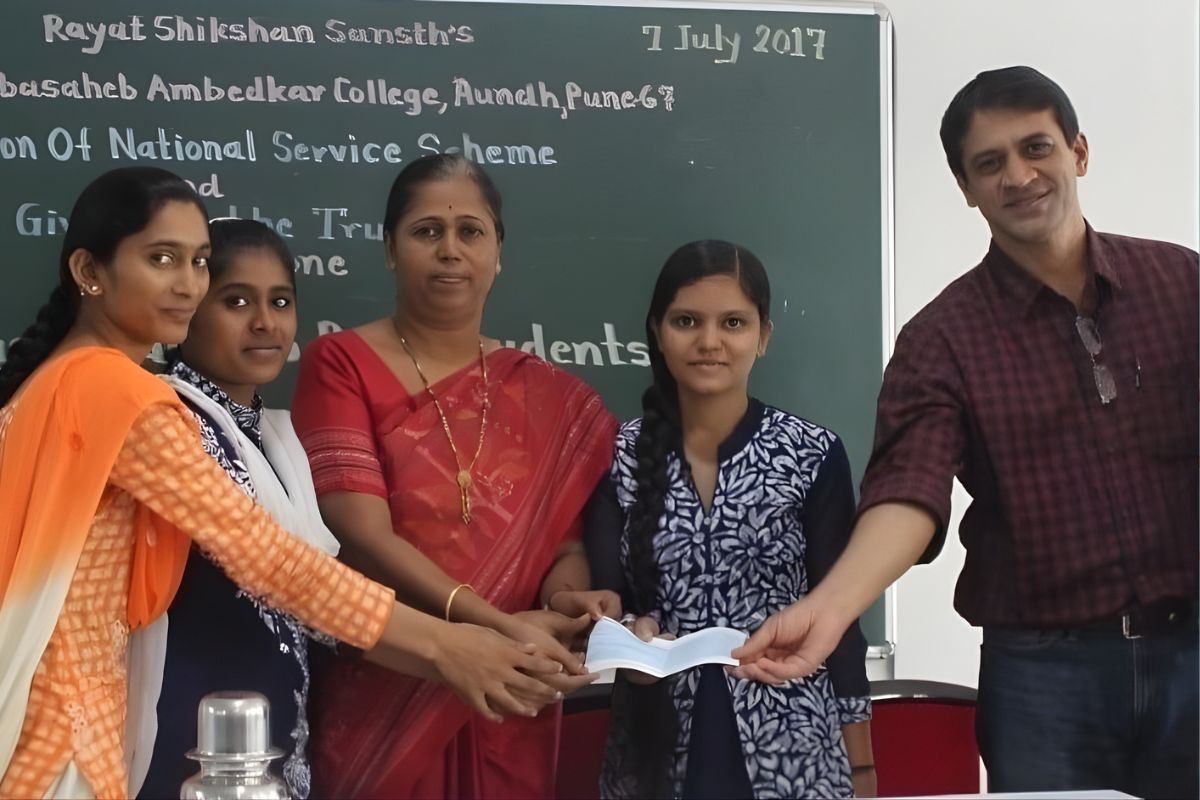
Word spreads organically. Students find the trust through Google searches or personal recommendations. Principals and professors connect deserving students with Prasad. His own niece in Bangalore helped her maid’s daughter get support.For those wanting to volunteer, Prasad has clear advice. “Spread the word. Let people know this trust exists. Help us identify students who need support. That itself is valuable voluntary work.”
Looking Forward
Prasad dreams bigger. Medical education, prohibitively expensive for most families, tops his expansion Wishlist. “I would be thrilled if we could pay fees for somebody studying medicine,” he says. “When you help someone become a doctor, you are indirectly helping save many lives. That multiplier effect appeals to me.”
Engineering and law, both expensive fields, also feature in plans. With more donors, the trust could cover 50, 75, or even 100% of the fees for deserving students in these streams. But expansion will not compromise principles. No office rent. No salaries. No commercial gain. The model remains pure and straightforward.
The Philosophy Endures
Mahatma Gandhi said, “Be the change you want to see in the world.” Prasad Narayan embodies that philosophy. What started as a newspaper article about collective contribution has become a living example of individual impact. The trust does not just pay fees. It restores dignity, validates merit, and proves that poverty need not determine destiny. Every student supported represents a family lifted, a community inspired, a future reclaimed.
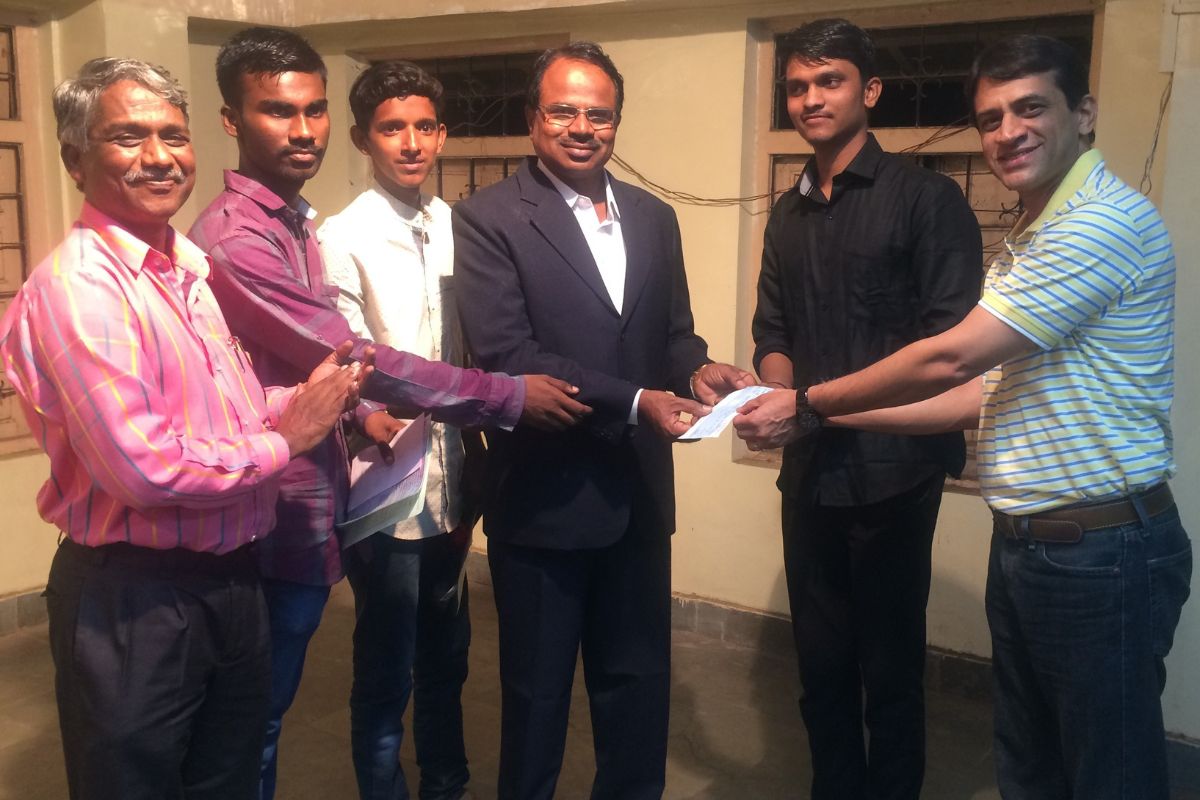
“Many people thank me,” Prasad reflects. “But I want to thank all the donors. Without them, we would not have reached this stage. It is a classic win-win situation.” Three hundred and thirty-three students. Thirty-one lakh rupees. Nine years of consistent effort. Minimum overhead costs. Complete transparency. These numbers tell only part of the story.
The real story lives in the young CA who aced his exams, the lecturer teaching the next generation, and the countless graduates now earning respectable salaries and supporting their families. These are the legacies of one rupee, multiplied by belief, sustained by trust, and amplified by collective goodwill.
The Power of One proves that meaningful change does not always require massive resources. Sometimes it just needs one person willing to start, one community willing to support, and one rupee given with genuine intent. As Prasad continues his work from home, without fanfare or infrastructure, he demonstrates that the most powerful trusts are not built on buildings but on belief. And in a country where talent often drowns in poverty, that belief becomes the difference between a wasted gift and a realised dream.
Also Read:Project Ecosanitation Transforms Menstrual Health Across India
You can connect with DNN24 on Facebook, Twitter, and Instagram and subscribe to our YouTube channel.