

Three centuries ago, stone masons in the Chug Valley built a house that would outlast empires. The structure stood through British colonial rule, Indian independence, and the slow creep of modernisation into the eastern Himalayas. By 2023, the building had become a ruin. Then eight Monpa women arrived with an audacious plan: transform the ancestral home into a restaurant serving foods their grandmothers could barely remember.
The venture, named Damu’s Heritage Dine after the local word for daughter, now serves meals that had nearly vanished from living memory. Dishes featuring tree resins, hand-pressed noodles, and foraged mountain herbs arrive on wooden plates in a dining room where yak butter lamps once flickered. The project resurrects not just recipes but an entire culinary philosophy shaped by altitude, isolation, and Buddhist tradition.
The Monpa Settlement and Traditional Diet
The Monpa people live in the Tawang and West Kameng districts of Arunachal Pradesh, on the Himalayan slopes south of Tibet. Historical records describe them as an Indo-Tibetan ethnic group whose survival depended on yak herding and subsistence farming. Their ancestors cultivated millet, barley, buckwheat, and Maize on terraced fields, supplementing harvests with kidney beans and whatever the forests provided.
Geography dictated diet. Villagers foraged for herbs, berries, mushrooms, and game meat during warmer months. Yak dairy products became dietary cornerstones: chhurpi cheese, ghee, and curd appeared in most meals. Buddhist teachings discouraged animal slaughter, though practical necessity often overrode religious preference in the harsh climate.
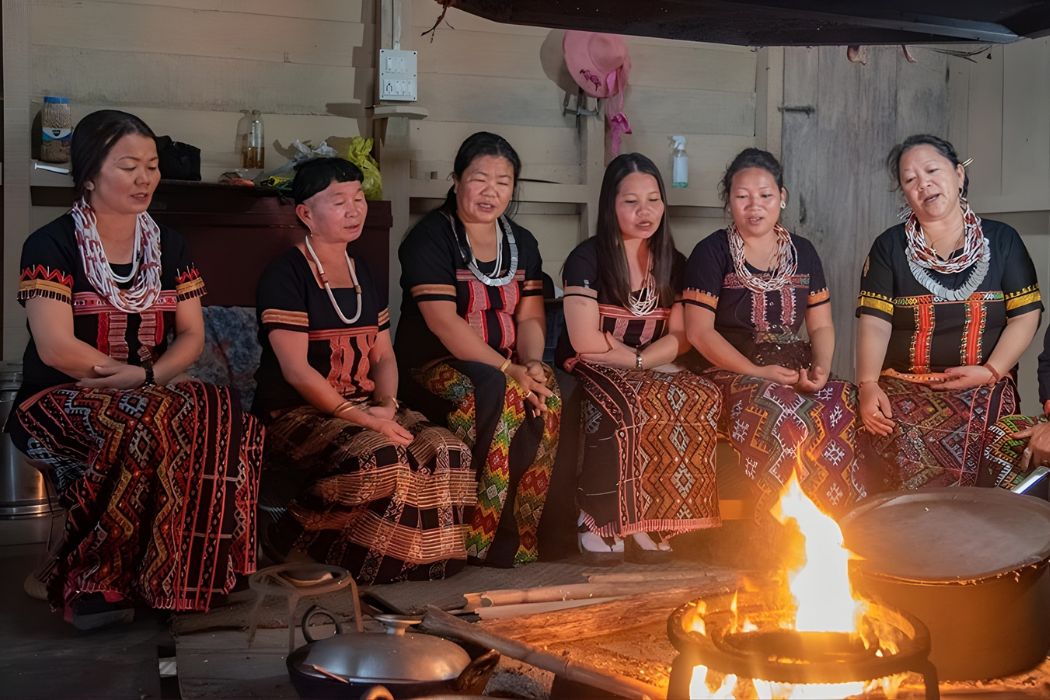
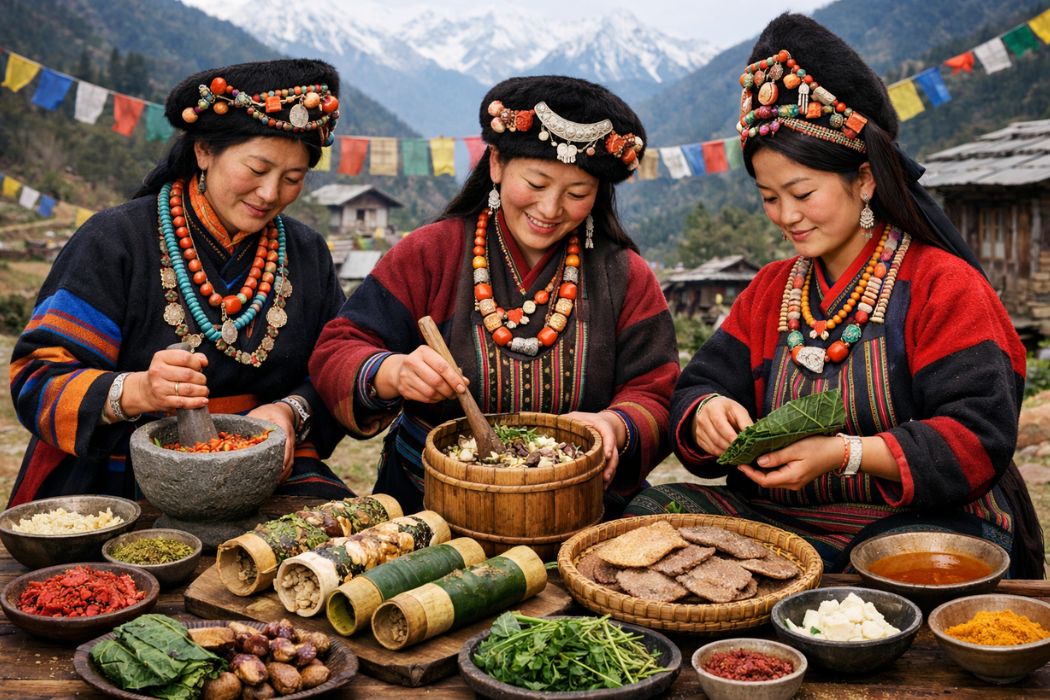
Traditional recipes reflected environmental demands. Barley and buckwheat dumplings stuffed with vegetables or yak meat sustained families through mountain winters. Thukpa, a soup made from roasted maize, dried radish, kidney beans, yak meat, and Sichuan peppercorns, is simmered for hours over an open fire. Fermented soybean chutneys and wild pear preserves filled stone storage jars. Alcoholic beverages distilled from local grains warmed bodies against subzero temperatures.
Elders recall treks over many days to barter crops for yak products. Rice, now ubiquitous, arrived in the region only within the past several decades. The Monpa economy functioned through exchange rather than currency until recent times.
Erosion of Indigenous Food Systems
The 1960s brought border conflicts between India and China that fundamentally altered Monpa life. Military bases required road construction. Supply chains followed, delivering wheat flour, cooking oil, commercial spices, and vegetables like cauliflower and tomatoes to villages that had never seen them. The transformation accelerated in the 1980s when the Public Distribution System flooded communities with subsidised rice and wheat.
Labour-intensive crops fell out of favour. Finger millet, which required careful processing, disappeared from fields as farmers switched to easier alternatives. Young people migrated to cities for education and employment, breaking the oral transmission of culinary knowledge. Cash crops replaced heritage varieties. Within a generation, recipes that had sustained the Monpa for centuries existed only in fragmented memories.
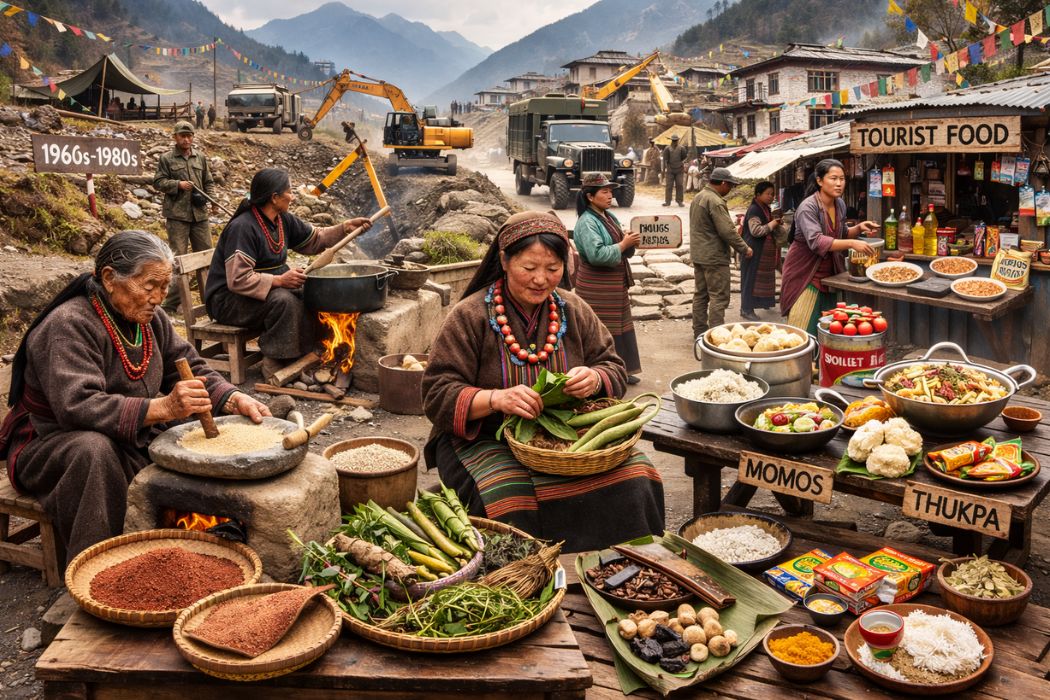
Tourism compounded the problem. Visitors expected momos and thukpa made with refined flour, products that are easier to produce than authentic millet wraps or hand-pressed barley noodles. What outsiders called Monpa food bore little resemblance to actual traditional cuisine. Skills like extracting resin from lacquer trees, once common, became rare. The forests that provided ingredients faced neglect as their culinary value diminished.
Creation of the Heritage Restaurant
WWF India’s Community Conserved Areas project partnered with Chug Valley residents to preserve both natural and cultural heritage. Eight women, recognising that their grandmothers’ recipes might die with the eldest generation, formed a collective to address the crisis. Rinchin Jomba, whose millet momo won a competition during the 2023 International Year of Millets, emerged as the leader.
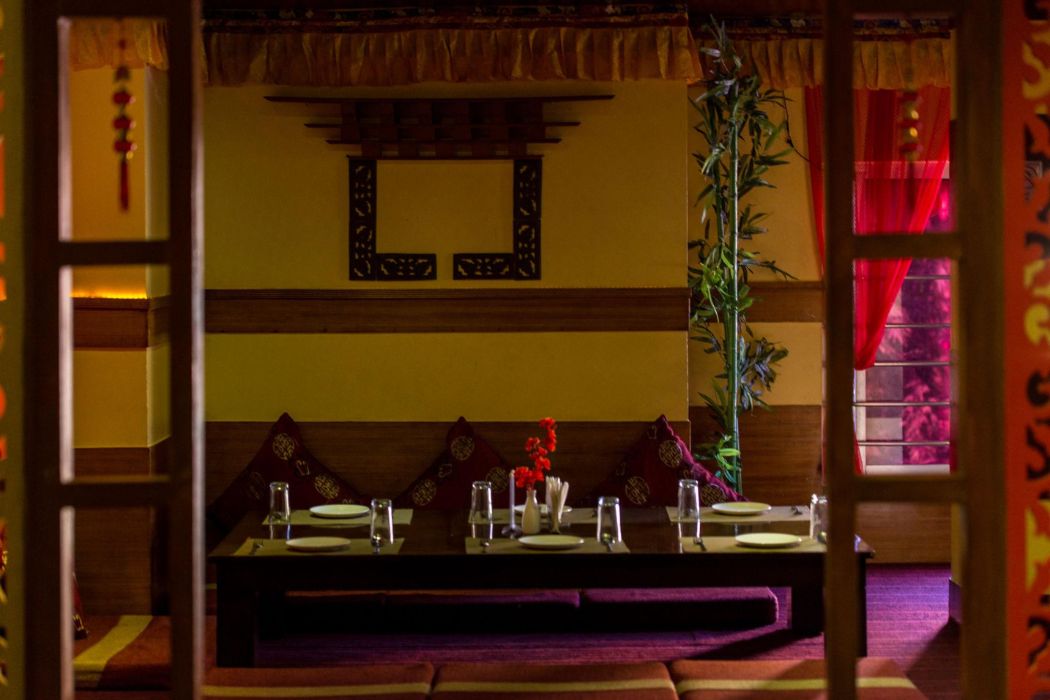
The group selected Rinchin’s abandoned family home for restoration. The 300-year-old stone structure featured traditional Monpa architecture and original construction details. Rather than modernise, the women preserved authentic features, creating a space that functioned as both a museum and a working kitchen. WWF program coordinator Nishant Sinha identified a market opportunity along the Guwahati-Tawang tourism corridor, where travellers sought authentic cultural experiences.
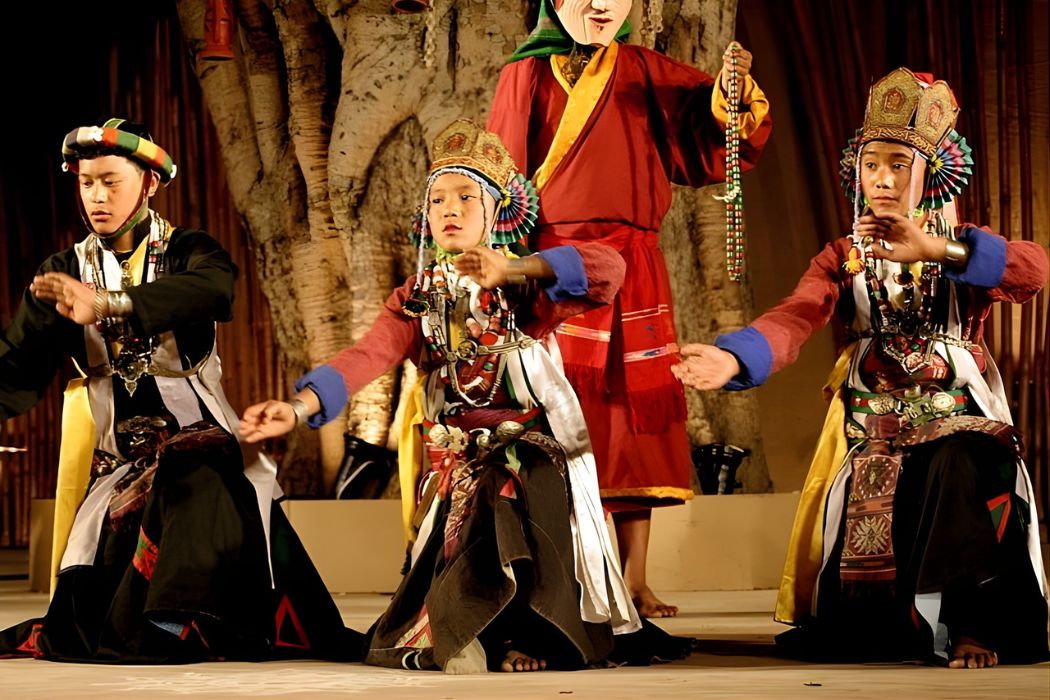
Operations began approximately one year ago. The women interviewed elderly villagers to reconstruct childhood dishes from memory. Initial ingredient sourcing required external purchases, but growing demand has encouraged local farmers to resume cultivation of heritage grains. Damu’s now offers seven to eight-course meals that change with seasonal availability of foraged items.
Reconstructed Traditional Dishes
The menu showcases techniques and ingredients that nearly disappeared. Meals begin with phurshing gombu, a corn tart filled with oleoresins extracted from Chinese lacquer trees. The resin, once used medicinally for pain and respiratory ailments, requires careful handling to avoid allergic reactions. Only one villager in the valley still possesses the knowledge of extraction.
Takto shing khazi puttang arrives next: buckwheat noodles made using a wooden press, tossed with taro roots, water celery, and fermented soybean chilli chutney. The dish demands substantial skill. Noodle consistency must allow it to pass through the press without breaking. Fermentation timing affects the chutney’s pungency. Taro requires proper preparation to remove natural irritants.
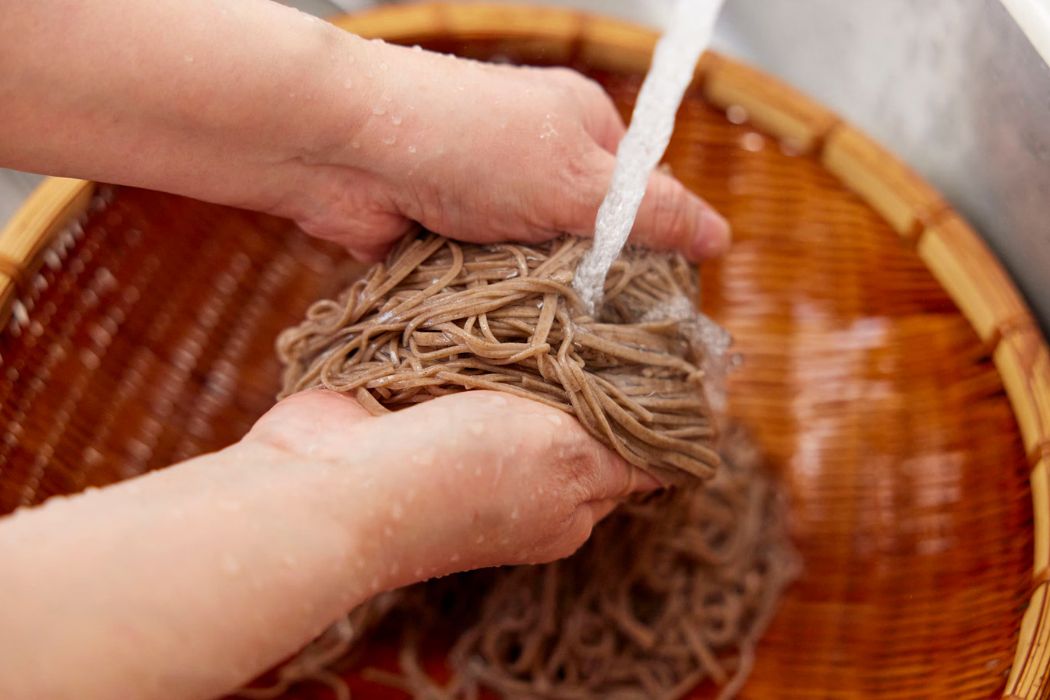
Other courses include millet momos filled with potatoes and onion greens, buckwheat thukpa, khurba pancakes served with wild pear marmalade, and red rice fried in yak ghee with walnuts and jaggery. Chicken ginger ghee stew, kidney bean stew, and pumpkin glass noodle combinations round out typical offerings. Apple tea and mountain greens provide lighter accompaniments.
Each dish carries cultural significance beyond flavour. Salt once required arduous journeys to obtain, making preservation through fermentation essential. Dairy products from yak milk provided protein during months when fresh meat proved scarce. Forest ingredients connected meals to the landscape in ways that purchased goods never could.
Operations and Cultural Impact
The women gather fresh ingredients daily, foraging in nearby forests and sourcing from local farms. Cooking occurs over wood fires in the traditional kitchen, with meals served to small groups. The presentation emphasises storytelling: each dish comes with explanations of its history and preparation methods.
Residents have responded with unexpected emotion. Middle-aged and elderly visitors encounter flavours absent from their own kitchens for decades, prompting tears and animated reminiscences. Younger Monpas discover cuisines their parents never learned to cook. The experience challenges tourist stereotypes while educating them on authentic heritage.
Economic effects extend beyond the eight women. Farmer demand for buckwheat and millet seeds has increased. Forest protection gains community support as ingredient value rises. The project provides sustainable income that reduces pressure for urban migration, aligning with WWF conservation goals by linking biodiversity to tangible benefits.
Tourists arriving from India’s plains and international destinations praise the restaurant as a highlight of Himalayan travel. Media coverage has amplified reach, with food writers and cultural documentarians visiting to record the revival. The women’s success has inspired discussions about replicating the model in other indigenous communities facing similar culinary erosion.
Challenges and Prospects
Sourcing rare ingredients remains difficult. Training younger generations requires patience, as traditional techniques demand practice to master. Climate variability and valley accessibility create agricultural challenges, though rising demand provides an incentive for cultivation.
As of early 2026, Damu’s Heritage Dine continues operations with growing recognition. WWF considers scaling the model to other regions where indigenous food knowledge is at risk of extinction. The eight women have demonstrated that heritage preservation can generate income while honouring ancestors.
The 300-year-old house, built by hand, serves meals its original inhabitants would recognise. In a valley where modern roads threaten to erase the past, this represents a small but significant victory for preserving the culture.
Also Read:Kachri Melon: A lifeline for Desert Habitats
You can connect with DNN24 on Facebook, Twitter, and Instagram and subscribe to our YouTube channel.