

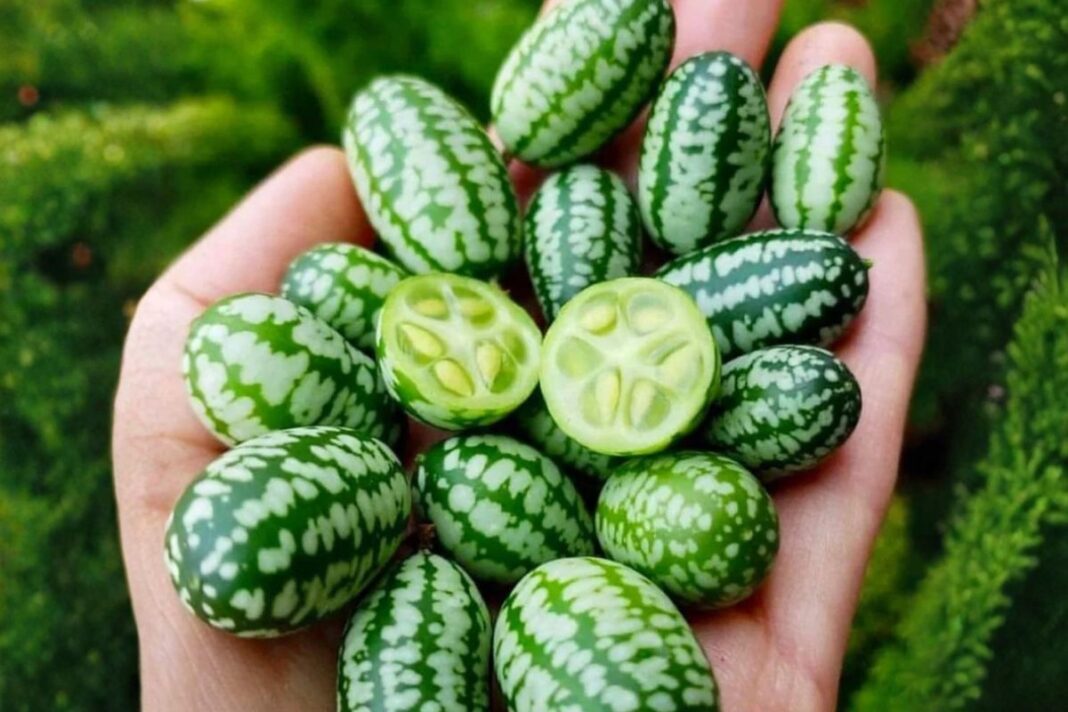

Kachri Melon, A golf ball-sized fruit that grows wild across the Thar Desert has kept Rajasthani communities fed for centuries, flourishing where most crops perish under relentless heat and water scarcity.
Desert Survivor with Scientific Credentials
Kachri, known to botanists as Cucumis callosus, belongs to the Cucurbitaceae family and grows as an annual creeping vine across the arid landscapes of northwest India. The plant sends out hairy stems that stretch 40 to 80 centimetres across sandy ground, producing triangular, lobed leaves measuring 2 to 5 centimetres and small yellow flowers approximately 2 centimetres wide.
The fruits range in size from a golf ball to a small apple, with yellowish-green to brown skin marked with mottled patterns or stripes. When unripe, they deliver a sharply sour taste. As they mature, the flavour develops into a sweet-tangy profile with notes of both melon and cucumber. This stands in marked contrast to tumba, a bitter relative that grows in a similar climate.
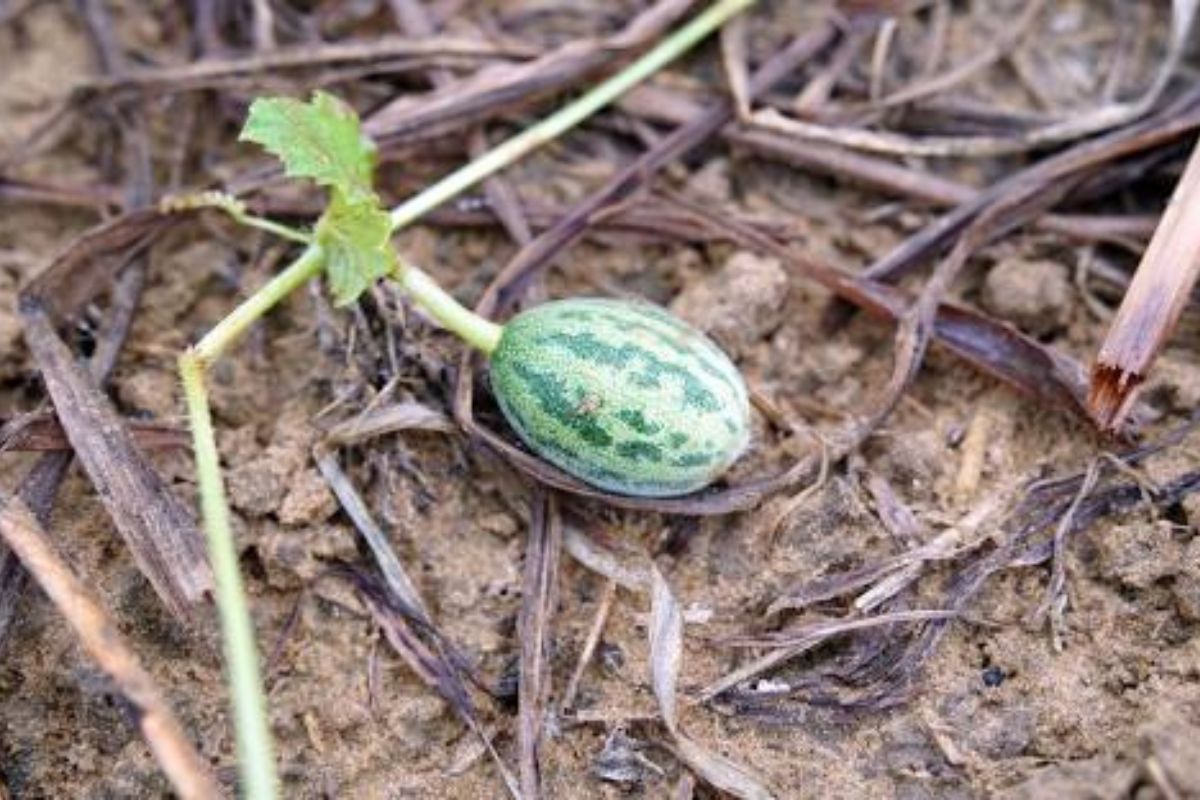
The mesocarp of kachri contains exceptional protein levels of 38.12 percent and ash content of 9.02 percent. Wild populations flourish throughout Rajasthan and Gujarat, particularly in semi-arid zones where monsoon rains trigger rapid growth cycles.
Growing Conditions and Agricultural Methods
The vine demonstrates remarkable tolerance to sandy, nutrient-depleted soils under extreme heat and drought. Plants require minimal water or human intervention, with vines sprawling close to the ground to conserve moisture when scorching winds sweep across the desert. Wild kachri naturally appears in districts including Barmer, Jodhpur, Bikaner, and Ajmer after a brief rainfall, producing abundant harvests without irrigation infrastructure.
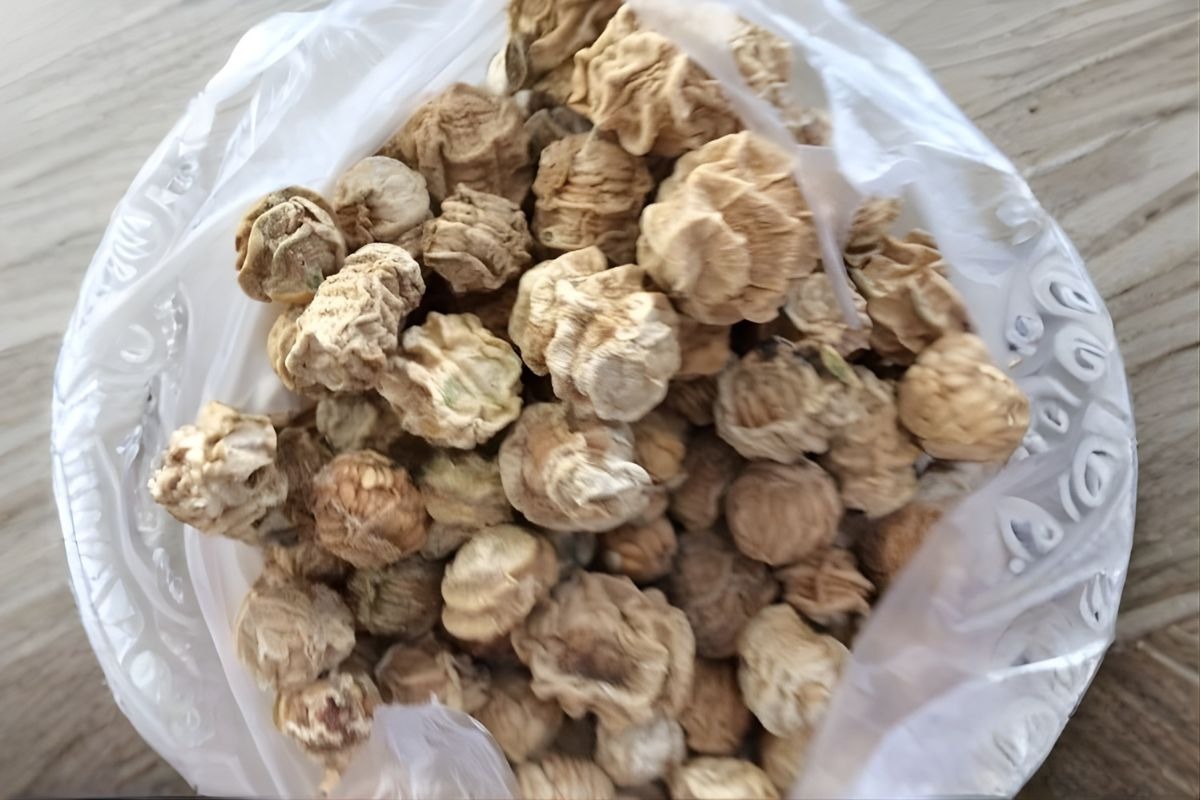
Farmers often intercrop kachri on marginal lands, where the vine helps prevent soil erosion and enhances local biodiversity. The crop is well-suited to organic farming methods because it resists pests without the need for chemical treatments. Peak harvest occurs from July through September, with sun-drying techniques extending shelf life for year-round use.
Traditional Culinary Applications
Rajasthani cooks have relied on kachri’s distinctive tangy character for generations. Before the 1980s, foraging provided the primary source of food in desert regions when fresh vegetables were scarce. Communities paired kachri with ker berries and sangri beans as staple foods.
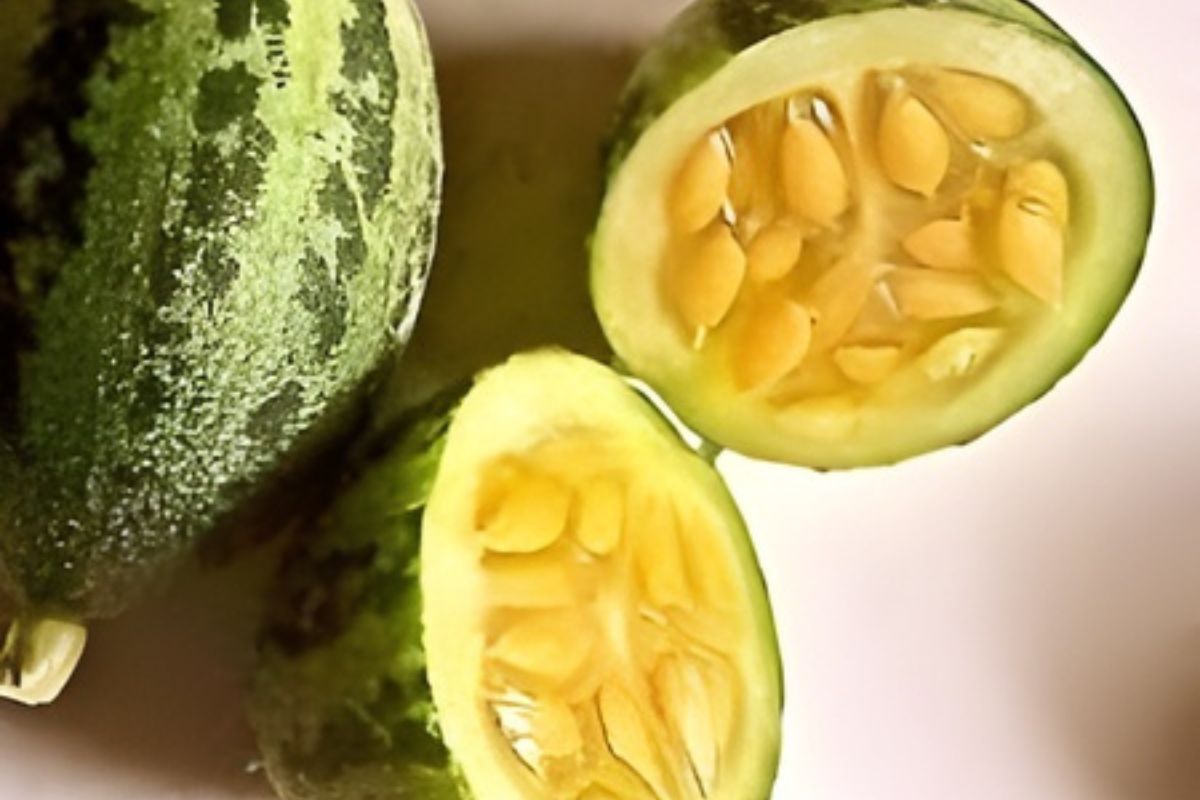
Fresh kachri is used raw in salads, ground into chutneys, or prepared as kachri mirch, a combination with green chillies, garlic, and spices served alongside barley flatbreads. Dried and powdered forms serve multiple purposes in regional cooking. The powder tenderises meat in kebabs and curries through enzymatic action. Cooks add it to ker sangri dishes, gatte ki sabzi dumplings, and preserves known as kachri ka achar.
Regional recipes include stuffed kachri ki sabzi, where cooks fill the fruits with spice mixtures containing cumin, asafoetida, and turmeric. Kachri phali ki sabzi pairs the fruit with boiled beans in a savoury preparation. Even small quantities introduce pronounced sour-sweet flavours to dishes across arid cuisines.
Nutritional Composition and Dietary Value
The high water content provides crucial hydration in desert environments where moisture remains scarce. Kachri delivers substantial quantities of vitamins A, C, and K, which support immune function, skin health, and vision. The mesocarp provides 38.12 milligrams of protein per gram and 8.01 per cent dietary fibre, while remaining low in calories.
Seeds contain concentrated sources of energy, including fats, carbohydrates, and essential minerals. Analysis reveals potassium levels of 7,589 milligrams per litre, calcium levels of 2,417 milligrams per litre, and magnesium levels of 4,516 milligrams per litre. Antioxidant compounds help combat oxidative stress, while fibre content aids digestive processes and prevents constipation.
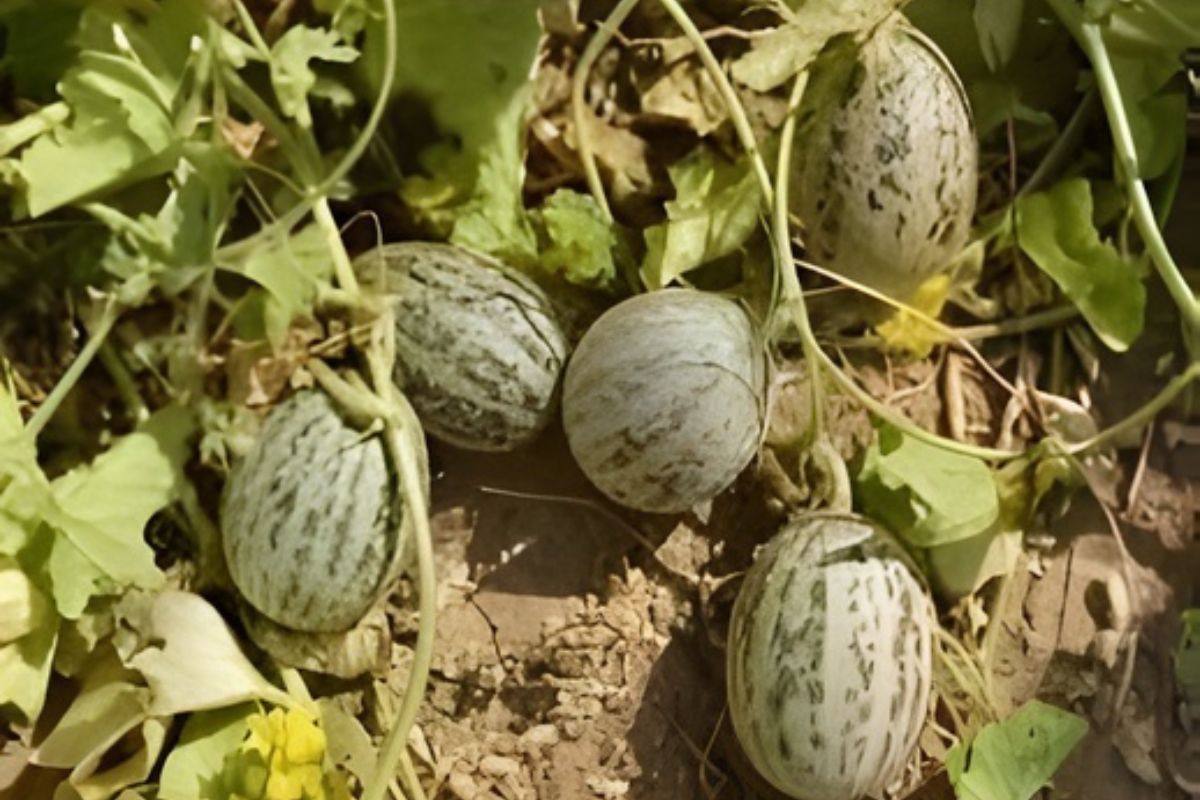
The minimal maintenance requirements position kachri as a sustainable source of nutrition for populations facing climate challenges and agricultural limitations.
Medicinal Properties and Traditional Remedies
Ethnic communities across Rajasthan and Gujarat have incorporated dried kachri fruits into folk remedies for urinary tract conditions. Traditional uses target urethral irritations, urine retention, dribbling, and kidney stones. Modern research has begun validating these applications through controlled studies.
Laboratory trials using rat models tested a hydro-ethanolic fruit extract at 250 mg/kg. Results showed reduced oxalate excretion, restored urine pH and volume, and lowered blood urea and creatinine levels. The extract decreased kidney crystal deposits through antioxidant mechanisms that boost glutathione and catalase levels while reducing lipid peroxidation.
The compound downregulates osteopontin expression, thereby inhibiting stone formation with efficacy comparable to pharmaceutical preparations such as cystone. Natural diuretic properties help flush metabolic waste products from the system.
Folk medicine practitioners recommend kachri to stimulate appetite and relieve abdominal discomfort. Seeds treat bilious conditions through their cooling and astringent effect on mucous membranes. Tribal communities in Odisha apply fruit paste on scorpion stings. The plant is also used in traditional systems to treat various skin diseases.
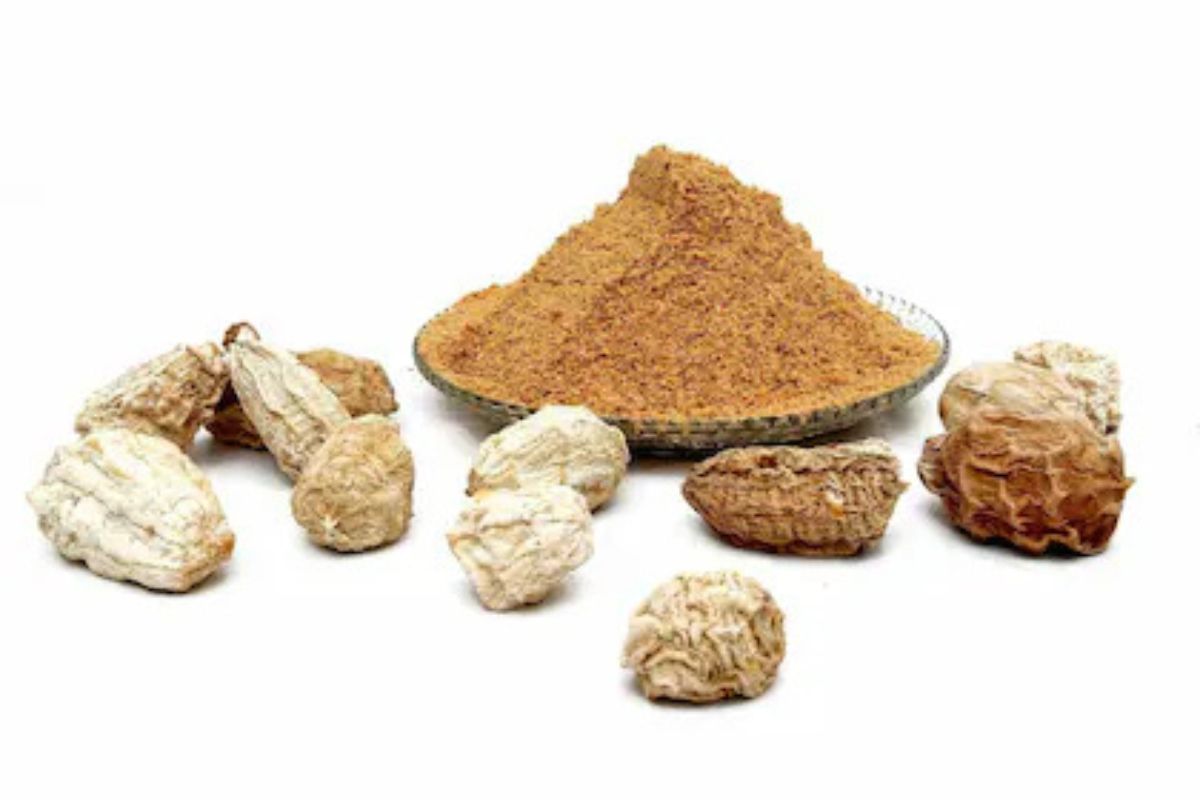
Ayurvedic and Unani medical traditions employ both fruits and leaves for treating infections. Emerging research suggests potential applications in diabetes, cancer, and lipid disorders, as well as anthelmintic and liver-protective properties. Researchers have reported no toxicity in clinical trials, though consultation with qualified practitioners is advisable before medicinal use.
Care should be taken to avoid confusion with kapur kachri, derived from Hedychium spicatum rhizomes, which serves different therapeutic purposes.
Economic Impact and Cultural Preservation
Kachri has sustained desert populations for centuries, embodying resilience within Rajasthani cultural heritage. Knowledge of cultivation and preparation methods is passed down through families across generations. What began as a foraged staple before the 1980s is now cultivated commercially in Bikaner and Jodhpur districts, with fresh and dried products sold in regional markets and online.
The Indian Council of Agricultural Research facility in Bikaner has conserved 68 germplasm lines selected from 625 collected accessions between 1994 and 2012. This conservation work has produced uniform yields with a reliability exceeding 95 per cent. The crop provides livelihood support for small farmers while requiring minimal water inputs in a region facing severe water scarcity.
Sheherwali cuisine, which blends Marwari and Bengali traditions over three centuries, incorporates kachri as a testament to its cultural significance and adaptability.
Contemporary Applications and Agricultural Future
Climate resilience makes kachri increasingly valuable as aridification accelerates across India. The crop promotes sustainable farming practices and supports biodiversity in fragile ecosystems. E-commerce platforms have expanded market access beyond traditional geographic boundaries, while ongoing research is enhancing production technologies.
Rajasthan confronts mounting water management challenges that threaten conventional agriculture. Kachri demonstrates adaptive agricultural strategies through its status as a nutritious, low-input crop suitable for food security programs. Promoting wider cultivation preserves cultural heritage while addressing contemporary environmental and nutritional challenges through indigenous crop systems adapted to extreme conditions.
Also Read:Project Ecosanitation Transforms Menstrual Health Across India
You can connect with DNN24 on Facebook, Twitter, and Instagram and subscribe to our YouTube channel.