



When temperatures in Delhi touched 46°C last May and air conditioners were struggling to keep up, many Delhiites turned to a centuries-old practice: growing specific plants indoors to lower the temperature and improve air quality.
This tradition, based on Ayurvedic medicine and Vastu Shastra principles, offers measurable cooling benefits during brutal summer months. Research done by the Indian Institute of Science confirms that strategically placed houseplants can lower indoor temperatures by 2 to 5 degrees Celsius through natural evapotranspiration.
Plants as Cultural Practice
The presence of greenery in Indian homes extends beyond decoration. For generations, families have maintained Tulsi plants in courtyards, considering them sacred manifestations of the goddess Vrinda. The daily ritual of watering Tulsi at dawn serves both spiritual and practical purposes. The plant releases moisture into hot, dry air while filtering pollutants.
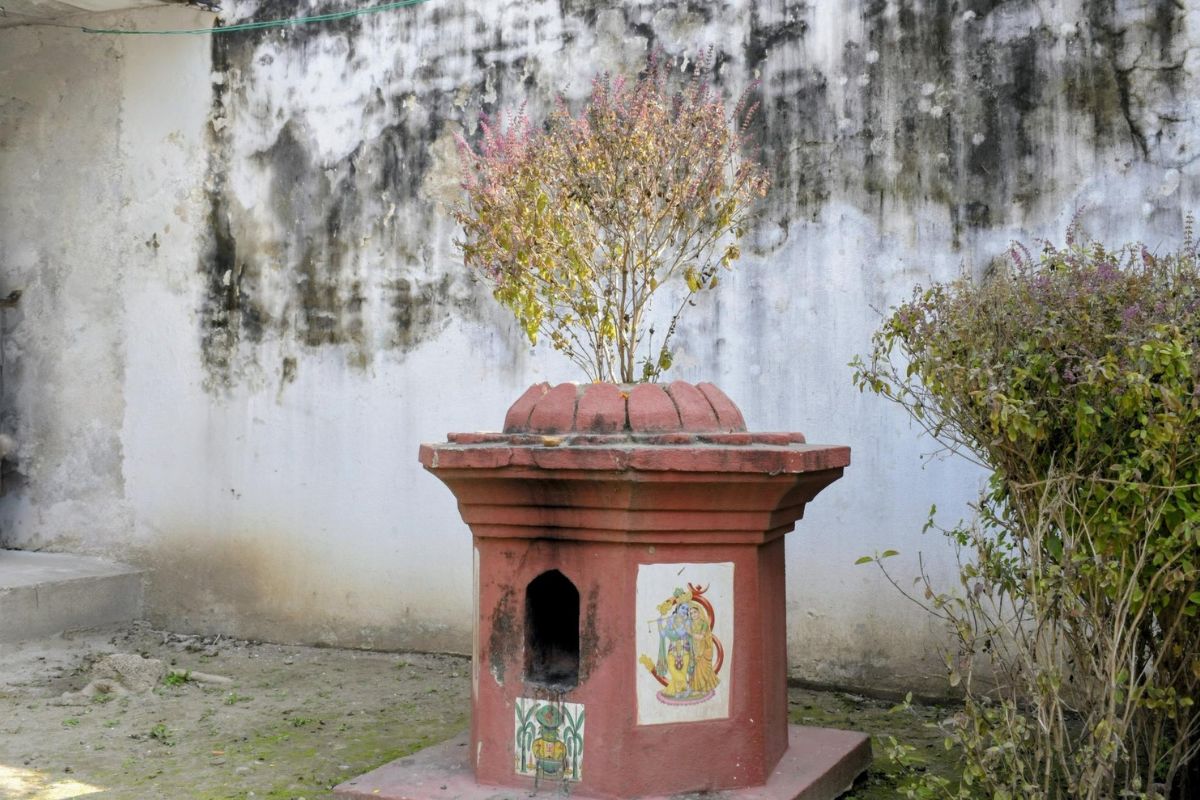
Vastu Shastra, the traditional Indian system of architecture, designates specific locations for cooling plants. The north and east corners receive priority for species such as Money Plant and Aloe Vera. These placements balance energies, creating microclimates that lower ambient temperatures.
Ayurvedic texts dating back thousands of years describe Ghritkumari (Aloe Vera) as a cooling agent for both topical application and environmental conditioning. Practitioners prescribed keeping the plant near sleeping areas to combat oppressive summer heat.
Selecting Heat-Resistant Species
Indian summers demand plants that tolerate extreme conditions. The following species have proven resilience in temperatures ranging from 40 to 45°C:
| Plant | Traditional Use | Cooling Mechanism | Maintenance |
|---|---|---|---|
| Tulsi | Daily worship rituals | Releases moisture and purifies air | Partial shade, daily water, terracotta pot |
| Aloe Vera | Ayurvedic burn treatment | Transpires stored water | Full sun, weekly water when dry |
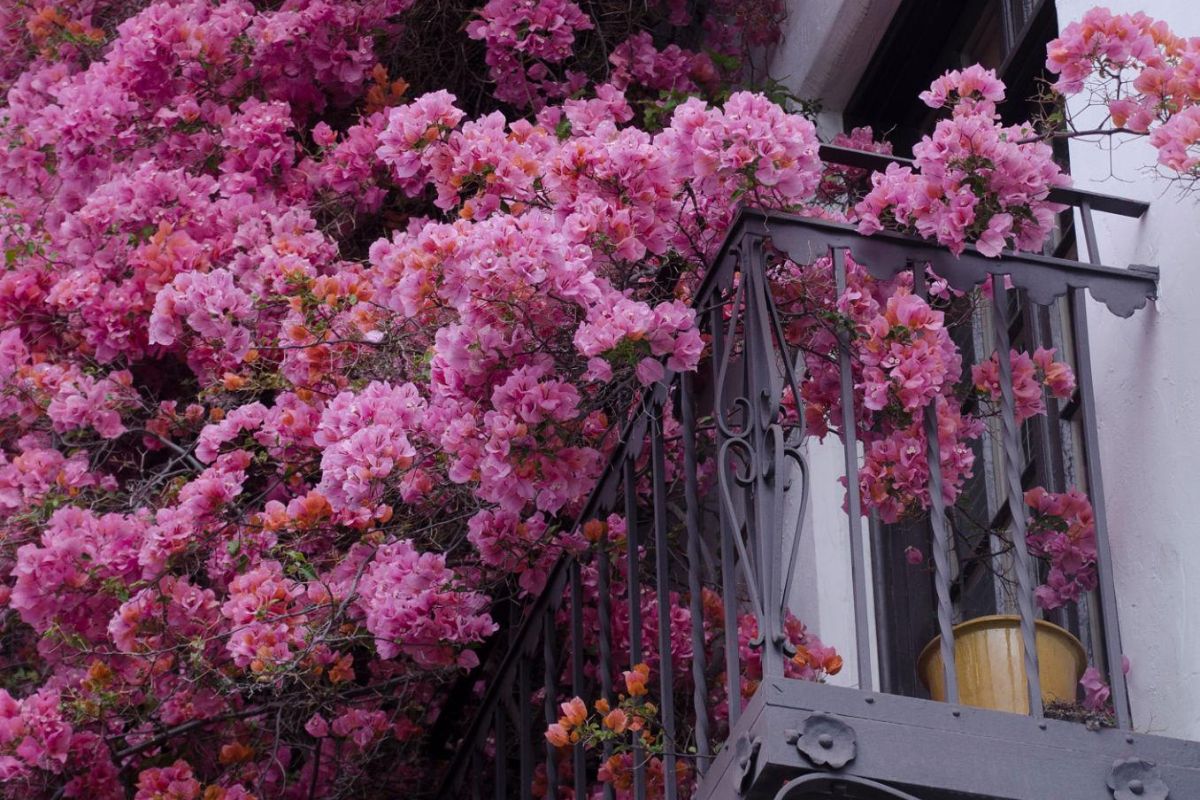
| Bougainvillea | Festival decorations | Dense foliage creates shade | Full sun, minimal water, balcony |
| Snake Plant | Bedroom placement | Night oxygen, humidity boost | Low light, biweekly water |
| Money Plant | Vastu wealth symbol | Filters toxins, trailing shade | Indirect light, water when dry |
Terracotta pots remain the preferred container. The porous clay allows soil to breathe and excess moisture to evaporate, mimicking conditions on traditional rural verandas.
Understanding Natural Cooling
Plants cool their surroundings through transpiration. This process moves water from the roots through the stems to the leaves, where it evaporates into the air. The phase change from liquid to gas absorbs heat energy from the environment.
Areca Palm functions as a biological humidifier. A mature plant can release nearly one litre of water into the atmosphere daily. Boston Fern and similar species with dense foliage create localised microclimates. When clustered together, multiple plants retain soil moisture more effectively than isolated specimens.
Summer Maintenance Methods
Watering is advised in the early morning between 5 and 7 AM, or after sunset past 7 PM. Midday watering can cause rapid evaporation and give a shock to the roots. Soil moisture can be tested by inserting a finger upto the second knuckle.
Mulching- using dried leaves, grass clippings, or coconut husk- is recommended. This ancient method reduces surface evaporation by up to 70 percent. Mulch should be spread in a layer approximately 3 centimetres thick around the plant base without touching the stem.
Pots should be grouped together to create mutual humidity. Placing them in partial shade, particularly avoiding south-facing windows that receive intense afternoon sun, helps. Leaves need to be wiped weekly with a damp cloth. Summer dust coats leaf surfaces and reduces photosynthesis efficiency.
Other tips include- Using well-draining soil mixtures combining garden soil with clay or cocopeat in equal proportions, avoiding repotting during peak summer months from May through June and preventing standing water in pot saucers to prevent mosquito breeding.
Strategic Placement Guidelines
Vastu Shastra offers specific recommendations for the placement of plants. North or east locations suit Tulsi and Aloe Vera. These directions provide morning sun without harsh afternoon western exposure.
Bedrooms should avoid vigorous growers such as Bougainvillaea. Balconies can accommodate a trailing Money Plant as living curtains. The cascading vines block direct sunlight, similar to traditional jaali screens, the perforated stone or latticed screens found in historical Indian architecture. Living rooms benefit from Areca Palms in corners. These locations showcase the plant while purportedly enhancing prana, the life force in Hindu philosophy.
Traditional Propagation
Plant propagation follows cultural calendars. Devotees plant Tulsi seeds during Chaitra Navratri, a Hindu festival celebrating spring renewal. Neighbours exchange Aloe Vera offsets like festival gifts. The plant produces small clones at its base that detach easily for sharing.

Money Plant propagates through stem cuttings placed in water jars. Roots develop within two weeks. Bougainvillaea layers ensure continuous blooms for Holi celebrations.
Contemporary Applications
Urban Indians combine plants with heritage cooling methods. Khus curtains, woven from vetiver grass roots, hang in doorways. When dampened, they release fragrant, cool air. Studies conducted in Delhi and Mumbai demonstrate that homes with plants alongside traditional cooling techniques reduce air conditioning use by approximately 20 per cent.
Rooftop gardens have returned to Indian cities. These installations echo village haats, the marketplace gardens that once supplied fresh produce and cooling shade to rural communities.
Creating Indoor Miniature Gardens
Terrariums offer a contemporary interpretation of traditional Indian miniature gardens found in temple courtyards. These contained ecosystems provide humidity benefits while requiring minimal space and water.
| Plant | Summer Adaptability | Cooling Function |
|---|---|---|
| Aloe Vera | Stores water in leaves | Releases stored moisture gradually |
| Jade Plant | Low water needs | Stabilizes humidity levels |
| Purple Heart | Thrives in heat | Provides foliage shade |
| Creeping Fig | Heat-tolerant | Purifies enclosed air |
| Snake Plant | Extremely hardy | Filters airborne toxins |
Avoid closed terrariums in summer. The sealed environment traps heat like a greenhouse, potentially killing plants.
Assembly Instructions
Gather recycled materials. Use a wide-mouth glass container, gravel for drainage, crushed barbecue coal as activated charcoal, succulent soil or sand mixed with cocopeat, and moss.
Layer materials carefully. Spread 2 centimetres of gravel across the bottom of the container. Add 1 centimetre of crushed charcoal. Place a thin layer of moss to separate the soil from the drainage layers. Add 3 to 5 centimetres of soil mixture, then tamp firmly. Plant small cuttings, ensuring roots make soil contact. Decorate with polished pebbles, then lightly mist. Total assembly time averages 30 minutes.
Terrarium Care and Comparison
Position terrariums in bright indirect light. East-facing windows provide ideal conditions. Water sparingly, approximately every two weeks. Provide air circulation during extreme heat above 40°C using a small fan.
| Feature | Open Terrarium | Closed Terrarium |
|---|---|---|
| Air circulation | High, releases heat naturally | Low, traps humidity and warmth |
| Heat management | Cools through evaporation | Traps heat, raises temperature 5-10°C |
| Suitable plants | Heat-tolerant succulents | Tropical ferns, prone to mold |
| Cooling effect | Mild evaporative cooling | Increases temperature |
High-Temperature Maintenance
Move containers away from direct sun, windowsills, and heat-producing appliances. Position on north-facing shelves. Apply moss or small pebbles as topsoil mulch to retain moisture in the subsoil.
Monitor plants for stress indicators. Wilting leaves, yellowing foliage, or excessive water droplets signal problems. Remove dead plant material immediately. The optimal temperature range is 15 to 30°C. Above 30°C, increase ventilation daily.
| Problem | Solution |
|---|---|
| Overheating | Relocate to shade, reduce light hours |
| Soil drying | Mist weekly, add mulch layer |
| Mold growth | Improve airflow, remove lid periodically |
| Weak stems | Gradually increase indirect light |
The integration of cooling plants into Indian homes represents practical wisdom accumulated over centuries. Modern research validates what traditional practice long demonstrated. Strategic plant placement, appropriate species selection, and culturally informed care techniques create measurable temperature reductions while maintaining connections to heritage practices. As climate patterns intensify summer heat, these methods offer sustainable alternatives to energy-intensive mechanical cooling.
Also Read:Kachri Melon: A lifeline for Desert Habitats
You can connect with DNN24 on Facebook, Twitter, and Instagram and subscribe to our YouTube channel.