
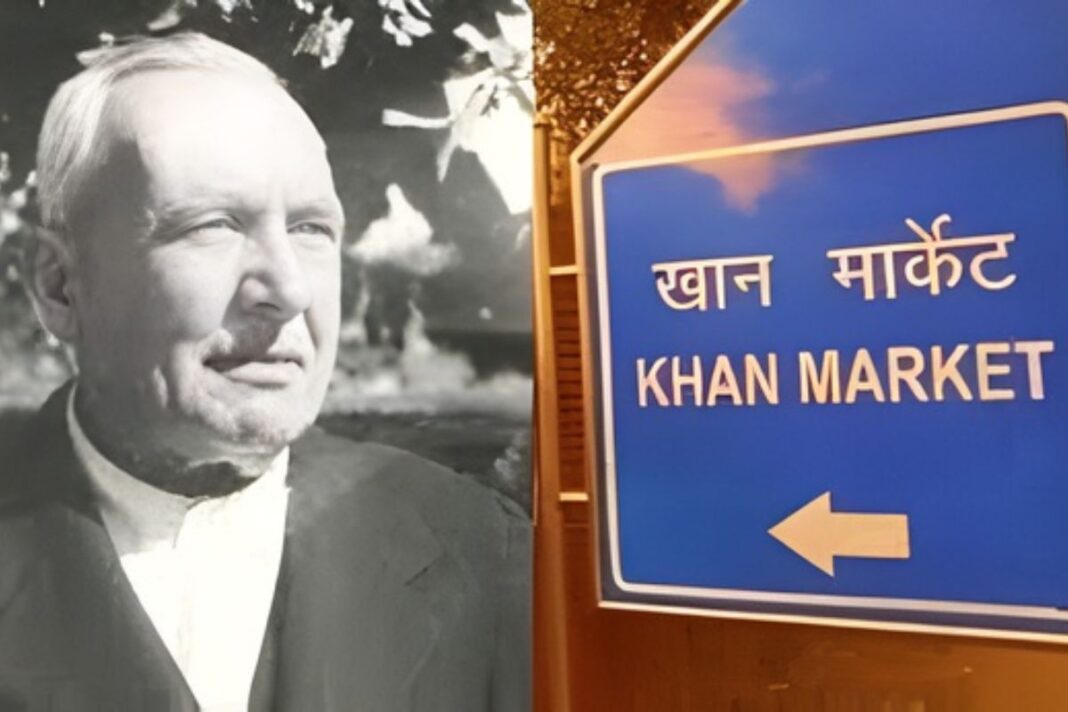

Khan Market, Delhi, stands today as one of the world’s most expensive retail addresses, yet its name belongs to a Pashtun doctor who never lived to see it honoured in India. Khan Abdul Jabbar Khan, who died in Lahore in 1958, left behind a legacy that endured the violence of Partition and quietly reshaped a modest refugee settlement into a luxury enclave where rents now rival Manhattan’s Fifth Avenue.
Born in 1883 in Utmanzai, a village in the Charsadda district of what was then the North-West Frontier Province, Khan Abdul Jabbar Khan belonged to the Pashtun Muhammadzai clan. His father, Bahram Khan, owned land in the region. Eight years older than his brother Abdul Ghaffar Khan, who would later be known as the Frontier Gandhi, young Jabbar Khan attended Edwards Mission High School in Peshawar before pursuing medicine. He enrolled at Grant Medical College in Bombay and completed his training at St Thomas’ Hospital in London, returning as Dr. Khan Sahib.
During the First World War, Khan Sahib served with the Indian Medical Service in France. There, he married Mary, a Scottish woman. After the war, he was posted to Mardan with the Guides regiment. In 1921, he resigned rather than participate in operations against Pashtun tribes in Waziristan. This marked his entry into politics, combining medical practice with advocacy for his people.
Political Career and Congress Leadership
Khan Sahib joined the Khudai Khidmatgar movement, the ‘Servants of God’ organization founded by his brother, which promoted non-violent resistance to British rule. Aligned with the Indian National Congress, he won election to the Central Legislative Assembly in 1935 alongside Peer Shahenshah. His focus was Pashtun rights and provincial autonomy within British India.
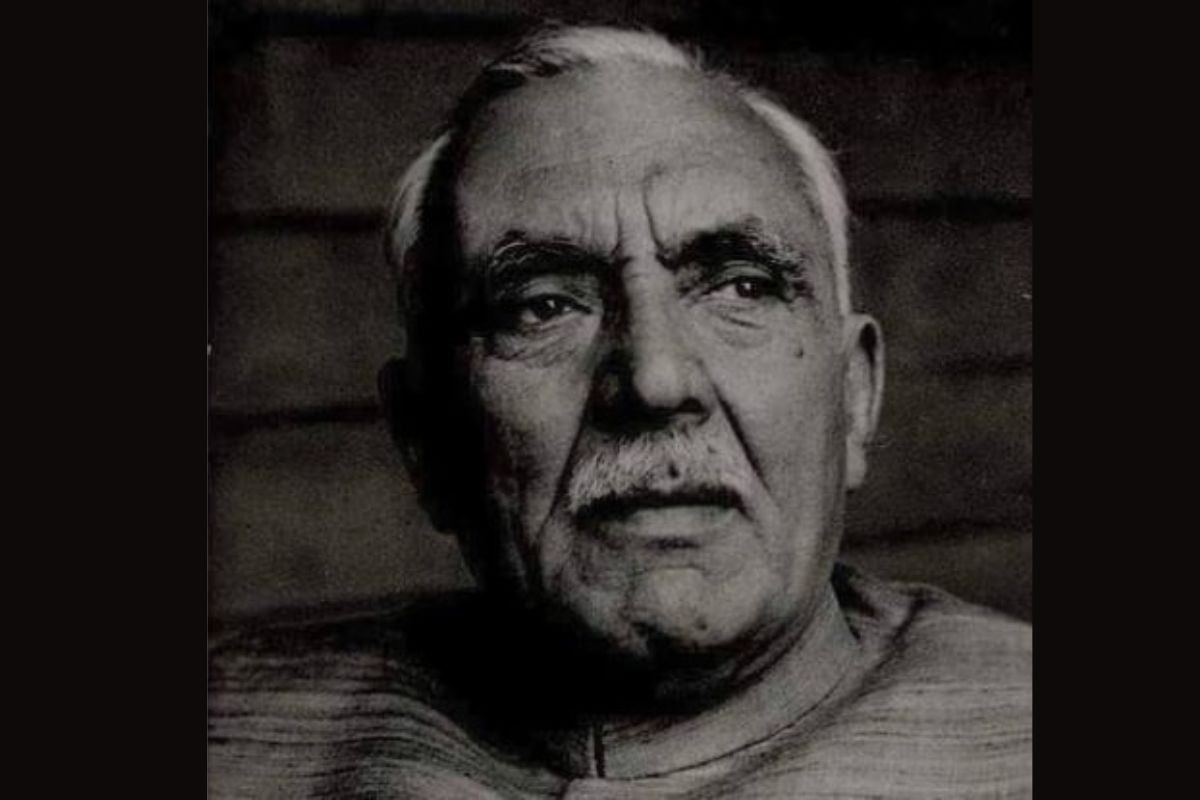
The 1937 provincial elections proved decisive. The Frontier National Congress, led by Khan Sahib, secured a commanding victory in the North-West Frontier Province. He became Chief Minister, a position he held until 1945 and again from 1946 to 1947. During this tenure, he governed with particular attention to minority protection. In one documented case in Hazara District, he imposed fines on entire villages following riots and ensured a Sikh woman’s safe return to her family despite protests from the Muslim League.
Opposition to Partition
As partition became inevitable in 1947, Khan Sahib and his brother took a firm stand. They boycotted the North-West Frontier Province referendum, arguing that the ballot’s limited options of joining India or Pakistan denied Pashtuns the right to independence or union with Afghanistan. Khan Sahib, as Chief Minister, used his administrative authority to facilitate the departure of Hindu and Sikh families facing violence in the communal riots that swept the province.
Historical records indicate that many refugee families credited Khan Sahib with arranging safe passage for them during the mass migrations of 1947. His interventions came as partition claimed over one million lives and displaced an estimated 14 million people across the subcontinent. For Hindu and Sikh refugees arriving in Delhi from the North-West Frontier Province, Khan Sahib’s role in their escape remained a vivid memory.
The Birth of Khan Market
In 1951, India’s Ministry of Rehabilitation constructed Khan Market in Lutyens’ Delhi, near Lodhi Garden and India Gate. The project addressed urgent housing needs for refugees from the North-West Frontier Province. The market took the form of a U-shaped, double-story complex containing 154 ground-floor commercial units and 74 first-floor residential flats. Each flat measured approximately 75 square yards and included two bedrooms.
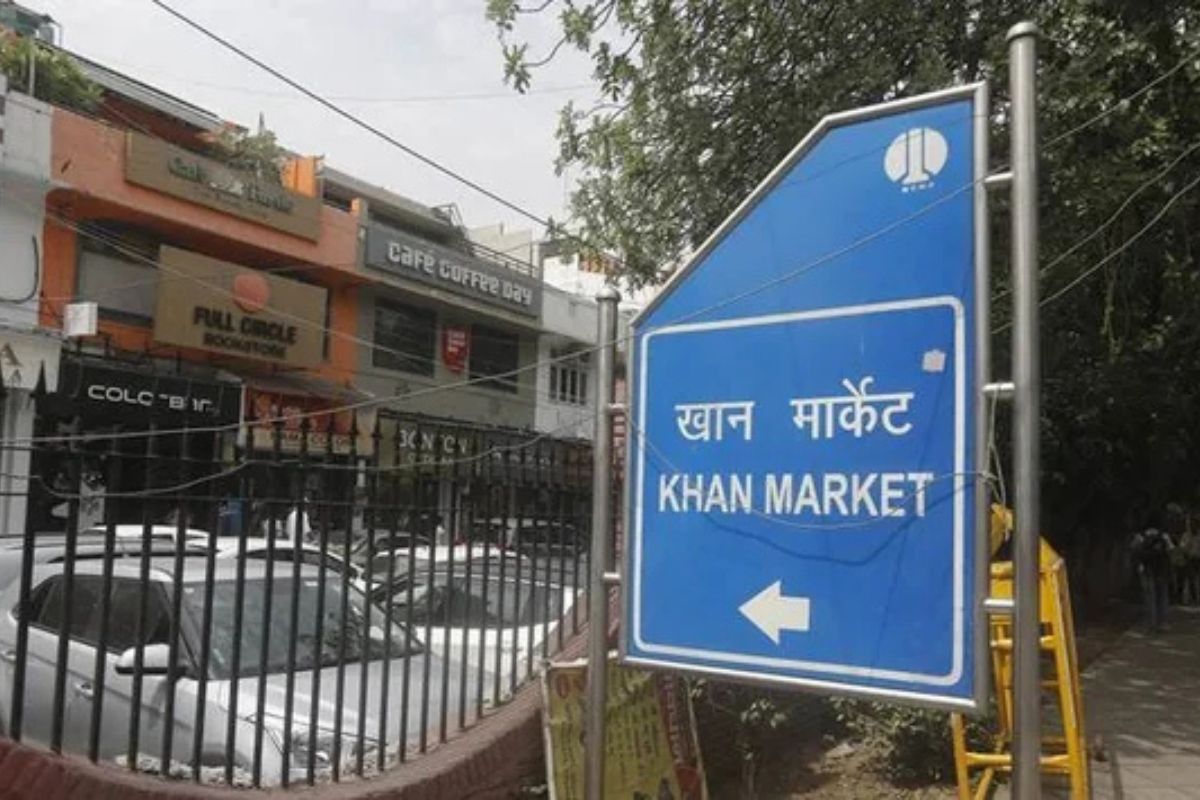
Government records show the Ministry prioritized Hindu refugees whom Khan Sahib had assisted during partition. Families purchased shops for between Rs 6,516 and Rs 9,500, with monthly rents ranging from Rs 50 to Rs 240. These prices represented significant sums at the time but offered refugees a path to economic stability. The market was named in recognition of Khan Sahib’s efforts to protect minorities during communal violence.
The location proved advantageous. Situated close to diplomatic enclaves such as Chanakyapuri and government housing in Kaka Nagar, Khan Market attracted an affluent clientele from its inception. Nearby landmarks included Sujan Singh Park, built in 1945 as Delhi’s first apartment complex, and the Golf Links residential area.
Early Settlement and Community Formation
Initial settlement proved challenging. Ved Marwah, who later served as Delhi Police Commissioner, moved into Flat 59 in 1950. He recalled the market’s isolated ambience in its early days, with locals predicting failure due to its remote location within elite Lutyens’ Delhi. Refugee families, including the Berrys who established Sovereign Dairy and the Gulatis in Flat 13, formed a close community around a central park and fountain. Indira Gulati’s chunmun club, which provided music education to approximately 50 children in the 1960s, exemplified the community’s cultural activities during this transition period.
The first merchants operated basic businesses to meet everyday needs. Grocery stores, tailors, sweet shops, and provision dealers served the neighbouring diplomatic and bureaucratic populations. Families like that of Faqir Chand, who had operated a bookshop in Peshawar, re-established their businesses. Faqir Chand and Sons, founded in 1951, continues operations to this date.
Economic Transformation
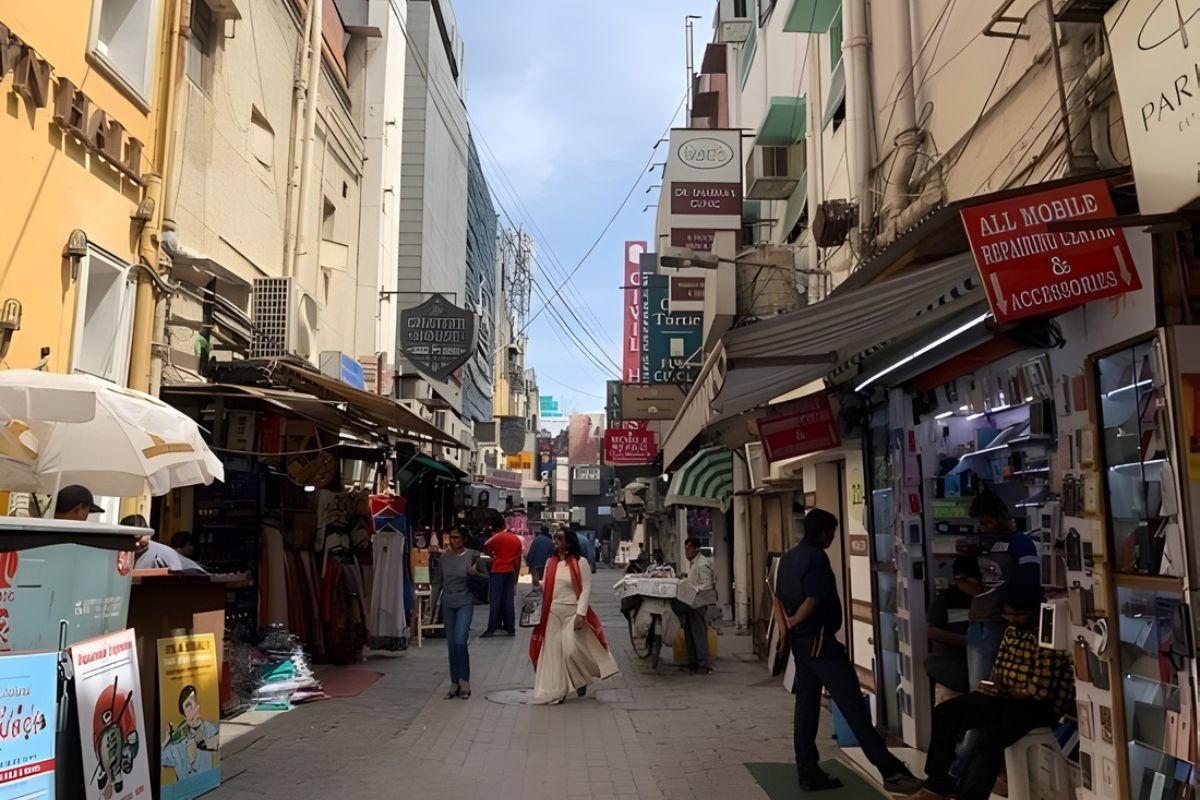
By the 1980s, economic pressures transformed the market. Growing families converted residential flats into commercial space. The original grocery stores gradually gave way to bookstores, boutiques, delicatessens, and international brands. The market’s proximity to diplomatic missions earned it the nickname Angrezo ki market, or the foreigners’ market, reflecting its expatriate clientele.
Economic liberalization in the 1990s accelerated change. The market expanded to over 200 commercial outlets, mixing traditional establishments like kebab vendors with modern retail. The 2000s brought luxury retail. Cafes such as L’opera and boutiques like Good Earth and Nicobar replaced older businesses. Some shops changed hands multiple times, shifting from furniture to food service to clothing within a few years. Rentals kept climbing.
Global Recognition
Real estate consultancy Cushman & Wakefield ranked Khan Market as the 20th most expensive retail street globally in 2019. In the first quarter of 2025, monthly rents touched Rs 1,650 per square foot, up 7% year over year. These rates place Khan Market alongside elite retail districts such as New York’s Upper Fifth Avenue.
Approximately ten of the original refugee families still own properties in Khan Market today. The Bamhis, descendants of Faqir Chand, continue to operate their bookshop. The Berry family, which established Sovereign Dairy, now leases its space to luxury brands. Monthly rental income for prime locations exceeds Rs 700,000.
Present Character
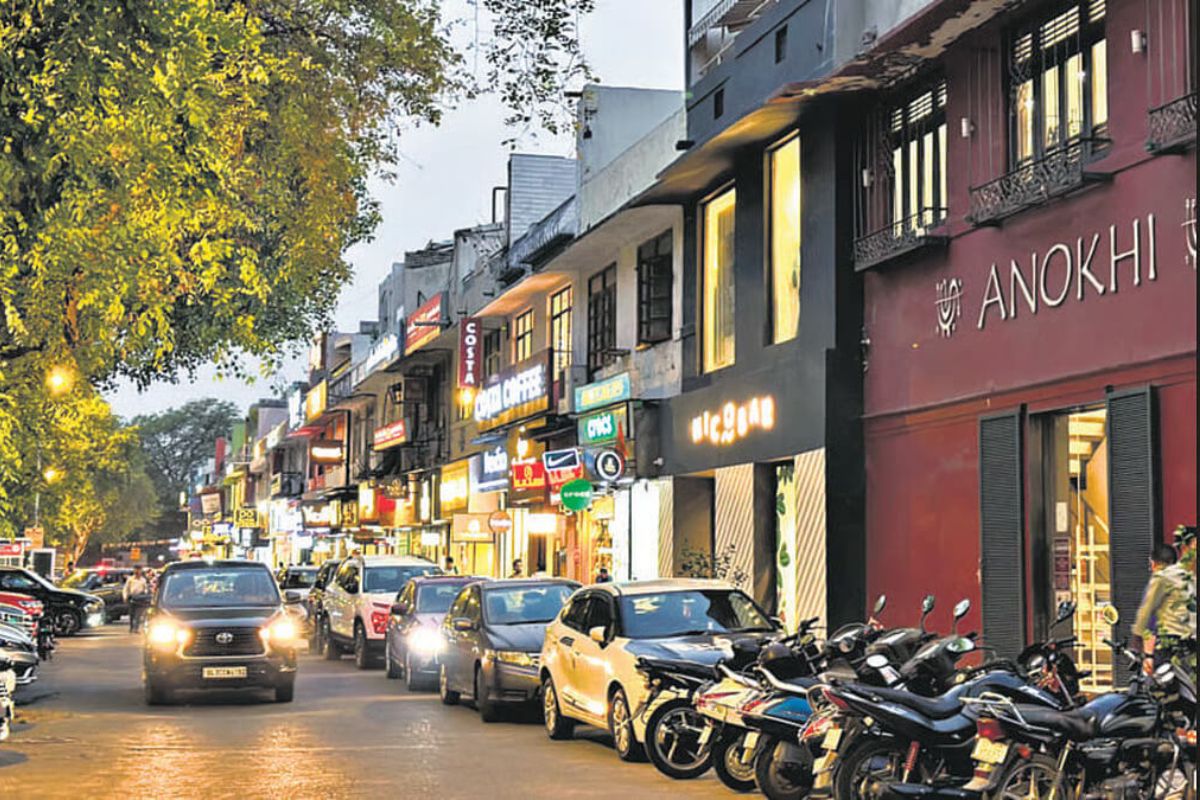
Today’s Khan Market houses approximately 36 restaurants alongside retailers offering silver jewelry, electronics, kitchenware, and designer garments. Establishments like Khan Chacha draw both expatriate and local customers. The market’s tree-lined surroundings with heritage architecture, like the Taj Vivanta Hotel (formerly the Ambassador Hotel), and Sujan Singh Park transport visitors to a bygone era. The market’s evolution from a refugee rehabilitation center to an international shopping destination reflects both India’s post-independence economic growth and the enduring legacy of Khan Sahib’s humanitarian work.
Also Read:Saheli Women’s Revolution: When Needles Sparked Strength and Change
You can connect with DNN24 on Facebook, Twitter, and Instagram and subscribe to our YouTube channel.