
The thick forests of eastern Assam hold a secret that challenges popular history. Long before British colonisers claimed credit for discovering tea in India, indigenous tribes were brewing complex, smoky infusions from wild plants growing up to 20 meters tall in untamed jungles. Their methods, passed down through oral tradition and refined over centuries, reveal a sophisticated tea culture that predates commercial plantations by hundreds of years.
The Singpho Claim to Tea
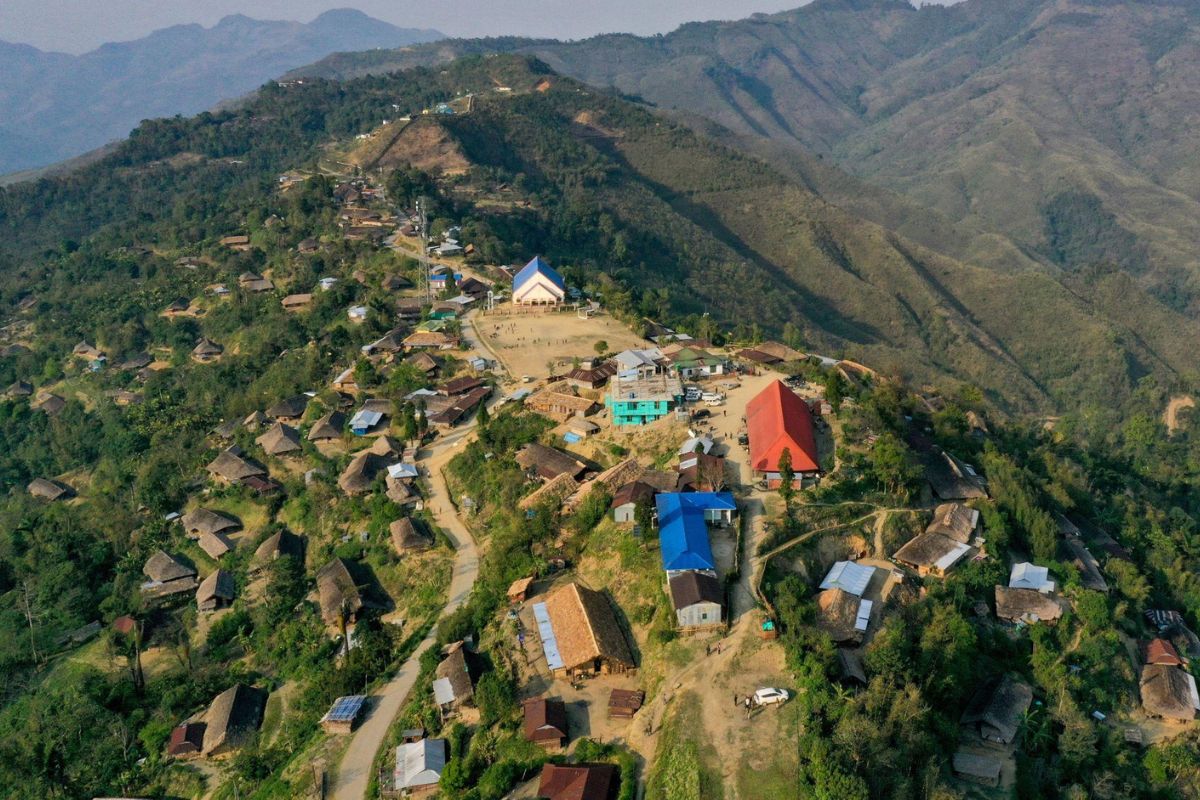
The Singpho tribe, settled in the hills near the Myanmar border since at least the 12th century, stands among the earliest documented tea brewers in the region. These people, part of the broader Tai ethnic family, did not cultivate tea in rows or tend it like a crop. Instead, they harvested wild Camellia sinensis var. assamica plants that flourished naturally in the subtropical forests of Arunachal Pradesh and eastern Assam.
Other communities, including the Khamti, Tai Phake, and Mishing tribes, shared similar practices. They treated tea as a gift from the forest rather than a commodity, integrating it into their daily life for refreshment, healing, and social bonding. The leaves came from massive bushes that towered over human height, bearing little resemblance to the manicured hedges that later defined plantation agriculture.
Tribal legends offer colourful accounts of tea’s origins. One Singpho story tells of two exhausted brothers who chewed mysterious leaves during a long journey and felt renewed strength flowing through them. They called the plant phalap, meaning roughly “what leaf,” and it became central to their culture. Unlike the careful, powdered preparations of China or the sweetened cups of Europe, Assamese tribal tea was robust and earthy, reflecting the wild biodiversity of its birthplace.
Harvesting from the Canopy
Gathering leaves from wild trees presented practical challenges. The plants grew tall and were scattered throughout the dense jungle, making access difficult. Tribal elders possessed detailed knowledge of where the best trees flourished, information they shared selectively with younger gatherers.
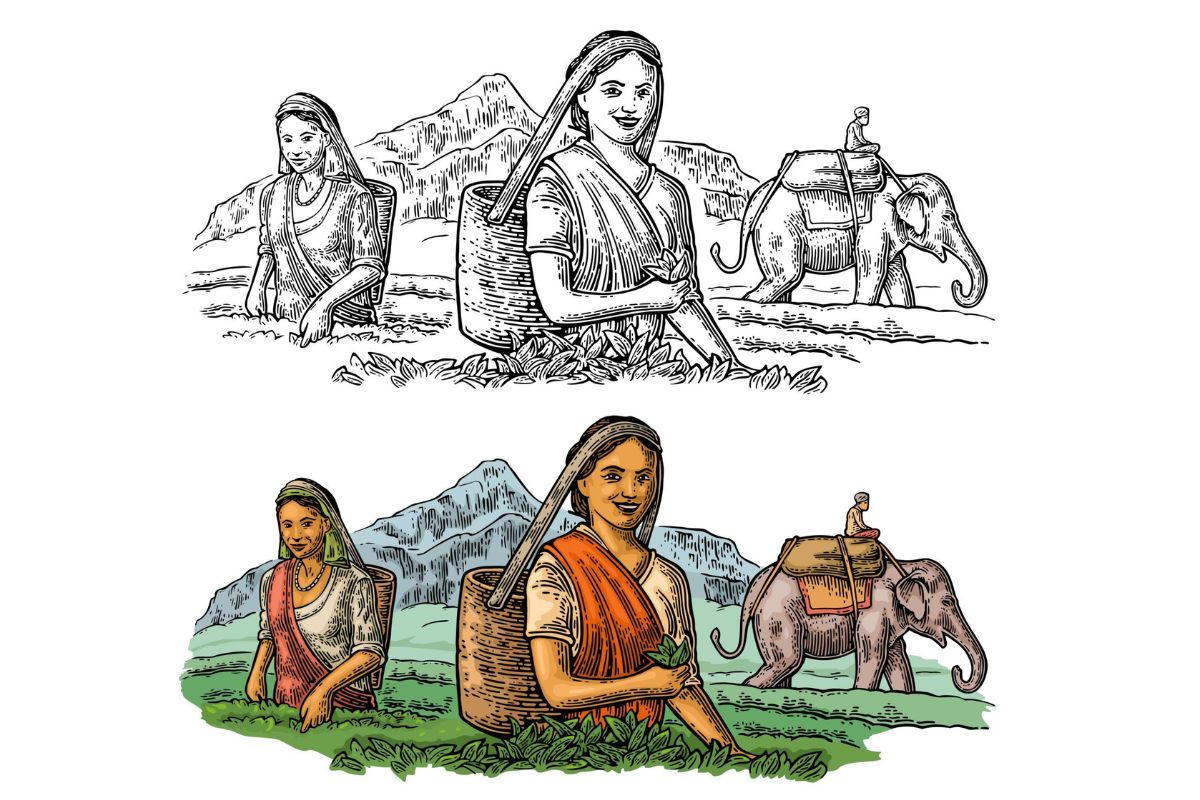
The Singpho developed an ingenious solution. They trained elephants to assist in harvesting, guiding the animals to stand beneath towering tea trees while riders perched atop them plucked tender shoots from high branches. This method reduced the risk of climbing and allowed workers to reach parts of the canopy that would otherwise be inaccessible without ladders. Elephants moved carefully through the undergrowth, and their handlers rewarded them with treats like bananas or jaggery after a productive session.
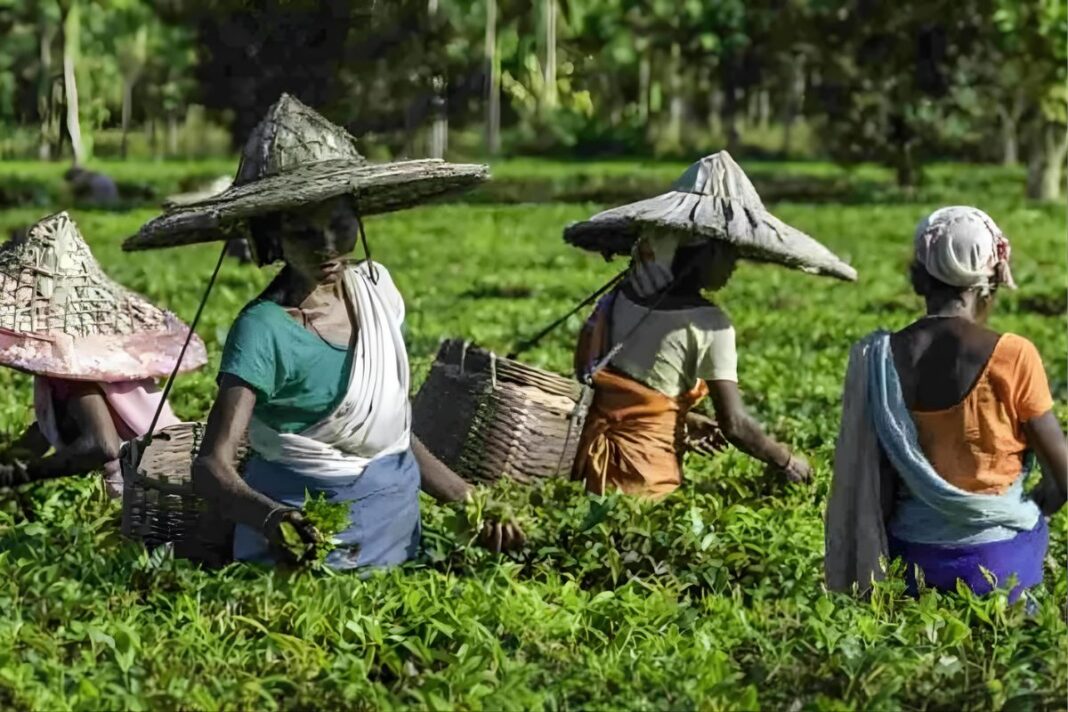
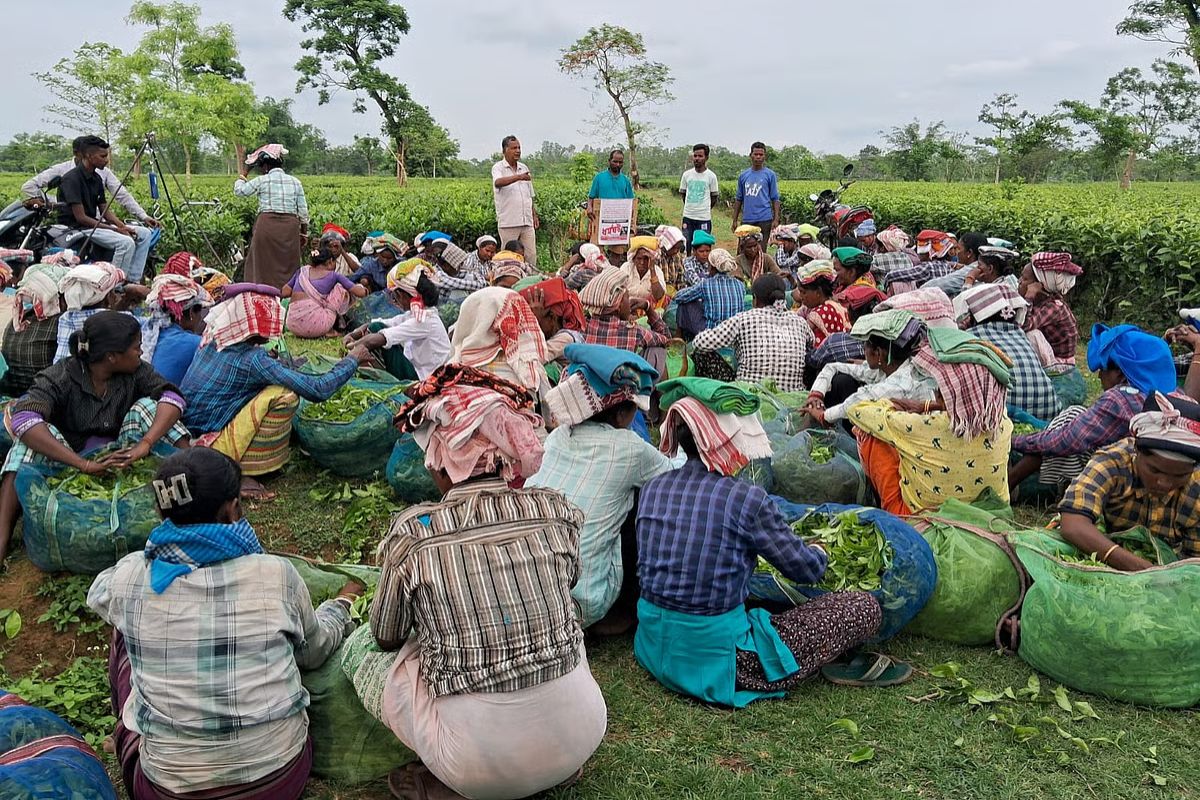
Other tribes relied on hand-picking during cool morning hours when dew still clung to leaves. Workers carried simple bamboo baskets and selected only the youngest, most tender growth. They avoided taking too much from any single tree and rotated harvest sites to prevent exhaustion of the wild groves. Some communities believed the plants housed spirits and made offerings to forest deities before beginning their work.
Transforming Fresh Leaves into Phalap
Processing methods converted perishable leaves into a product that could last for years. After gathering, Singpho workers heated fresh leaves in iron pans over open fires, stirring constantly to prevent scorching. The heat halted natural oxidation and released aromatic oils, turning the leaves a darker shade. This step required skill and attention, as too much heat destroyed flavour while too little left the leaves unstable.
The leaves were then placed on bamboo mats for sun-drying. Several days of exposure concentrated flavours and reduced the moisture content. Workers turned the leaves regularly to ensure even drying.
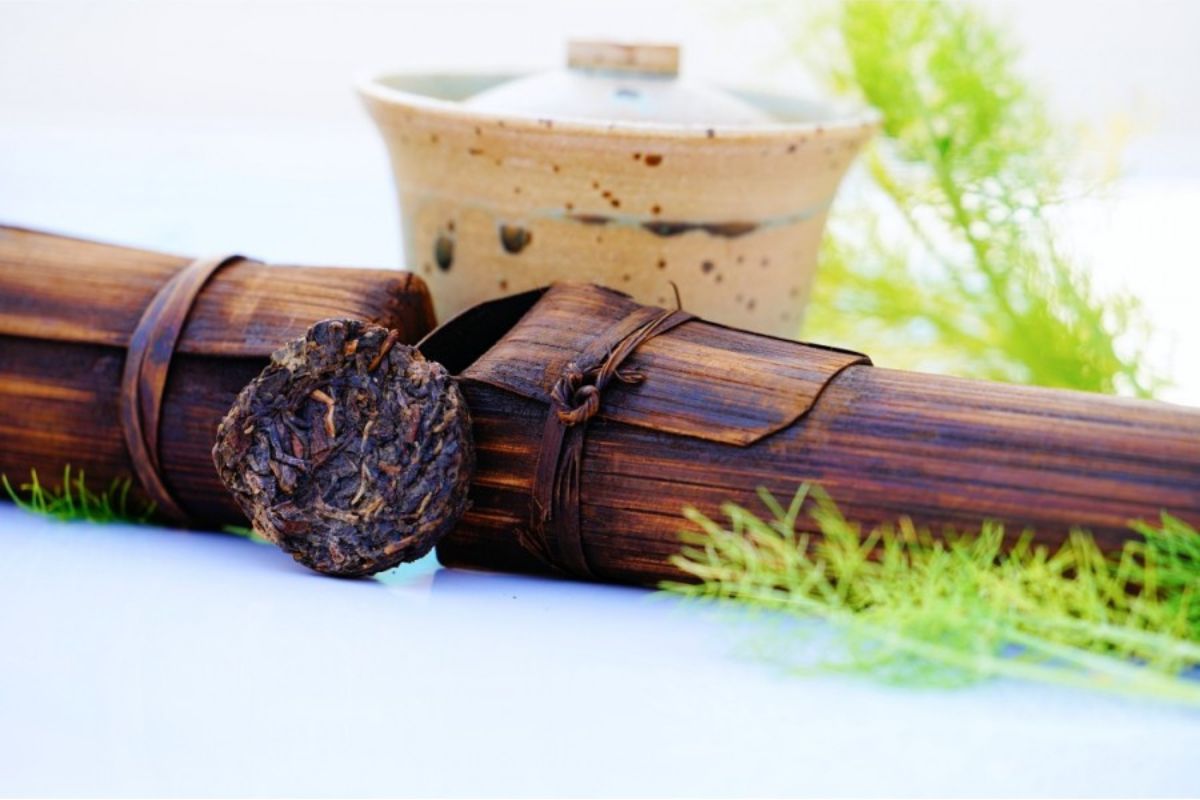
The most distinctive step came next. Dried leaves were stuffed tightly into hollow bamboo tubes, typically two or three inches wide, cut from specific species chosen for their aromatic properties. A worker used a metal rod to compress the leaves inside, creating dense, airtight cylinders. These packed tubes were then suspended over slow-burning wood fires for days or even weeks. Smoke from pine or local hardwoods permeated the compressed tea, adding layers of flavour while the leaves continued to ferment in their sealed containers.
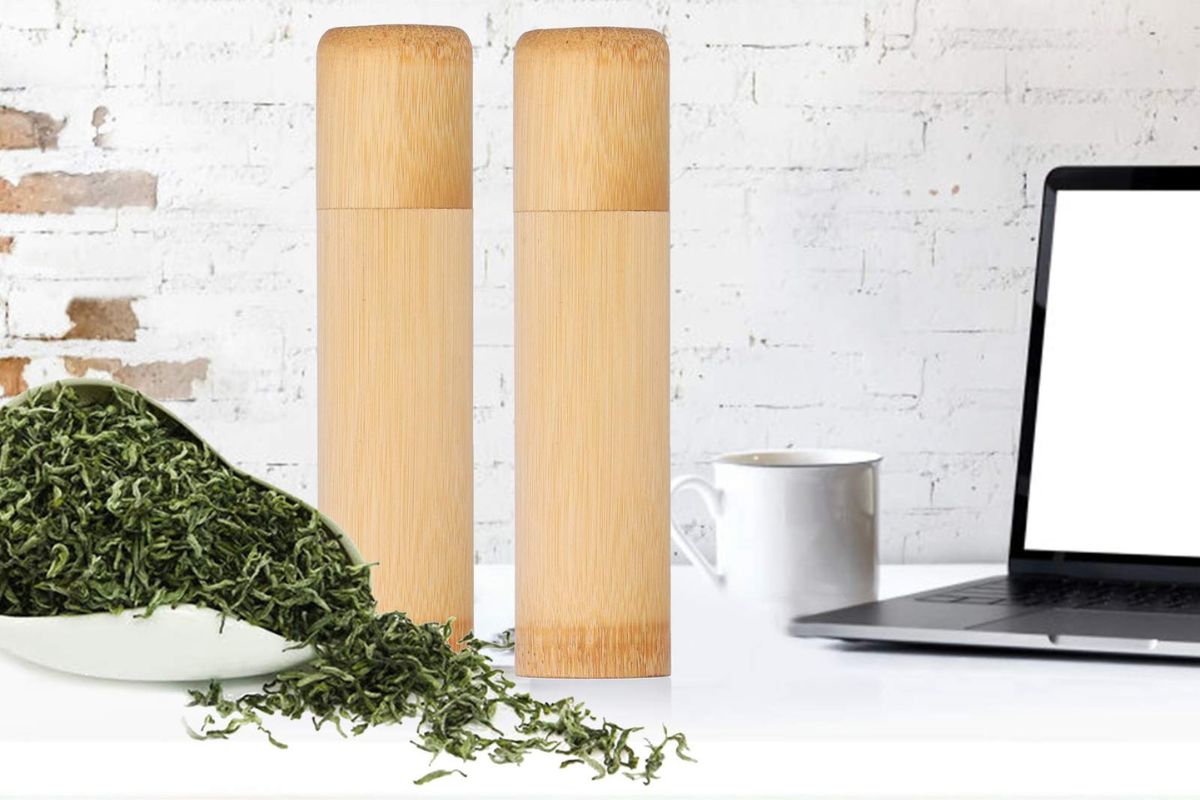
After smoking, the bamboo tubes were hung near household hearths for extended ageing. Some families kept them for a decade or longer. The tea inside hardened into solid blocks that could be sliced with a knife when needed. This processing produced a product with smoky, woody notes quite different from those of teas processed by later industrial methods. The Khamti sometimes added herbs during roasting, while Tai Phake communities experimented with pit fermentation using banana leaf wrappings, producing malty characteristics similar to modern oolong teas.
Brewing and Daily Consumption
Preparing phalap for drinking was a communal activity, particularly during festivals or after harvest gatherings. The brewer would slice a piece roughly the size of a thumb from an aged bamboo cylinder, crumble it, and add it to a pot of water brought to a rolling boil over an open fire. The mixture simmered for 10 to 15 minutes, producing a dark, intense infusion.
Traditional recipes called for pure tea without additions. The beverage was served extremely hot in bamboo cups and sipped slowly. Drinkers first tasted bitterness, which gradually gave way to natural sweetness from the tannins. However, variations existed. Some added slices of fresh ginger or wild honey, particularly when treating fatigue or colds. Khamti brewers sometimes included lemongrass or cinnamon bark, using the tea in shamanic rituals meant to sharpen mental clarity.
The Mishing people had a practice entirely different from theirs. They chewed partially processed leaves after meals to aid digestion, combining the steps of brewing and consuming into one.
Consumption patterns varied by need and status. Labourers drank multiple brews throughout the day to build stamina for physically demanding work. Elders consumed it as part of their daily routine, believing it promoted longevity. Women typically prepared the family’s supply at dawn.
Social and Medicinal Roles
Tea occupied an important space in tribal social structures. Singpho communities held gatherings called chalap, where tea flowed freely as they discussed resolving disputes or arranging marriages. The quality and strength of the brew served as a measure of hospitality. Hosts who offered weak or poorly prepared tea risked offending their guests.
Festivals incorporated tea competitions where participants judged the depth of roasting and the balance of smoke in different preparations. The Tai New Year celebrations often featured such contests.
Healers valued tea for medicinal purposes, brewing concentrated decoctions to treat malaria, digestive problems, and fluid retention. The high theanine content in Camellia sinensis var. assamica produced calm alertness, making it useful for both physical stamina and mental focus. Traditional medicine combined tea leaves with turmeric for wound treatment or honey for coughs, developing practical applications long before modern pharmacology documented these effects.
Spiritual beliefs also surrounded the plant. Spilling tea was considered a bad omen requiring specific rituals to correct. Among neighbouring Bodo and Dimasa groups, similar wild leaf brews helped hunters maintain endurance during long expeditions. However, documentation of their exact methods is sparse compared to that of Singpho traditions.
British Contact and Colonial Transformation
In 1823, Robert Bruce, a Scottish trader and adventurer, received crucial information from Maniram Dewan, an Assamese nobleman. Dewan directed Bruce to Singpho chief Bessa Gam, who demonstrated the tribal method of brewing wild tea leaves. Bruce recognised the commercial potential immediately. He sent samples to Calcutta, where botanists confirmed in 1834 that the plants were indeed suitable for cultivation as tea.
The British response transformed the landscape. Starting in 1838, colonial authorities established large plantations, initially attempting to apply Chinese cultivation techniques to native Assamese stock. The industrial approach bore little resemblance to tribal practices. Where indigenous peoples had sustainably harvested scattered wild trees, the British cleared forests to plant orderly rows of pruned bushes.
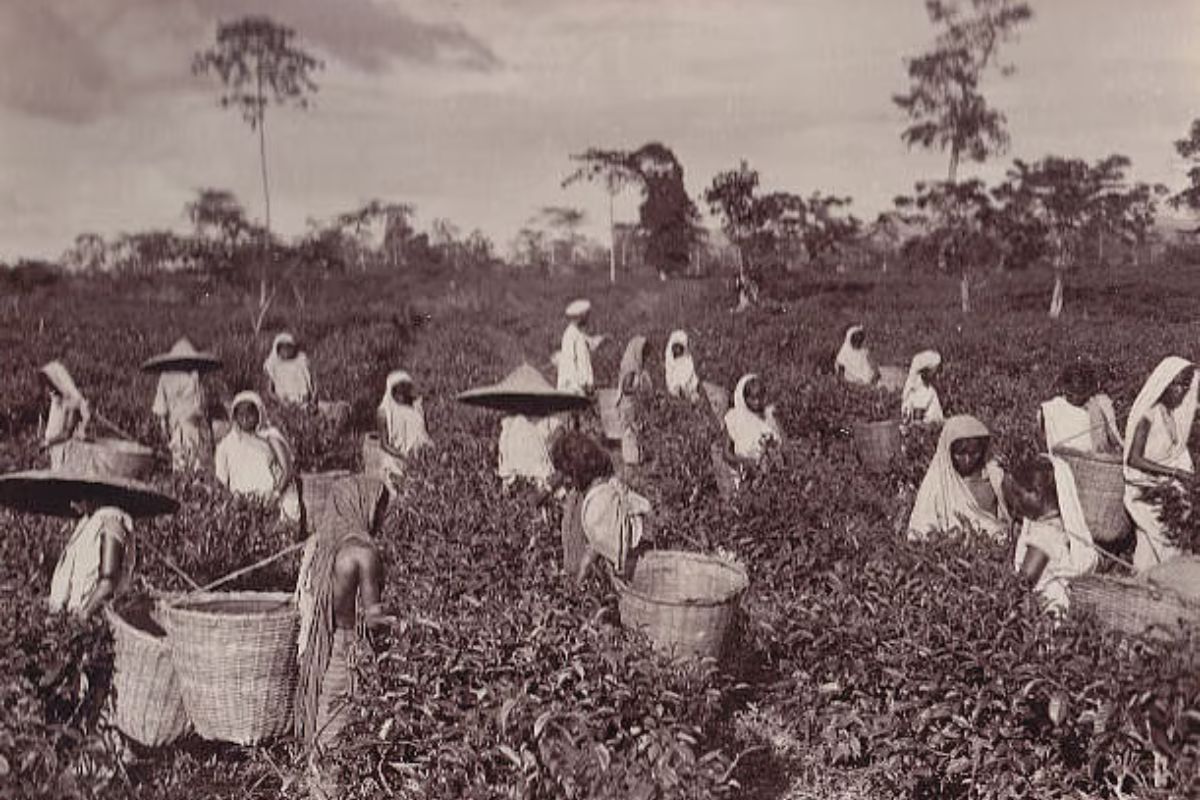
Processing changed dramatically as well. Colonial tea makers introduced mechanical rolling, controlled fermentation chambers, and the crush, tear, curl method designed for mass export. These techniques prioritised volume and consistency over the artisanal character of smoked bamboo tea.
Maniram Dewan himself later pioneered indigenous-owned gardens, such as Chenimora, established in 1839. He attempted to blend tribal knowledge with commercial production before political conflicts with colonial authorities led to his execution in 1858 following the Sepoy Mutiny.
Contemporary Revival
Today, descendants of the original Singpho tea makers work to revive traditional phalap production through small cooperatives. They export artisanal bamboo-smoked tea to international markets, often emphasising its heritage as a product that predates British involvement in the region. These efforts include documenting oral histories before they disappear and protecting remaining wild tea groves from the impacts of climate change and development.
The story of indigenous Assamese tea culture challenges simple narratives about colonial discovery and invention. The sophisticated methods developed by the Singpho, Khamti, Tai Phake, and Mishing peoples represent genuine innovation rooted in intimate knowledge of local ecology. Their tea, smoky and robust, carries flavours impossible to replicate through industrial processes. Recognition of this heritage underscores a broader truth about the region: Assam’s tea culture was never a British creation but rather an indigenous achievement appropriated and transformed for global commerce.
Also Read:Kachri Melon: A lifeline for Desert Habitats
You can connect with DNN24 on Facebook, Twitter, and Instagram and subscribe to our YouTube channel.