
A film about a thief who plays the dhol has placed Assamese cinema on a stage few regional productions reach. ‘Moi Eti Nixhasor’ received the Award of Excellence Special Mention at the Accolade Global Film Competition in the United States. This recognition arrived after the film competed against entries from across the world.
Recognition at Accolade Competition
The Accolade Global Film Competition operates as one of the festivals that Movie Maker magazine considers worth the entry fee. Among submissions from different countries, the organisers placed Moi Eti Nixhasor among the top ten entries for exceptional artistry and technical merit. Director Bidyut Kotoky, speaking from Mumbai, called the achievement rare for films made in regional languages.
The competition judges work through hundreds of entries each cycle. Their decision to award Special Mention status reflects the technical execution and narrative strength the production team achieved. Kotoky noted that competing at this level requires more than regional appeal. The story must connect with viewers who are unfamiliar with Assamese culture or language.
The Story Behind Koduwa
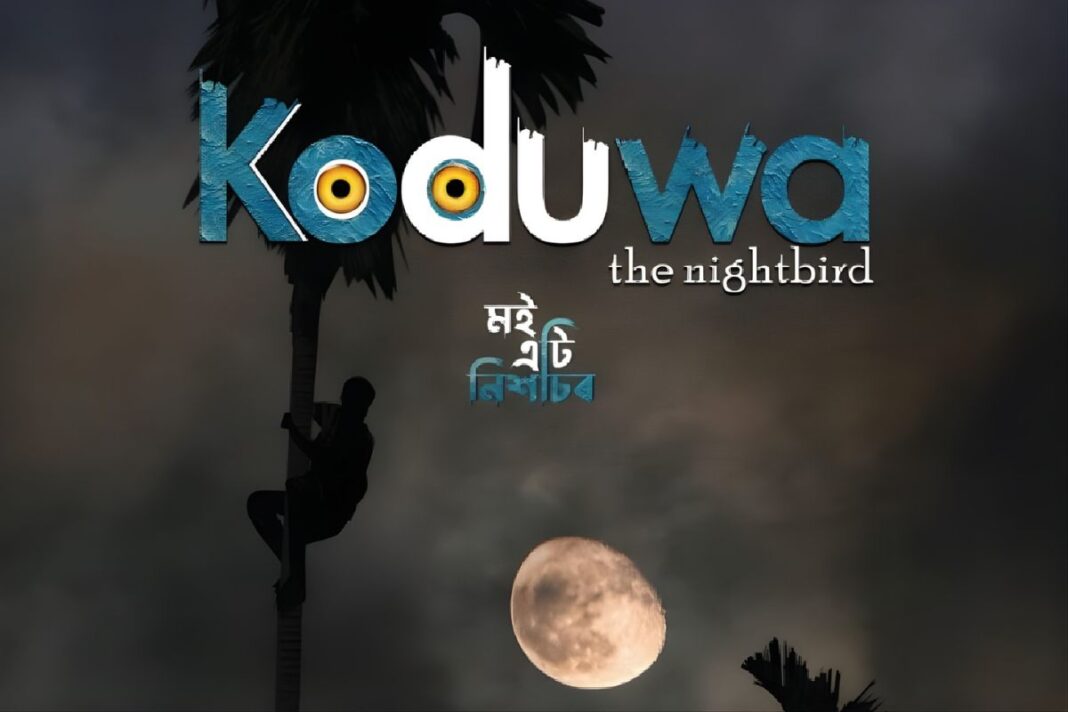
Moi Eti Nixhasor translates to “Koduwa the Nightbird” in English. The film follows a man named Koduwa, whose journey reflects themes of prejudice, unrest and resilience. His methods involve cunning rather than violence. The village knows him as a thief, but also as the best dhol player during Bihu celebrations.
The story takes place during a period of social and political unrest in Assam. Koduwa attempts to reform his ways and live honestly, but the local power structures prevent his transition. The film asks viewers to consider who commits the greater theft: the man who steals to survive or the systems that deny people legitimate paths to dignity.
The screenplay draws from real events. Senior journalist Anuradha Sharma Pujari wrote the original account after observing similar dynamics in Assamese villages. Pujari received the Sahitya Akademi Award in 2021 for her literary work. Her journalistic background shows in the script’s attention to detail about rural politics and social hierarchies.
Direction and Creative Vision
Bidyut Kotoky built his reputation through documentary work before moving into feature films. His 2006 documentary Bhraimoman Theatre received a Special Mention at the National Film Awards. The film examined travelling theatre troupes in Assam that mixed Shakespeare with local stories.
His first feature, Ekhon Nedekha Nadir Xipare, appeared in 2012 as a bilingual production in Assamese and Hindi. The National Film Development Corporation backed the project. It won Best Script at the 2013 Washington, D.C. South Asian Film Festival and later secured a commercial release in the United States, an unusual achievement for regional Indian cinema.
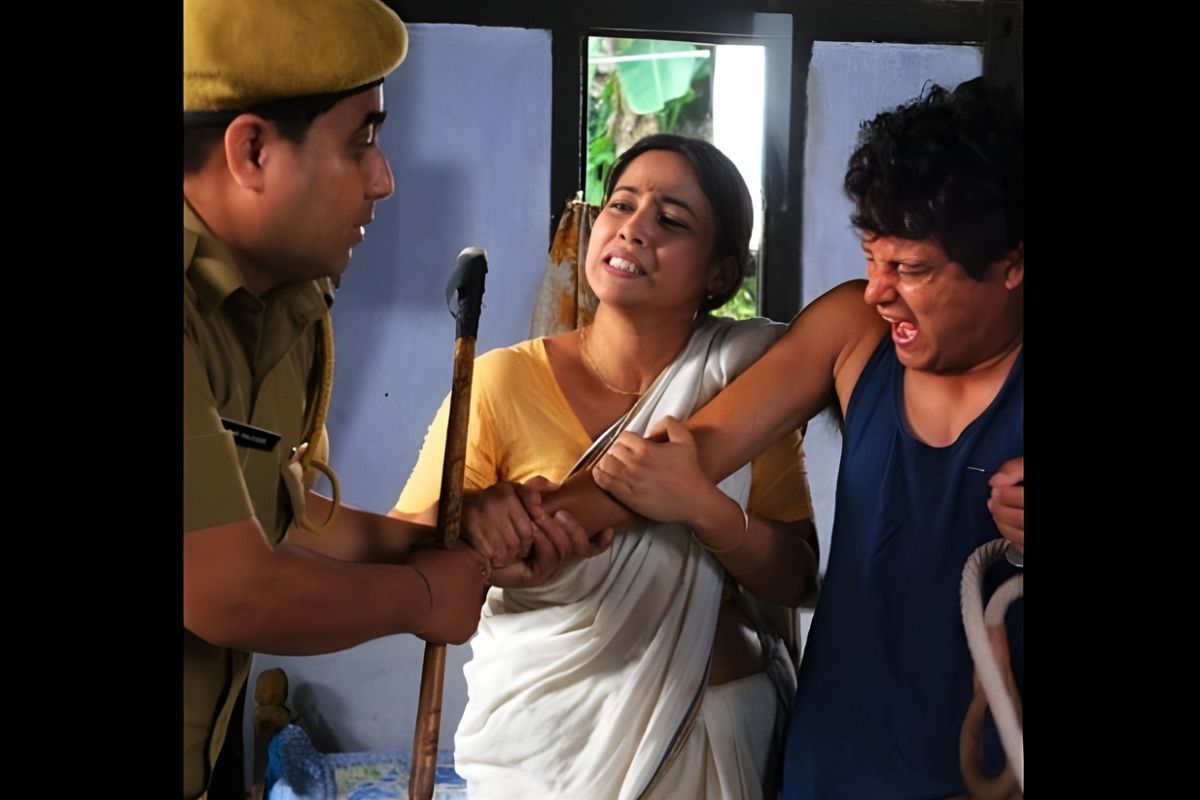
For Moi Eti Nixhasor, Kotoky wanted to explore the contradiction between public reputation and private character. Koduwa’s skill with the dhol makes him valuable to his community during festivals. The same community condemns him during ordinary days. Kotoky observed that human emotions transcend the borders drawn on maps. A thief in Assam faces the same moral questions as anyone else.
The director worked with his production company, Red River & Blue Hills, alongside NFDC, which operates under India’s Ministry of Information and Broadcasting. NFDC financing typically goes to projects that attempt something beyond commercial formulas. The corporation has supported filmmakers who want to tell regional stories with production values on par with those of the larger industry.
Cast and Performance
Theatre veteran Gunomoni Baruah plays Koduwa. His background in live performance gave him the tools to convey the character’s internal conflicts without dialogue. Baruah must show a man who feels shame about his actions while defending them as necessary. The role requires showing intelligence and desperation simultaneously.
The supporting cast includes both established Assamese actors and newer performers. Several cast members came from theatre backgrounds similar to Baruah’s. The production team wanted actors who understood rural life rather than performers who would need to research it.
The village scenes required attention to authentic detail. The production design team recreated specific aspects of Assamese rural architecture and daily routines. Bihu sequences show the dhol performance traditions that form part of Assamese cultural identity.
Cultural and Political Context
Assamese cinema operates in a smaller market than Hindi or Tamil films, but the region has produced work that travels beyond India. Films from the state often explore questions of identity, land rights, and cultural preservation. These themes connect to broader audiences because they appear in different forms across many societies.
Moi Eti Nixhasor arrived during a period when Assamese films gained more attention at festivals. The 2026 Filmfare Assamese Awards recognised another film, Bidurbhai, with nine awards. These events suggest the industry has reached a level of consistent quality that attracts notice.
Kotoky mentioned that the film’s themes of power and corruption apply to the current politics of many countries. The story avoids specific references to recent events but creates parallels through its depiction of how local authorities operate. Audiences from different backgrounds recognise the dynamics even when the cultural details differ from their own experiences.
Production Structure
Control while accessing resources needed for professional production quality. The filming took place in actual Assamese villages rather than constructed sets. This decision introduced production challenges but gave the cinematography an authenticity difficult to replicate on a soundstage. The crew worked with local communities to understand daily rhythms and seasonal changes.

Additional Festival Recognition
Beyond Accolade, the film received selection for the Covellite International Film Festival 2026 in the United States. Festival organisers described it as a “delightful little celebration” with strong potential for audience engagement. WorldFest Houston also selected the film for its program.
These festival appearances serve practical purposes beyond prestige. International exposure helps regional films find distribution partners and streaming platforms. Each screening builds awareness among programmers who might include the film in other festivals or recommend it to distributors.
NFDC involvement typically indicates a film attempted something outside standard commercial patterns. The corporation funds approximately twenty to thirty projects each year from proposals submitted by filmmakers across India. Competition for funding means projects must demonstrate both artistic merit and potential to reach audiences.
Red River & Blue Hills functions as Kotoky’s primary production vehicle. The company focuses on Northeast Indian stories that might struggle to find backing through traditional studio channels. The partnership model allows filmmakers to maintain creative
Industry Implications
The award validates approaches to independent regional cinema that prioritise story quality over market calculations. Assamese filmmakers now have evidence that their work can compete globally when given proper support. This may encourage more NFDC applications from Northeast India and increase private investment in regional productions.
Tourism boards in Assam could use the film’s success to promote locations featured in the story. Cultural organisations might develop educational programs around the themes Kotoky explores. The film serves as a reference point for discussions of how regional cinema fits into national and international film culture.
Release Plans
The film will open commercially in Assam soon. Kotoky expects local audiences to embrace the story differently from international festival viewers. Assamese viewers will recognise specific cultural references and political contexts that require explanation elsewhere. The director wants to see how the home audience responds to a story drawn from their own social landscape.
Streaming platforms may acquire distribution rights following the theatrical run. International success often helps negotiate better terms for digital distribution. The festival recognition provides marketing material that platforms can use to promote the film to subscribers.
Historical Perspective
Assamese cinema has produced acclaimed work since the 1930s. Directors like Jahnu Barua and Bhabendra Nath Saikia established the region’s reputation for serious filmmaking that addressed social issues. Their films were screened at major international festivals and influenced younger filmmakers like Kotoky.
The current generation builds on that foundation while adapting to changed production and distribution realities. Digital technology reduced costs and made professional quality achievable with smaller budgets. Festival circuits expanded to include more regional voices. Streaming platforms created new revenue streams independent of traditional theatrical distribution.
Moi Eti Nixhasor represents this evolution. It combines traditional Assamese storytelling with production approaches learned from documentary work and international festival experience. The result speaks to local audiences while remaining accessible to viewers worldwide.
Also Read:Manipur Woman Turns Flower Waste Into Award Winning Enterprise
You can connect with DNN24 on Facebook, Twitter, and Instagram and subscribe to our YouTube channel.