


Four teenage girls in Ghaziabad noticed something that most people ignored: plastic bags cluttered every corner of daily life, from grocery stores to food deliveries. What began as a classroom assignment in 2023 evolved into Pahal, a startup that sold out its first product run within hours and diverted over 300 kilograms of waste into reusable goods. Their path from a school canteen experiment to a profitable enterprise revealed how young founders could turn environmental concerns into tangible business results.
Origins in an Entrepreneurship Workshop
The story started during an entrepreneurship camp at Gurukul The School in Ghaziabad. Simran Arora, Akshita Joshi, Maanya Tyagi, and Arshya Singh received a straightforward task: identify a problem in their surroundings and propose a business solution. They focused on the widespread use of disposable plastic bags that accumulated in homes and landfills across India. Their initial concept centred on cotton tote bags as replacements for single-use carriers.
Their principal suggested a more modest beginning. Rather than manufacturing bags immediately, the students should address plastic waste within their own school. The team proposed eliminating plastic utensils from the canteen, substituting wooden spoons and forks instead. Getting approval required multiple presentations to the administration, but the girls persisted until they secured permission.
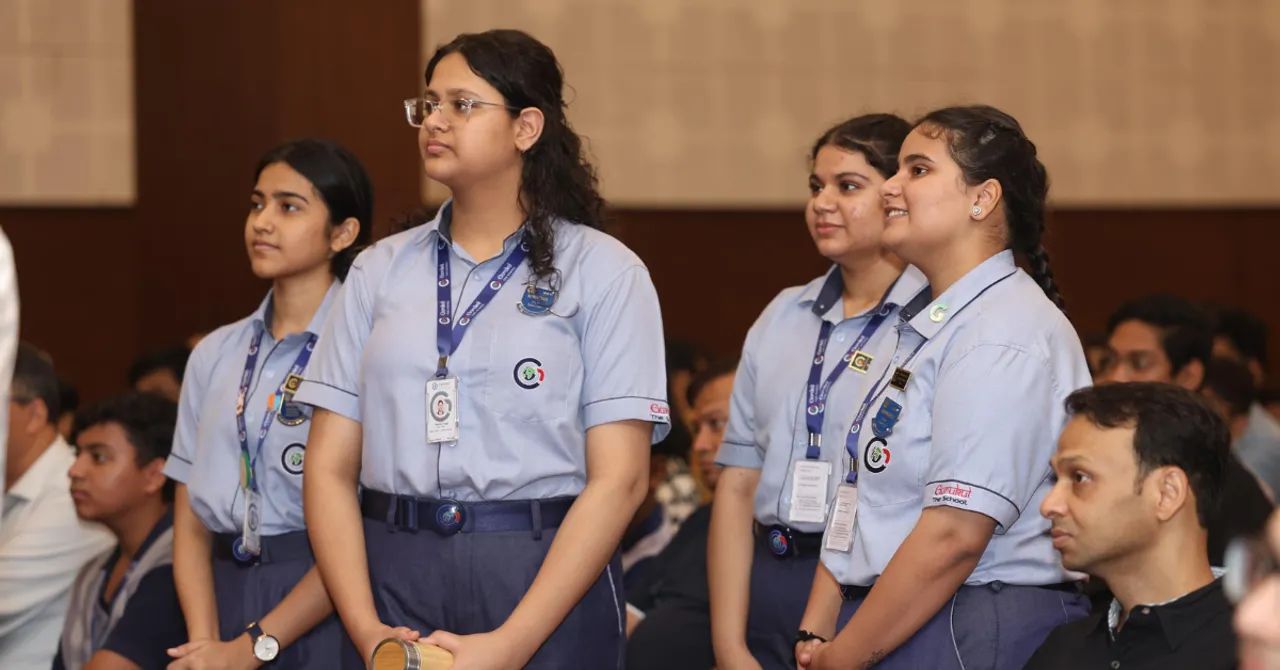
This canteen project became their foundation. Akshita Joshi, who served as Chief Marketing Officer at 17, later explained that they launched Pahal as a movement while simultaneously learning business fundamentals. The name itself carried significance: “Pahal” translates to “first step” in Hindi, reflecting their philosophy of starting small and building gradually.
Assembling the Leadership Structure
The four founders divided responsibilities based on their strengths. Simran Arora assumed the CEO role at 17, handling overall vision and operations. Akshita Joshi managed marketing efforts. Maanya Tyagi, at 16, took charge of finances as CFO. Arshya Singh, also 16, oversaw daily execution as COO.
Balancing academic pressures with entrepreneurial ambitions proved demanding. The girls juggled board examinations, family expectations, and startup obligations. Late-night strategy sessions followed full school days. Disagreements arose within the team. Moments of frustration and exhaustion tested their commitment.
Family members and teachers provided crucial support. Akshita’s father offered guidance without imposing his own vision, allowing her to develop independent judgment. Their principal recognised potential leadership qualities in the students. Mr Pranav, their social science teacher, championed their work and viewed them as representatives of a generation willing to tackle environmental challenges through practical action.
Manufacturers presented the first major obstacle. Suppliers dismissed orders for 200 to 500 units as too small for serious consideration. Some laughed when they learned the founders were teenagers. The girls adapted by presenting themselves as business operators rather than students, omitting references to their age during negotiations. They learned to speak with confidence and authority, treating every interaction as a professional exchange.
Proving Concept on Campus
The school canteen served as their testing ground. Replacing plastic cutlery with wooden alternatives required coordination with administrators, vendors, and cafeteria staff. The change appeared modest but created visible proof that sustainable alternatives could function in everyday settings.
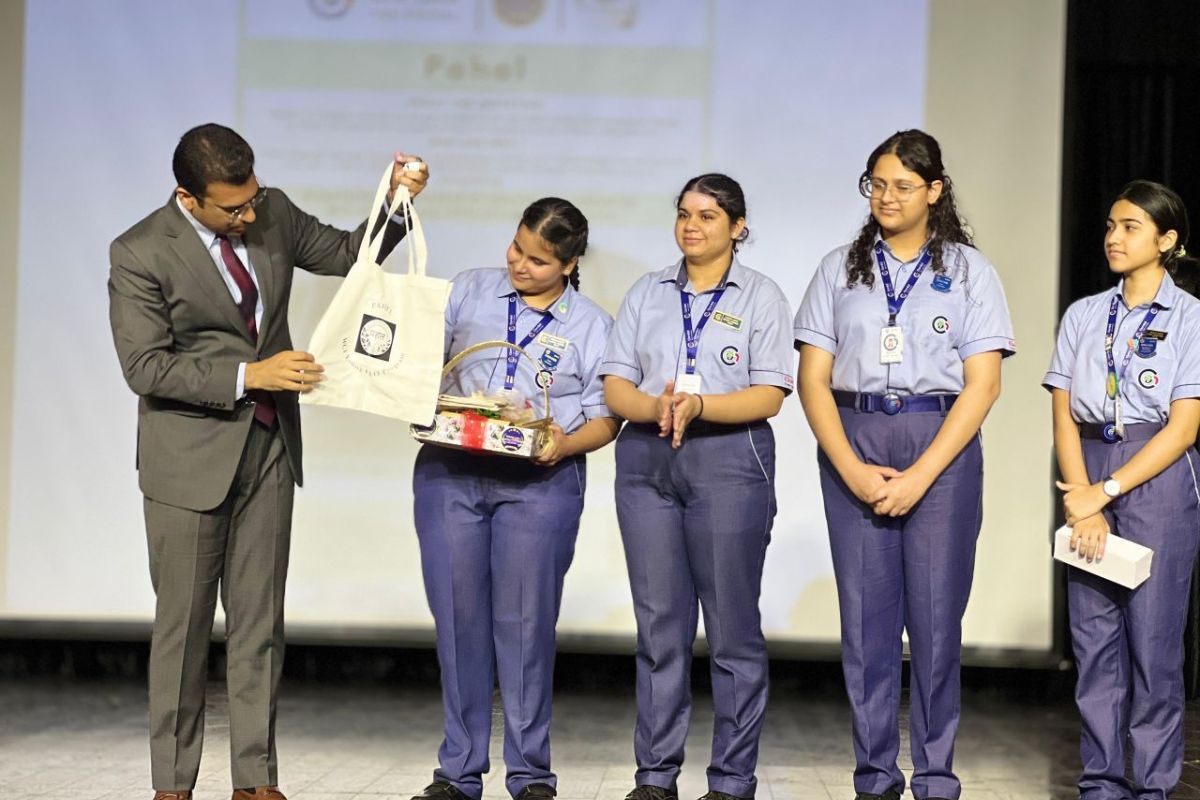
Students and teachers adjusted quickly to the new utensils. The shift demonstrated that people accepted practical solutions more readily than abstract environmental arguments. The founders learned a valuable lesson: showing results mattered more than delivering speeches about sustainability.
Their headmistress coached them on presentation skills, advising them to speak as entrepreneurs rather than as students seeking approval. This guidance shaped their approach to external pitches and customer interactions.
The Parent-Teacher Meeting Triumph
Pahal entered the retail market through a booth at a Parent-Teacher Meeting. The school administration granted permission just hours before the event. The team prepared 100 cotton tote bags, each priced at 299 rupees. They drew design inspiration from Bollywood characters, including Geet from the film Jab We Met, creating products that combined utility with cultural references.
The founders anticipated selling 30 to 50 bags. Instead, every unit sold within the event timeframe. Parents purchased bags immediately, and additional orders arrived by phone. The girls rushed to inform their principal, experiencing their first taste of commercial success.
Revenue from that single day reached 31,000 rupees. Rather than distributing profits among themselves, they chose to reinvest the entire amount into inventory and operations. This decision aligned with their view of Pahal as a movement rather than solely a profit venture.
One interaction stood out particularly. A younger student who had followed their progress for two years purchased a bag and requested autographs from all four founders. She posted a photograph on social media, expressing pride in supporting their work. This moment shifted the founders’ self-perception. They began to see themselves as business leaders rather than students conducting a school project.
Product Range and Environmental Results
Pahal expanded beyond tote bags. The company introduced bamboo toothbrushes and developed bag designs categorised by personality types: options for free-spirited customers, rebellious aesthetics, or minimalist preferences. Each product addressed a specific category of single-use plastic consumption.
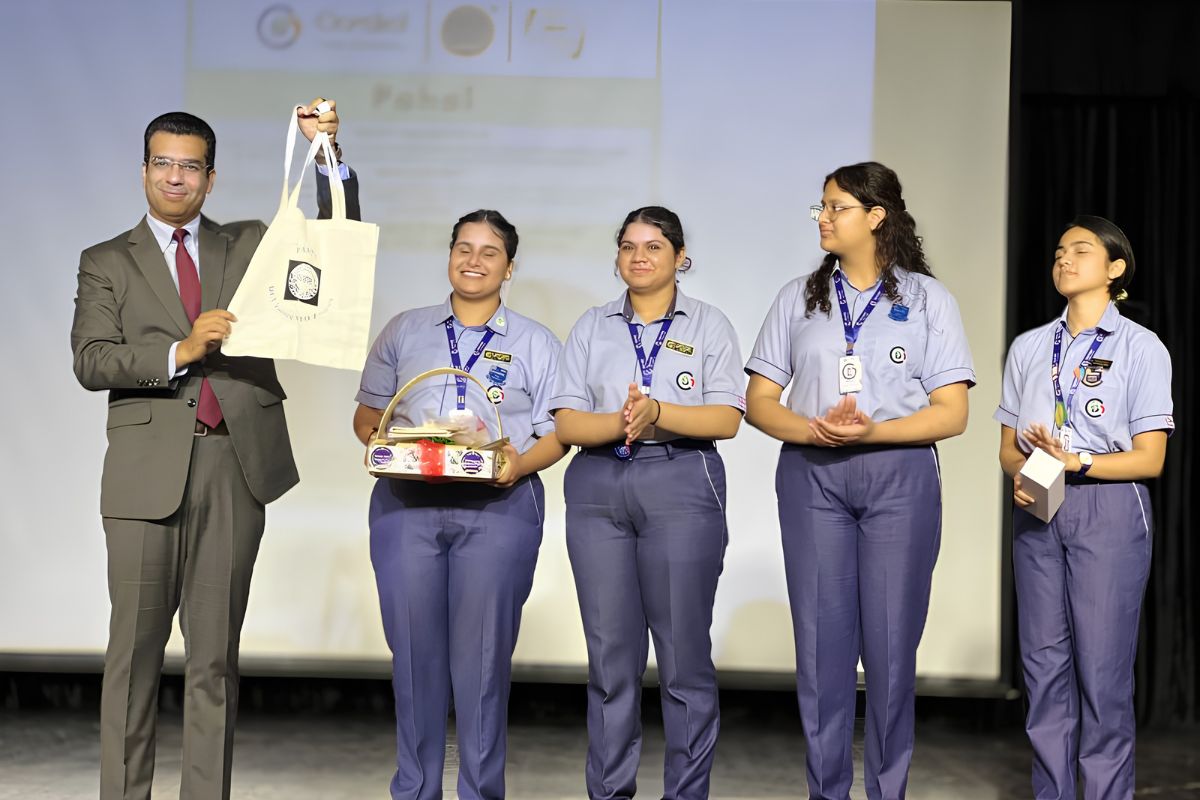
Customers responded positively. Sakshi from Hyderabad praised the designs and appreciated supporting a venture led by teenagers. She incorporated the bags into her daily routine, reducing her reliance on plastic carriers for shopping and errands.
The company operated under a “profit with purpose” framework. India’s struggle with single-use plastic waste provided both the market opportunity and the social justification for its products. By offering accessible alternatives for common activities like brushing teeth, carrying groceries, and storing items, Pahal made environmental choices tangible rather than abstract.
Akshita compared their approach to eating chocolate: consuming everything at once provided momentary satisfaction, but moderation allowed sustained enjoyment. Similarly, small, consistent changes in plastic usage created more lasting impact than dramatic but unsustainable gestures.
Overcoming Barriers
Operating as teenage entrepreneurs brought distinct challenges. Suppliers questioned their ability to fulfil commitments. Academic obligations limited available working hours. Internal disagreements occasionally disrupted team cohesion. Family members sometimes struggled to understand why the girls devoted so much energy to a business venture instead of focusing exclusively on examination preparation.
The founders developed coping strategies. They negotiated firmly with suppliers, establishing credibility through consistent orders and prompt payments. They scheduled work around study requirements, treating both as equally important. During conflicts, they relied on mentor advice and remembered their shared commitment to environmental goals.
Joshi identified confidence as the determining factor in their success. When they spoke with conviction about their products and mission, listeners took them seriously regardless of their age. Self-doubt invited dismissal, but assertiveness commanded respect.
Future Plans and Broader Impact
As of early 2026, with college transitions approaching, the Pahal team planned expansion. They discussed opening a small office, hiring additional team members, and conducting sustainability workshops at schools across India. Manufacturing their own products remained a long-term objective, reducing dependence on external suppliers.
Their ambition extended beyond commercial growth. They wanted to establish sustainability education programs that demonstrated how students could address environmental problems through entrepreneurial action. Age, they argued, should not determine who could lead meaningful change.
Teachers like Mr Pranav described them as change-makers who inspired other young people to move from observation to action. The Pahal story illustrated that significant transformations often began with modest steps: four students noticing excessive plastic waste, taking decisive action within their immediate environment, and building momentum through consistent effort.
Their journey confirmed that everyday choices, when pursued with determination and strategic thinking, could develop into movements with lasting influence. The message was direct: meaningful change required that vital first step.
Also Read:India’s First Transgender Football League Brings 70 Players Into the Game on Their Own Terms
You can connect with DNN24 on Facebook, Twitter, and Instagram and subscribe to our YouTube channel.