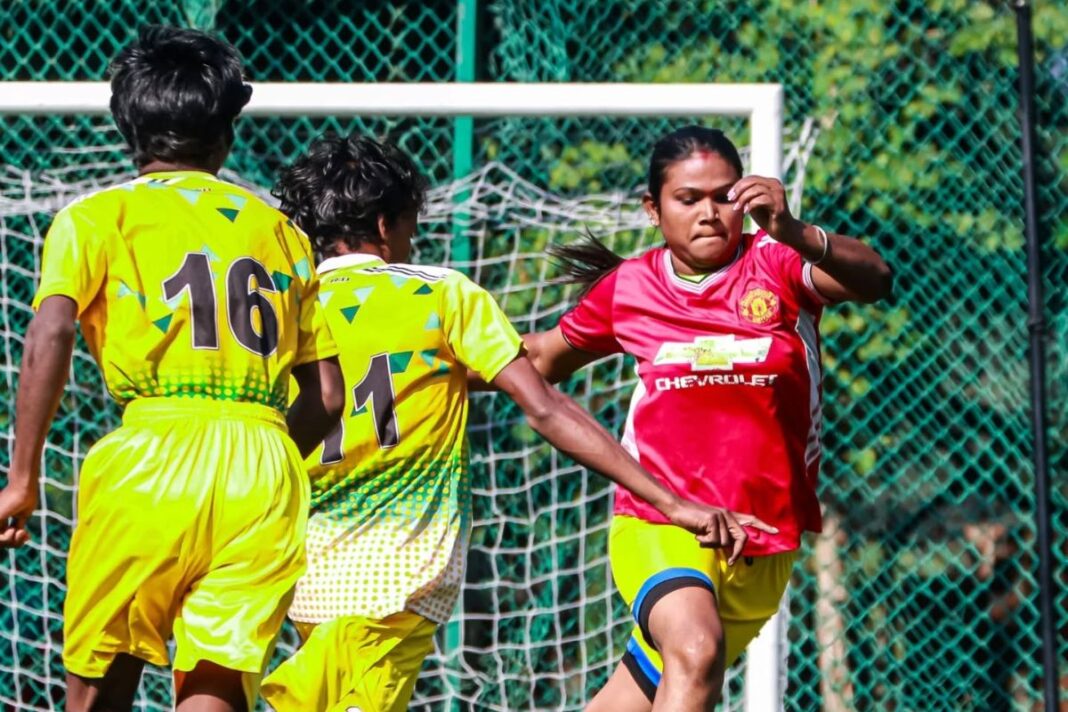

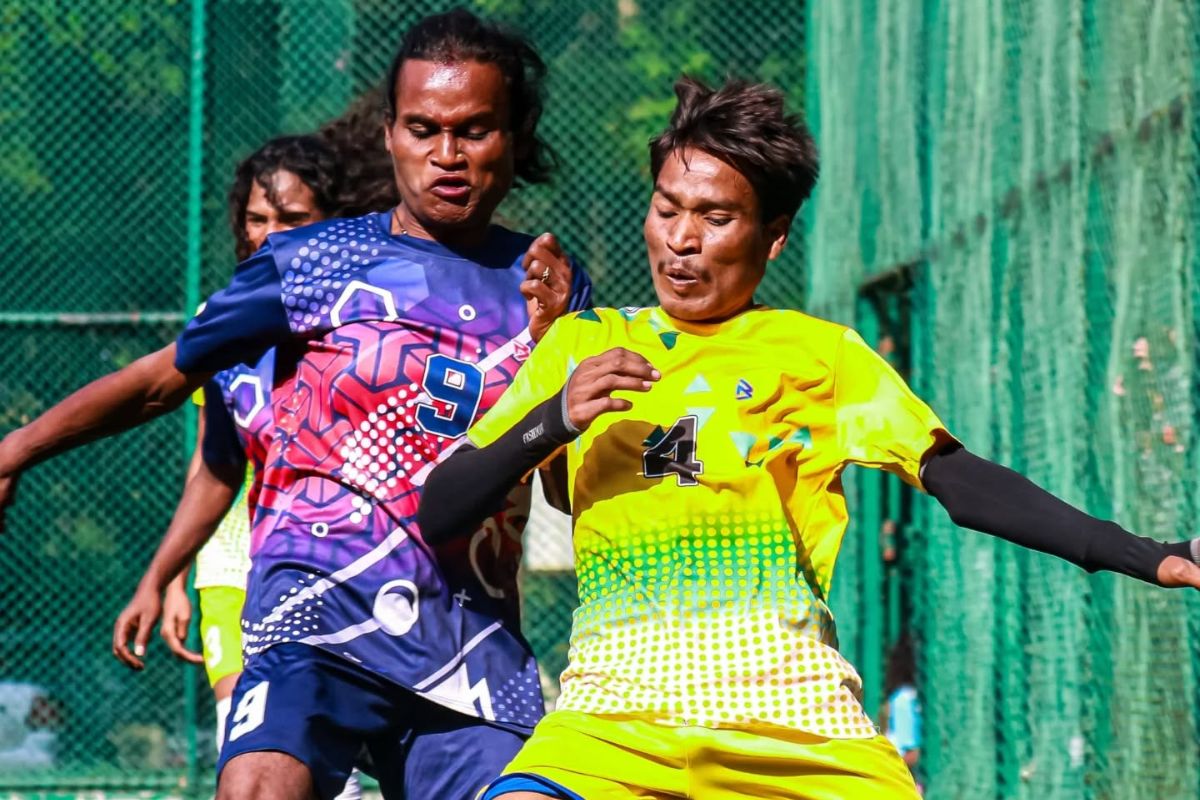
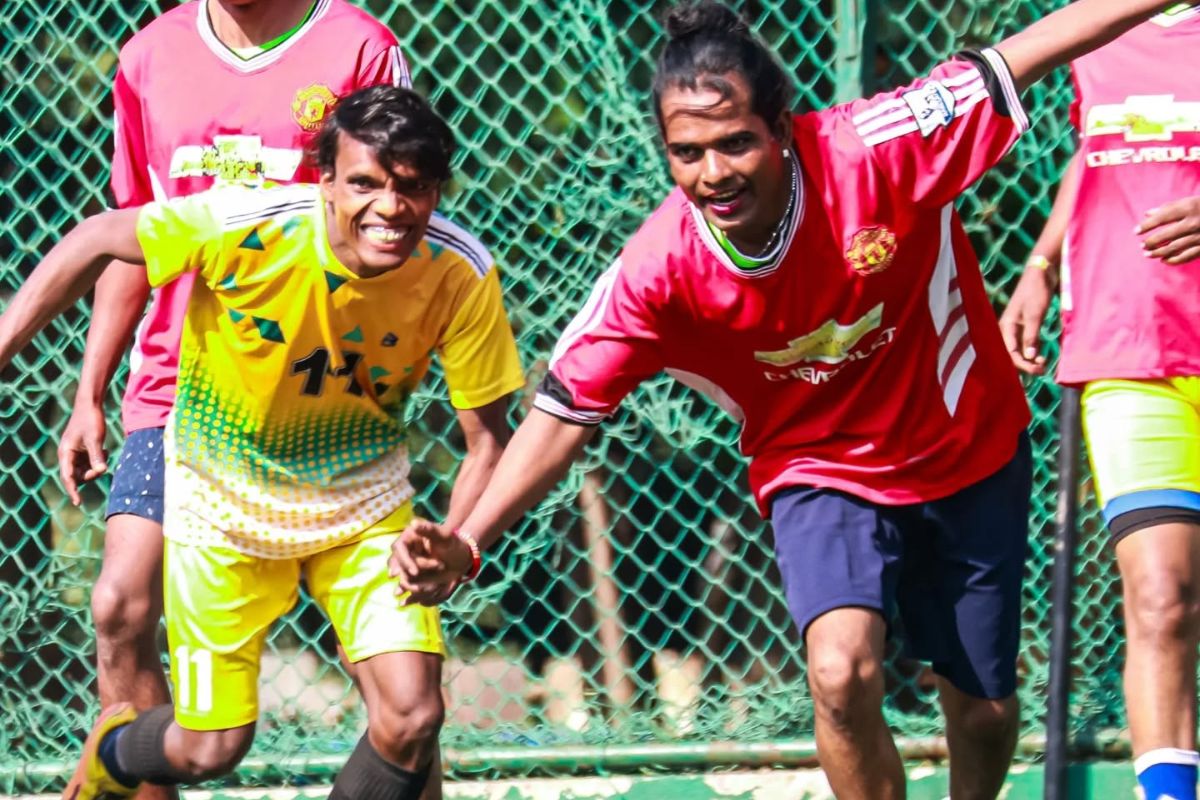
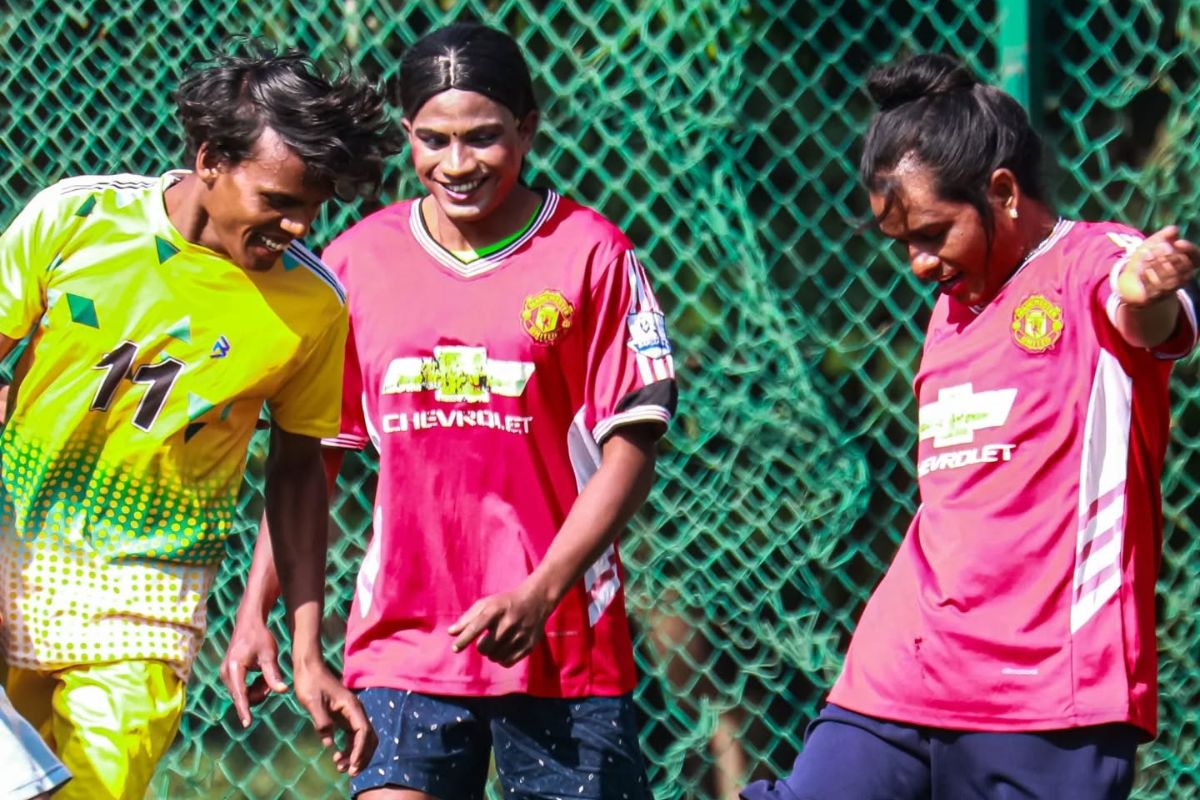
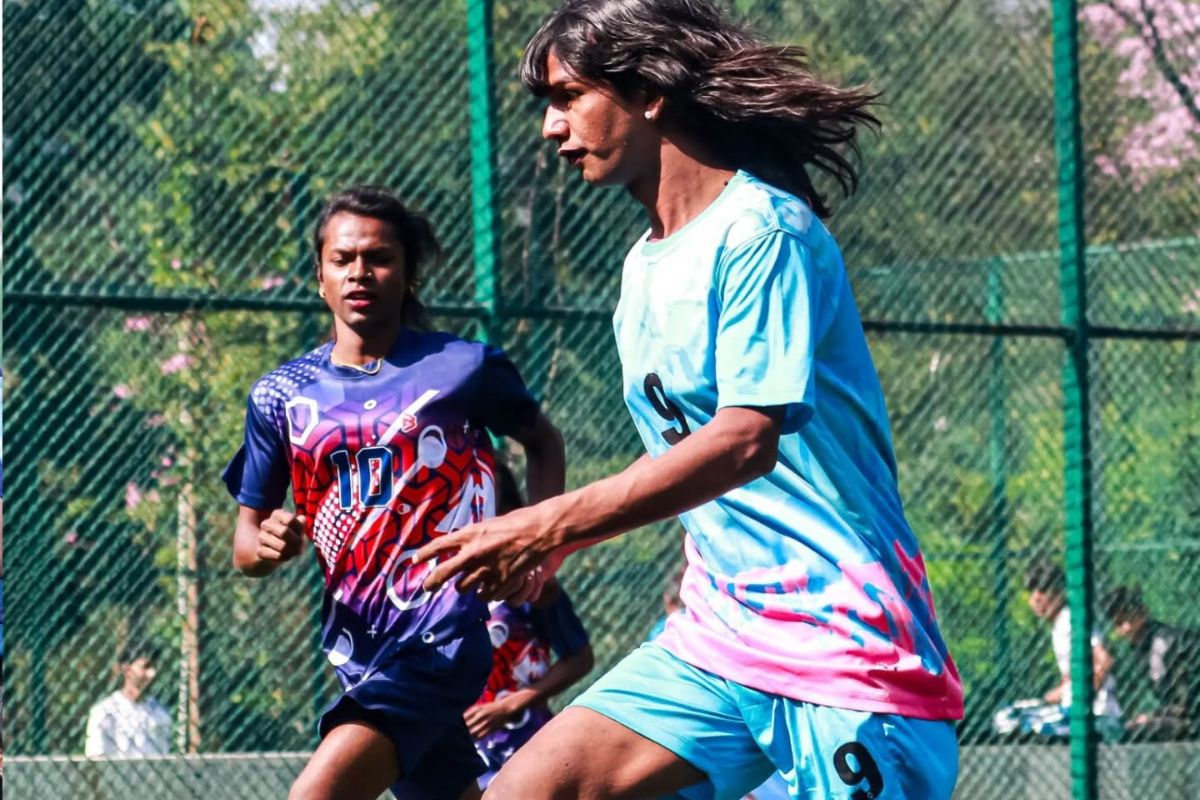
Seventy transgender players created history at JRD Tata Sports Complex as India’s inaugural transgender football league took off in Jamshedpur in December 2025.
The Jamshedpur Super League brings together seven teams from across the region. Players include Tata Steel employees, daily wage workers, and small business owners who had waited years for this opportunity. The league operates in a five-a-side format, with 42 fixtures scheduled over six months and matches taking place every Sunday. The seven participating teams are Jamshedpur FT, Chaibasa FC, Chakradharpur FC, Jamshedpur Indranagar FC, Naomundi FC, Saraikela FC, and Kolhan Tiger FC. Each team will play 12 matches throughout the season.
Player Perspectives
The players expressed strong feelings about the league’s significance. Pyari Hessa, captain of Jamshedpur FT, stated, “We are thrilled to be part of this groundbreaking initiative. It gives us a platform we never had before and will hopefully inspire other states.” Puja Soy of Jamshedpur FC said, “Football is such a beautiful sport, and for the first time, I felt like I was not being seen for my gender, but for my game.” Another player, Aliya, remarked, “This is the first time we are playing in a proper professional environment. The support makes us feel like we truly belong to the football family.”
Earlier Foundations
The league builds on previous efforts to create a space for transgender footballers in India. In 2018, Imphal hosted a friendly match between transgender men and women teams. This event led to the formation of Ya_All, India’s first transgender football club, founded by activist Sadam Hanjabam in 2020.
Ya_All fielded an all-transmen team that competed in local tournaments in Manipur despite cultural resistance. The organisation created safe training environments for players who faced discrimination elsewhere. The Jamshedpur league represents a larger-scale effort, moving from a single club to a multi-team competition with a formal structure.
Organisational Support
Jamshedpur FC, backed by Reliance Foundation, provided the primary institutional support for the league. The organisation arranged the use of the JRD Tata Sports Complex and managed the competition’s logistics. Kundan Chandra, Head of Grassroots and Youth Football, explained the rationale: “This League reinforces our academy’s belief that sport can lead to societal change. Football must serve as a platform where talent is nurtured without discrimination.”
The initiative fits within the broader Jamshedpur Super League framework, which runs a six-month program to expand football participation among underserved groups. Reliance Foundation’s involvement brought professional organisation, regular scheduling, and media visibility that smaller grassroots efforts typically lack.
Barriers Before the League
Transgender footballers in India faced substantial obstacles before the formation of the league. Society often evaluated them based on gender identity rather than athletic ability. Players from Ya_All in Manipur encountered persistent judgment during matches, even in a state where football holds cultural importance.
Mainstream competitions excluded transgender athletes through policies that either ignored their existence or explicitly barred participation. The 2023 prohibition on transgender women in international cricket established a precedent that affected multiple sports. Without dedicated leagues, players relied on occasional friendly matches and informal tournaments that offered limited skill development.
Economic challenges compounded these difficulties. A National Human Rights Commission study found that 92 per cent of transgender individuals were denied employment opportunities, forcing many into low-wage work. Players in the Jamshedpur league include people who balanced their jobs with training. Access to coaching, equipment, and safe practice facilities were scarce.
Legal barriers also created problems. Some states required proof of surgery to change identity documents, adding bureaucratic hurdles. Safety concerns persisted, with families worried about potential violence. These conditions caused mental strain, although organisations like Ya_All provided some community support.
National Context
India lacks a comprehensive national policy for transgender participation in organised sports. The Transgender Persons (Protection of Rights) Act of 2019 addresses many civil rights issues, but does not specifically mention athletics. The National Sports Development Code of 2011 omits transgender athletes from its framework.
This policy gap leaves decisionmaking to individual sports federations and organisations. Some have adopted inclusive practices, while others maintain restrictive policies. The Supreme Court has ruled that Articles 14 and 21 of the Constitution guarantee equality and dignity for all citizens, including in sports. However, the implementation of these principles varies widely across different sports bodies.
International organisations, like the International Olympic Committee, have developed a framework for transgender participation that emphasises inclusion while addressing concerns about competitive fairness. Indian sports authorities have not yet adopted comparable national standards.
Comparative Analysis
The Jamshedpur league differs from earlier transgender sports initiatives in several ways. Ya_All operates as a single team competing in existing tournaments, while the Jamshedpur league created an entire competition structure. The scale expanded from one team to seven, with 70 players participating in a regular season format.
Institutional backing also distinguishes this league. Ya_All relies on activist leadership and grassroots funding, whereas the Jamshedpur competition receives support from Jamshedpur FC and Reliance Foundation. This corporate involvement provides access to professional facilities, consistent scheduling, and broader media coverage.
The league draws participants from diverse backgrounds across the region, including tribal communities. This geographic and demographic spread creates wider community engagement than single-team efforts achieve.
Social Impact
By January 2026, the league had generated national attention through social media and news coverage. The visibility helped shift conversations about transgender rights beyond policy debates to concrete achievements in sports.
Players come from varied economic situations, including formal employment at Tata Steel and informal daily wage work. This mix demonstrates that talent exists across social strata when opportunities become available.
The league serves as a potential model for other states and cities. Several sports organisations have expressed interest in similar programs, though none have launched as of early 2026.
Future Prospects
The league’s six-month schedule will conclude in mid-2026. Organisers have not announced plans for subsequent seasons yet, though initial reception suggests strong interest in continuation.
Questions remain about how to expand transgender participation beyond dedicated leagues into mainstream competitions. Some advocates argue for integration policies, while others prefer separate categories that ensure fair competition and adequate representation.
Legal reforms would strengthen protection for transgender athletes. A national sports policy that addresses eligibility criteria, anti-discrimination measures, and grievance procedures could establish consistent standards across different sports and regions.
The success of the Jamshedpur league may influence these broader policy discussions. As the first structured transgender football competition in India, it offers practical evidence about organisational requirements, participant enthusiasm, and public reception.
For now, matches continue every Sunday at JRD Tata Sports Complex, where 70 athletes are writing a new chapter in Indian sports history. The goals they score and saves they make matter beyond the final whistle, challenging assumptions about who belongs on the field and what Indian football should look like.
Also Read:BookVine: Slum Children Inspired Global Book Platform
You can connect with DNN24 on Facebook, Twitter, and Instagram and subscribe to our YouTube channel.