

Abdul Rashid Lone keeps a fading craft alive in downtown Srinagar. His Mandan soap remains essential for making Namda rugs.
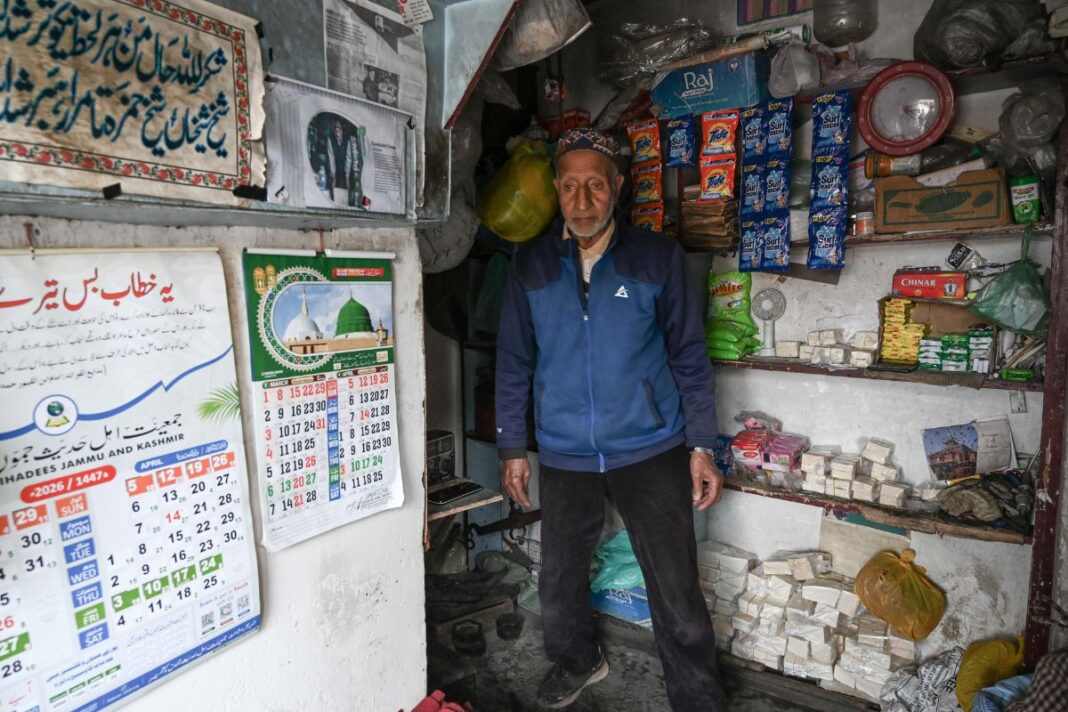
Inside a dimly lit, compact shop at the corner of a narrow alley in downtown Srinagar, Abdul Rashid Lone keeps a fading craft alive. Large rectangular soap blocks sit at the front of his shop. Inside, smaller uneven soap pieces, packed in polythene, lie stacked haphazardly on shelves.
“These are handmade soaps used for different purposes,” said the 65-year-old Lone. His shop, located near Khanqah-e-Moula, is believed to be the last surviving traditional soap-making outlet in Kashmir. “I make these soaps at home and sell them here,” he added.
Lone is known for making one of the soaps that keeps the dying craft of Namdasaazi alive in Kashmir. Locally known as Mandan soap, it is used in making Namda — a traditional Kashmiri felted wool rug. Artisans layer raw wool, sprinkle water, apply Mandan soap, and then roll and press it repeatedly until the fibres bind. Mandan soap acts as both a lubricant and a cleaning agent in this process. It helps the fibres interlock, giving the rug strength and durability.
Often adorned with colourful Aari (hook) embroidery, these Namda rugs are used on floors. “We can’t make Namda rugs without Mandan soap,” said Lone. “For one Namda, you need around 200 to 250 grams of Mandan soap.”
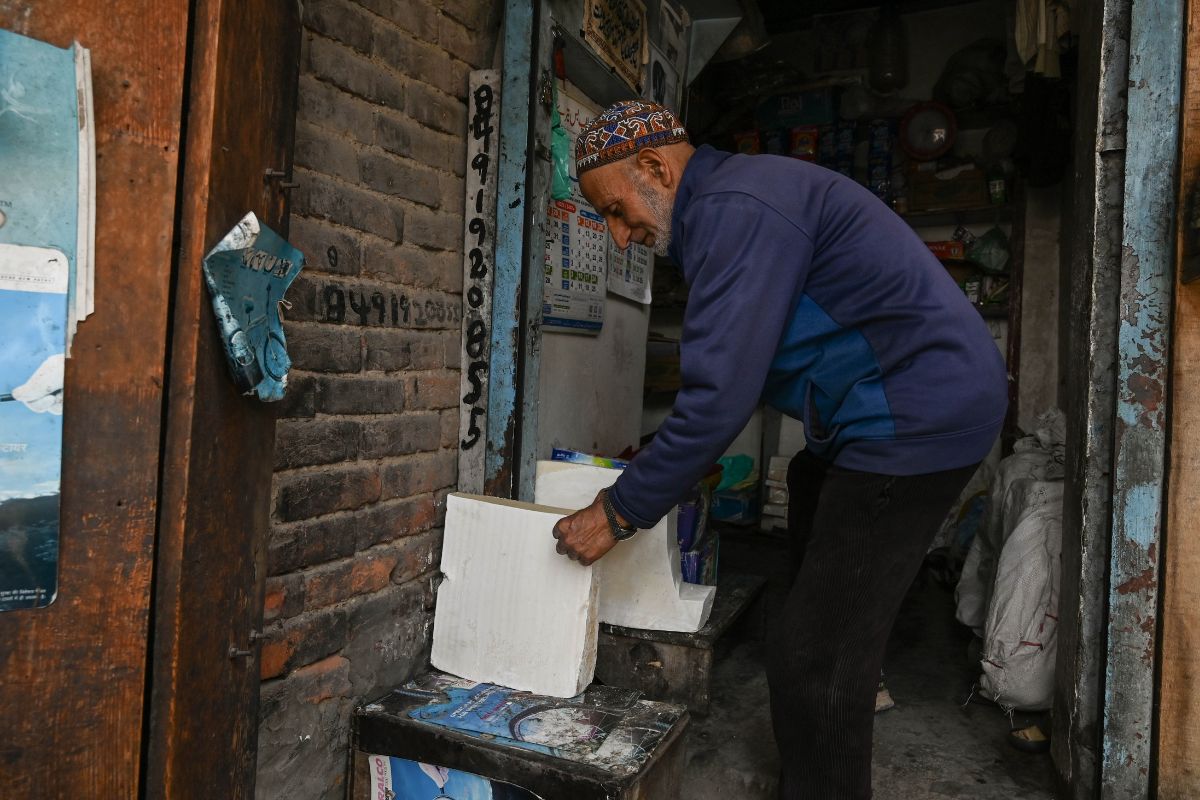
Unlike commercial soaps, Mandan soap is thick and solid. It comes in large rectangular slabs. Each slab can weigh up to 100 kilograms, and it is sold by the kilogram.
Lone also makes soaps for personal use, including bathing and washing clothes. One, he says, helps reduce dandruff and itching.
“It is natural and has no chemicals,” Lone told DNN24. “But it must be used properly.”
He explains the method to each customer. After applying the soap to the scalp, it should be left for two minutes and then rinsed with water.
“I have customers, both men and women, who have used my soap to get rid of dandruff and itching,” Lone said. “The best part is that even young people continue to use my product despite the availability of many modern alternatives.”
For washing clothes, Lone says his soap cleans effectively and does not damage the fabric.
The entire soap-making process remains manual. Lone prepares the soaps at home using inherited methods. He pours the mixture into moulds, leaves it to set, then cuts it into blocks.
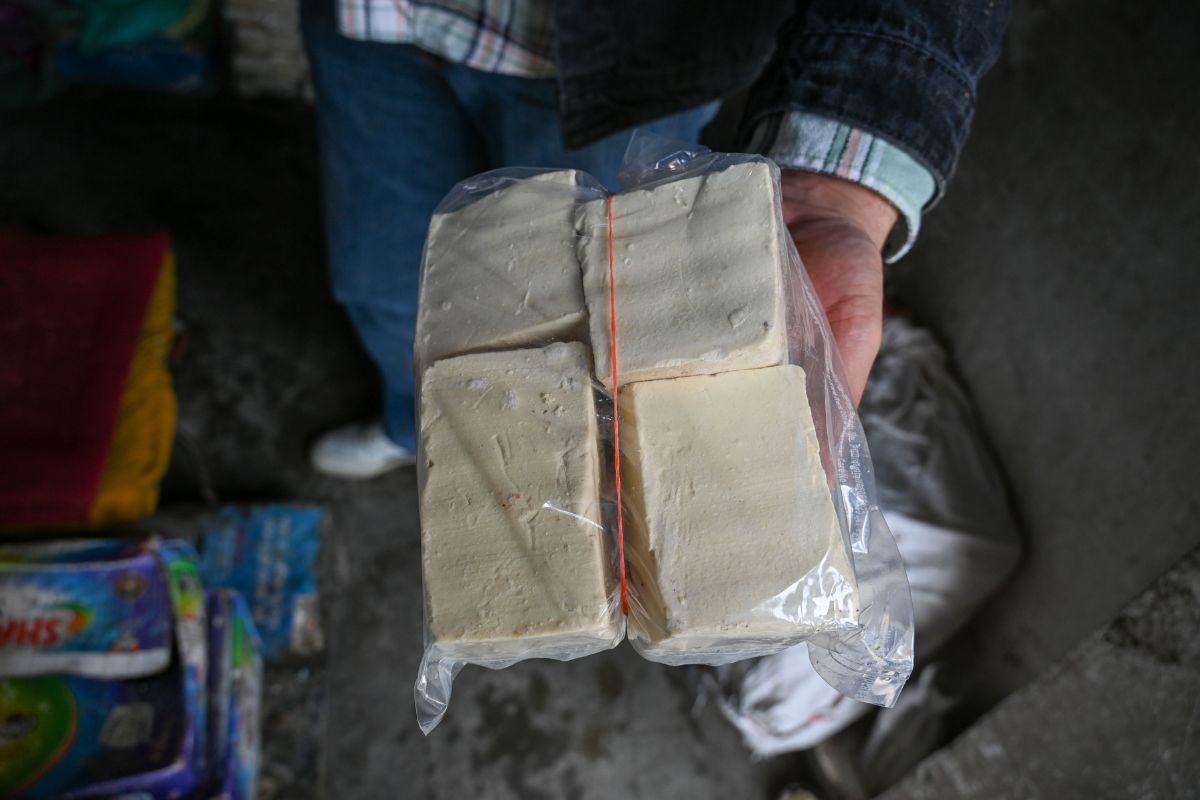
Bathing and washing soaps are shaped into small, uneven pieces and packed in polyethene, usually as single bars or in bundles of four.
Lone took over the shop from his predecessor, Haji Ghulam Rasool, more than 35 years ago. The shop itself is nearly 90 years old. Before that, Lone had run his own shop right next to Rasool’s.
“Haji Ghulam Rasool was always concerned about who would carry forward his legacy,” Lone told DNN24. “I assured him that I would keep his name and work alive.”
After Rasool left, Lone took over the craft. “No one from his family stepped into the profession, so I did,” he said.
In the beginning, making soap was difficult. After several attempts, he improved his skills. “Haji Ghulam Rasool only made Mandan soap,” Lone said. “Once I became skilled, I started making soaps for personal use as well.”
Lone did not just keep Rasool’s legacy alive; he also carried forward the legacy of Khanqah-e-Moula, an area once known for traditional Kashmiri soap-making.
“Back then, almost every few lanes in downtown Srinagar had a soap-making shop. Now, only I remain,” Lone said. “I am still surviving. That means people trust what I make. Otherwise, modern products would have replaced everything.”
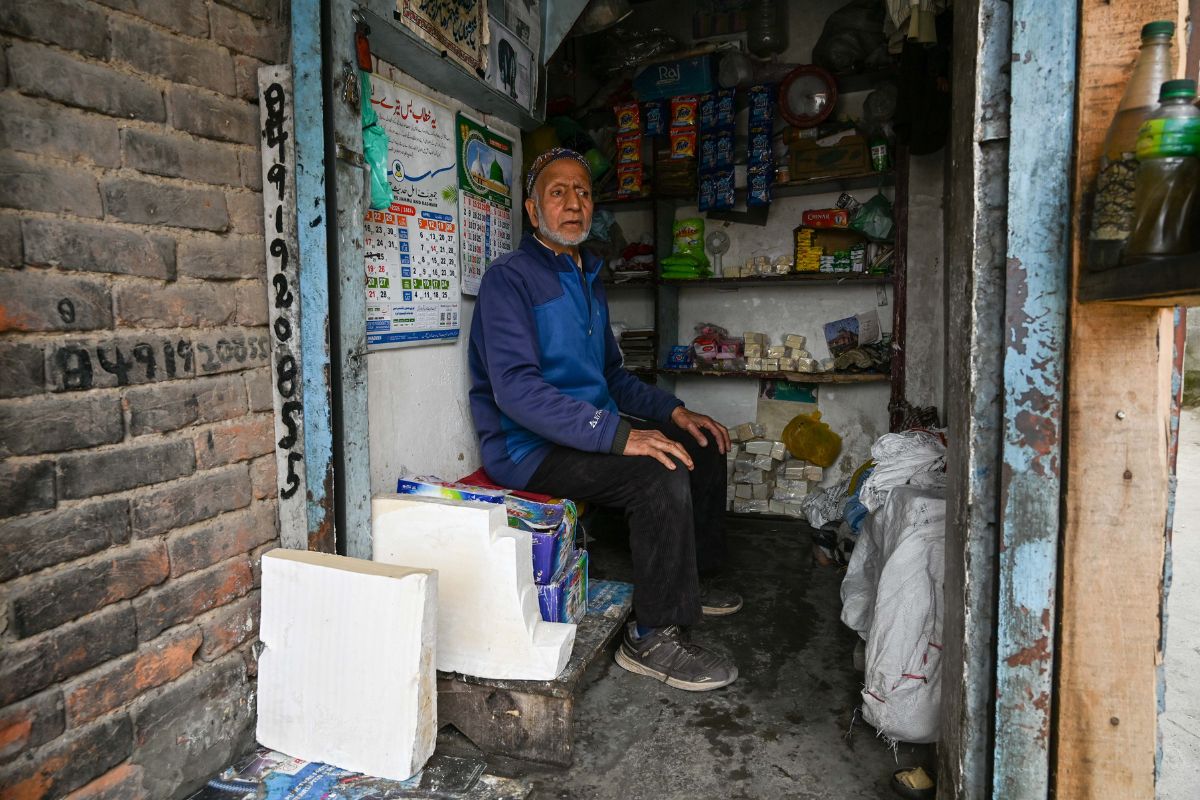
In 2021, the Jammu and Kashmir Handicrafts and Handloom Department featured Lone in its Craft Safari initiative, which highlights traditional artisans of the city. His shop is part of the Craft Safari route introduced after Srinagar was included in the UNESCO Creative Cities Network in 2021.
Lone says he gets customers every day and has regular buyers who return for his soaps. “I take this soap because it works on your hair. It gives you relief from dandruff and itching,” said Sumaira, a young customer of Lone. She said she prefers his soap over branded products because it feels more natural and effective.
Lone says people take his soap abroad, especially those who travel frequently. “Mostly, Hajj pilgrims take it with them,” Lone said.
Lone keeps traditional soap-making alive, which in turn supports the craft of Namda. Yet, ironically, he has named his shop “Modern Kashmiri Soap.”
Also Read:Kashmir Dentist Dr Itinderpal Singh Bali Trains India in First Aid
You can connect with DNN24 on Facebook, Twitter, and Instagram and subscribe to our YouTube channel.