


Untold Stories That Built Bollywood Legends begins not with spotlights or applause, but with a heavy stone dragged inch by inch across a quiet lawn, a poem refused without respect, a tune borrowed as a test, and rumours that nearly shattered lives, revealing how patience, principle, fear, and resolve quietly shaped Hindi cinema’s greatest names.
The Three-Month Journey That Became Amitabh’s Success Mantra
Amitabh Bachchan stood bewildered at his doorstep one morning. His father had asked for help moving what appeared to be an impossibly heavy rock. The young Bachchan suggested calling others for assistance, assuming his elderly father could not have brought it alone.What happened next became the foundation of one of Bollywood’s most enduring success stories.
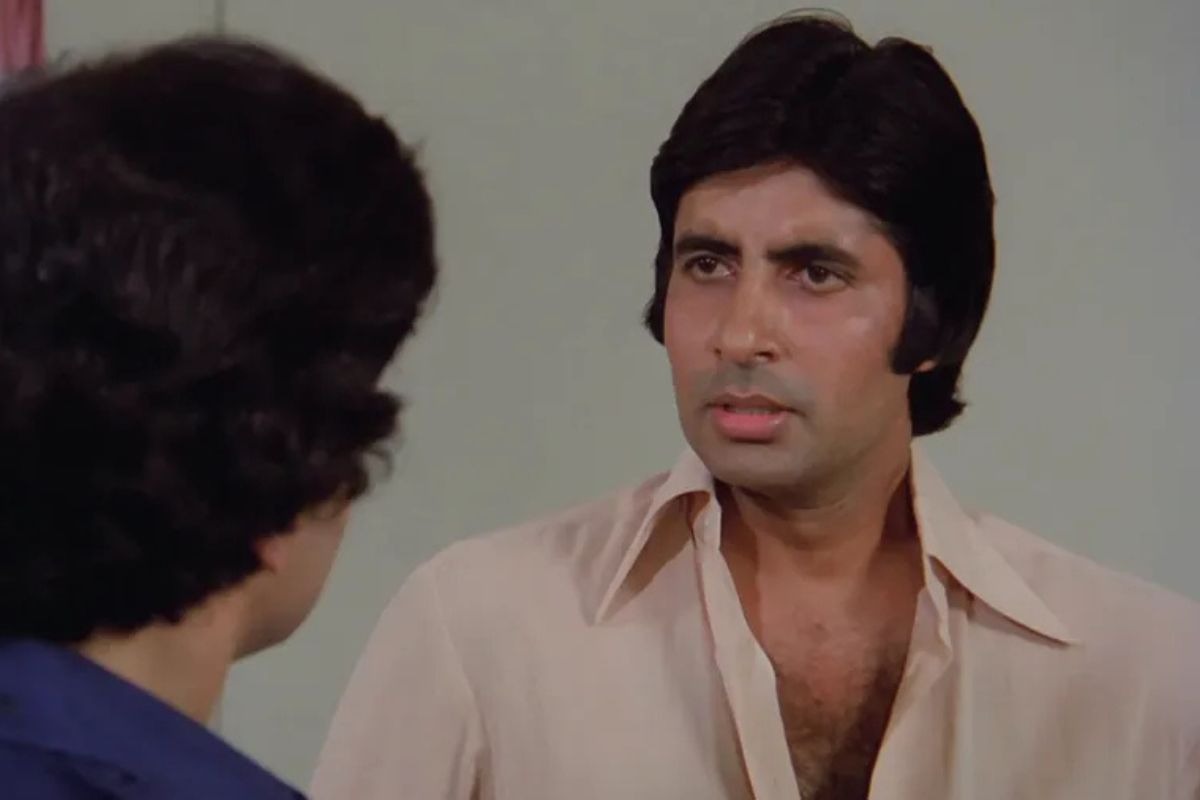
Harivansh Rai Bachchan smiled and delivered words that would become his son’s lifelong mantra. The renowned poet had moved that stone himself, inch by painstaking inch, over three long months. Every morning during his walk, he would push it slightly forward. The distance was negligible, the progress almost invisible, but the commitment remained absolute.
The lesson sank deep into Amitabh’s consciousness. Success does not arrive overnight. It requires continuous effort and patience to move forward, even when progress seems invisible. The actor recently stated in an interview that he intends to work until his last breath. This philosophy mirrors tales from Indian history, where persistence transforms ordinary effort into extraordinary achievement.
When Sahir Ludhianvi Stopped BR Chopra From Using His Poetry
Chopra was working on the music for his film Gumraah when his younger brother Yash suggested using one of Sahir’s existing poems. The nazm in question was “Chalo Ek Baar Phir Se Ajnabi Ban Jaayein Hum Dono.” The suggestion appealed to BR Chopra, and he agreed without consulting the poet.
Sahir happened to visit during a creative session. When BR Chopra casually mentioned they had selected his poem for the film, the lyricist’s reaction stunned everyone present. He felt taken for granted. Despite his respect for Chopra, the poet insisted on hearing the story first, understanding the situation where the song would appear, and only then could he decide whether his work fit the context. This was about artistic integrity and professional respect.
After the situation was explained correctly and Sahir was convinced that the poem suited the film’s requirements, he granted permission. The song became immortal in the voice of Mahendra Kapoor, composed by Ravi, and picturised on Sunil Dutt. The principle remained clear: creative work deserves consultation.
SD Burman Stole His Own Son’s Tune and Called It a Test
Young Pancham lived in Calcutta during his childhood, but his obsession with music affected his studies. SD Burman eventually decided to bring the boy to Mumbai for proper musical training. The teenager began assisting his father while developing his own style.
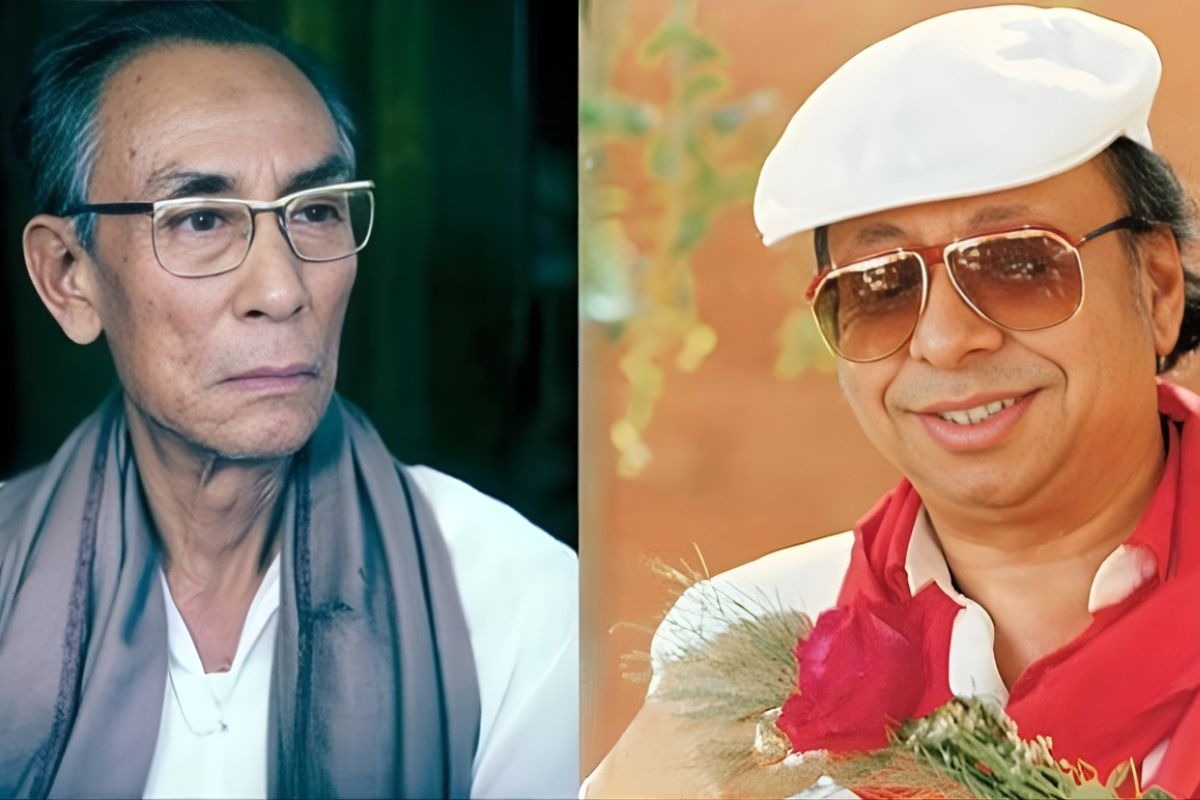
Pancham would compose tunes on his mouth organ and share them with his father. In 1956, when SD Burman’s film Funtoosh was released, the son was shocked to hear one of his own compositions in the song “Aye Meri Topi Palat Ke Aa.” His father had used the tune without asking.
When Pancham confronted him, SD Burman laughed heartily. He explained that this was a test. He wanted to see if his son’s composition would resonate with audiences. The song became popular, and SD Burman’s prediction proved accurate.
How Manna Dey Finally Got His Dream Song From SD Burman
Singer Manna Dey joined Sachin Dev Burman as an assistant and became a devoted admirer of the composer’s work. They harboured a quiet wish: to sing a song composed by SD Burman.
Beyond professional duties such as taking notation and arranging rehearsals, Manna Dey also attended to Burman’s personal preferences. He bought paan and bananas, items the composer loved. Every effort to stay in good favour while hoping for an opportunity.
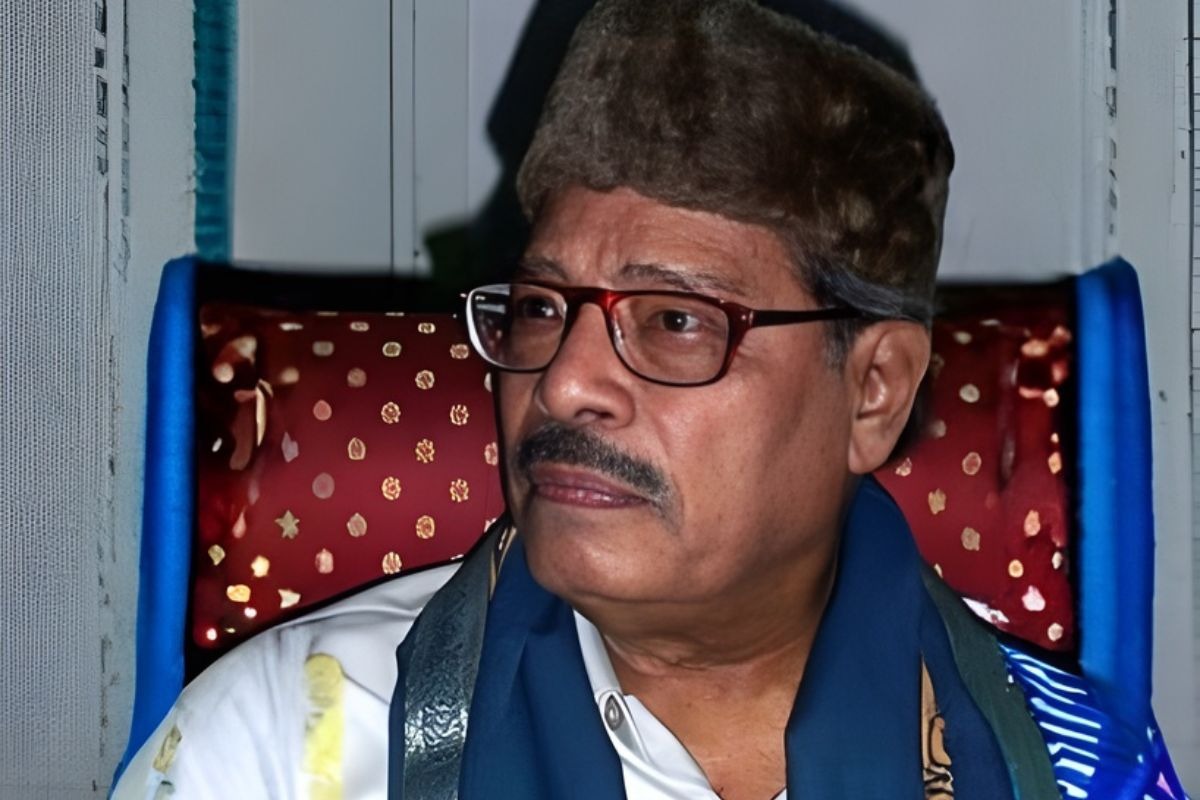
That chance arrived during work on the film Mashal. SD Burman had composed “Upar Gagan Vishal.” Manna Dey learned it thoroughly while other singers remained busy. The recording date approached, but none of the leading singers had rehearsed this composition.
Burman heard Manna Dey singing during practice and declared that Dey would record the song. Sometimes dedication finds its reward in unexpected moments.
The Fake Wedding Rumour That Almost Destroyed Guru Dutt’s Marriage
One Friday, a shocking rumour spread through a mosque in Bombay. Guru Dutt and Waheeda Rehman had married, and the director had converted to Islam. None of it was true. The director’s marriage to Geeta Dutt had suffered irreparable damage. During this period, Guru Dutt and Waheeda grew close, spending considerable time together on sets.
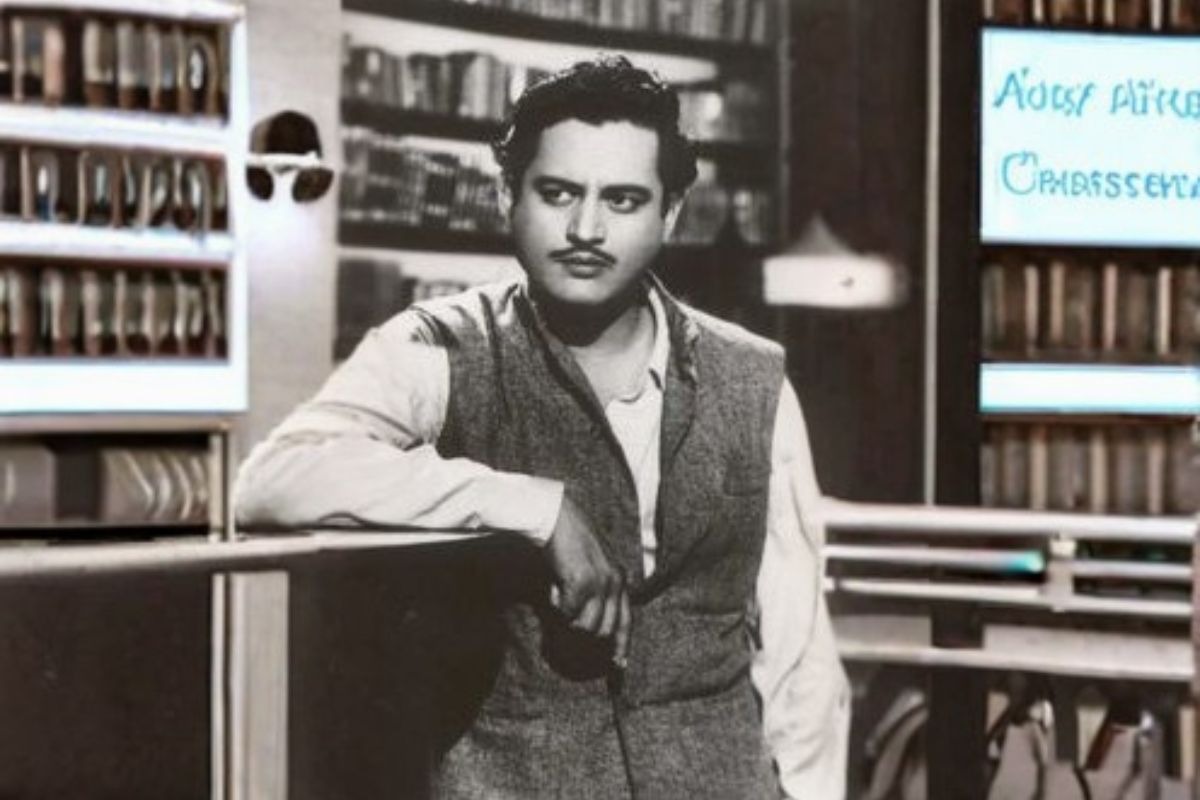
Waheeda had told her family she would only marry a Muslim man. When her younger sister Saida’s husband, Raouf, learned of the relationship, he grew furious. Raouf spread the rumour at the mosque. The news travelled like wildfire.
When Guru Dutt learned of this, he immediately called his writer, Abrar Alvi. Along with music director Rahman and actor Johnny Walker, they confronted Raouf. The man was forced to admit he had fabricated the story. The concern was genuine. Geeta Dutt was in London. If this news reached her, the shock could be devastating. The quick action contained the damage.
Why Dharmendra Begged Hema Malini to Reject Ek Chadar Maili Si
When director Sushant Nanda offered Hema Malini the lead role in Ek Chadar Maili Si, she accepted. But Dharmendra became deeply distressed and urged her to reject the film.
Years earlier, another film with the same title was being made. Dharmendra was cast as the brother-in-law of actress Geeta Bali. During filming, Bali contracted chickenpox. The illness claimed her life. Dharmendra had witnessed this tragedy. He feared the name carried a curse.
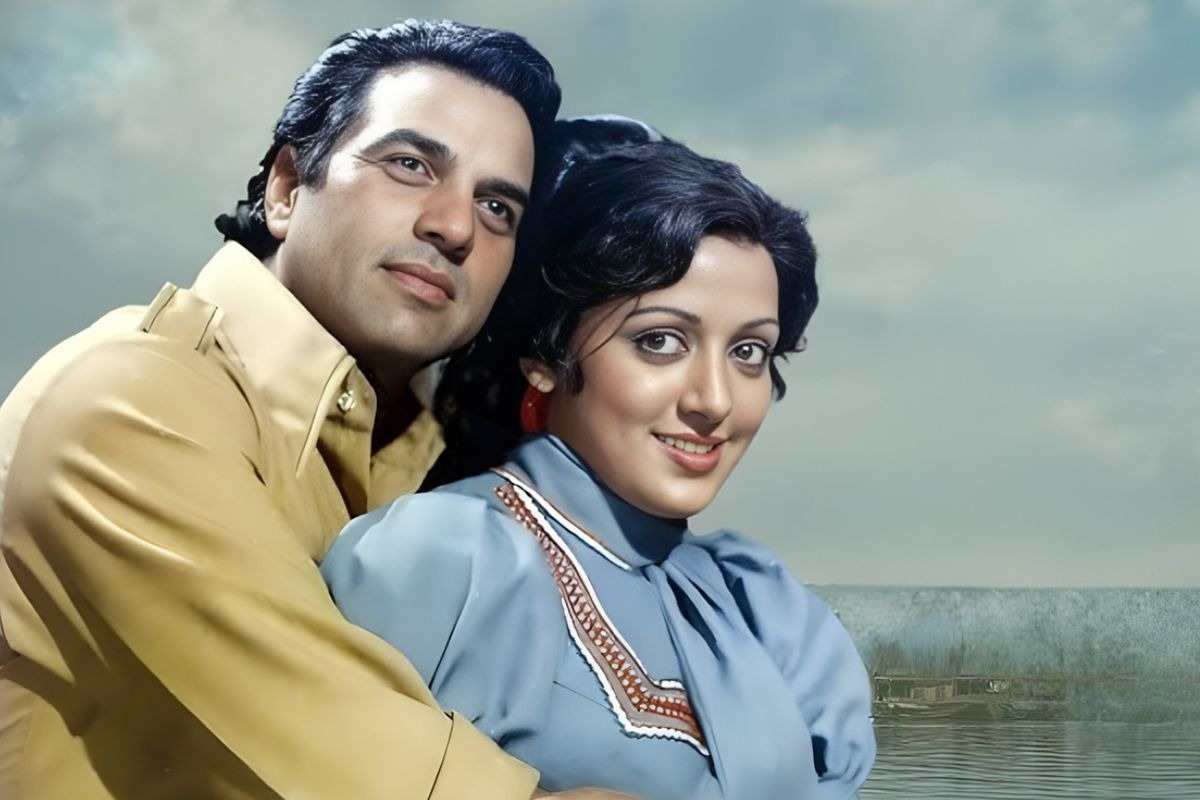
Family and friends reasoned with him. Eventually, Dharmendra reluctantly agreed, and Hema Malini went ahead with the film. Based on Rajendra Singh Bedi’s award-winning novel, Ek Chadar Maili Si was released in 1986.
The Human Stories Behind the Stardom
These stories reveal an essential aspect of the Hindi film industry. Behind the songs and stardom exist real people navigating principles, relationships, patience, and fear. Amitabh Bachchan’s success was built on a stone moved inch by inch. Sahir Ludhianvi defended artistic respect. SD Burman tested his son unconventionally. Manna Dey’s patience found reward. Guru Dutt faced rumours. Dharmendra confronted superstition.
The film world appears magical, but it operates on human truths. Persistence matters. Respect matters. Patience matters. These untold stories remind us that legends are built one small step at a time, much like a stone moved slowly across three patient months.
Also Read: Manna Dey: The Singer Who Let the Song Speak First
You can connect with DNN24 on Facebook, Twitter, and Instagram and subscribe to our YouTube channel.