

A Forgotten Folk Art Finally Gets Its Due
Whenever people talk about the folk arts of Bihar, the first name that usually comes to mind is Madhubani painting. For decades, it has been the state’s most recognized cultural symbol. However, Bihar is also home to another remarkable traditional art form that remained confined within the walls of rural homes for generations. This Art is known as Pidiya Art.
The recent recognition of Pidiya Art with a Geographical Indication (GI) Tag has brought it into the national spotlight. This honour is not only a recognition of an ancient folk tradition but also a tribute to the countless rural women who preserved it for generations without seeking fame or rewards.
What Is Pidiya Art?
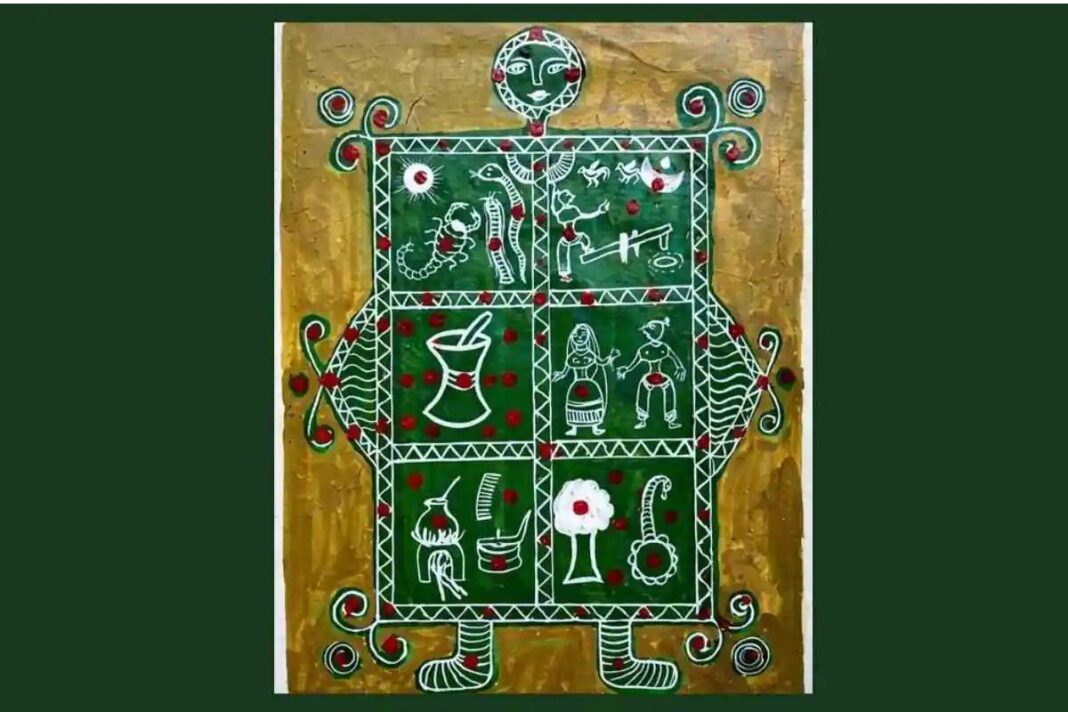
Pidiya Art is a traditional folk painting style originating in Bhojpur district, Bihar. Unlike modern artworks created in galleries or studios, Pidiya Art comes to life on the mud walls of village homes. Before painting, women plaster the walls with a mixture of mud and cow dung. They then use natural colours to create a variety of beautiful motifs.
These paintings feature flowers, leaves, trees, birds, the sun, the moon, elephants, sacred pots, deities’ symbols, and many other elements inspired by village life. Every design reflects local beliefs, nature, family values, and cultural traditions passed down through generations.
When Fingers Become the Artist’s Brush
At a time when many art forms depend on expensive paints, brushes, and modern tools, the beauty of Pidiya Art lies in its simplicity. No costly materials are required. Women create these intricate designs using only their fingers, palms, or small pieces of wood.
Every line carries a personal touch, making the artwork feel warm and alive. It often seems as though the mud walls themselves are telling stories through these handmade patterns. This natural simplicity is what makes Pidiya Art unique and deeply connected to rural life.
More Than Decoration, It Is a Symbol of Blessings
Calling Pidiya Art merely a decorative tradition would not do justice to its true meaning. In villages, it is considered an important part of every auspicious occasion. Whether it is Chhath Puja, a wedding, a housewarming ceremony, the birth of a child, or the celebration of a new harvest, Pidiya Art finds its place on home walls.
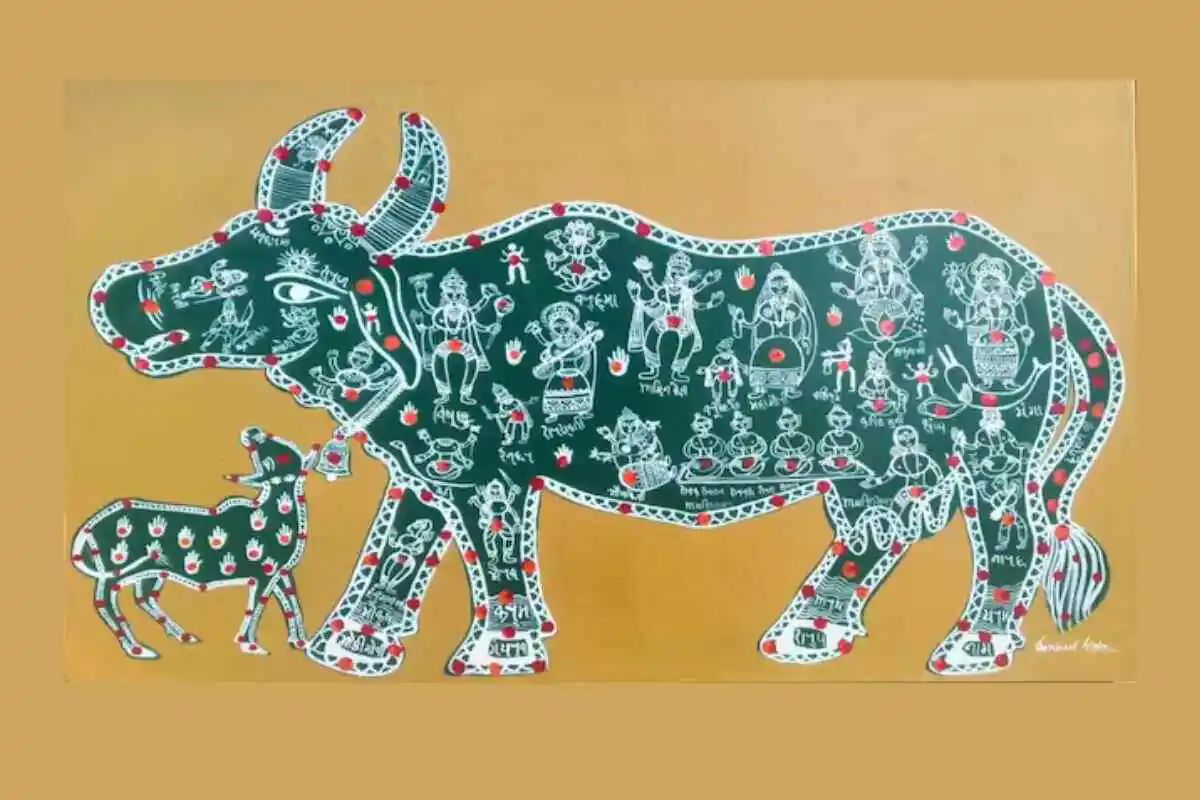
People believe these paintings bring prosperity, peace, and happiness to the household. When a woman paints the sun, the moon, or a sacred tree, she is not simply creating an image. She is expressing her prayers and hopes for the well-being and good fortune of her family.
How Is Pidiya Art Different from Madhubani Painting?
Many people often mistake Pidiya Art for Madhubani painting, but the two have distinct identities. Madhubani is known for its detailed patterns, vibrant colours, and densely filled compositions. Pidiya Art, on the other hand, draws its strength from simplicity.
In Pidiya Art, the mud wall itself becomes the canvas, and the empty spaces are just as meaningful as the painted figures. If Madhubani celebrates colour and intricate detail, Pidiya Art reflects the earth’s fragrance, the innocence of village life, and the warmth of human relationships.
A Journey from Village Homes to Global Recognition
For many years, Pidiya Art remained limited to the walls of rural homes. Today, its journey has reached far beyond village boundaries. With the award of the GI Tag, Pidiya Art has become a shared cultural heritage of the entire nation, rather than remaining a tradition known only within Bihar.
If Madhubani represents the vibrant colours of Bihar, Pidiya Art represents the fragrance of its soil. One introduces the world to the state’s artistic brilliance, while the other tells the story of its villages, traditions, relationships, and simple way of life. That is why Pidiya Art is no longer just a folk art. It has become the voice of the countless anonymous women whose hands preserved this priceless tradition by painting their love and faith on the mud walls of their homes.
Also Read: Tribal Village in Manipur Turned Trees Into Classrooms Where Children Learn Their Native Language
You can connect with DNN24 on Facebook, Twitter, and Instagram and subscribe to our YouTube channel.