
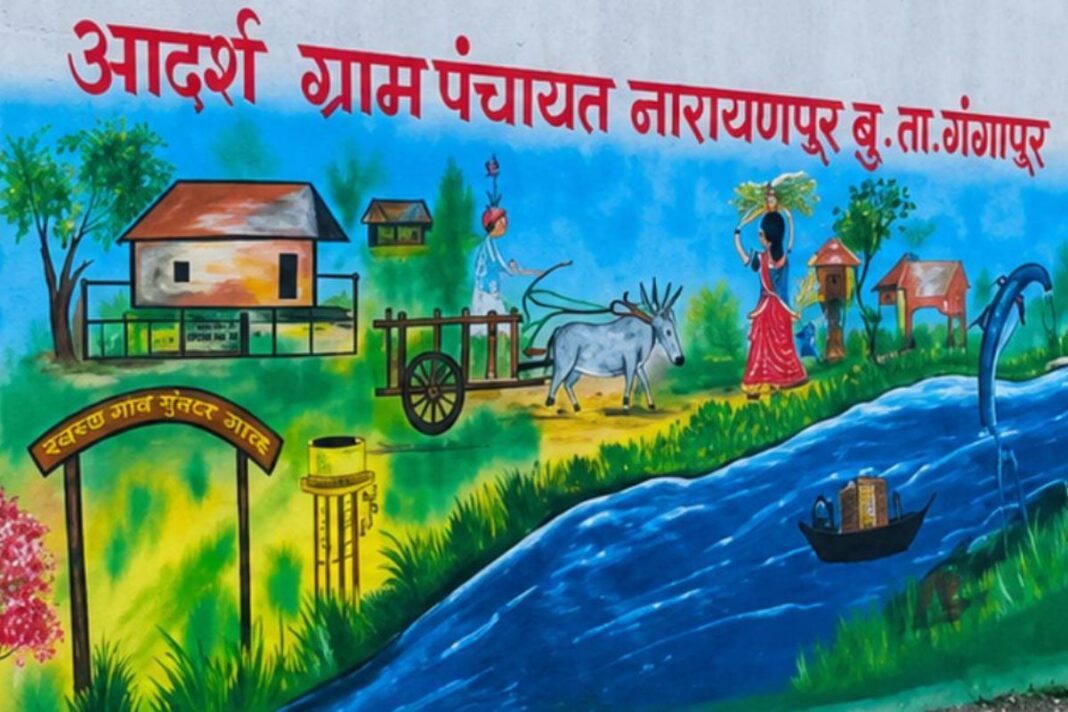

Nestled in the Marathwada region of Maharashtra, Narayanpur Budruk may appear to be an ordinary village at first glance. However, its remarkable journey makes it truly exceptional. With nearly 90 percent of its residents belonging to the Muslim community, the village has become a shining example of communal harmony. Here, unity is not limited to speeches or slogans. It is reflected in the daily lives of the people, whose actions have turned Narayanpur Budruk into an inspiration for the entire country.
The First Sign of Harmony Greets Every Visitor
As soon as visitors enter Narayanpur Budruk, one of the first landmarks they notice is a beautifully rebuilt Hanuman temple. More than a place of worship, the temple stands as a powerful symbol of the village’s belief that humanity comes before religious differences.
Many people carry preconceived notions about Muslim-majority villages. Narayanpur Budruk challenges those assumptions completely. Every religion is respected, and people celebrate festivals together with mutual warmth and understanding.
A Ruined Temple Rebuilt Through Collective Effort
For many years, the Hanuman temple remained in ruins. Its roof had collapsed, leaving the idol of Lord Hanuman placed on a simple platform under the open sky. Concerned about its condition, the villagers came together and decided to restore it. After consulting religious scholars and collecting donations from the community, they successfully rebuilt the temple. Today, it has become one of the village’s proudest landmarks.
“The Temple Is Ours, the Mosque Is Ours”
A video showing the temple’s reconstruction recently went viral on social media. In the video, members of the Muslim community proudly declare, “The temple is ours, the mosque is ours, and the statue of Babasaheb Ambedkar is also ours.”
These words are not just a slogan. They represent the inclusive values that have earned Narayanpur Budruk recognition across the country.
Sarpanch Explains How the Decision Was Made
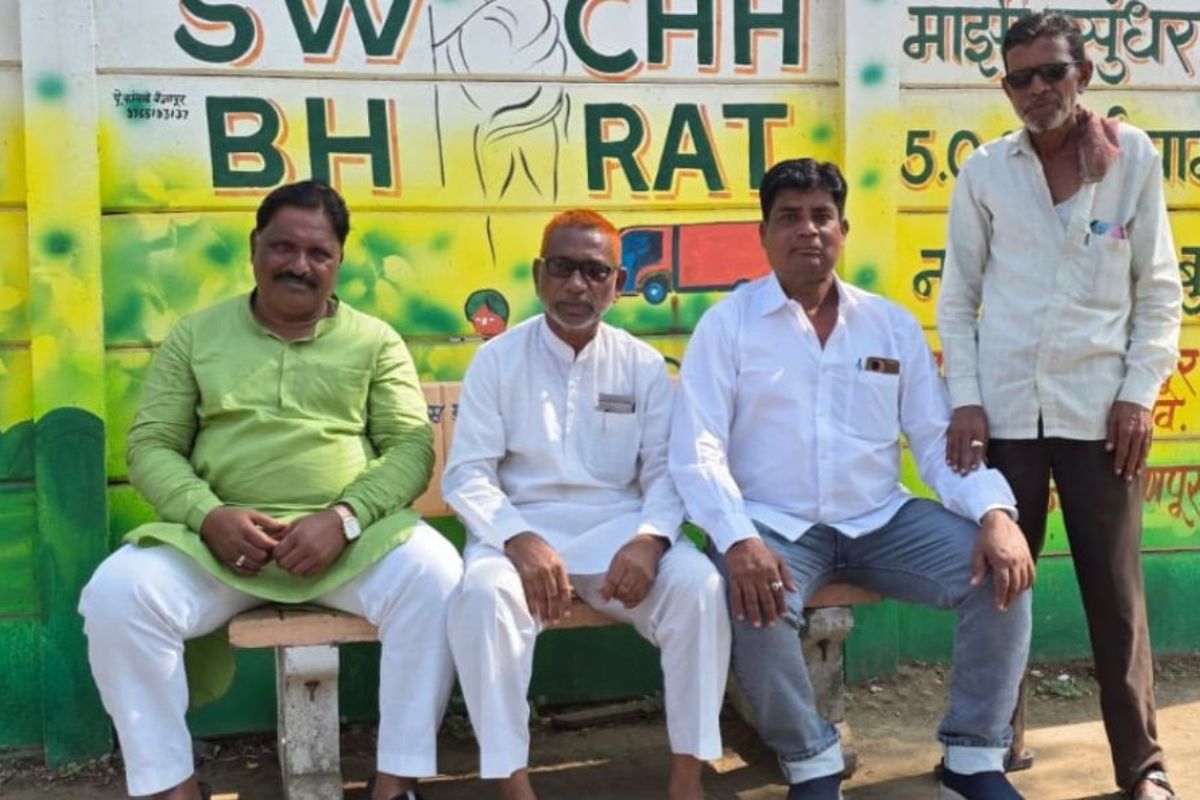
Village Sarpanch Nasir Patel told Awaz The Voice, “We have been seeing this Hanuman temple since our childhood. When we realised it had fallen into a very poor condition, the entire village came together, collected donations, and rebuilt it.”
He added, “Earlier, the temple had no roof. Only the idol of Lord Hanuman stood on a platform. Before beginning the work, we consulted a Maharaj for guidance. Every important decision in our village is taken through mutual understanding and consensus.”
A Leader in Cleanliness and Environmental Conservation
Narayanpur Budruk is known not only for communal harmony but also for its outstanding commitment to cleanliness and environmental protection. Under the Maharashtra Government’s Majhi Vasundhara Abhiyan 5.0, the village gram panchayat secured the first position in Chhatrapati Sambhajinagar district.
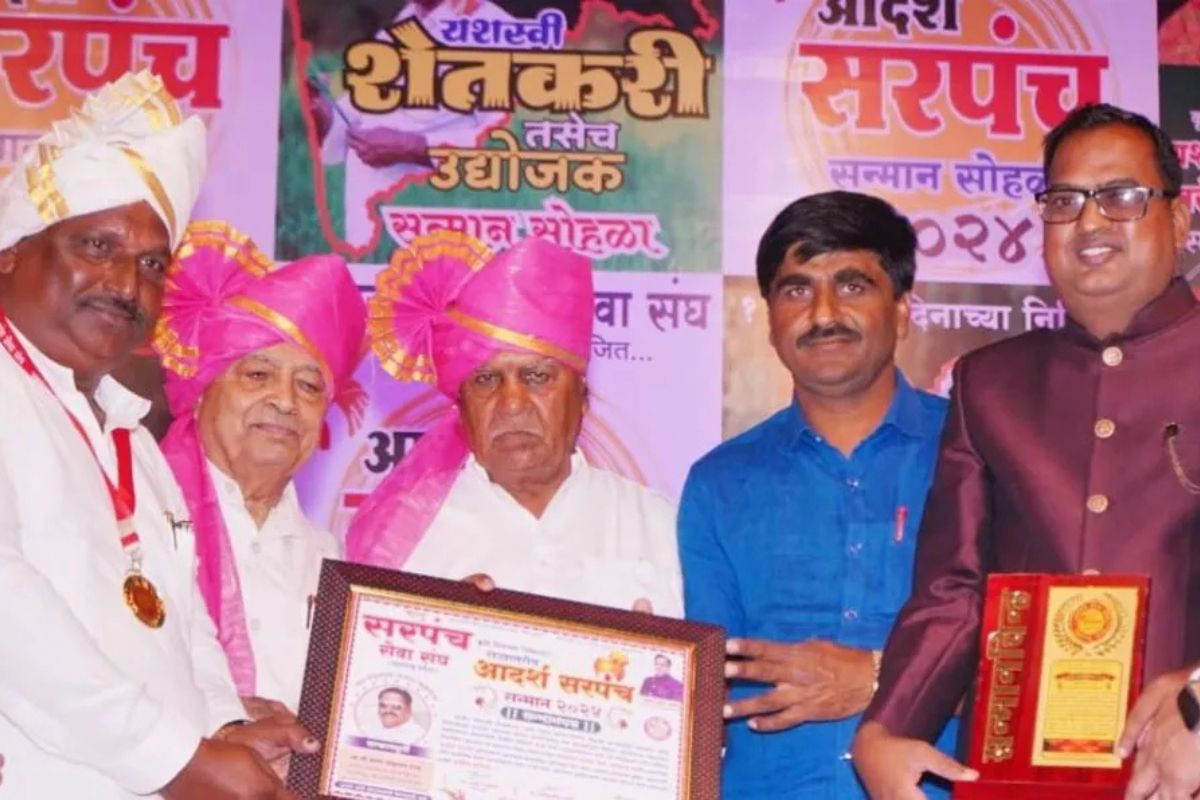
In recognition of its achievements, the village received a cash award of ₹50 lakh. The honour was given for its efforts in tree plantation, effective waste management, maintaining cleanliness, spreading environmental awareness, and conserving natural resources.
Thirty Years of Leadership, Continuous Progress
Sarpanch Nasir Patel has been leading the village for the past three decades. Under his leadership, Narayanpur Budruk has steadily transformed into a model village.
Today, the village has well-built cement roads, an underground drainage system, clean streets, and an RO drinking water plant for residents. Visitors are often impressed by the high standard of cleanliness and civic infrastructure.
Greenery Has Replaced Garbage
Narayanpur Budruk has successfully become a garbage-free village. Wet and dry waste are collected separately, while plastic waste is sent for recycling. Earlier, the village also received the prestigious Sant Gadge Baba Gram Swachhta Award for its cleanliness initiatives.
The village has also taken significant steps to conserve water. Under the leadership of Sarpanch Nasir Patel, Deputy Sarpanch Majid Patel, and Gram Panchayat Officer Swapnil Gharmode, residents launched a restoration project for the Kham River. The river has been desilted, its banks beautified, and large-scale tree planting has begun.
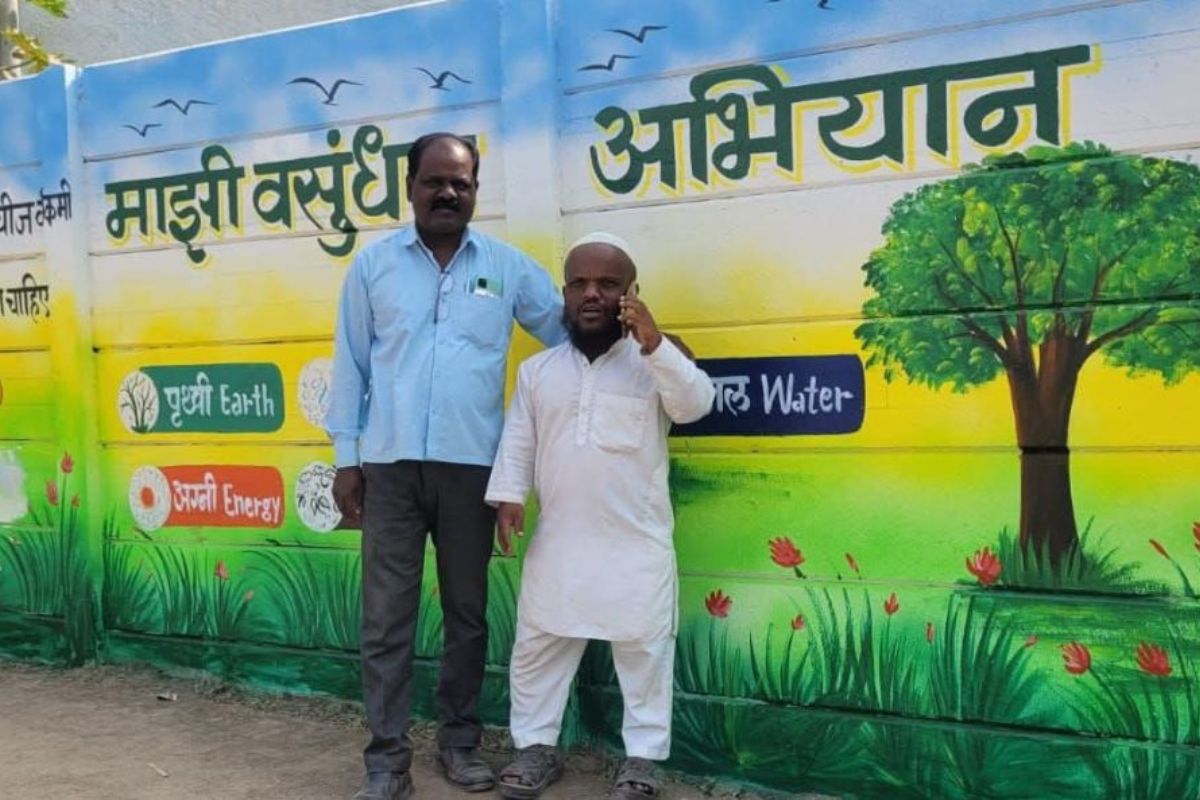
Currently, around 1,000 mango saplings are being planted. The village has also set an ambitious goal of planting 10,000 trees to create a greener and healthier environment.
Passing Babasaheb Ambedkar’s Ideals to the Next Generation
The village’s inclusive vision extends beyond religious harmony. Every community is treated with equal respect. A grand statue of Dr. B. R. Ambedkar has been installed in the Dalit locality.
Sarpanch Nasir Patel said, “Our objective was not only to install Babasaheb’s statue. We want the younger generation to understand his ideas, his struggles, and the path he showed for building an equal society.”
Narayanpur Budruk is more than just a village. It represents a way of thinking that proves what people can achieve when they respect one another, work together, and take responsibility for their community. At a time when society needs trust, unity, and compassion more than ever, this small village in Maharashtra is quietly showing the nation what true harmony and development look like.
Also Read: Tribal Village in Manipur Turned Trees Into Classrooms Where Children Learn Their Native Language
You can connect with DNN24 on Facebook, Twitter, and Instagram and subscribe to our YouTube channel.