
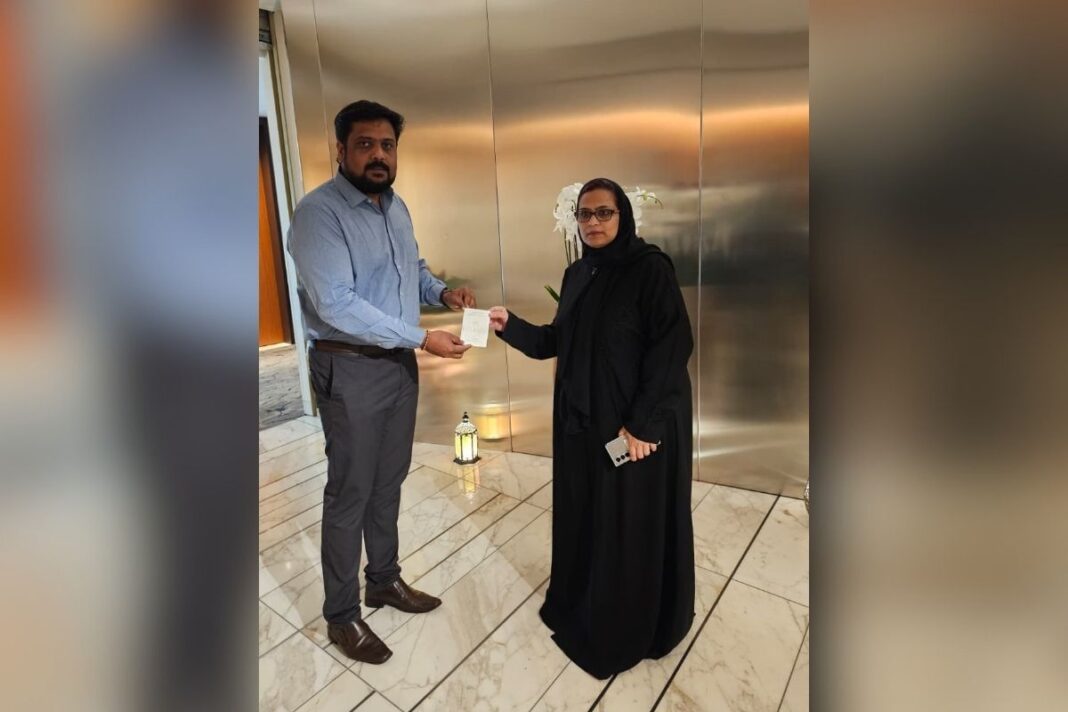

Nazneen Mohammed Malik spent nearly two weeks trapped inside Hamad International Airport in Doha this June, holding a Qatari residence card but no passport, cut off from the family waiting for her just beyond the terminal doors. Turkey, the nation whose citizenship she now carried, had confiscated her passport in Istanbul without any explanation. Qatar, where she had lived for years, would not let her enter without one. She had, on paper, left India behind long ago. Yet, it was India that answered her call when nobody else did.
Her case has since drawn attention well beyond Doha, not because it involves a well-known figure, but because it says something quietly stirring about what India is still willing to do for its own, even for those who no longer carry its passport.
A Life Built Abroad
Malik, originally from Maharashtra, moved to Qatar many years ago with her husband, Imtiyaz Malik who works with Qatar Airways. The couple married in 2002 and raised three sons in Doha. The city has, for decades, drawn Indian professionals and their families with steady jobs and a comparatively low cost of living. Their household, in outline, resembled thousands of others in the Gulf: professionals working abroad, children schooled in an international setting, and a home country visited during holidays rather than lived in day-to-day.
At some point, the couple decided to broaden their options. Turkey, like a handful of other nations, allows a path to citizenship through property investment. A foreign buyer who purchases real estate above a set threshold, currently around $400,000, can qualify for a Turkish passport through an expedited process. It is a scheme that has attracted buyers from across South Asia, the Middle East and beyond, marketed as a quicker route to a passport that opens more doors than many others. Nazneen and Imtiyaz invested in the scheme in 2022. Both gave up their Indian citizenship and became Turkish nationals.
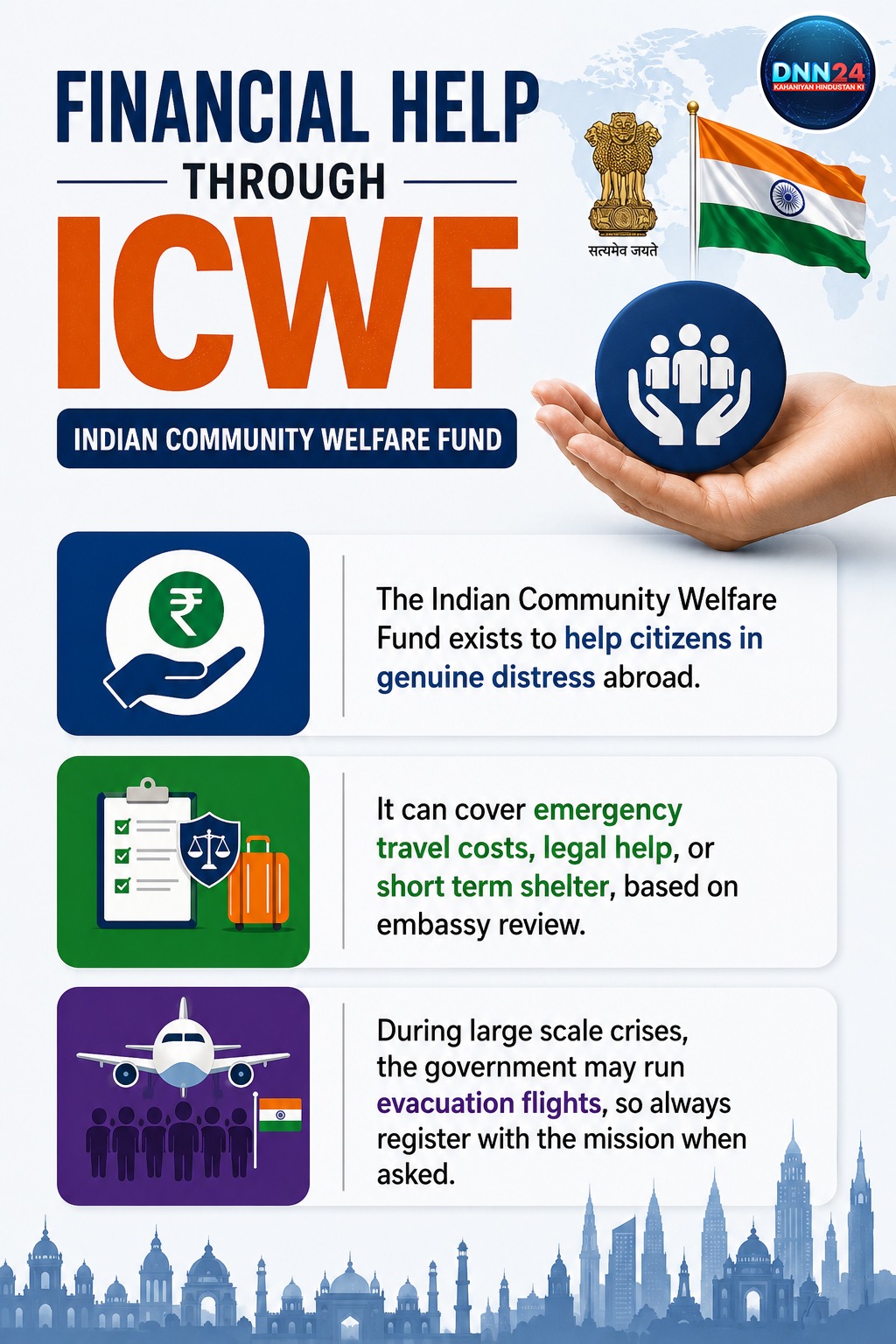
How the Indian Community Welfare Fund Supports Citizens Abroad
When the Investment Turned Bad
The property they purchased, it later emerged, sat at the center of an alleged fraud. The developer involved was reportedly placed under criminal investigation and arrested by Turkish authorities, with the state seizing the property. Reports of trouble within Turkey’s citizenship-by-investment programme are not new. In several cases, foreign buyers have found themselves holding worthless deeds or facing the seizure of assets they believed were secured through ordinary legal channels.
With an aim to resolve the matter properly, the couple travelled to Turkey on 16 June, having hired a lawyer to present their documentation and argue their case. What followed was not the hearing they expected. On arrival in Istanbul, both of their Turkish passports were confiscated without a clear reason, and the couple was separated and taken to different detention facilities.
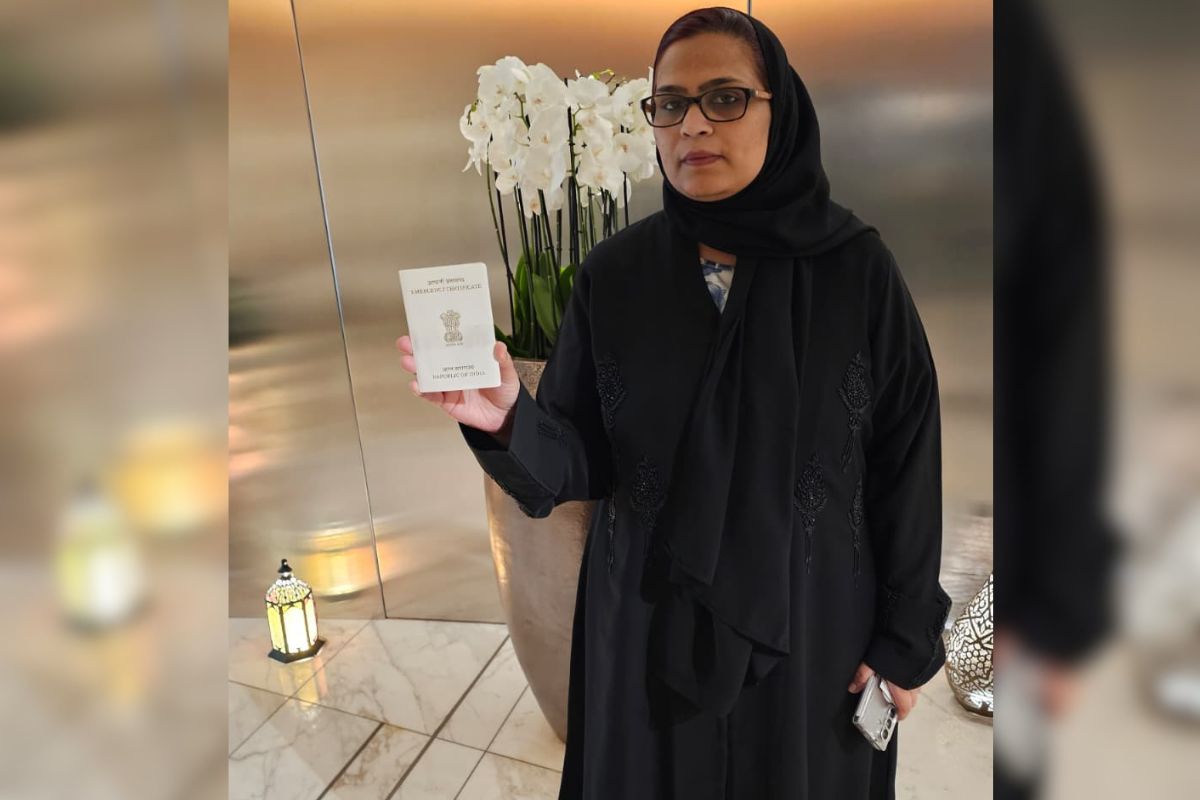
Imtiyaz remains in detention there, with little public information available about his situation or what lies ahead. Nazneen was deported to Doha the following day, on 17 June, but without her passport or any other valid travel document.
Two Weeks in a Terminal
She was permitted to board the flight only because she still held a valid Qatari residence permit, which ordinarily allows someone to live in and re-enter the country. However, a residence card is not a travel document, and at Hamad International Airport, Qatari authorities would not let her pass through immigration and into the city without one. She was, in effect, caught in the space between two systems. Qatar would not admit her without a passport. Turkey, the country that had issued the passport, now confiscated, offered no quick resolution. India, the country she had left behind on paper, had no formal obligation to her.
She lived at the airport for about 15 days. Meanwhile, her two younger sons waited at home. One of them is autistic and needs consistent care and therapy that had, for the moment, no parent nearby to arrange it. The other is in his final year of school, a period that leaves little room for such disruptions. Nazneen herself was managing a list of health conditions, including recent stomach surgery, high blood pressure, thyroid trouble and diabetes, all of which require monitoring and a measure of stability that an airport terminal cannot provide.
What to Do If Your Indian Passport Is Lost or Stolen Abroad
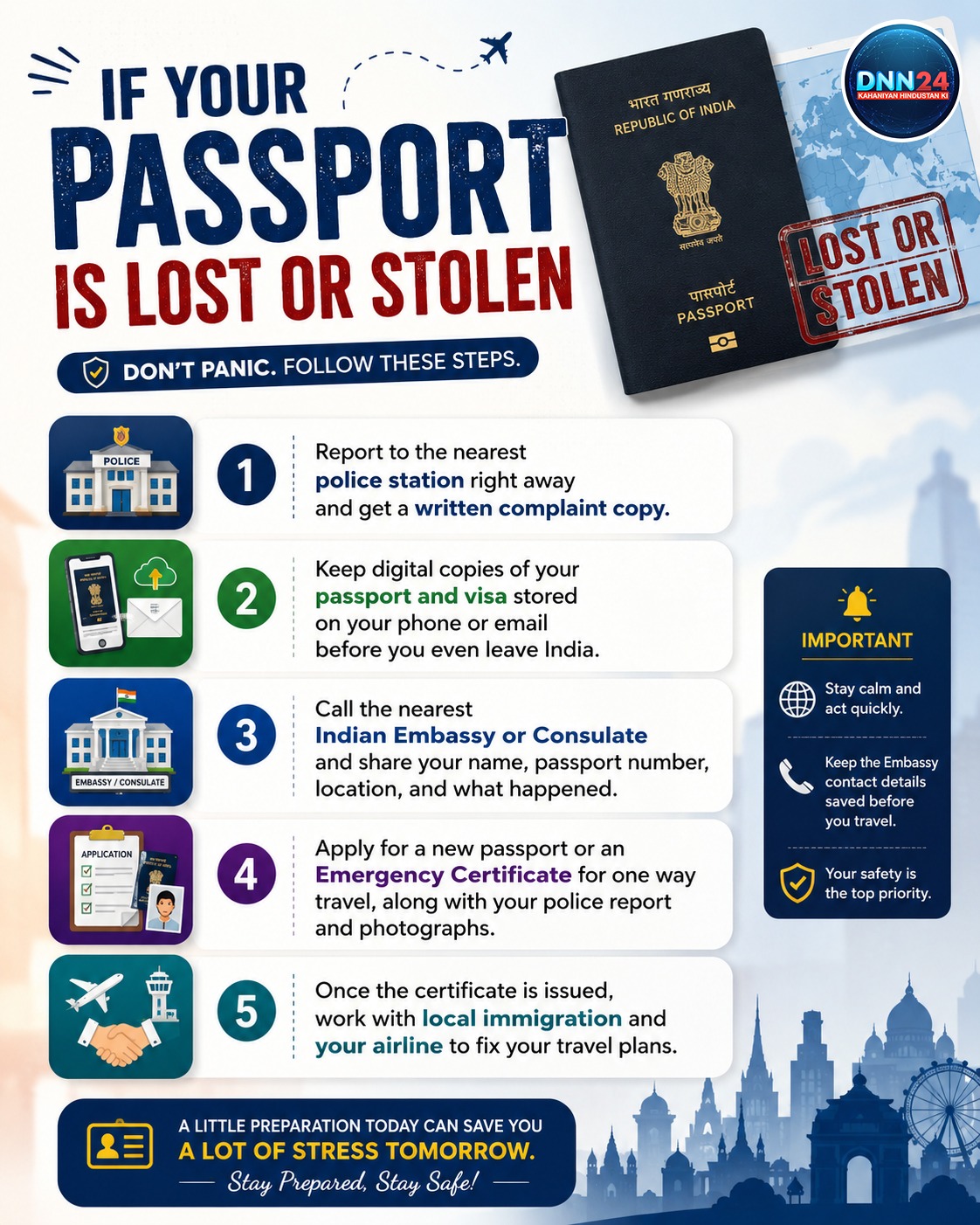
Turning to a Country She Had Left
Caught in the middle of this quagmire, Nazneen approached the Indian Embassy in Doha. She asked for help on humanitarian grounds, even though she was, by law, no longer an Indian citizen. It was an unusual request. Indian missions typically assist Indian nationals whose passports are lost or damaged by issuing an Emergency Certificate, a one-time travel document meant to get someone home when no other option exists. Nazneen had no claim to that process in the ordinary sense. She had given up her Indian passport voluntarily years before.
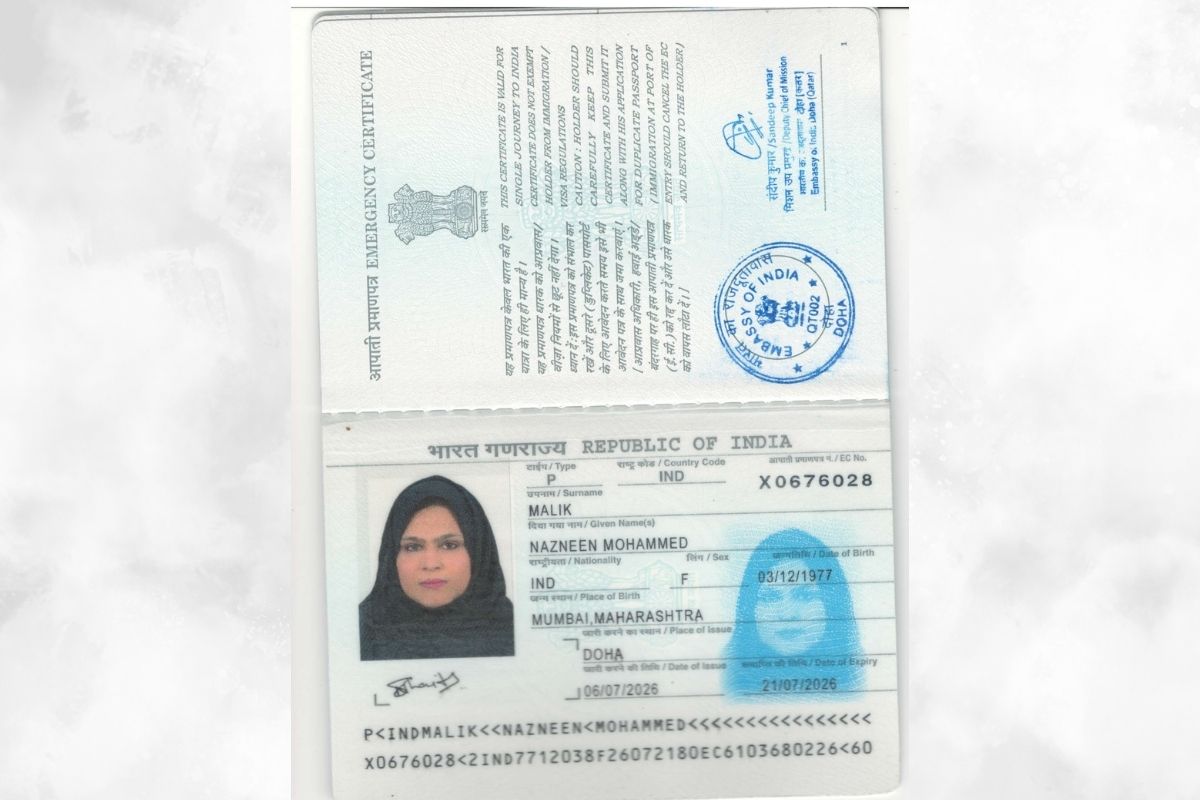
Even so, the Embassy took up her case and referred it to the Ministry of External Affairs in New Delhi as a matter needing urgent, humanitarian consideration. The ministry considered her case and issued her an Emergency Certificate. The decision allowed her to leave the airport and travel to Mumbai, where she has family support and access to medical care.
If you remember nothing else, remember this. Report to the police, contact the nearest Indian mission, and keep your documents organised. These three habits are what bring travellers home safely.
Reach the Indian Embassy Quickly During Emergencies Abroad
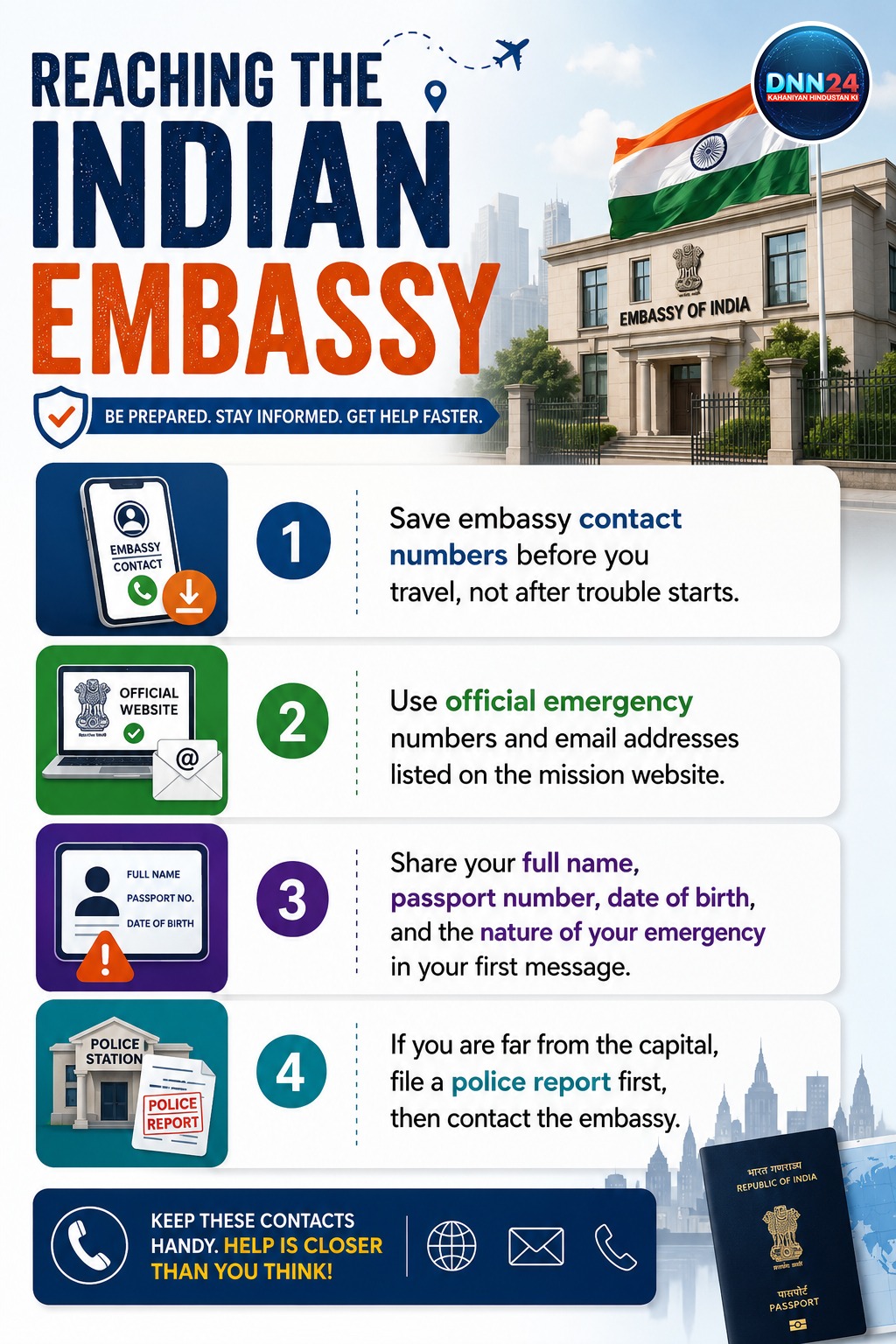
What the Episode Reveals
There is something touching about this story. Turkey, the country whose citizenship Nazneen and her husband had actively sought and paid for, offered them no clear path out of the crisis it had, at least in part, created. Qatar, where the family had lived for years and built a life, could not admit her without proper documentation, bound by the basic rules governing any country’s borders. It was India, the country she had formally left behind, that stepped forward to offer her a way home.
Citizenship by investment programmes are often presented as a straightforward upgrade, a faster passport in exchange for capital. Nazneen’s case suggests the relationship a person has with a state acquired this way can be delicate, more transactional and less forgiving when things go wrong. The bond with a country of birth, by contrast, appears to have held even after the legal ties were formally cut.
Her ordeal is not yet fully resolved. Her husband remains in detention in Turkey, and questions about the couple’s future residency status in Qatar are unlikely to disappear quickly. However, her case has already offered a clear, human illustration of a distinction that often gets lost in discussions of global mobility: a passport can be bought, but a country’s willingness to stand by someone in crisis is something else altogether. It does not always follow the paperwork.
Also Read: Tribal Village in Manipur Turned Trees Into Classrooms Where Children Learn Their Native Language
You can connect with DNN24 on Facebook, Twitter, and Instagram and subscribe to our YouTube channel.