
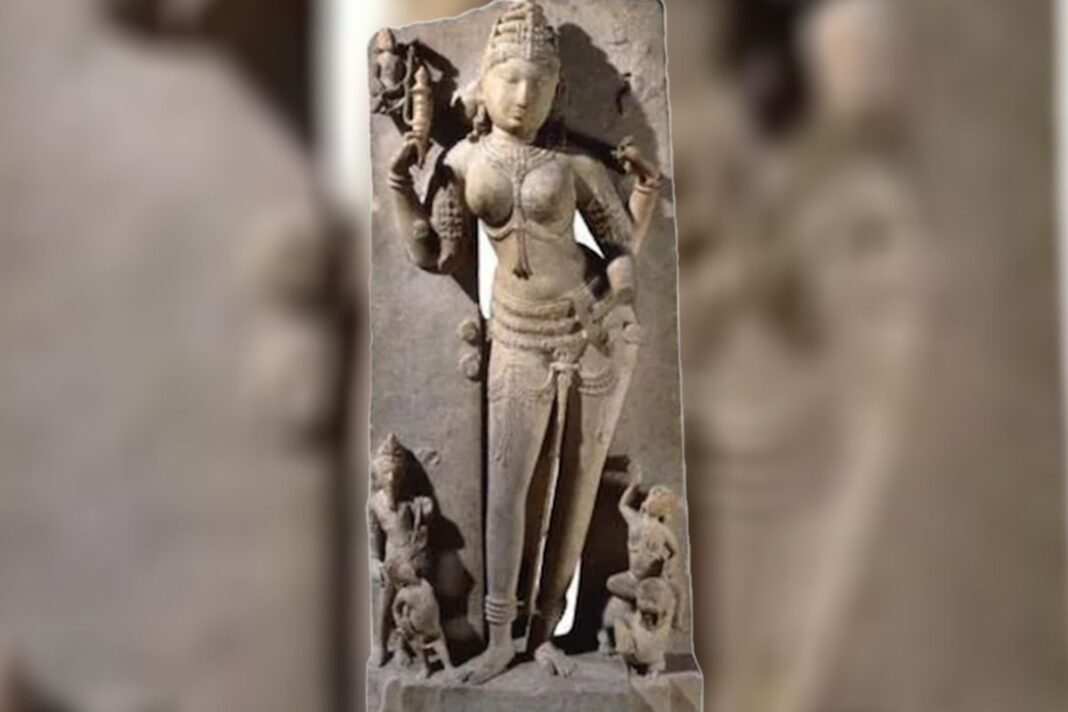

The Haryana Saraswati Heritage Development Board has accelerated efforts to bring back an ancient idol of Goddess Saraswati from the British Museum in London. The sculpture was taken to Britain between 1886 and 1891 from the historic Bhojshala temple in Dhar, Madhya Pradesh, during the colonial era.
Why Is This Idol Significant?
Carved from white marble, the four-foot-tall idol weighs around 250 kilograms. It was created during the reign of the 11th-century Paramara king Bhoja and bears inscriptions in Sanskrit and Devanagari on its base. More than a remarkable work of art, the sculpture represents the goddess of knowledge, learning, and culture, making it a powerful symbol of India’s civilisational heritage.
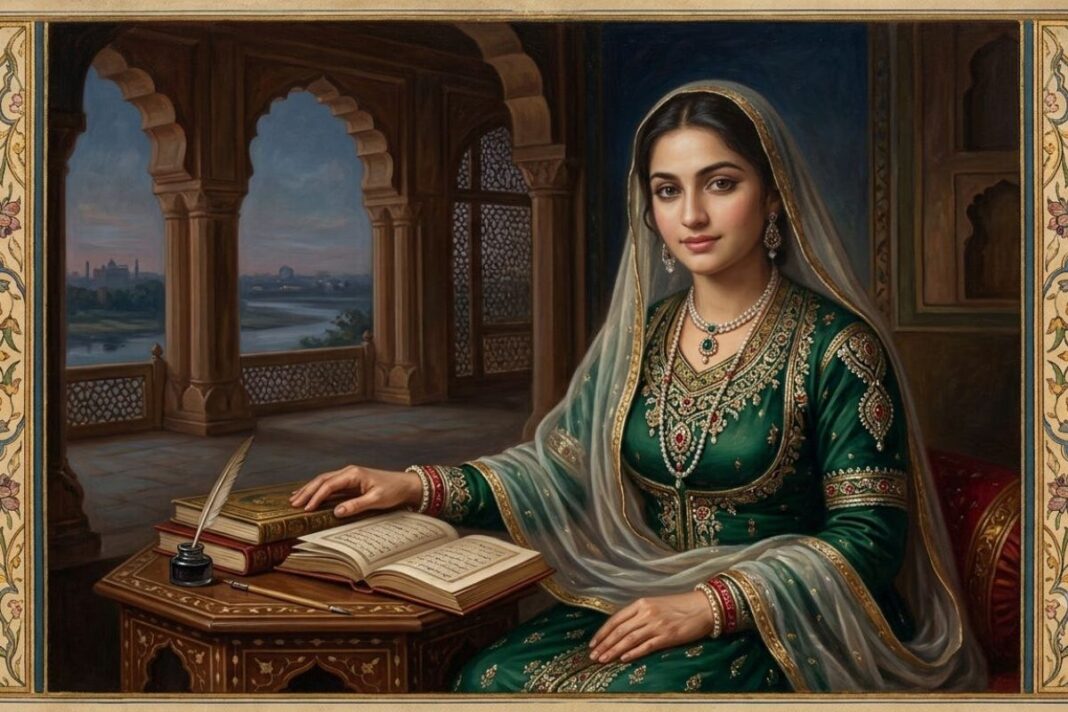
The history of the idol, however, is layered. The British Museum currently identifies it as a “Jain Yakshini Ambika.” According to the inscription on the sculpture, Vararuchi, the religious superintendent under King Bhoja, first commissioned an idol of Vagdevi (Goddess Saraswati), followed by three Jain Tirthankaras, and finally this beautiful image of Amba. In a landmark ruling, the Madhya Pradesh High Court recognised the sculpture as an idol of Goddess Saraswati.
Why Has the Campaign for Its Return Intensified?
The Indore Bench of the Madhya Pradesh High Court recently declared the Bhojshala complex to be the ancient Saraswati Vagdevi Temple. The court observed that Hindu worship at the site had never ceased. Following this judgment, demands for the idol’s repatriation have gained fresh momentum.
What Is the Plan?
The Haryana government is planning to establish a Saraswati Museum in Kurukshetra, where the idol would be housed if returned. Two possible locations near Brahma Sarovar and Pipli have been identified. The proposed museum is expected to be developed on the lines of the Dholavira Archaeological Museum.
India has successfully repatriated more than 653 antiquities since 2014. The issue of returning cultural artefacts has also been raised by India during the BRICS Culture Ministers’ meetings.
Why Does Its Return Matter?
The idol is far more than a historic sculpture; it is a tangible witness to India’s intellectual, cultural, and spiritual legacy. If returned, scholars believe that a detailed study of its inscriptions could provide fresh insights into the history of the Saraswati River and the evolution of ancient Indian civilisation, making it an invaluable addition to the country’s cultural heritage.
Also Read: Ex-Journalist Built Free Boarding School in India’s Highest Village for Children
You can connect with DNN24 on Facebook, Twitter, and Instagram and subscribe to our YouTube channel.