
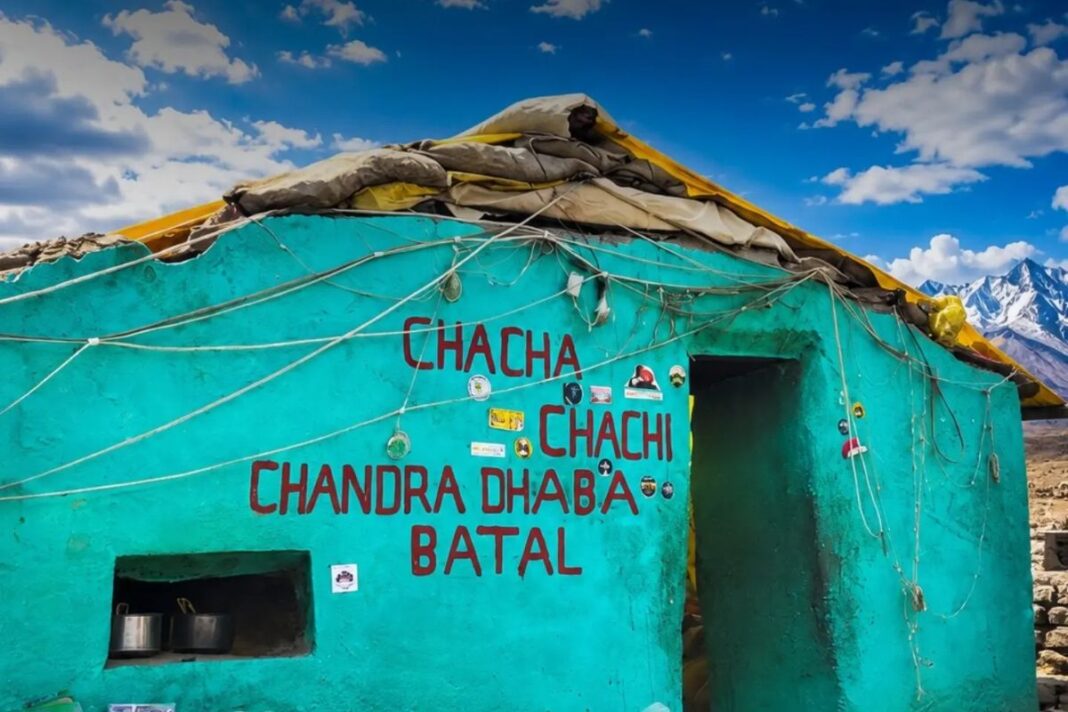

At eleven thousand feet in Batal, a couple turn a frozen mountain pass into a refuge for anyone the snow leaves stranded. Their names are Dorje Bodh and Hishe Chhomo, though almost nobody calls them that. To the travellers who pass through this stretch of Lahaul Spiti, they are simply Chacha and Chachi, and for forty-five years they have run a small roadside dhaba that has quietly become one of the most trusted names in the Himalayas.
Batal sits close to four thousand metres above sea level, in a district of Himachal Pradesh where the roads are narrow, the winters are brutal, and help is never close by. There is no mobile network here, no petrol pump for many kilometres, and almost no permanent settlement. When a storm rolls in, it can trap a traveller within minutes, and there is no one to call ahead for rescue. For decades, the only certainty in this landscape has been Chacha and Chachi’s dhaba, standing open through conditions that would send most people running for shelter of their own.
A Place Built for Emergencies
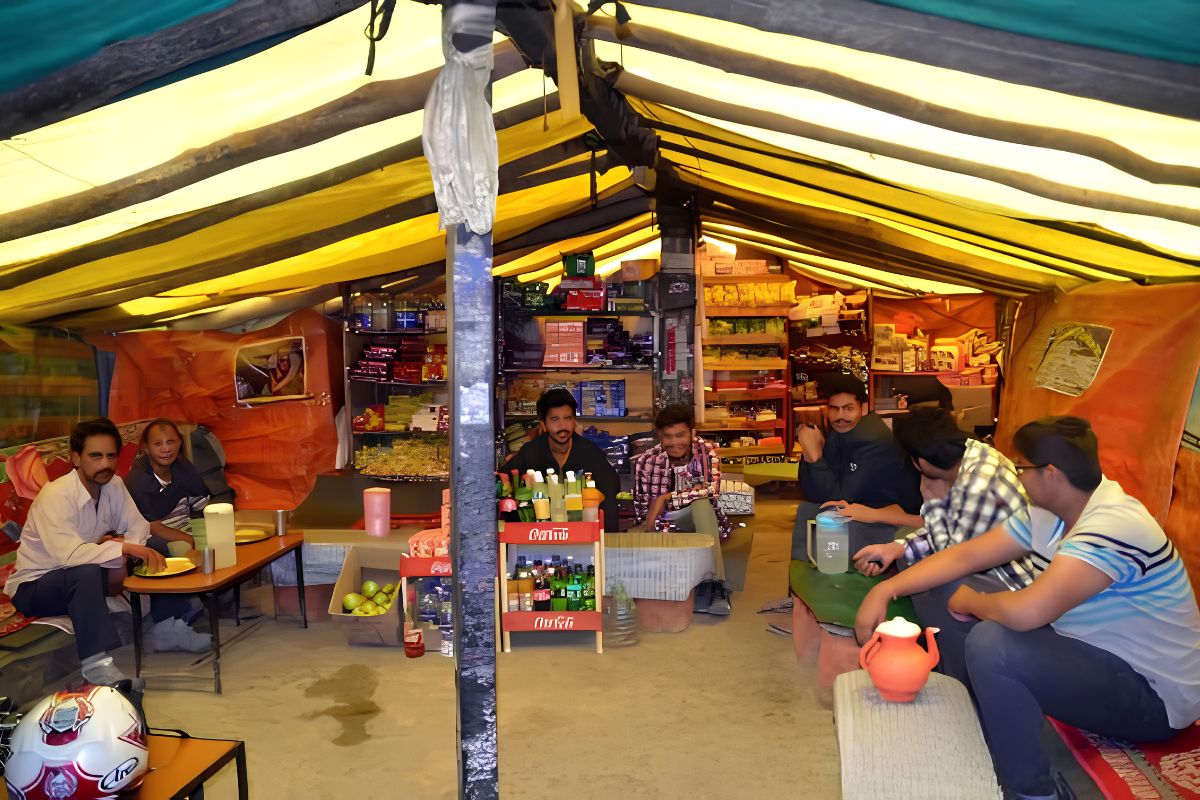
The dhaba goes by a second name too, Chandra Dhaba, and it looks unremarkable from the outside. It is little more than a tin-roofed structure with a kitchen, a few beds, and enough supplies to survive the season. Yet in the worst circumstances, the couple say the dhaba can house and feed ten people for two full months. That is not a boast. It is a plan they have had to put into practice more than once.
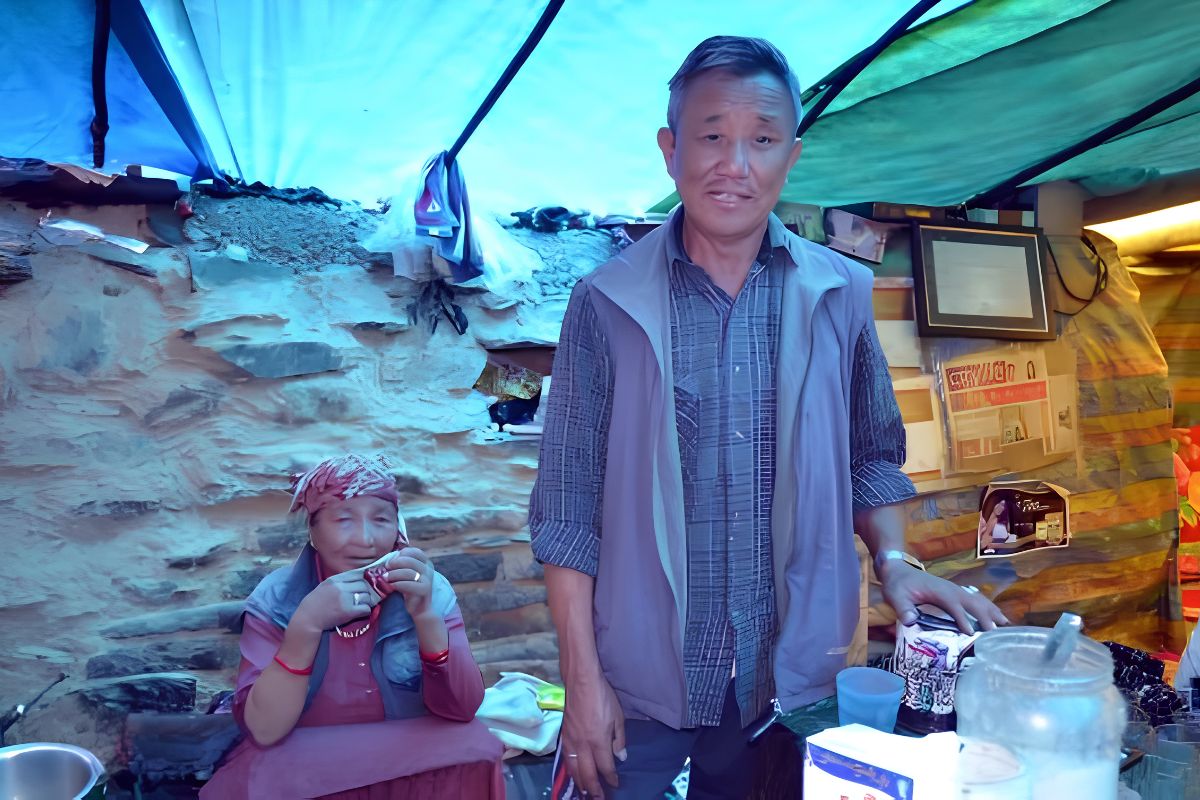
Chacha is known for his dry humour and his sharp instincts, the kind that come only from decades of reading the mountain’s moods. Travellers who have made the journey to Spiti more than once often say the same thing about him: that his presence alone makes them feel safer on a road where safety cannot be guaranteed. Chachi carries a gentler kind of strength. Visitors describe her warmth as almost maternal, the sort of care that turns a stranger’s fear into something closer to comfort.
Over four decades, the two of them have sheltered and fed more than one hundred and eighty stranded travellers during snowstorms, frequently without any outside help arriving in time to make a difference. In a place cut off from communication and rescue services, they became both.
When the Snow Trapped a School Trip
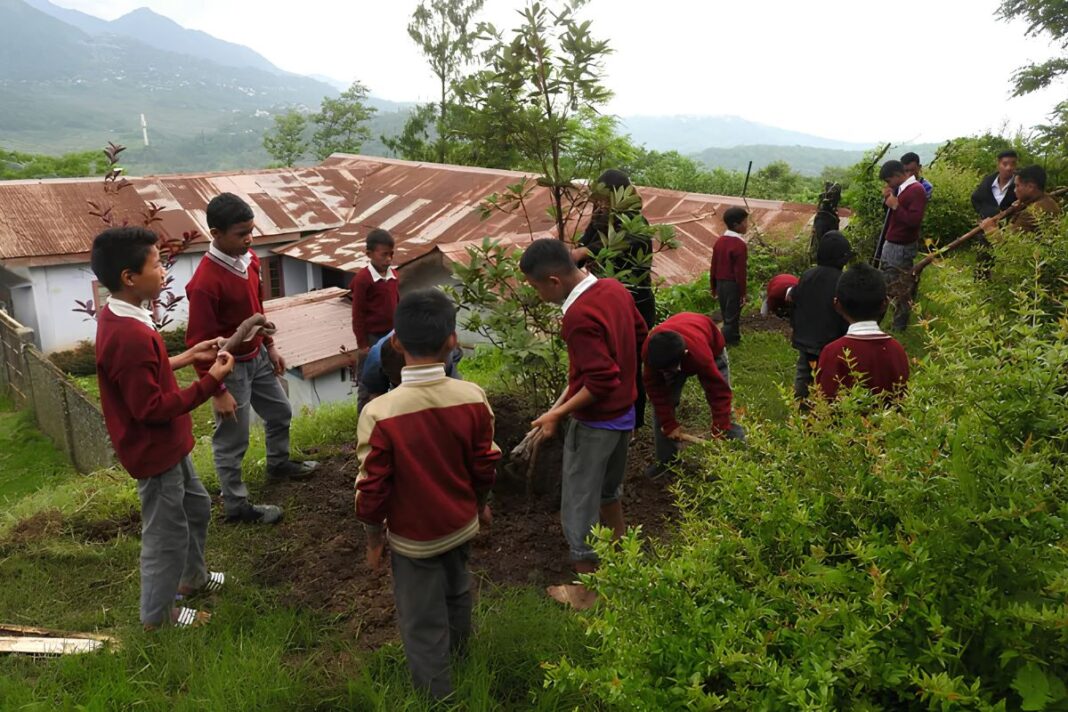
One story from a few years ago has stayed with those who know it. In June, a month usually associated with clear skies rather than blizzards, heavy snowfall closed the roads around Batal for several days. A group of schoolchildren travelling from a well-known institution in Mumbai found themselves stuck in the middle of it. Chacha and Chachi took them in, fed them, and kept them safe until the children could eventually be airlifted out of the region.
It is the kind of incident that might have ended very differently without a dhaba willing to open its doors at a moment’s notice, in a place where the next shelter could be hours away by vehicle, if the vehicle could move at all.
Refusing to Take More Than They Need
What makes the couple’s story unusual is not only their willingness to help but their reluctance to be paid for it. Anyone who has spent time in Spiti knows that the earnings from a dhaba this remote are barely enough to get through a single winter, let alone forty-five of them. Still, Chacha and Chachi resist donations, and travellers who want to give something back have had to find creative ways around their pride.
One visitor heading to Kaza once handed Chacha a pile of coins and notes, insisting they were “making my bag too heavy to carry.” It was a small joke with a serious purpose, a way of giving without wounding the dignity of two people who never asked for charity in the first place.
Even when Bollywood actor Sunny Deol stayed at the dhaba during a film shoot and returned a second time because he could not stop thinking about their hospitality, Chacha would not accept more than the standard rate of 120 rupees a night. Rules, it seems, apply to everyone who walks through that door, famous or not.
Simple Food, Serious Warmth
The meals served at the dhaba are not elaborate. Dal, rice, chapati, and a simple vegetable dish make up most plates, alongside tea that travellers often describe as the best they have ever tasted, though this likely has as much to do with the circumstances as the recipe. At eleven thousand feet, after hours on a punishing road, a hot meal cooked with care can feel like the difference between despair and relief.
That contrast, between the harshness outside and the warmth inside, is part of what has made the dhaba so memorable to those who pass through. It is a small, human counterpoint to a landscape that offers no comfort of its own.
Batal also happens to sit along one of the more popular routes toward Chandratal Lake, a turquoise stretch of water that draws bikers, trekkers, and photographers each summer. Many of them stop at the dhaba without fully understanding what it represents, treating it as a convenient place for tea before continuing their journey. It is only later, often after hearing a story from a fellow traveller or a local guide, that the full weight of the couple’s history becomes clear. What looks like a simple roadside stop is, in fact, one of the few reliable points of safety across an entire mountain corridor, and generations of travellers have depended on it without ever needing to say so out loud.
A Legacy Measured in Lives, Not Rupees
The couple’s work has not gone entirely unrecognised. They were honoured with the Godfrey Phillips Bravery Award for their years of rescue and support, and their story was later celebrated at the SocioFare Awards Ceremony in 2026, where they were recognised for humanitarian work carried out in one of India’s most difficult terrains. Yet those close to their story say the couple never sought any of it. For them, the reward has always been simpler: a traveller who survives the night, a child who makes it home, a stranger who leaves with a full stomach instead of an empty one.
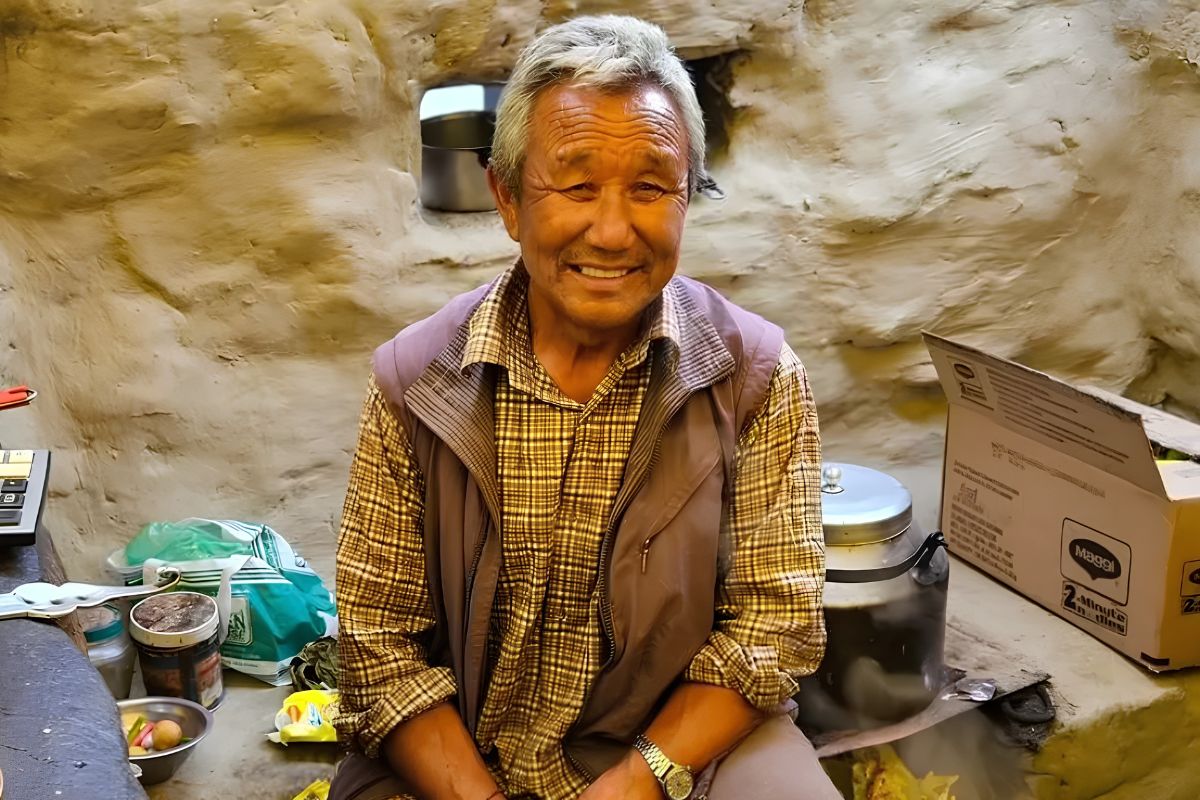
Each year, as winter approaches and the passes begin to close, Chacha and Chachi are among the last to leave Batal, staying until the end of October to make sure no traveller is left without help. When the roads reopen the following season, they are again among the first to return.
Why Their Story Still Matters
There is no single dramatic origin story behind their four and a half decades of service, no one moment that explains everything. What exists instead is a pattern, repeated across years and storms and stranded travellers, of two people choosing to stay when leaving would have been far easier.
As the Dalai Lama once said, there is no need for temples or complicated philosophy, since the human heart itself can serve as one, with kindness as its guiding principle. Chacha and Chachi seem to have lived by something close to that idea long before anyone thought to write it down.
Their dhaba will likely never appear on a list of Spiti’s tourist attractions, and it does not need to. It exists for a different reason entirely, to remind anyone who happens to pass through that even in the harshest, most unforgiving corners of the Himalayas, humanity still finds a way to survive.
For the thousands who have driven, ridden, or walked past Batal over the years, the name Chacha Chachi Dhaba carries a meaning that has little to do with food and everything to do with trust. It is the knowledge that somewhere along an unpredictable road, two people are waiting with a warm meal and an open door, expecting nothing in return except the chance to help. In a region defined by extremes of altitude and isolation, that kind of quiet reliability has become its own form of comfort, one that no map or weather forecast could ever promise.
Also Read: From Guns to Glamour: Surrendered Naxal Women Walk Fashion Ramp
You can connect with DNN24 on Facebook, Twitter, and Instagram and subscribe to our YouTube channel.