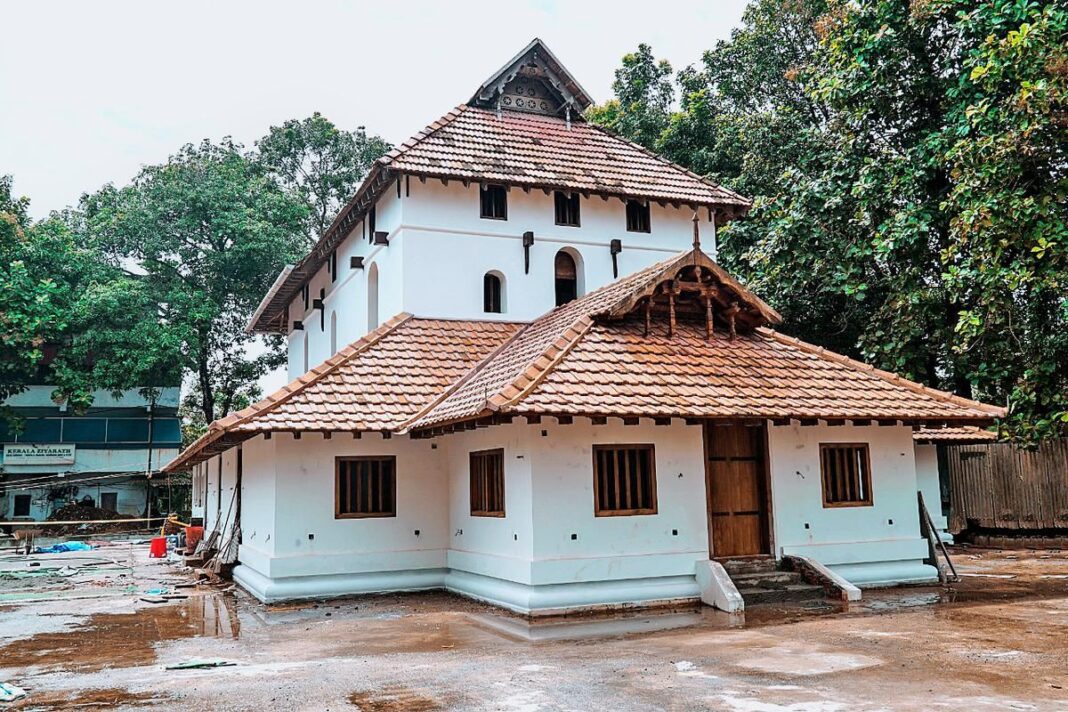




A hymn composed thousands of years ago can still be heard today with its sounds, pitch, and pauses intact, and no printing press helped save it. So how did ancient India do it?
The answer has several layers. Scholars trusted trained memory first. They then wrote on palm leaves and birch bark, and they gathered in schools where teachers, students and manuscripts supported one another. Everyone involved expected the materials to decay, so the whole arrangement was built around repetition, correction, copying and argument.
A Library Inside the Head
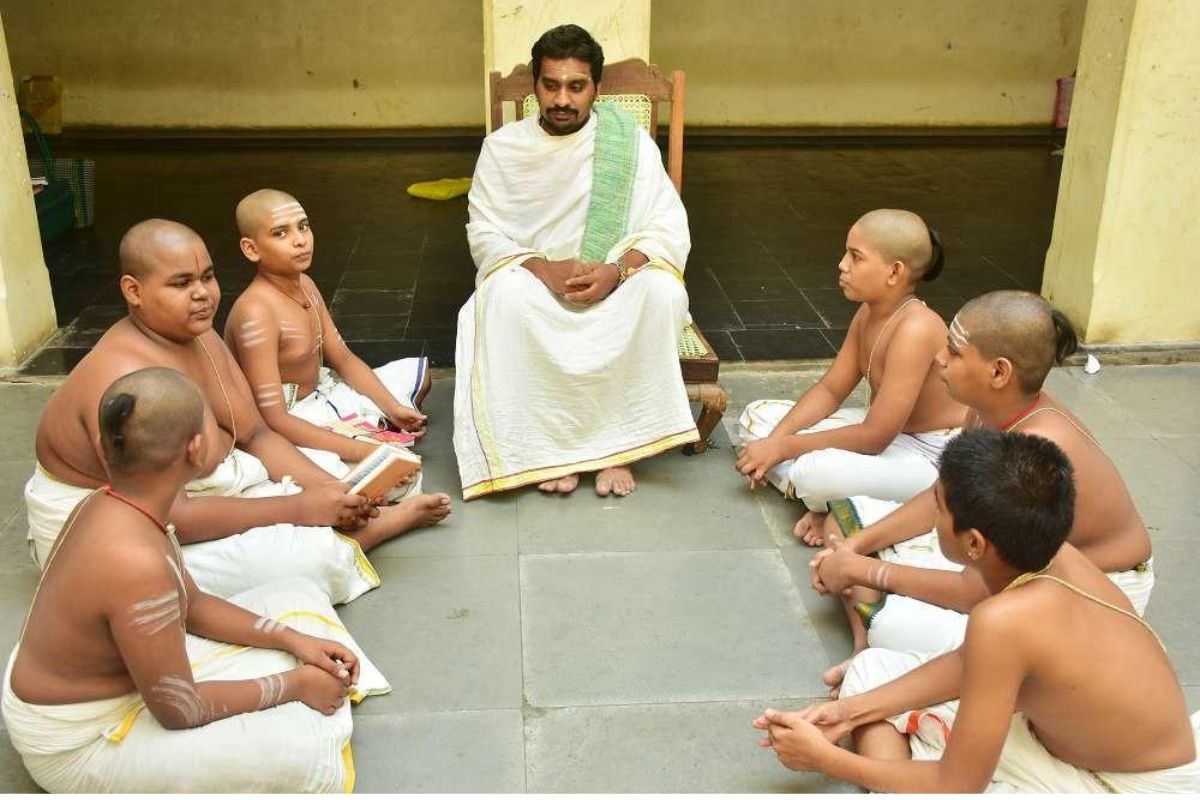
The most remarkable feat was the oral keeping of the Vedas. For generations, Vedic scholars memorised long collections of hymns. They held on to pronunciation, pitch accent, rhythm and pauses as well as the words, since sound itself was thought to belong to the text. To manage this, they used recitation patterns called pathas. Each pattern rearranged the same words so that any slip would stand out to the ear.
Five Ways to Say One Line
The starting point is the samhita patha, the continuous recitation as it is normally heard. Neighbouring words run together through sandhi, the change of sound that happens when one word meets the next. This form keeps the flow and melody, though the joins can hide where one word ends and another begins.
The pada patha deals with that difficulty. The reciter pauses after every word and gives each its own form, so the student knows exactly which units to remember.
The krama patha links words in overlapping pairs. With words A, B, C and D, the reciter says A B, then B C, then C D. Every word is heard twice, once ending a pair and once beginning the next. Dropping a word, adding one or swapping two becomes very hard to do unnoticed.
The jata patha adds reversal. For the first two words, the pattern runs A B, B A, A B, and then it moves to B C, C B, B C. The student must know what comes before a word as well as what follows it, and an error in order is heard at once.
The Ghana patha is generally considered the hardest. It works with groups of three words in a pattern such as A B, B A, A B C, C B A, A B C. The reciter joins two words forward and backwards, brings in the third, reverses the whole group and returns to the forward order. The result is a dense chain of sound that locks each word into its surroundings from several directions. It calls for great memory, steady concentration and firm control of pronunciation.
Why It Worked
A student never depended on one straight recitation. The same passage was rehearsed in many arrangements, and each arrangement exposed a different kind of mistake. A modern reader might compare it to an error-correcting code spread across many repetitions. Teachers and fellow students listened and corrected on the spot, so the text passed down with close accuracy for thousands of years.
Teacher and Student
All of this rested on the guru-shishya relationship. Knowledge went from teacher to pupil through close instruction, listening, repetition and practice. Pupils learned to recite, interpret, and apply the text. Manuscripts could be lost to insects, damp, or fire, but as long as trained reciters lived, the knowledge lived with them.
Leaves and Bark
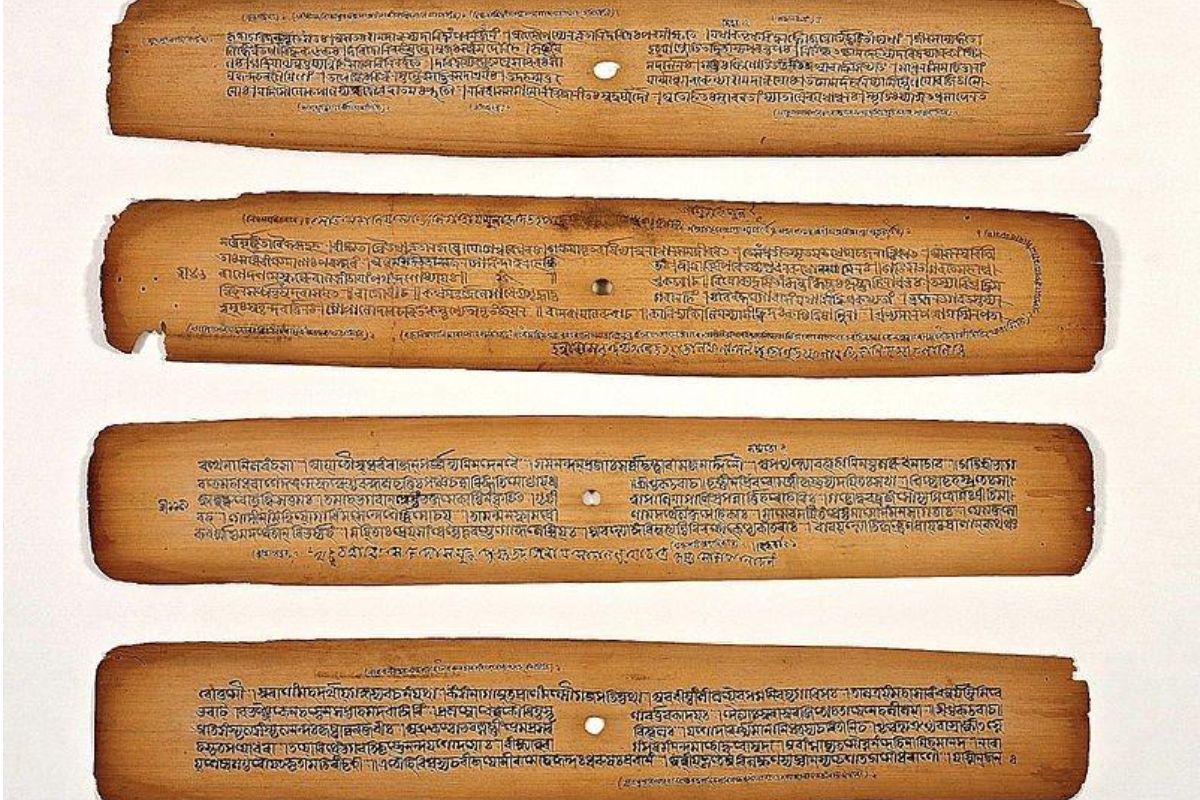
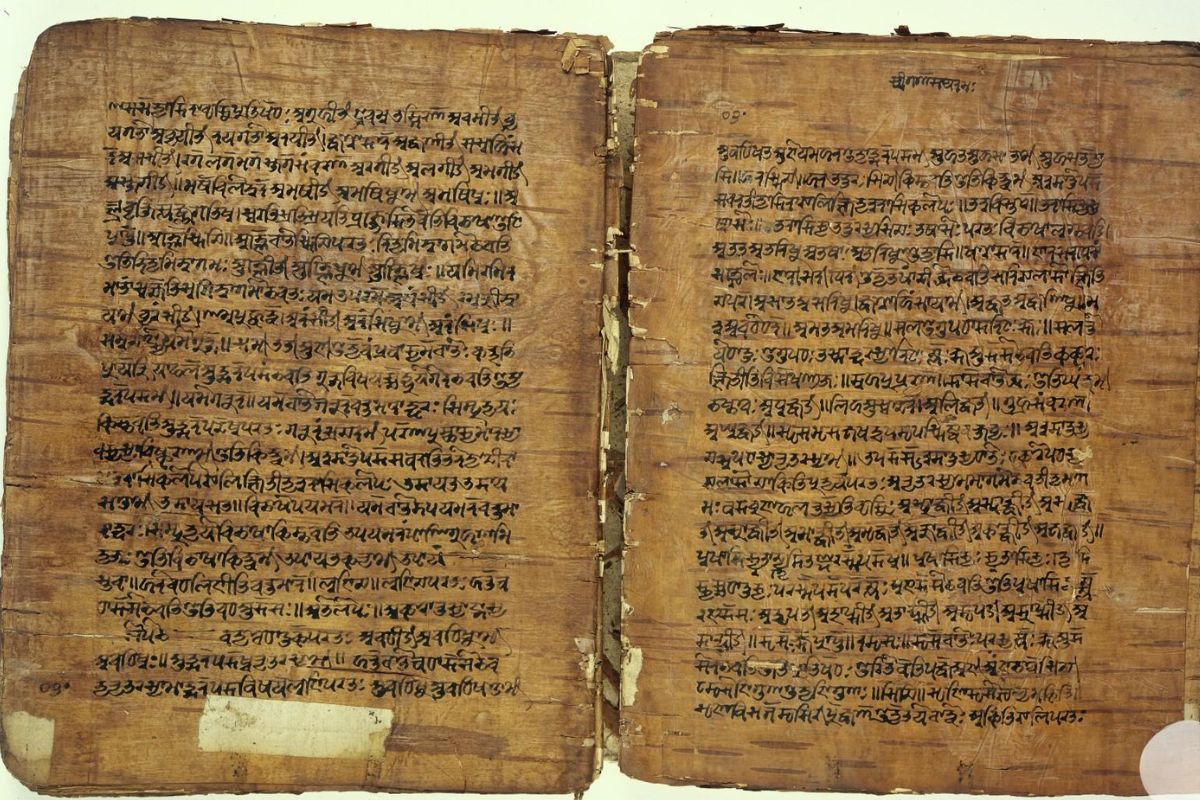
Writing joined memory in this work. Palm leaves were cut, dried and treated, then scratched with a stylus. Pigment rubbed into the lines made the letters show. Holes were pierced through the leaves and cords bound them into early books. Birch bark was widely used, and some of the oldest known birch bark manuscripts date to the second or third century CE. Both materials perish. A palm leaf manuscript may last a few decades or a few centuries, depending on climate, insects, mould and handling.
Surviving the Damp
In humid regions the dangers multiplied. Damp encouraged mould, weakened the fibres and could glue leaves into solid blocks. Custodians began with the leaf itself. Artisans cut strips and seasoned them, often by slow drying, or by boiling and drying again. Some regions soaked the leaves in pond water or silt first. Turmeric and other plant preparations were sometimes applied to put off insects and fungi.
The ink was chosen with care. A mix of lampblack, plant juice and aromatic oil went over the incised letters. Camphor, citronella, castor, lemongrass, neem, clove and sesame oils served partly as insect repellents, and they kept the leaf from turning dry and brittle.
Storage came next. Manuscripts stayed off damp floors and out of direct sun and stale air. They were tied between wooden boards, wrapped in cloth and kept in wooden boxes or cupboards. Neem wood boards helped keep termites away. Dried neem leaves, camphor, tulsi, pepper and turmeric were tucked near the bundles, and the bundles were checked and the protection renewed again and again. Birch bark needed gentle handling, since harsh cleaning could harm its natural gums.
The Final Safeguard
Leaves cracked, faded, split or fed the insects. The decisive answer was recopying. When a manuscript failed, scribes copied the text onto fresh leaves. The object might last only decades, yet the text could outlive it by a long time.
Nalanda
At Nalanda Mahavihara in Bihar, all these habits came together. UNESCO describes it as a centre of organised knowledge transmission over an unbroken span of 800 years. Buddhist philosophy, logic, grammar, medicine and other subjects were studied and debated there, and students and scholars travelled from across Asia to join in. Its library stood at the heart of the work. Texts kept and studied at Nalanda helped carry Sanskrit learning to East Asia through scholars and pilgrims such as Xuanzang and Yijing.
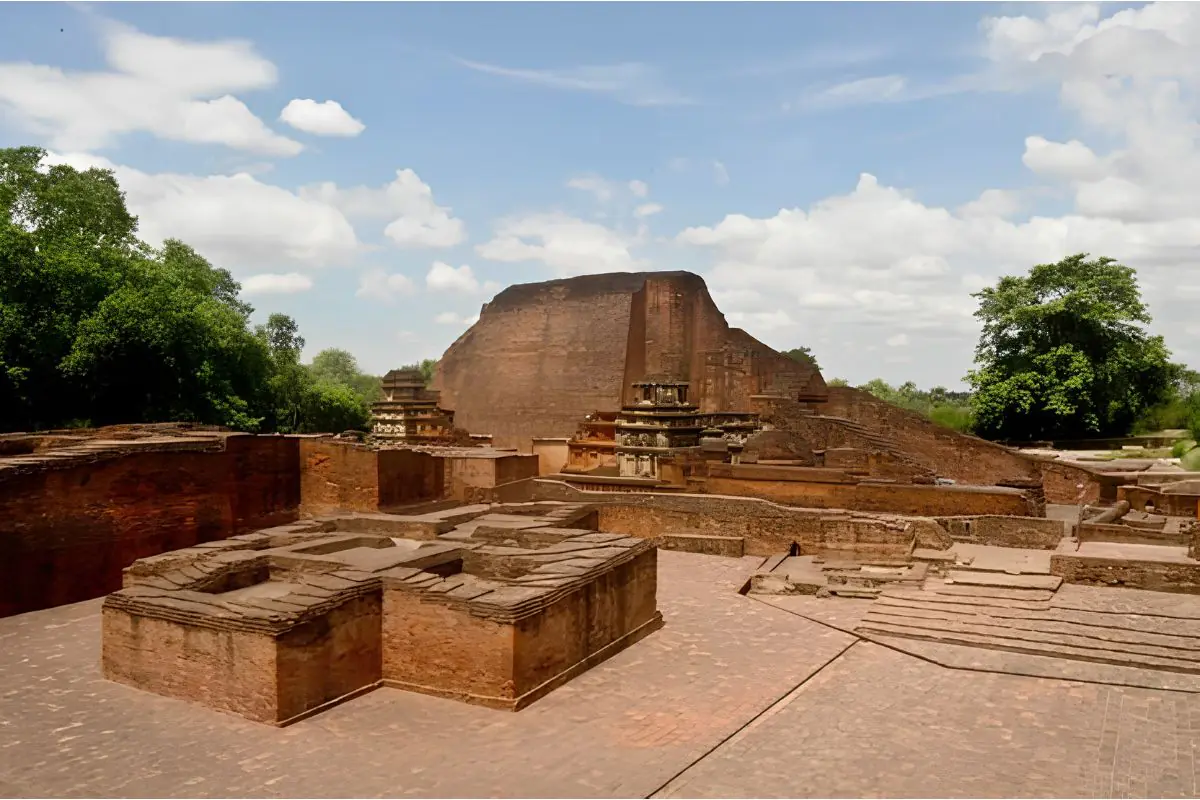
Debate guarded the knowledge as well. Ideas were tested by argument, explanation and questioning. A text was copied, then studied, interpreted and defended, and that kept it meaningful.
A Lesson for Our Own Time
Today’s conservators combine the old methods with controlled humidity, pest management and digital imaging. The older habits still deserve attention. Files go out of date, data disappears, and institutions fail. Lasting knowledge needs reliable storage, along with people who understand it, teach it, and renew it.
The Vedic reciter, the copyist, the librarian, and the Nalanda scholar shared one task: to pass knowledge from hand to hand. Ancient India kept alive the power to understand, reproduce and teach, and that is how wisdom outlasted the people who first made it.
Also Read: India Built Underground Palaces of Water Long Before Modern Water Management
You can connect with DNN24 on Facebook, Twitter, and Instagram and subscribe to our YouTube channel.