

What really happens around the fire at an Indian wedding predates what most guests realise. Behind the music, the silk, and the long tables of food sits a set of acts that families have repeated for centuries. A priest chants. Grain goes into a flame. Two people walk in a circle, then take seven steps, and a whole community looks on. The details change from one faith and region to the next, since Hindu, Sikh, Muslim, Christian, Jain, Buddhist, and tribal communities each marry in their own way. Still, the purpose stays close to the same everywhere. A wedding joins two people, honours two families, asks for blessings, and tells the world that a lifelong promise has been made.
Marriage as a Sacred Passage
In many Hindu communities, marriage is called vivaha, one of the samskaras, which are sacraments that mark the major stages of a human life. Britannica describes vivaha as the sacrament of marriage and treats it as the main doorway into household and family life. That outlook helps explain why a wedding can stretch over several days. Relatives, ancestors, deities, and neighbours are all invited to see the union and bless it.
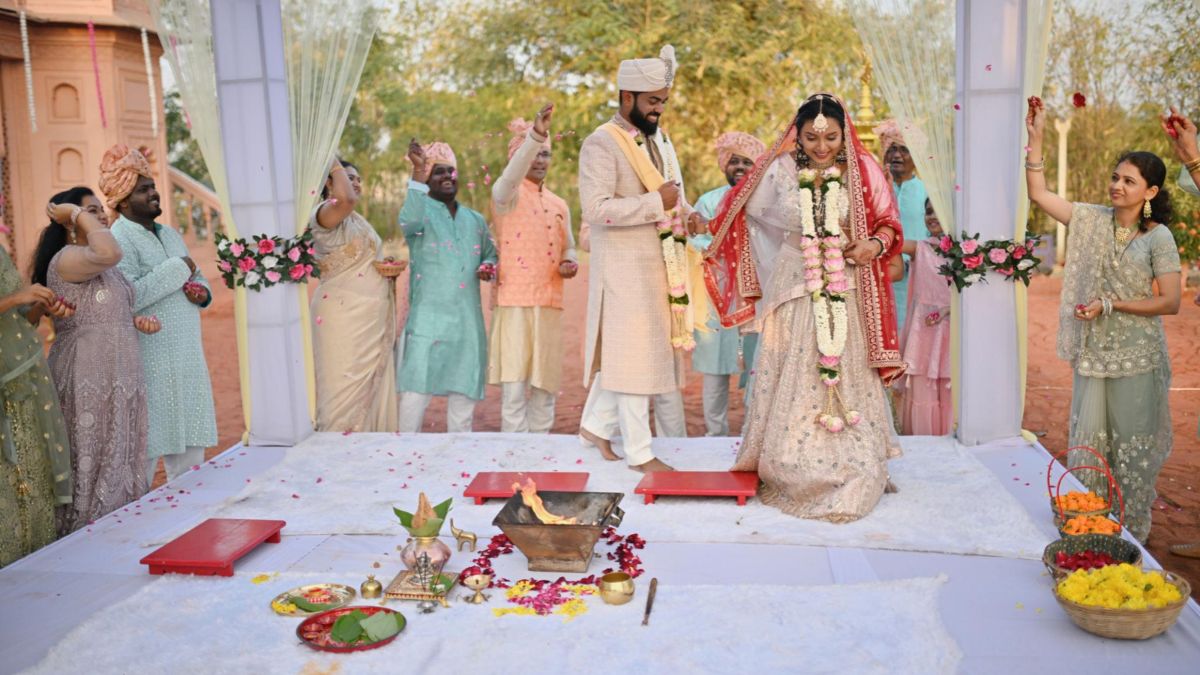
Many ceremonies still include Vedic hymns, composed in Sanskrit over centuries beginning around 1500 BCE. When a priest recites them today, the wedding connects to a very old liturgical heritage, even though families shape the day to suit modern life.
The Fire That Never Looks Away
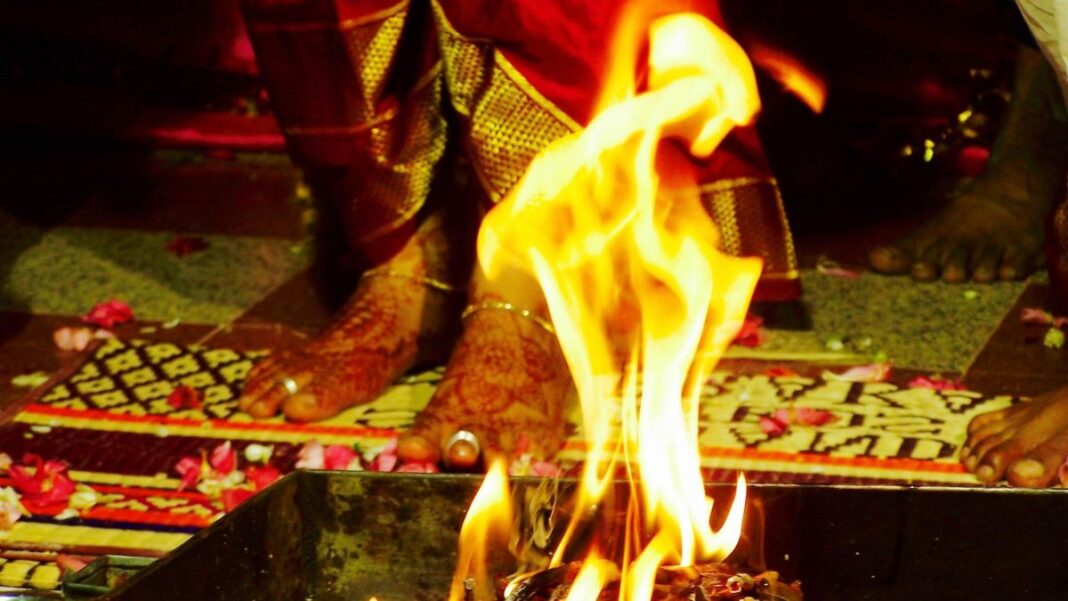
Agni, the sacred fire, stands at the centre of many Hindu weddings. Roasted grain is offered into the flame while priests recite mantras. Tradition treats the fire as an eternal witness to the vows, so everything spoken near it carries weight. The couple walks around it, a movement called phera or parikrama, and the circling stands for the road they will travel through life together. Guests often grow quiet at this point, because the mood of the whole day tends to settle here.
Seven Steps and Seven Promises
In many communities, the bride and groom take seven steps together, known as saptapadi. With these steps, the couple solemnises their union. The promises touch on companionship, nourishment, strength, prosperity, happiness, family, health, and lifelong friendship. It is a long list for a short walk, and that is part of the charm.
A marriage made this way is a private promise spoken in public. It depends on shared duties, shared values, and the support of both families. The couple does not carry the promise alone. Everyone who watched the steps is, in a sense, a witness to them.
Who Gives Away Whom
Many weddings begin well before the fire, with the arrival of the groom at the bride’s home. Music and dancing often accompany him, and the scene reflects the old importance of hospitality and the meeting of two households.
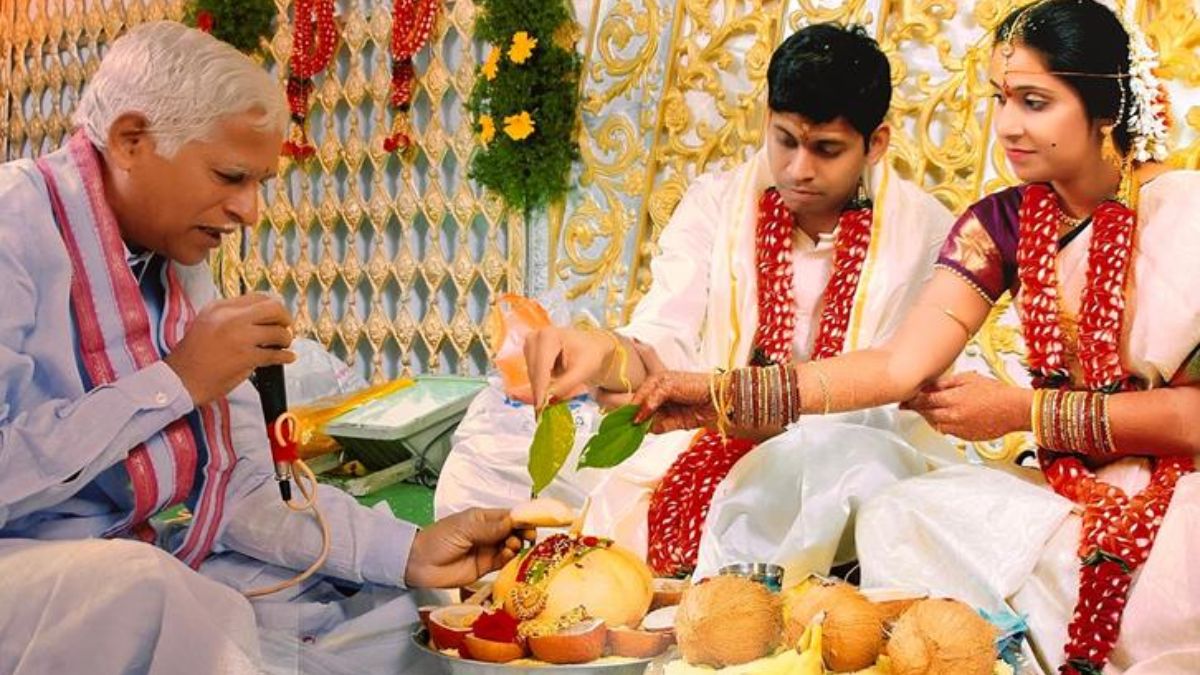
Later comes kanyadaan, practised in many Hindu weddings. The bride’s parent places her hand into the groom’s hand. Most people read this as a gesture of trust, blessing, and the passing of care from one household to another. Historically, Hindu marriage has also been described as the gift of a maiden from the bride’s father to the groom’s family.
Customs like this deserve to be read in their historical setting. They grew up inside particular social systems, and many modern Indian couples and families now reinterpret them through ideas of equality, consent, mutual respect, and shared partnership. A ritual can keep its form while its meaning shifts, and this happens in India more often than outsiders tend to expect.
Turmeric, Henna, and Red Powder
The look of an Indian wedding carries meaning of its own. Bright colours, flowers, jewellery, music, and ritual decoration turn a marriage into a public celebration of hope.
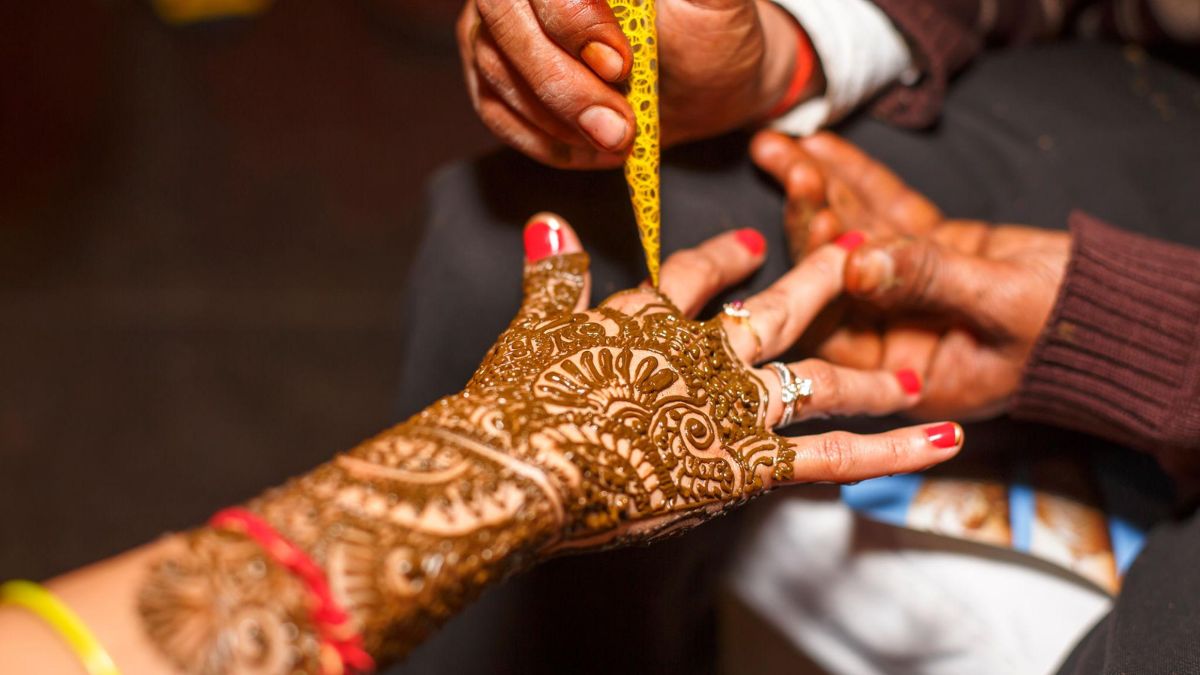
Mehndi, or henna, is applied to the bride’s hands and feet in detailed patterns at cheerful gatherings before the wedding. Many communities cherish it, especially in North India, and it brings female relatives and friends together for an afternoon of talk and laughter.
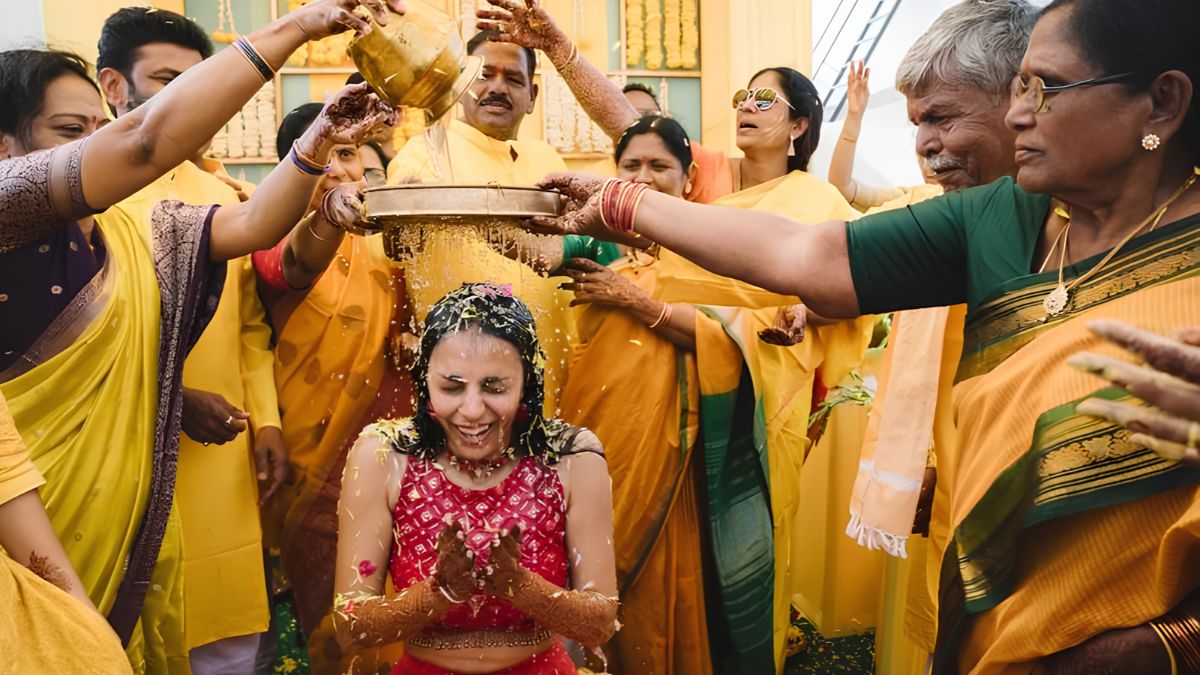
The haldi ceremony uses a paste of turmeric, often mixed with sandalwood, curd, or other ingredients. It is applied to the bride and the groom separately. People widely understand it as a ritual of purification, blessing, and preparation for the wedding day.
Then there is sindoor, a powder that may be red, maroon, orange, or pink. In many Hindu communities, it is placed at the parting of a married woman’s hair and marks her marital status. For many families, it remains a strong visual sign of marriage, love, prosperity, and lasting bonds.
A Country of Many Weddings
Wedding customs in India differ greatly across regions, languages, and faiths. A Hindu wedding in Tamil Nadu may include kanyadaanam and saptapadi. Other southern communities may add mangala snanam, a purifying bath, and talambralu, in which the couple showers one another with rice mixed with turmeric and saffron. It is a playful moment in the middle of a solemn day.
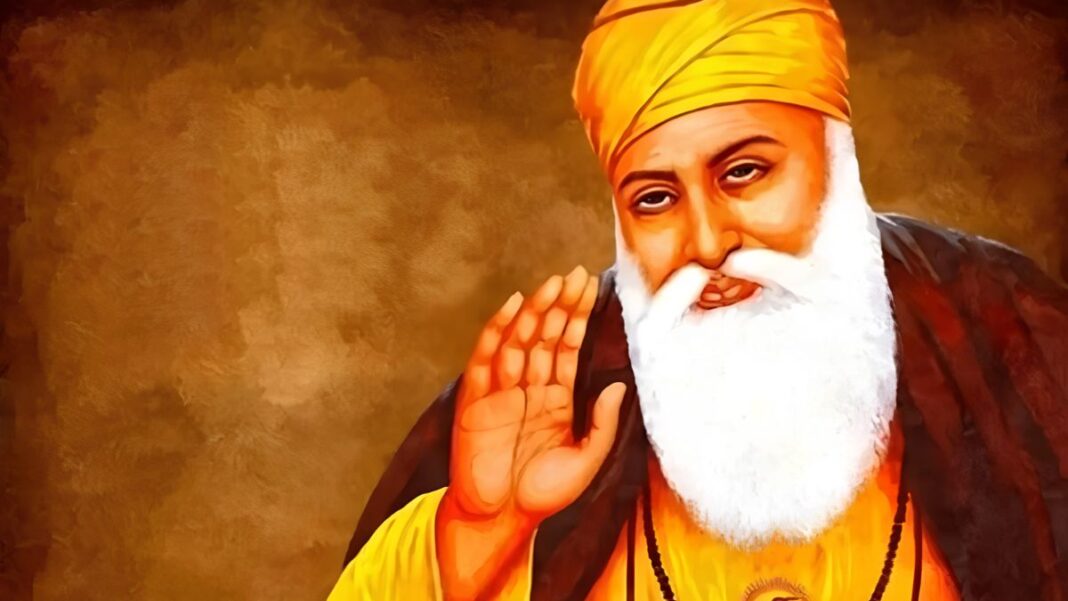
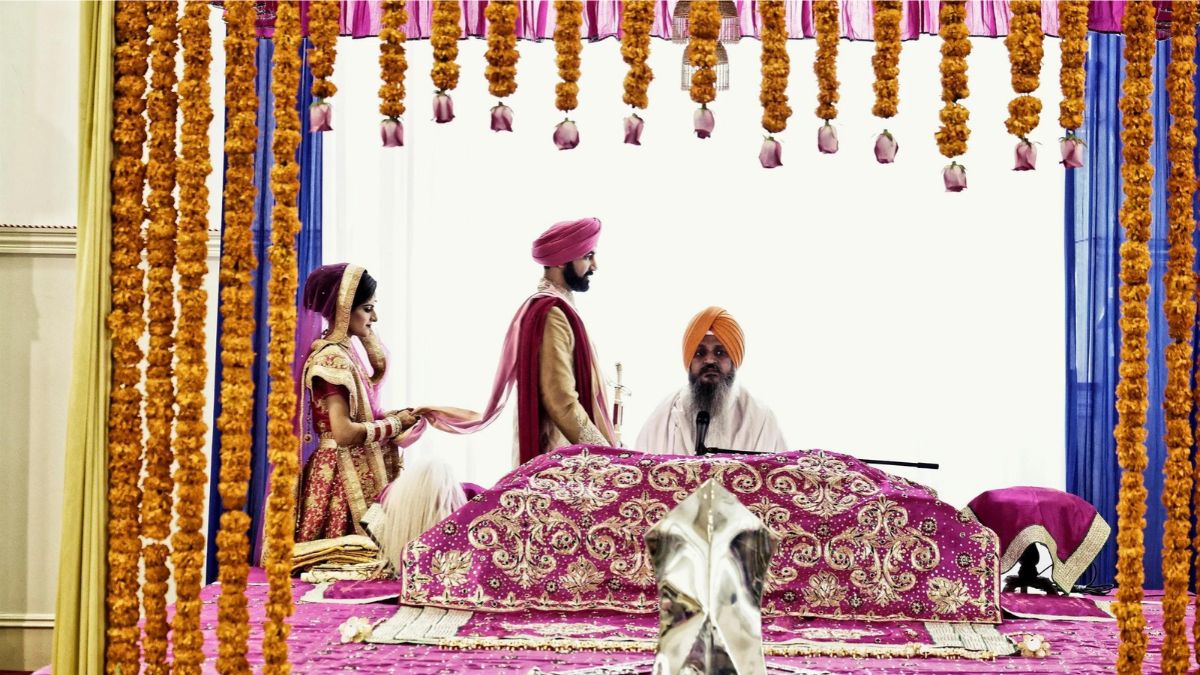
Sikh tradition has the Anand Karaj, held in the presence of the Guru Granth Sahib. The couple performs lavan, four rounds around the scripture, and the rounds symbolise their commitment to one another and to God.
Muslim, Christian, Jain, Buddhist, tribal, and other regional communities keep customs of their own. This variety is one of the great strengths of Indian culture. It shows that marriage can honour shared human values such as love, responsibility, family, and hope, and still wear many local forms.
Music, Rice Flour, and Shared Meals
Indian weddings are also gatherings of art. Music, dance, processions, shared meals, and festive evenings give the ceremony its energy and its joy. The celebrations can run for several days and involve large numbers of people, which shows how much a wedding belongs to the whole community and how little it belongs to the couple alone.
Floor art such as rangoli often appears around homes and wedding spaces. Its earliest clear literary mention is found in the Kamasutra, composed in the 3rd century CE, which describes decorative lines made with rice powder and flowers.
Customs like these remind us that Indian weddings celebrate beauty along with duty. People have always wanted to mark the most meaningful turns in life with colour, music, and a memory that others share.
A Tradition That Keeps Moving
Indian wedding rituals have never stood still. The ancient Vedic elements of fire, mantras, joined hands, circling, and seven steps carry on in forms a priest from long ago would recognise. Modern couples add their own touches, such as contemporary clothing, photography, favourite music, legal registration, and personal vows.
The lasting appeal of these rituals comes from their balance. They keep heritage alive and give families room to adapt. A wedding can include a traditional sacred fire and also reflect the couple’s values, careers, faith, and dreams.
What the Ceremonies Leave Behind
The long history of India’s wedding rituals offers a lesson that has aged well. Love grows stronger when family supports it, when values guide it, and when a community celebrates it. These ceremonies honour the past and place no demand on the future to look the same.
At their best, Indian weddings remind a couple that marriage calls for courage, patience, respect, and shared growth. They invite families to bless a new beginning and communities to rejoice together. They also ask two people to walk forward side by side into a life built on trust, love, and mutual responsibility.
India’s wedding traditions endure because they speak to a hope that nearly everyone shares. Two people want to build a meaningful life together, and they want those who love them close by when it begins.
Also Read: The Secret System That Kept India’s Festivals From Drifting Through the Seasons
You can connect with DNN24 on Facebook, Twitter, and Instagram and subscribe to our YouTube channel.