
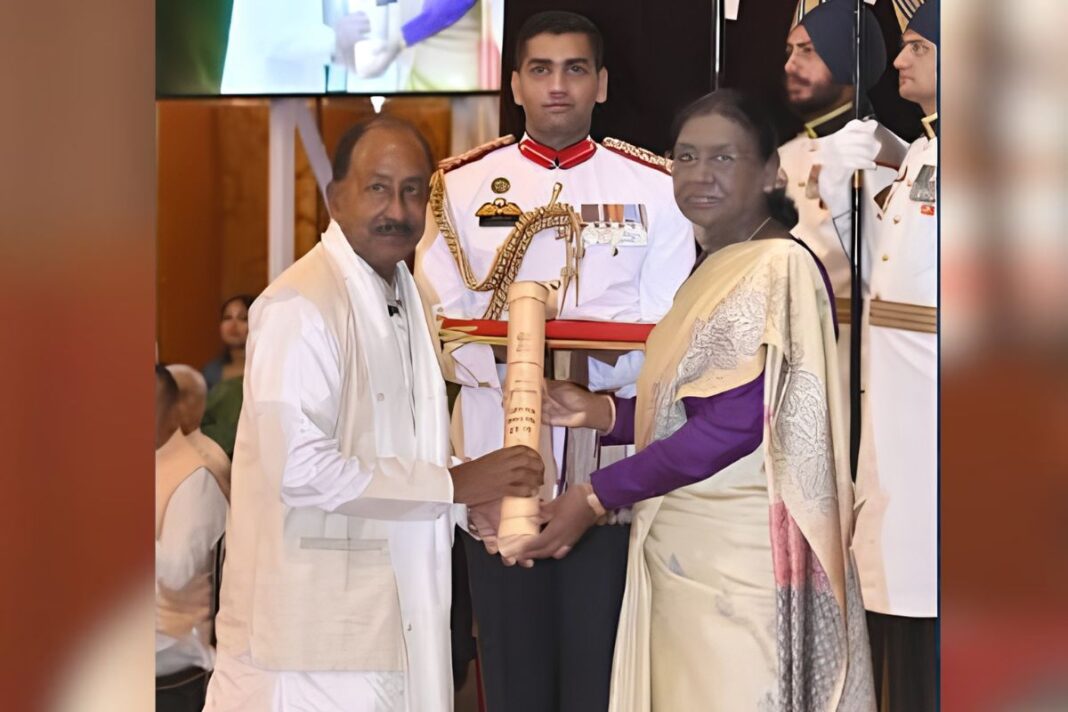

A village boy once sank the Titanic onstage, and nobody who watched it happen ever forgot the sight. That boy grew into a man named Nuruddin Ahmed, and in 2026 the Government of India handed him the Padma Shri, one of the country’s highest civilian honours, for more than fifty years of shaping the look and feel of Assamese theatre.
A Childhood Spent Watching Light and Shadow
Ahmed was born on January 17, 1958, in Sathikuchi, a small village tucked into Nalbari district in Assam. There was nothing especially privileged about his early years. He grew up watching colour, shape and shadow the way other children watched cricket matches, and that habit of noticing became the seed of everything he built later. He taught himself far more than he was ever formally taught, working through instinct and repeated practice until his eye for staging sharpened into something rare. Looking back on the honour many decades later, he said, “I come from a small village, and I am honoured to be receiving this.”
The Man Behind Assam’s Travelling Stages
To understand what Ahmed actually built, you have to understand mobile theatre, a tradition unique to Assam in which entire troupes pack up their sets, lights and performers and carry them from town to remote village, staging full productions wherever they land. For over four decades, Ahmed has quietly been the person responsible for how those travelling stages actually look. He has designed sets and lighting for more than 450 mobile theatre productions and shaped the visual direction of nearly 5,600 plays performed across several Indian languages. Few names in Indian theatre carry that kind of scale.
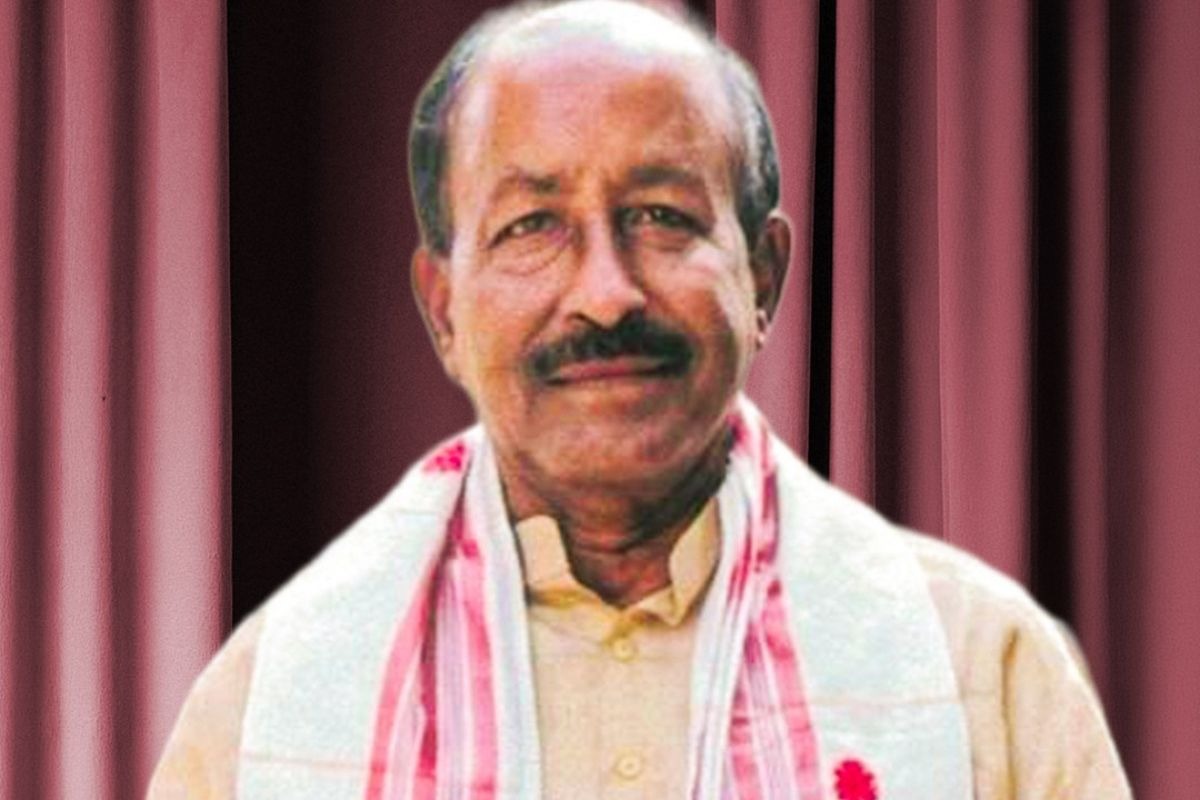
Under his hand, mobile theatre stopped being a modest platform with painted backdrops and became something closer to spectacle. Mythological epics, sweeping historical dramas and stories pulled from current events all passed through his workshop, and each one came out looking more real, more textured, more alive than audiences expected from a stage that would be dismantled and moved by morning.
Titanic, Dinosaurs And A Tsunami On A Travelling Stage
Some of Ahmed’s creations have become legend in their own right. Twenty years ago, he staged a live sinking of the Titanic on a mobile theatre set, using moving props and carefully built effects that convinced village audiences they were watching a ship actually go down. He later built full productions around a rampaging dinosaur and a devastating tsunami, each one demanding the kind of engineering ingenuity you would expect from a film set rather than a travelling troupe.
His range did not stop at disaster spectacle. During Durga Puja celebrations, he recreated entire lost worlds, from the ancient Maya civilisation to Indraprastha, the legendary capital city of the Pandavas from the Mahabharata. These were not simple backdrops painted for effect. They were built as narrative devices in their own right, pulling audiences deeper into the emotional core of each story, whether that audience sat in a city auditorium or a dusty village ground.
Teaching Without Ever Asking For Credit
Colleagues who worked alongside Ahmed describe a man who rarely chased recognition and instead poured his energy into work that mattered to the people watching it. His daughter, Anjuman Ara Begum, herself a well-known mobile theatre artist who performs under the name Tulika, put it this way: “He only focused on doing something meaningful for society. That is why this recognition feels so special and so well deserved.”
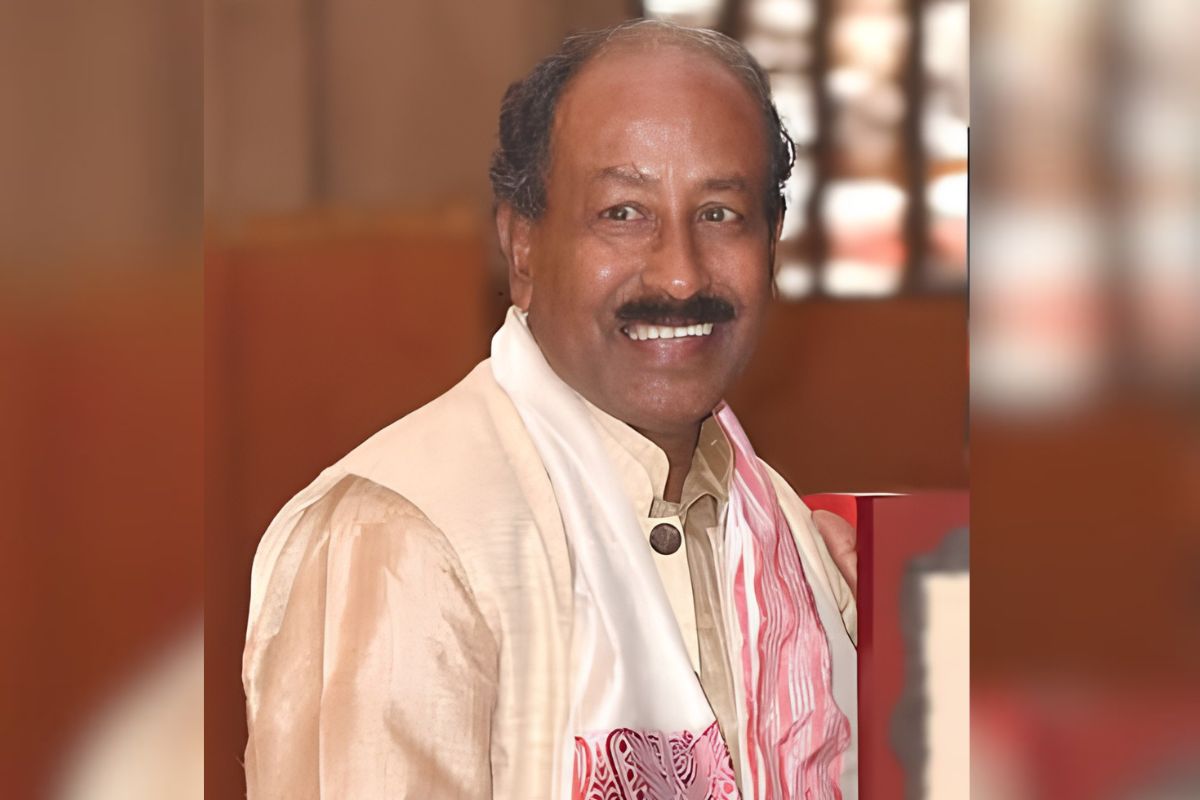
That quiet focus shaped more than his own career. Ahmed mentored a generation of younger designers, technicians and stagehands across Assam, encouraging them to treat theatre as both craft and public service. Much of the current respect commanded by Assamese stagecraft traces back, in some form, to habits and standards he modelled for decades without ever making a show of it.
From Sangeet Natak Akademi To Rashtrapati Bhavan
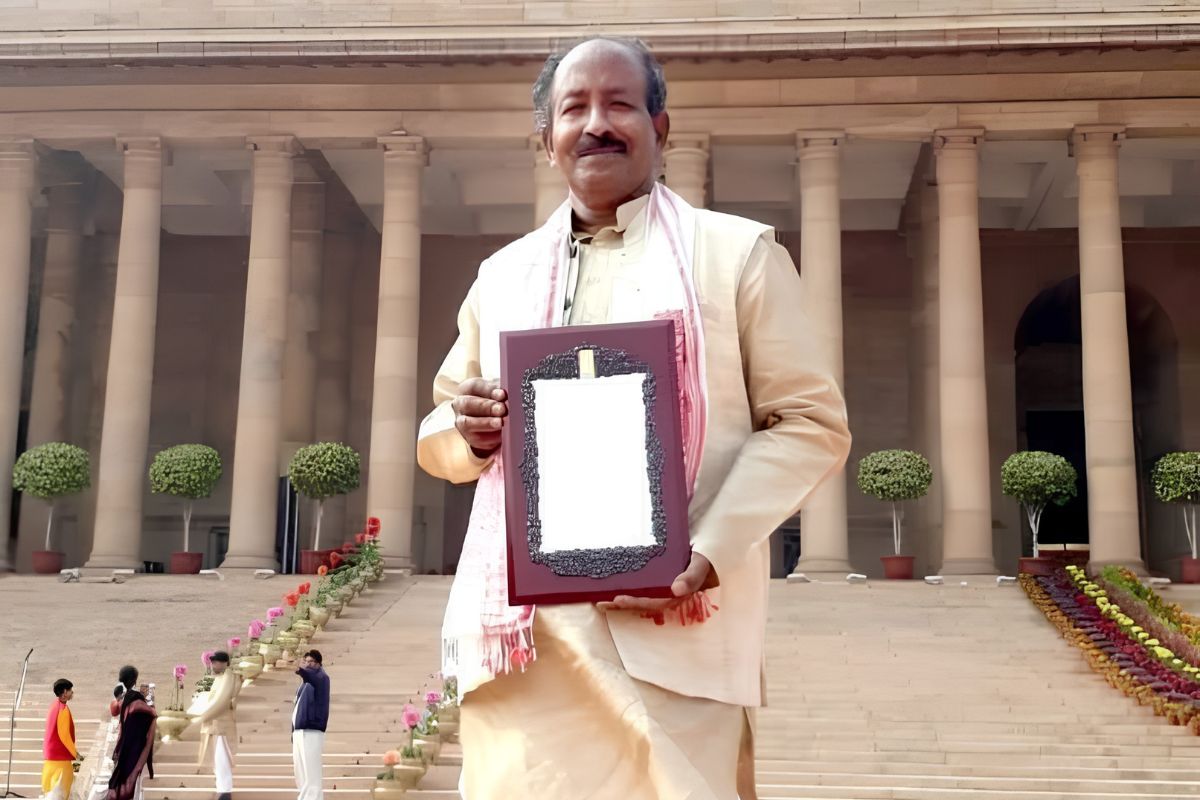
The Padma Shri did not arrive out of nowhere. Ahmed had already received the Sangeet Natak Akademi Award back in 2017, a significant national recognition in its own right. But the Padma Shri in 2026 marked something larger, a formal acknowledgement from the nation of a career most people outside Assam had never fully seen.
Speaking after the announcement, Ahmed called the award a turning point in his life. “I am grateful for this award, and I thank the Assam residents for this,” he said. “This is a turning point in my life, and it will inspire my actions in the future.” He was careful to share the credit rather than keep it for himself, adding that the honour belonged to everyone who had walked the journey beside him, including his family, his colleagues and the wider community of Assam.
Part Of A Bigger Story From The Northeast
Ahmed’s award sat inside a larger pattern this year. Ten individuals from India’s Northeast received Padma honours in 2026, and Assam alone accounted for five of them, a strong signal of the region’s growing presence on the national cultural stage. For Ahmed specifically, the recognition also drew attention to the often overlooked contribution of Assamese Muslims to Indian art and performance, a part of the cultural picture that rarely gets the spotlight it deserves.
A Legacy Built From Folk Roots And Modern Craft
What made Ahmed’s work genuinely distinct was his habit of blending old and new. He drew heavily on regional motifs and on Ankia Bhaona, a centuries-old form of devotional performance native to Assam. Then he fused those roots with modern lighting rigs, mechanical staging and engineered effects. The result was a style of mobile theatre that felt both deeply local and startlingly ambitious at the same time.
He also trained as a sculptor, and that training shows in every set he has built. Hand-carved, three-dimensional elements gave his productions a physical weight that flat painted backdrops could not match, blurring the boundary between stagecraft and sculpture in a way few of his peers ever attempted.
Why This Story Matters Beyond Assam
When President Droupadi Murmu placed the Padma Shri medal in Ahmed’s hands at Rashtrapati Bhavan, the moment recognised far more than one artist’s individual talent. It recognised an entire tradition of travelling theatre that has carried stories to villages most of India never thinks about, and it recognised the decades of unglamorous, unpaid attention that made those travelling stages worth watching in the first place.
Ahmed’s story is a reminder that the biggest creative achievements do not always happen under bright city lights. Sometimes they happen on a stage built to be taken down by morning, in a village most maps barely mark, by someone who never once asked for the credit he has now finally received.
You can connect with DNN24 on Facebook, Twitter, and Instagram and subscribe to our YouTube channel.