

Dampur, the largest Muslim-dominated village in Assam’s Kamrup district, has defied vote bank politics. The villagers have voted for parties like the Asom Gana Parishad (AGP), Congress, and BJP, showing no particular allegiance to any party. This is largely due to the village’s high literacy rate of over 90 per cent and emphasis on quality education.
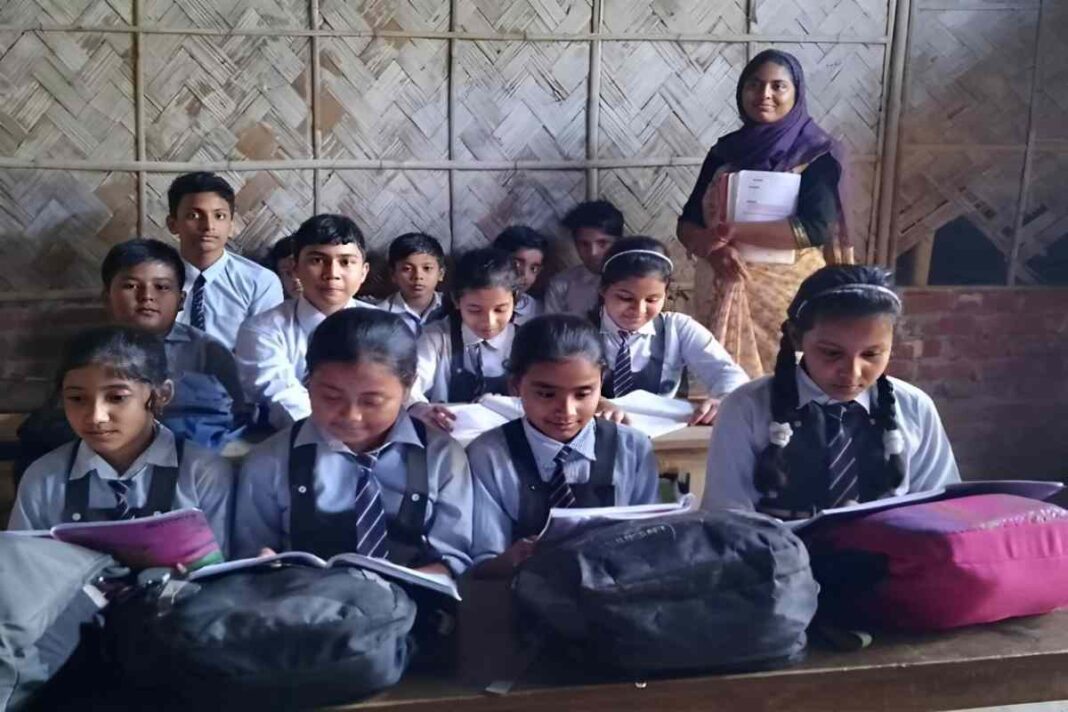
Haider Ali Saikia, the former president of the 67 No Dampur Gaon Panchayat, attributes the rejection of vote bank politics to the villagers’ education and literacy levels. Dampur boasts several educational institutions, including four government high schools, one for girls, a private senior secondary school for science, nine government primary schools, one government high madrassa school, two jatiya vidyalayas (vernacular medium schools), and four private English medium schools.
Preserving Cultural Heritage
Despite being a 100 per cent Muslim village, Dampur has broken many stereotypes commonly associated with Muslim villages in India. Noted litterateur and former chief engineer Safiur Rahman Saikia highlights that education has always been a priority in Dampur, and girls have never faced discrimination in obtaining education.
In 1927, students formed the Dampur Chatra Sanmilani, a platform designed to create awareness for noble causes and unite the younger generation irrespective of caste, creed, and religion. The Sanmilani organizes an annual convention where people from different walks of life participate and celebrate India’s diverse culture through songs and dances.
Embracing Modernity and Tradition
The villagers of Dampur run the Dampur Islamic Madrassa with their own financial and logistical contributions. Haider Ali Saikia, the president of the madrassa’s management committee, states that in addition to Islamic education, the madrassa imparts modern education to its students.
With a population of 21,000, Dampur is self-sufficient in rice, other paddy, and vegetable production. Forty-five per cent of the villagers are farmers. The village has 26 mosques, and the imams of every mosque preach the message of peace and brotherhood.
Dampur Village has set an example by prioritizing education, preserving cultural heritage, and embracing modernity while staying true to its traditions. The villagers’ rejection of vote bank politics reflects their progressive mindset and commitment to make informed decisions for the betterment of their community.
For detailed story, please visit: Awaz the voice
Also Read: India’s Global Leadership: G-20 and Development
You can connect with DNN24 on Facebook, Twitter, and Instagram and subscribe to our YouTube channel.