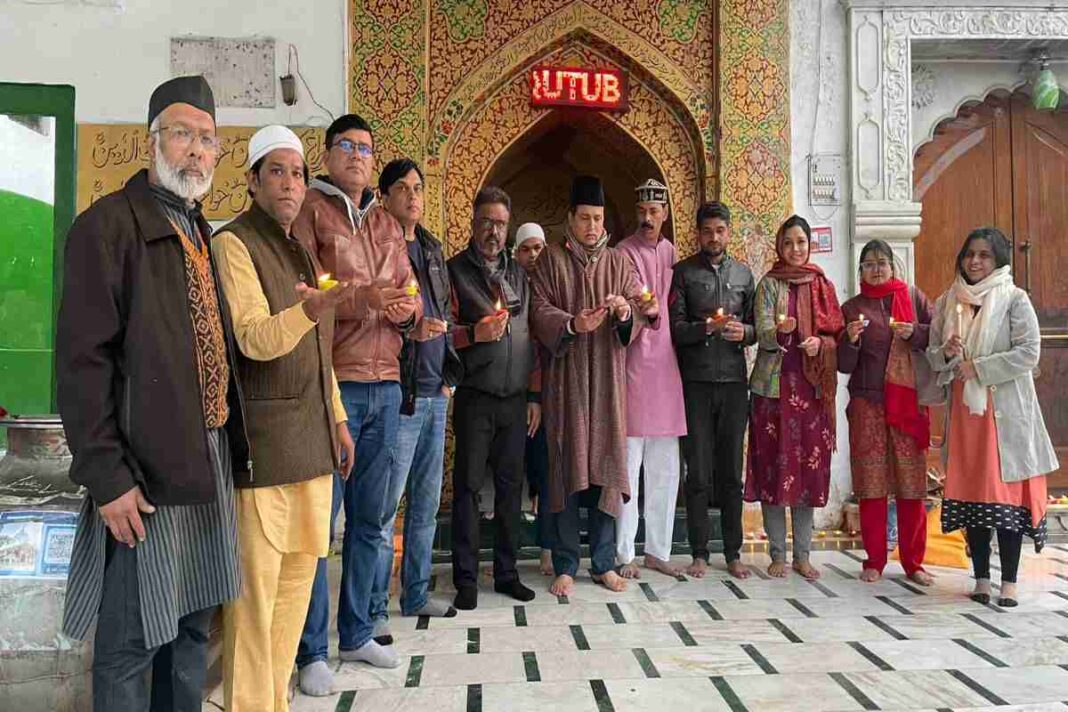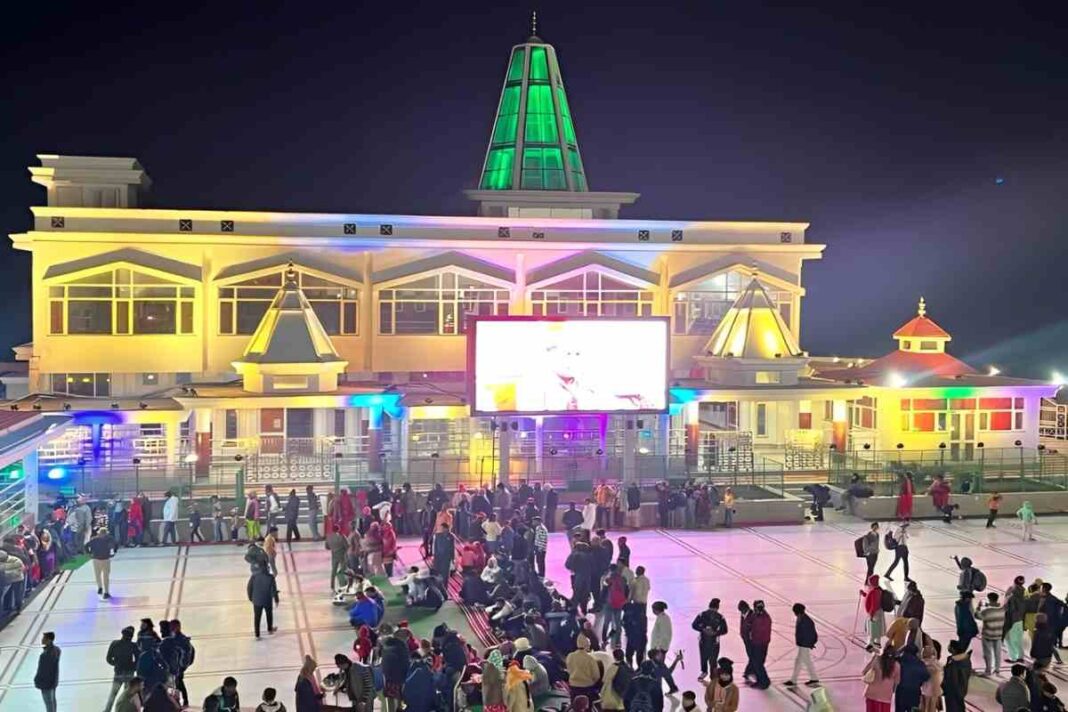

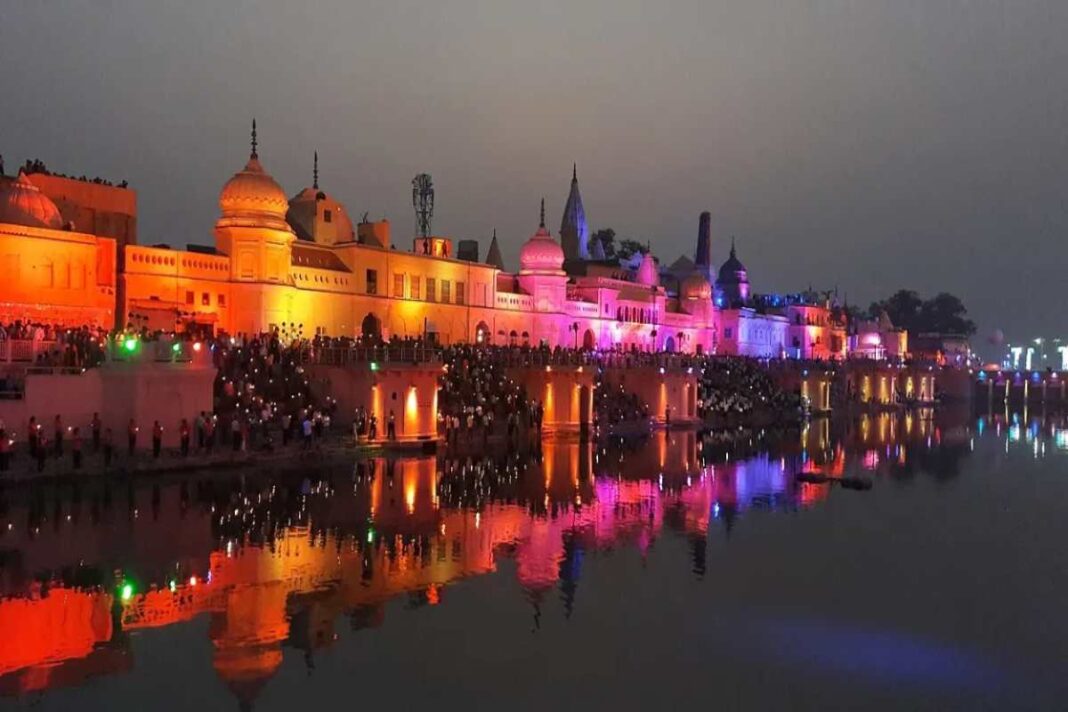

In the heart of Faizabad, my journey as a madrasa student unfolded, leading me to the sacred grounds of Ayodhya, the birthplace of Shri Rama, back in 2005. While engrossed in my Maulvi examination under the Uttar Pradesh Board of Madrasa Education, a serendipitous encounter with a city friend opened my eyes to the profound Indo-Islamic traditions that define Ayodhya.
A Tapestry of Prophets and Mystics
Ayodhya, a city resonating with historical significance, has witnessed the birth and resting places of numerous prophets and messengers of Allah. Notably, the hallowed ground encompasses the sanctity of Hazrat Sheesh (Prophet Sheth) and Hazrat Nooh (Prophet Noah).
The Mystical Dimensions
My transformative experience at the marked birthplace of Shri Rama, known as “26 Gazi Mazar,” at the age of 15, opened a new chapter in my spiritual exploration. Ayodhya emerged as the epitome of India’s rich tapestry, woven with threads of Ambiya (Prophets) and Awliya (Sufi saints) who graced this ancient civilization.
A Call for Muslims in India
It becomes imperative for Muslims in India to reconnect with the historical significance of Ayodhya . India, or Mother India as it’s affectionately called, is not just a land of Rishi-Munis but also of Rusul (Prophets). Every nation, according to the holy Qur’an, has been graced with a messenger, emphasizing the nation’s spiritual diversity.
The Pluralistic Essence of India
India, a cradle of over 5,000 years of civilization, embodies religious pluralism with the timeless principle of “Sarva Dharma Sama Bhava” (Equal Respect for All Religions). This inclusivity paved the way for the birth of Hinduism, Buddhism, Jainism, Sikhism, and the harmonious convergence of Islam, particularly in the spiritual synergy of Sufism.
Sufi Perspective on Unity
The reflections of Mirza Mazhar Jaan-e-Janan shed light on the inclusive legacy and pluralist theology, emphasizing the unity between the Qur’an and the Vedas. Influential Sufi masters like Ghulam Ali Dehlvi played a pivotal role in promoting Wahdat-e-Wahy, fostering unity in scriptures and divine revelations.
For a detailed story, please visit: Awaz the voice
Also Read: Embracing Eternity: The Heartfelt Story of the Mini Taj Mahal in Guwahati, Assam
You can connect with DNN24 on Facebook, Twitter, and Instagram and subscribe to our YouTube channel.