

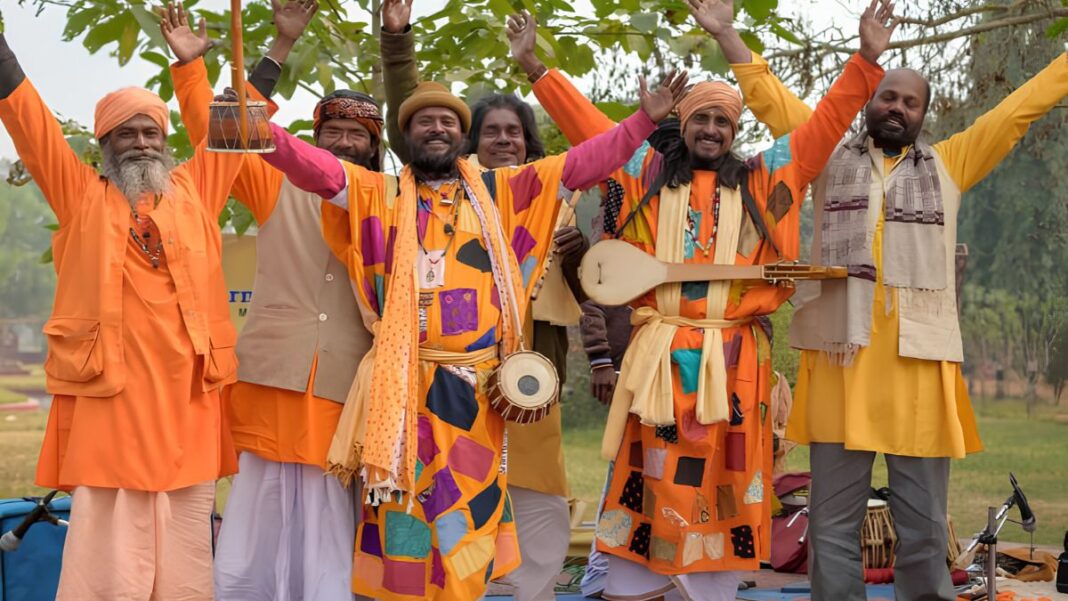

On riverbanks, at village fairs and on railway platforms across Bengal, a man or woman with an ektara still sings a message that priests, landlords and rulers never managed to silence. The divine, the song says, does not live in a temple, a mosque, a caste or a bank balance. It lives inside you. The people who carry this idea are the Bauls, mystic minstrels of rural Bangladesh and West Bengal in India. They sing, they dance, and they travel, and they treat music as both a spiritual practice and a form of protest. UNESCO proclaimed Baul songs a Masterpiece of the Oral and Intangible Heritage of Humanity in 2005 and placed them on its Representative List in 2008.
What the Word Baul Really Means
The word is usually traced to the Sanskrit vatula and related terms that mean mad, afflicted or possessed. It was hardly meant as an insult. It describes people who seem to care nothing for rank or reputation because they are after something larger. Britannica calls them members of a Bengali order of religious singers, known for odd behaviour and for the freedom and spontaneity of their mystical verse.
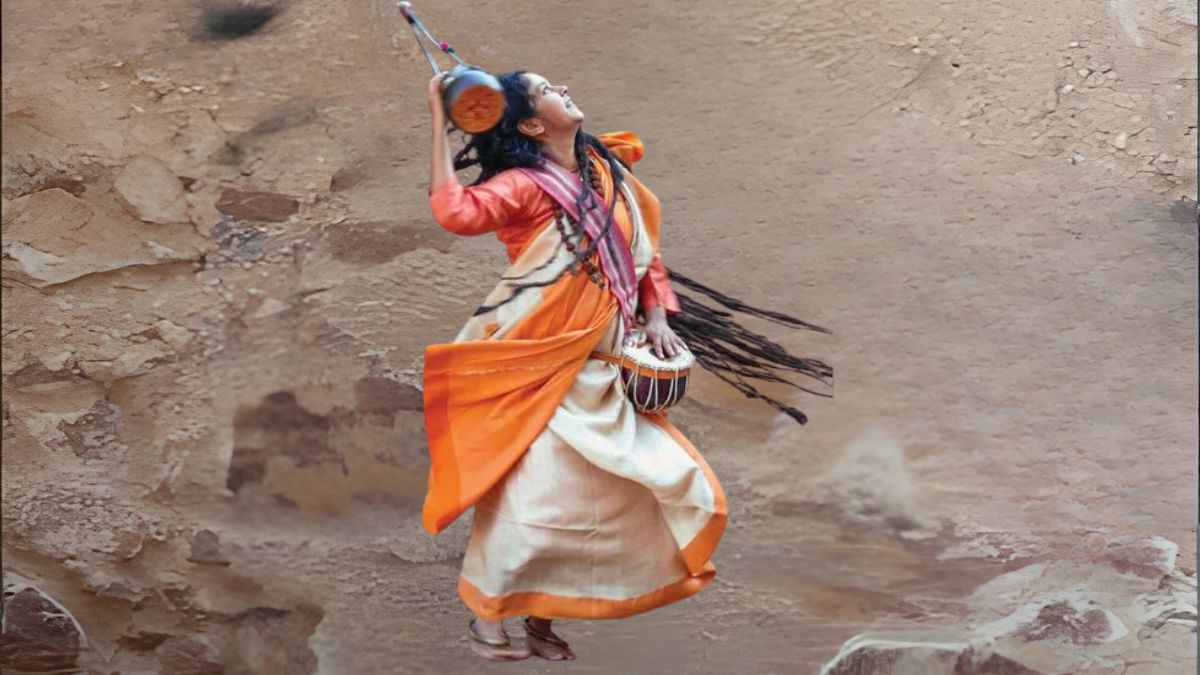
Bauls are more than folk entertainers. Song is how they pursue inner realisation, think about right and wrong, and talk with their community. UNESCO describes them as mystic minstrels who may live near a village or travel from place to place, earning their living by singing with the ektara and other instruments for company.
Their ranks have included both Hindus and Muslims, and that fact explains much of their force. A Baul questions the fences between faiths, and the songs ask listeners to look past labels and find the divine in every person.
Songs That Sound Simple
A bird in a cage. A boat on a river. A lamp in a dark room. The human body itself. The images are ordinary, yet each one opens into questions about the self, desire, death, love and release. The songs are oral, shaped during performance and handed from teacher to disciple. Sahapedia notes that Bauls traditionally do not write their songs down.
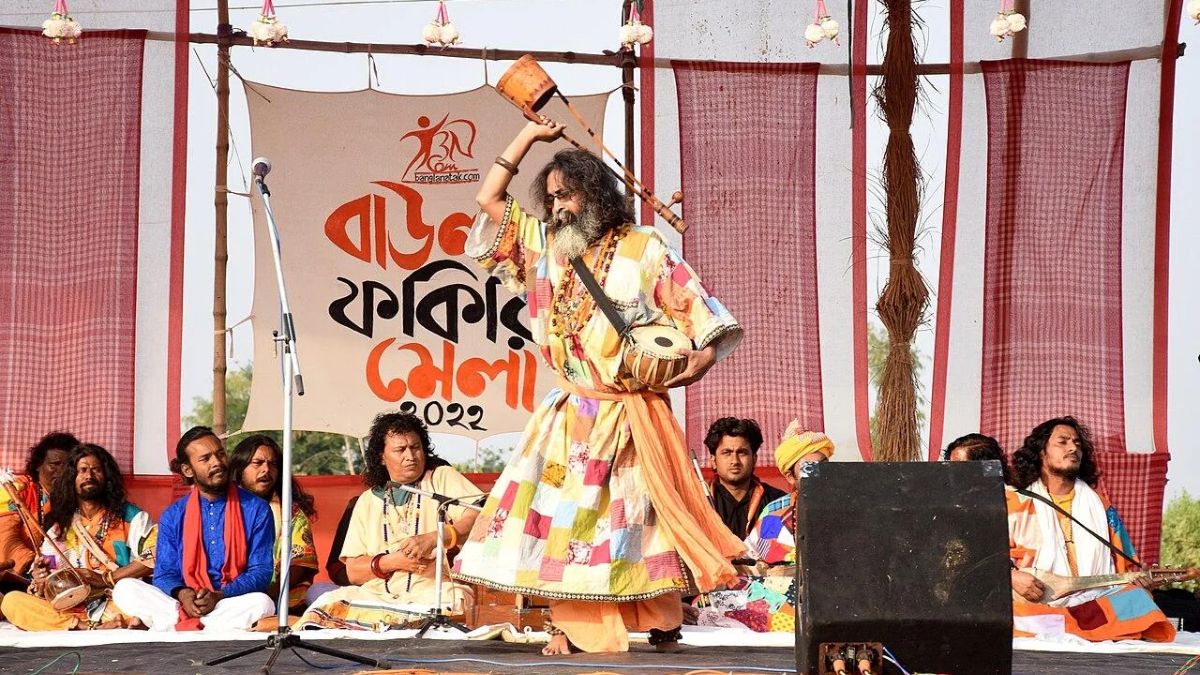
The ektara has one string, and it stands for the Baul path itself, which is simple, focused and direct. The sound is thin, and the meaning it carries is wide. Rhythm, repetition, call and response, and dance draw listeners in as participants, so nobody stays a spectator for long.
A Baul song may be joyful, sorrowful, playful or fierce. Through all of these moods runs one idea. The search for ultimate reality is a way of embracing human life more fully, and it offers no escape from it.
The Question About Caste
Why should birth decide what a person is worth? Bauls have asked this for generations, in a society where occupation, ritual status and family line often settled a person’s dignity before he or she could speak.
Scholars describe Baul songs and performances as voices that question dominant intolerance, oppression and exploitation, and that stand with marginalised communities. Other studies point out that Bauls criticise inequalities of money and status, including caste and class hierarchies and the discrimination that religious and social institutions keep alive.
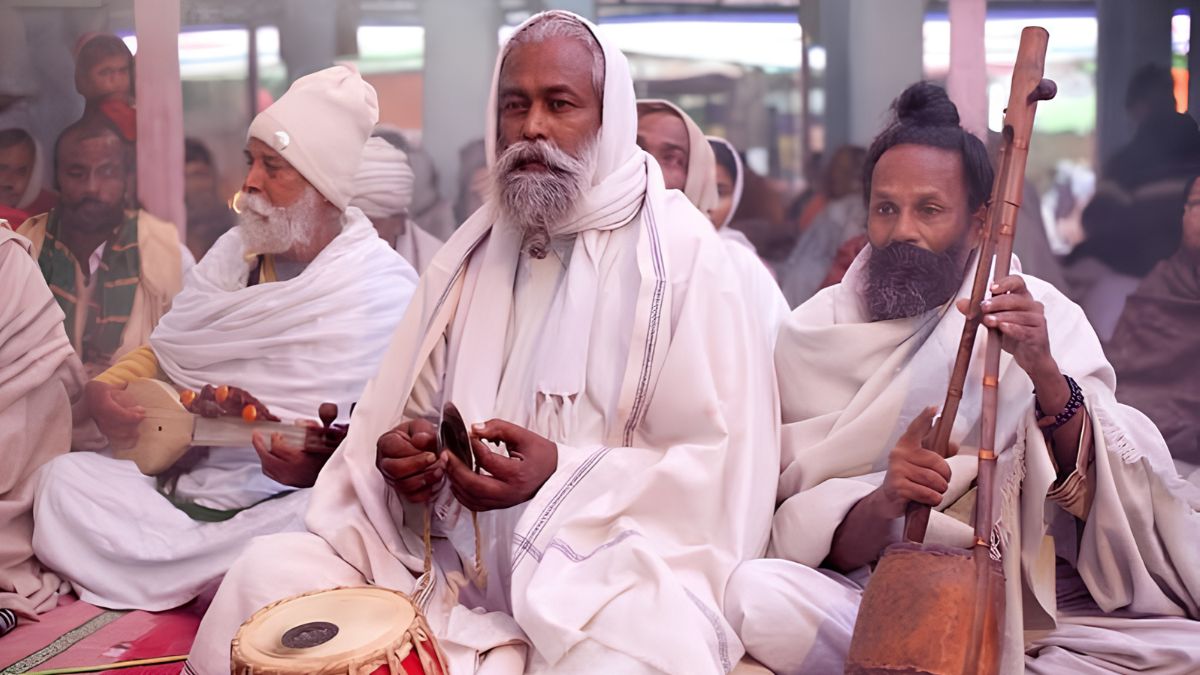
This criticism has real people in mind. It speaks to those who were treated as untouchable, those who were poor, those who were shut out and those who held no political power. The Baul message says that no human being is impure, inferior or unworthy of divine love. Each song can become a quiet act of resistance.
When Religion Turns Into a Wall
Bengal has long been a meeting ground for Hindu, Muslim, Sufi, Vaishnava and Tantric currents. The Bauls arose in this mixed world. They took what they found useful and refused to fit inside any single institution. Scholars often call their approach syncretic, meaning they borrow widely and place lived experience, love and inner realisation above dogma.
They reject the idea that salvation belongs to one community, one scripture or one ritual system. They look instead for the “man of the heart,” the divine reality believed to live within each person. Bauls take religion seriously, which is exactly why they object when it is used for exclusion, hatred or social control.
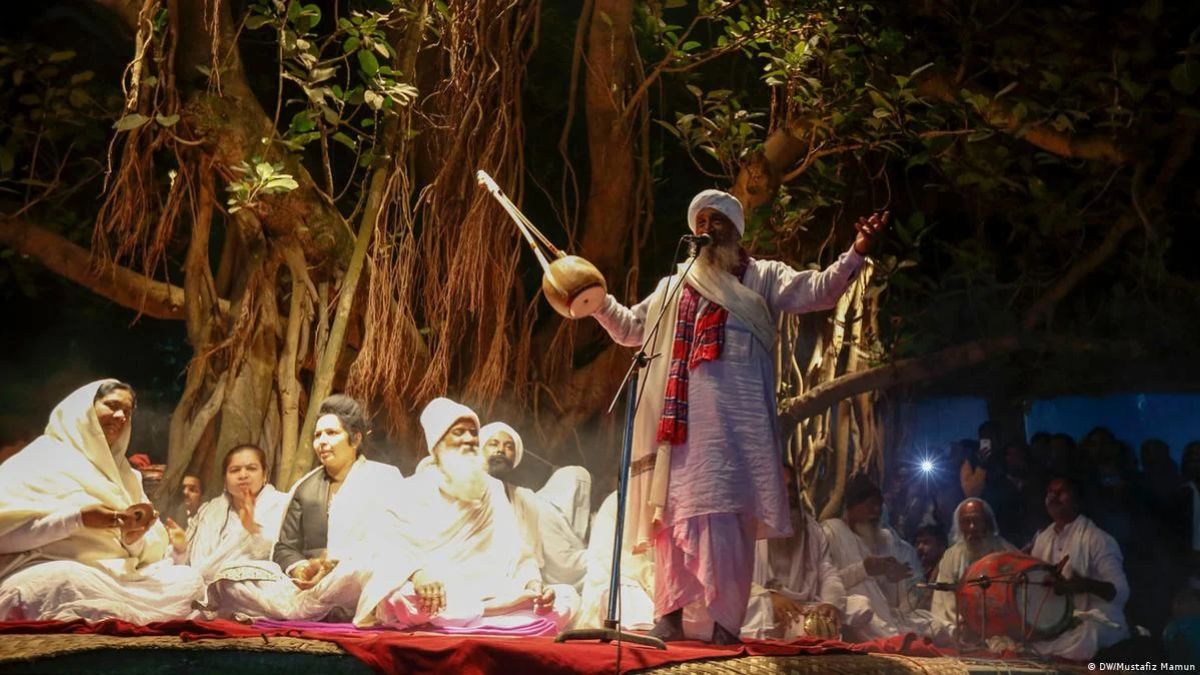
People keep their identities in Baul songs, and the songs keep those identities from hardening into walls. In a region with a painful history of religious division, that message still matters a great deal.
Lalon Shah and His Thousand Questions
Any account of the Bauls has to include Fakir Lalon Shah, one of the most influential spiritual poets and singers Bengal has produced. Banglapedia calls him a preceptor of Baul asceticism, a composer and a singer, and gives his years as 1774 to 1890.
Lalon set up an akhda, a kind of spiritual residence, at Chheunriya on the bank of the Kaliganga. There he lived a plain, austere life while composing and singing devotional songs. His verses are still sung across Bengal and beyond, and people treat them as a living philosophy as much as a heritage.
He asked a simple thing. What outward mark tells a Hindu from a Muslim when both breathe the same air, feel the same pain and look for the same truth? Banglapedia notes that nearly 2,000 songs are attributed to him, and that they express humanism and an outlook free of communal feeling.
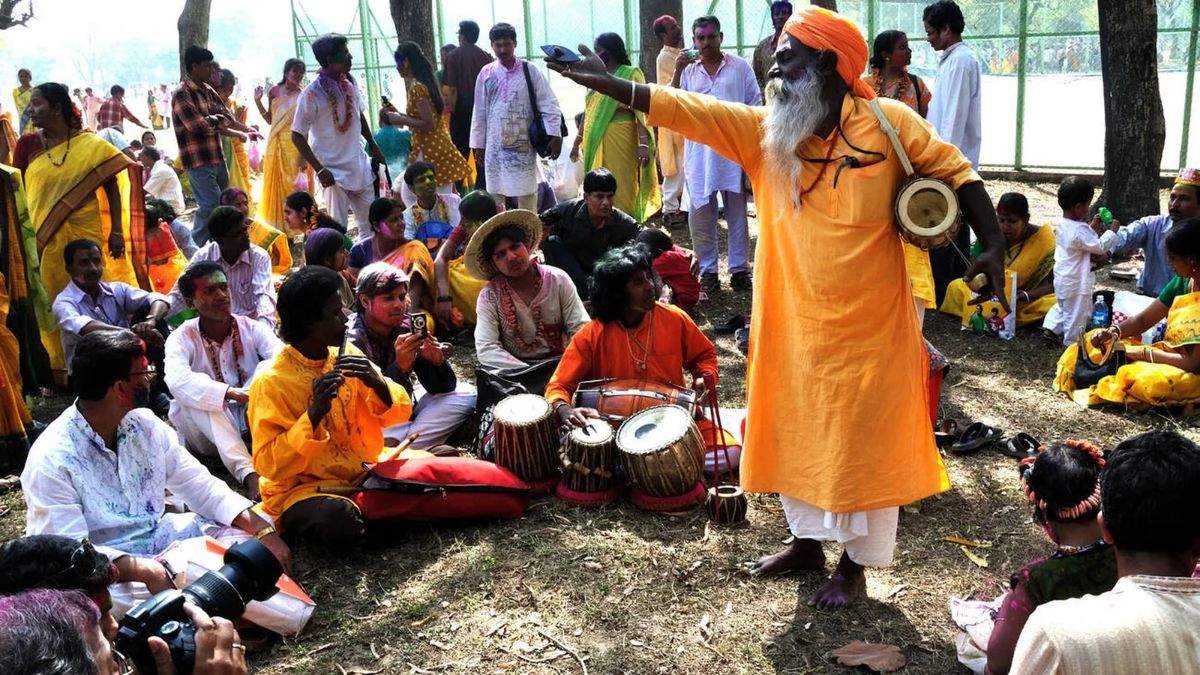
His standing rests on courage as much as on skill with words. In his time, religious and social boundaries could be punishing, and he sang for a humanity larger than any category. He made doubt a spiritual discipline and compassion a form of devotion.
The Women Behind the Myth
The Baul tradition is often pictured as a world of free, wandering singers, but the true story is more tangled. Women have taken part in Baul practice, yet scholars find that Baul women have often been pushed aside or misdescribed in both elite and popular accounts. An Oxford University Press study observes that urban Bengali writers have often pictured the “real Baul” as homeless, childless and free of social duty. That picture leaves out the actual lives and contributions of women.
This matters because the Baul ideal of freedom should not harden into another stereotype. Liberation has to include the voices, safety, agency and spiritual authority of women. A tradition that says all people are equal gains honesty when it looks squarely at how its own women live.
A Heritage That Still Breathes
UNESCO’s recognition in 2005 and 2008 affirmed that culture lives in more than monuments, manuscripts and museums. It lives in voices, melodies, habits and communities.
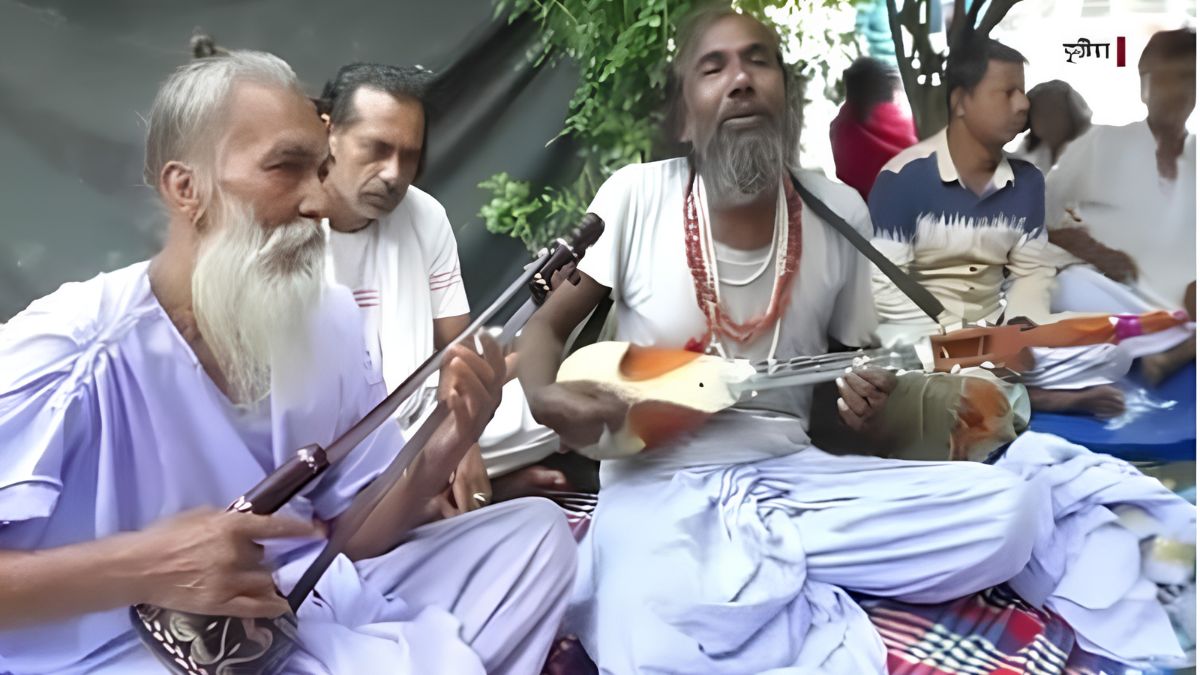
Recognition alone cannot protect a tradition, though. Baul singers still face money troubles, shifting tastes among audiences, commercialisation, and pressure to perform an identity for others when they would rather live it. Their future depends on real support for artists and respect for their spiritual and intellectual ownership. It depends on documentation done with consent, and on spaces where younger singers can learn without being turned into a tourist show.
Why the Song Lasts
Everyone knows what it feels like to be confined by fear, poverty, prejudice, grief or the expectations of other people. The Baul answer to that feeling is song, and it has carried through generations because of what it says.
The divine is found within human life, and distant heavens and exclusive institutions have no monopoly on it. Caste, class and religious labels cannot settle a person’s spiritual worth. Love, compassion and self-knowledge carry more power than dogma. Music can serve as prayer, teaching, protest and healing. And freedom means release from the prejudices that divide a society, which is a very different thing from living apart from it.
The Bauls of Bengal are more than wandering singers. They carry a humane and radical vision that every person holds a spark of the sacred and that no boundary built by fear has the right to deny it. Their single string may sound modest, yet it puts one question to every generation that hears it. If the divine lives within all of us, why do we keep building walls between us?
Also Read: The Secret System That Kept India’s Festivals From Drifting Through the Seasons
You can connect with DNN24 on Facebook, Twitter, and Instagram and subscribe to our YouTube channel.