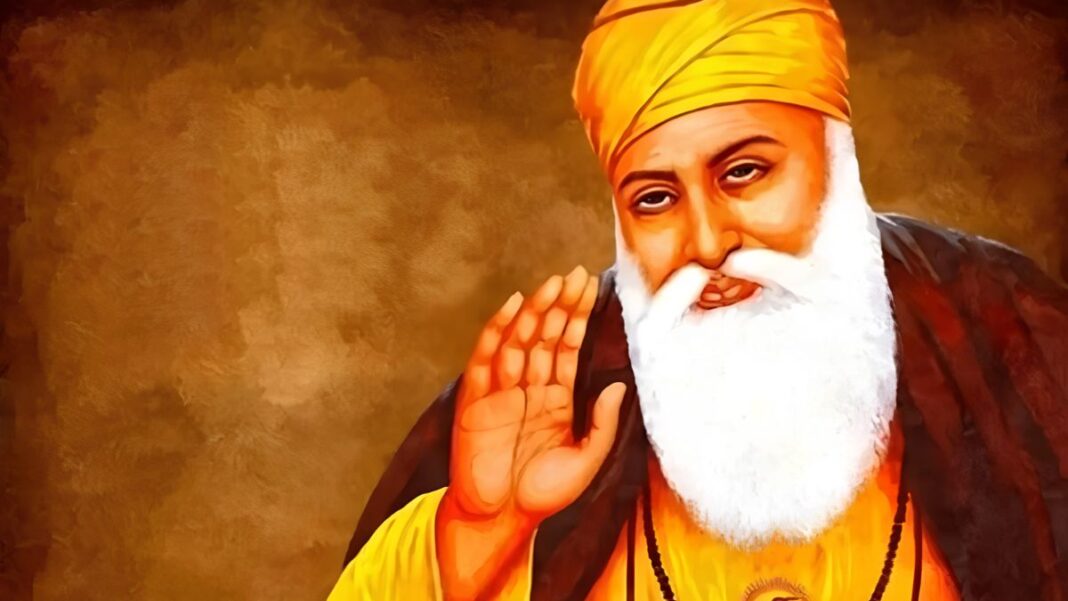

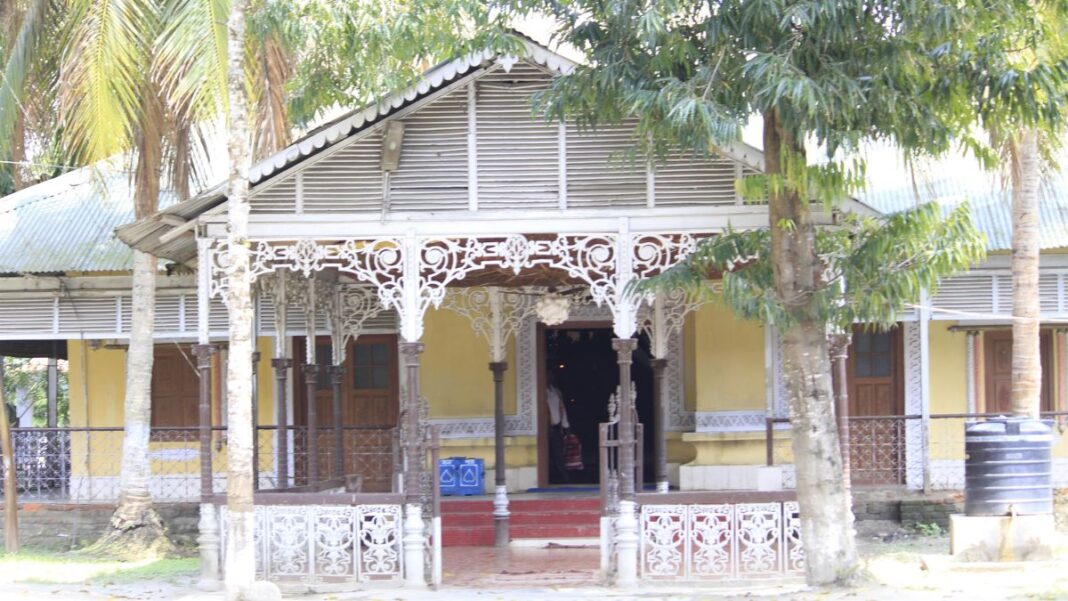

On the river island of Majuli in Assam, prayer became theatre, dance, and masks, and the monasteries that made this possible still stand. Faith here does not stay quietly inside a temple. It travels through drums and songs, shows itself on painted faces, and fills village halls with people who have come to watch a story they have known all their lives. The island’s satras, Vaishnavite monastic institutions linked to the teachings of Srimanta Sankardeva, have served for centuries as schools of art, literature, craft and shared community life.
A Faith That Opened Its Doors
The satra tradition grew out of the Bhakti movement that took shape in Assam during the fifteenth and sixteenth centuries. Srimanta Sankardeva and his disciple Madhavdeva built a devotional path centred on Vishnu and Krishna. They also welcomed people from every caste and community into religious and cultural life.
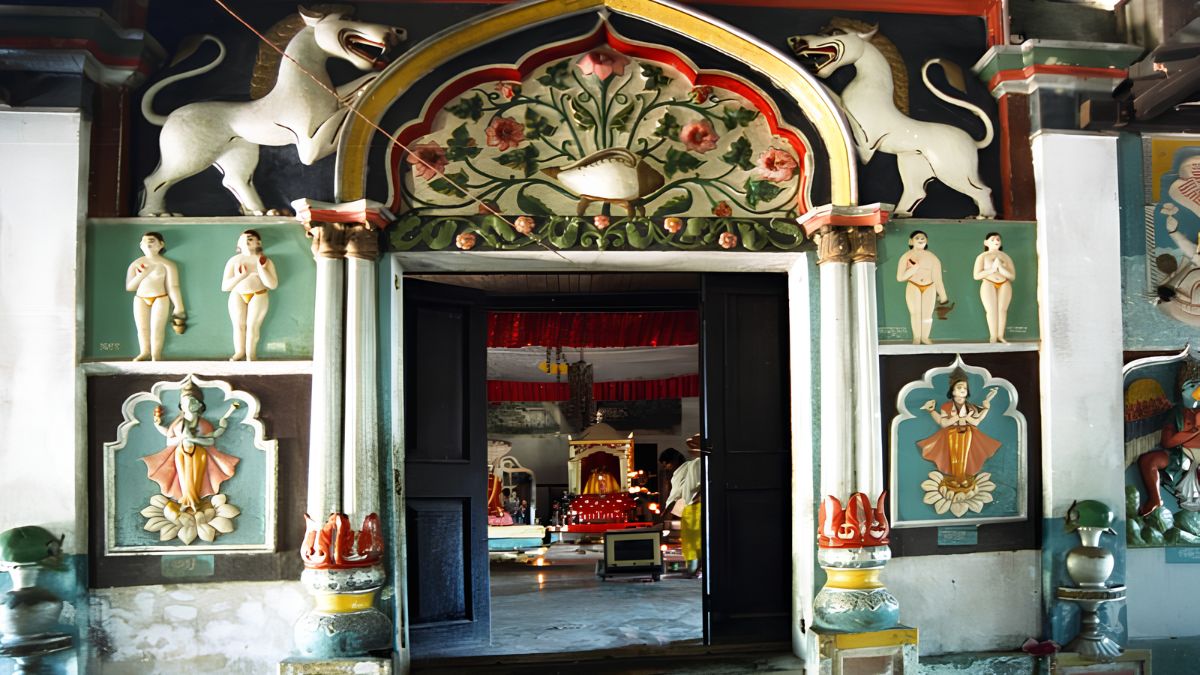
That was a bold idea for its time. Religious knowledge was often guarded by language, caste and the favour of the powerful. The satras answered with Assamese songs, stories, dance, and drama that ordinary families could follow and enjoy. Many scholars describe the period as a cultural renaissance in Assam, as new forms of music, dance, and folk theatre emerged alongside religious reform.
A satra, then, is a good deal more than a monastery. Its devotees, called bhakats, gather there for prayer and discourse, as well as artistic practice, study, and celebration. At its centre stands the namghar, or kirtanghar, a prayer hall that serves as both a sacred space and a community stage.
An Island of Living Traditions
Majuli is among the largest inhabited river islands in the world, and it became a major home of the satra movement. Historical accounts say that around 65 satras were founded there over the years. Erosion, floods and migration have cut the number of active ones to about 22.
Those that remain are working institutions, not museum pieces. Rituals, performances and crafts are taught to each new generation. The layout is plain and practical. A large prayer hall faces a shrine, and dormitories, bathing tanks, and guest quarters surround this sacred core.
Auniati, Kamalabari, Dakhinpat, Garamur, Samaguri, Bengenaati and Natun Kamalabari are among the best known. Each has its own strengths, yet all share one purpose: to keep devotion alive while feeding the island’s cultural life.
Theatre Staged in the Prayer Hall
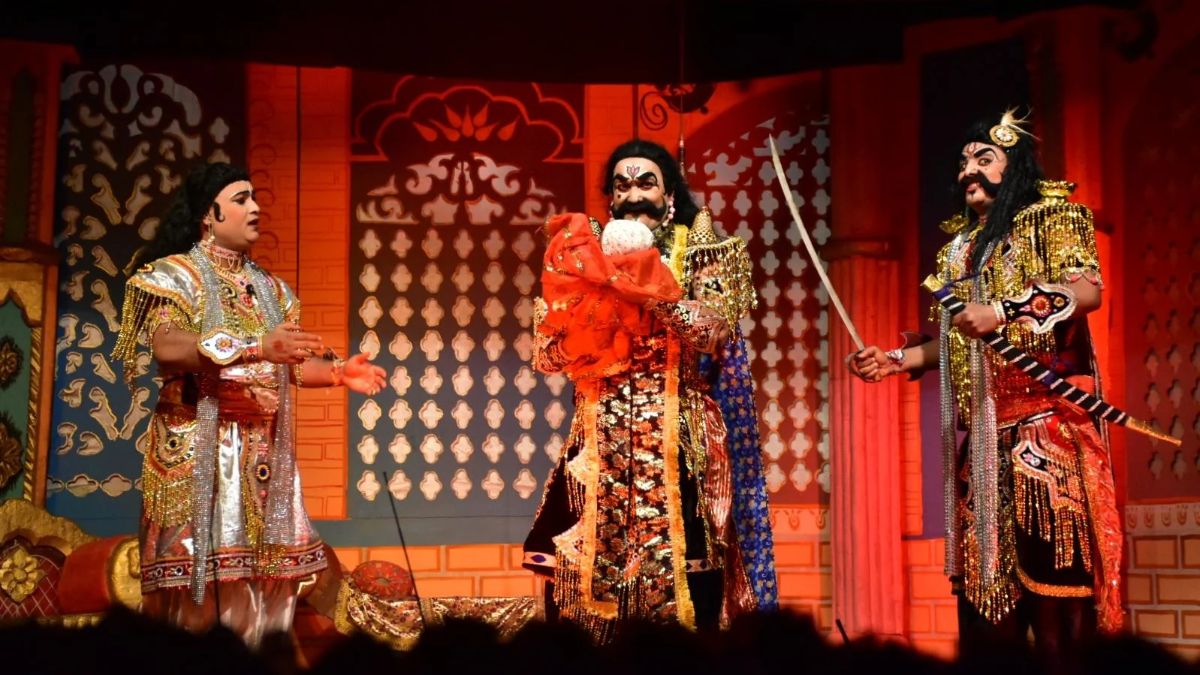
Among the finest gifts of the satras to Assam is bhaona, a form of religious drama tied to Sankardeva’s Ankiya Naat tradition. Its plays retell episodes from the Bhagavata Purana, the Ramayana and other sacred narratives through music, dance, dialogue and symbolic action.
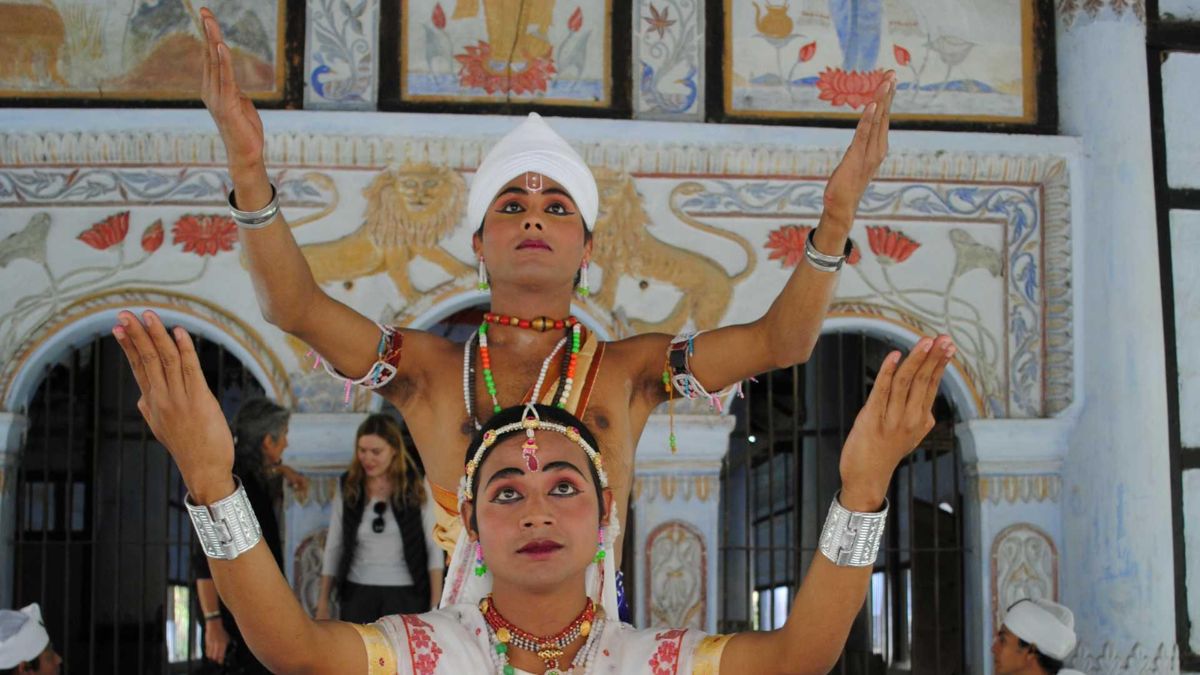
Bhaona was meant to be easy to approach. It carried spiritual teaching through entertainment, and a single performance could turn an ordinary village evening into an experience of devotion, laughter, and reflection.
The namghar suited this purpose well. It was no distant auditorium. People prayed, sang, held meetings, and watched sacred stories come to life there. This explains why the satras matter so much to the history of Indian theatre. They preserved scripts and built a public habit of performance that ordinary people joined.
The same spirit shows in Raas Mahotsav, the festival celebrating Krishna’s life through dance, drama, and music. A day of performance may involve more than a hundred characters. Staging takes place inside the satras and in community halls, open fields, and school grounds, showing how firmly the tradition belongs to the whole island.
Dance Inside the Sanctuary
The monasteries also nurtured Sattriya Nritya, now counted among India’s classical dance traditions. It grew inside the Vaishnavite satras as part of the plays and devotional practice associated with Sankardeva and Madhavdeva. Its vocabulary includes gesture, posture, rhythm, facial expression, music, and rich costume.
For generations, Sattriya remained closely tied to worship. Dancers performed in the satras and namghars, treating the dance as a spiritual offering.
In the twentieth century, artists and satra leaders carried it beyond the monastery walls. Pitambar Deva Goswami, head of Garamur Satra on Majuli, helped present the dance on modern stages. A notable public presentation took place during Raas Purnima in 1922 at the Tarun Ranga Mancha.
Later reformers opened the tradition further to women and to learners outside the monastic setting. In 2000, Sattriya received recognition as a classical dance form of India. A monastery-born art gained a national place, and its roots stayed firmly in the sacred and community spaces of Majuli.
The Masks of Samaguri
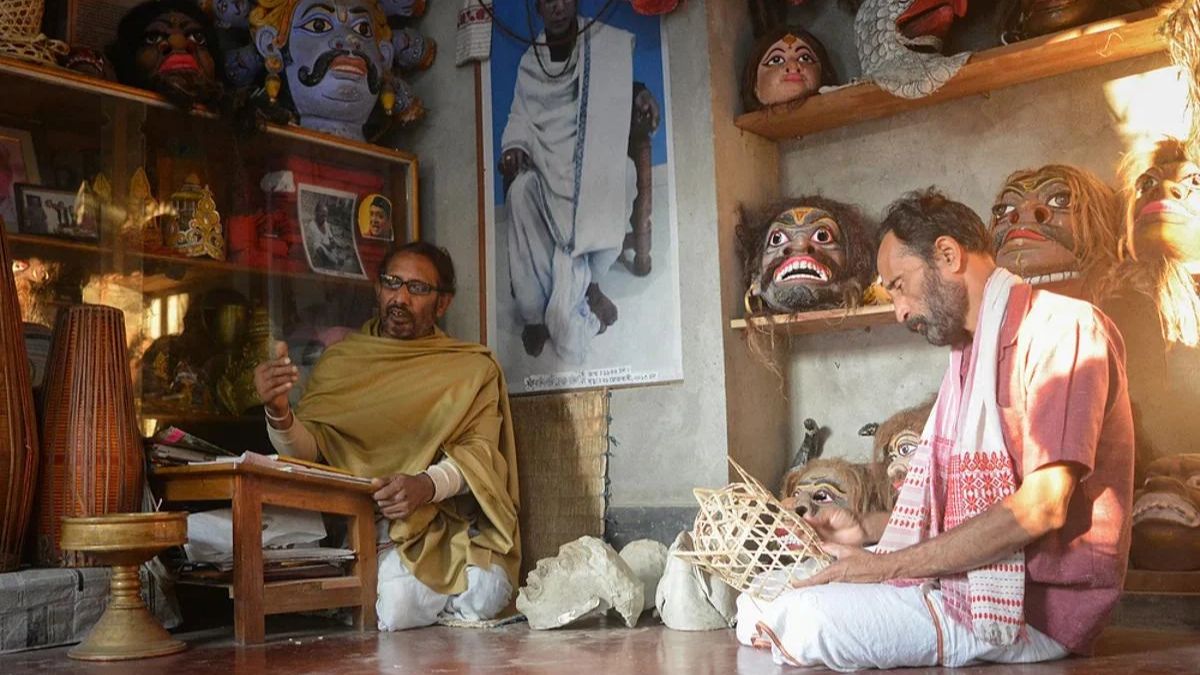
Perhaps no craft shows the island’s creative life more vividly than the mask-making of Samaguri Satra. Chakrapani, a grandson of Srimanta Sankardeva, established it in 1663. Over more than three centuries, successive generations of satriya bhakats have kept the art going.
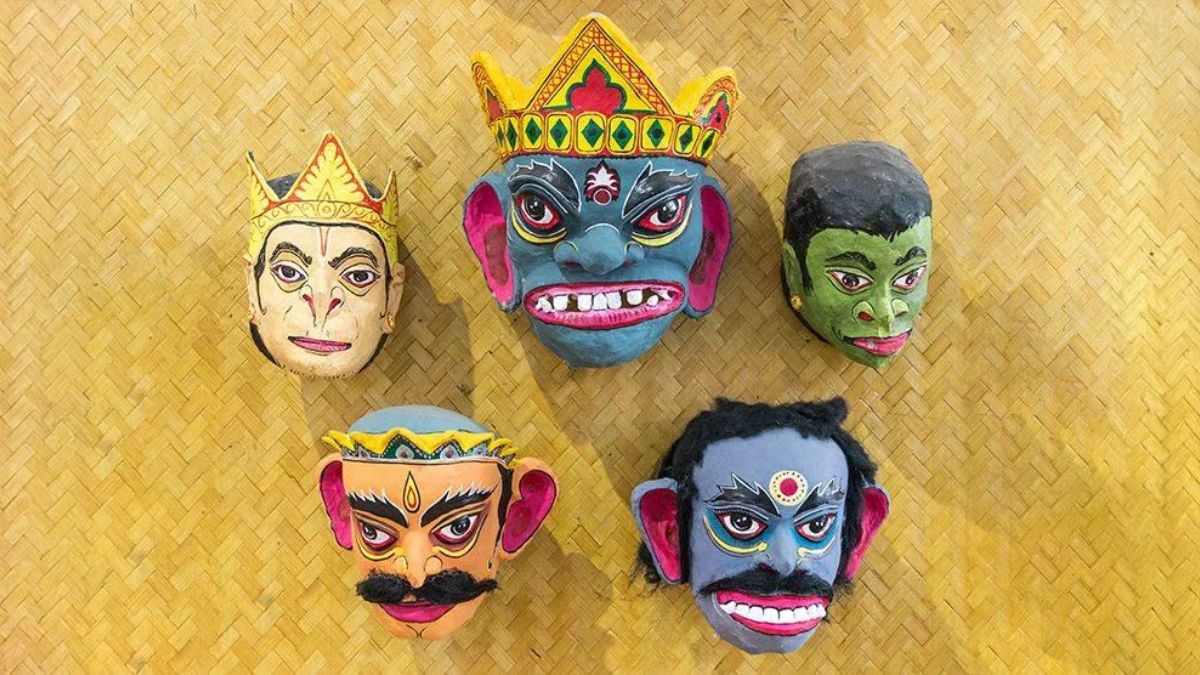
Artisans work with bamboo and clay to shape masks for bhaona performances. Audiences use them to recognise characters from epics such as the Ramayana and the Mahabharata, and mythological figures gain a strong visual presence on stage.
These masks are tools of storytelling, and decoration is the least of their jobs. A demon, a deity, an animal or a hero can show feelings and identities that an actor’s face could hardly manage alone. The mask therefore links craft, religion and theatre in a single object.
Recognition has reached well beyond Assam. The Government of Assam notes that Samaguri masks have represented the state on national platforms, and Incredible India records that examples have been displayed at the British Museum.
Artisans, Manuscripts and Memory
The artistic work of the satras goes further than dance and theatre. Bhakats have long practised woodcarving, painting, manuscript illustration, music, and instrument making. The khanikars, a specialised group of artist monks, produced manuscript illustrations and miniature paintings and decorated satra buildings with woodwork.
Such skills made the satras storehouses of knowledge. Religious philosophy, literature, and artistic technique passed from teacher to pupil through practice, apprenticeship, and the spoken word, when modern institutions were not available.
Samaguri Satra keeps a library of more than 200 ancient manuscripts, among them rare texts such as the Bhagavata Purana. These records of philosophy, literature, and artistic memory have value beyond age.
Other satras guard remarkable collections too. Auniati Satra is known for ancient artefacts, Assamese utensils, jewellery and handicrafts. Bengenaati Satra preserves culturally important objects, including royal robes and a gold umbrella associated with the Ahom king Swargadeo Gadadhar Singha.
Where the Village Gathered
The satras’ social achievements may rival their artistic ones. They were meant to be places where people of different castes and communities could join in worship and learning. Congregational prayer, festivals, performances and shared work created bonds that held village life together.
The namghar was especially useful in this way. It served as a temple and a meeting place where people sang, danced, prayed, and settled local matters. The satra looked after both spiritual life and the practical organisation of the community.
Young disciples often live and train inside the satra. They learn religious practice alongside art, literature, and craft, and become part of a community where teachers and learners of several generations live side by side.
Pressure From the River
The satras of Majuli face serious trouble. Floods, heavy rain, and erosion of the riverbanks have forced families to move and migrate. As a result, the older, closed monastic structures that once supported ritual performance have weakened. Many monks now teach outside the island. This has carried Sattriya and other traditions to new audiences, and it has also changed the older, enclosed way of keeping them.
Even so, the satras endure. They keep teaching, performing, creating, and welcoming devotees despite the dangers of water and the pull of change. Their survival suggests that heritage lasts longest when people can use it, join in it and keep it alive.
What Remains
Majuli’s satras show that culture grows best in the soil of community. They turned monasteries into schools of dance, theatres of sacred storytelling, workshops for mask makers and gathering places for everyone.
Their lesson is a simple one. Devotion can inspire creativity, art can carry wisdom, and a community that learns, performs and celebrates together can keep its identity across centuries. In the songs of the namghar, the movement of Sattriya dancers, the painted gaze of a Samaguri mask and the shared excitement of Raas Mahotsav, the satras continue to show how faith can grow into culture, and how culture can hold a people together.
Also Read: The Secret System That Kept India’s Festivals From Drifting Through the Seasons
You can connect with DNN24 on Facebook, Twitter, and Instagram and subscribe to our YouTube channel.