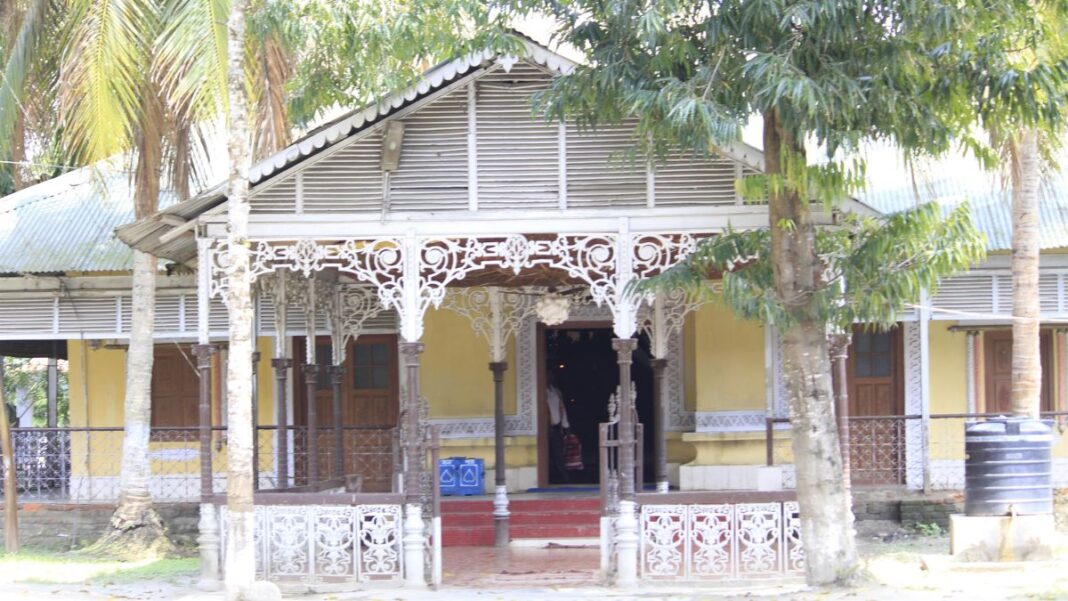


Lucknow tastes like nowhere else, and the reason begins with a famine and a pot sealed shut with dough. Ask anyone in the city about its food, and they will mention kebabs that dissolve on the tongue, rice that carries the scent of saffron, and breads that arrive in thin, buttery layers. Behind those dishes sits a long story of meetings between peoples, courts, faiths and regions. On 31 October 2025, UNESCO named Lucknow a Creative City of Gastronomy, giving that story an international audience.
A Crossroads With Good Soil
Lucknow grew up in the middle of Awadh, a fertile part of the northern plain. The land gave rice, wheat, lentils, vegetables, milk, spices and meat in good supply. Such produce and such a position drew traders, migrants, soldiers, scholars, and cooks, all moving along the roads of northern India and from lands beyond it. Each arrived with habits at the table, and each left something behind.
The Nawabs Hire the Best Cooks
The great change came in the eighteenth century, when the Nawabs of Awadh set up their court and made Lucknow a major centre of politics and culture. A court of that size needed skilled kitchen staff, and it attracted them. Bawarchis, khansamas and rakabdars came to the city, and many brought with them the cooking knowledge of the Mughal and Persian worlds.
These cooks did not copy Mughal dishes line by line. They worked with Awadhi ingredients, bent the recipes to local taste, and fitted them to a court that prized restraint, elegance and generous hospitality. The food kept its Persian and Mughal roots, yet it grew a character of its own. People still describe it by its delicacy, aroma, texture, and the care taken in its presentation.
A Kitchen That Worked Like a Laboratory
The royal kitchens, called bawarchi khanas, were places of constant trial and correction. Chefs refined slow cooking, layered flavours, marinated meat, prepared rice, baked breads, and made desserts. Their goal was richness that never shouted.
Food in this court had a social purpose. The Nawabs valued tehzeeb, a word that covers refinement, courtesy and cultivated manners, and a meal showed a host’s standing and grace. Dishes were expected to smell wonderful, look attractive and stay gentle on the palate. Fierce heat was a fault.
Ideas travelled in more than one direction. Persian cooking arrived through Mughal tradition. Awadhi produce and Awadhi preferences shaped what finally reached the plate. Later, Parsi, Anglo Indian, Christian, and Eurasian households added their own flavours to the city’s stock of dishes.
The Pot That Came From Hunger
Lucknow’s most famous contribution to Indian cooking is dum pukht. The method calls for cooking food slowly in a sealed pot over low heat. Cooks usually close the lid with dough, which traps the steam and lets rice, meat, vegetables and spices cook in their own moisture.
Tradition ties the technique to Nawab Asaf-ud-Daulah, who ruled in the late eighteenth century. A famine struck his territory, and he started a programme that gave food to labourers in return for their work. Large cauldrons were filled with rice, meat, vegetables, and spices, then sealed and left to cook slowly so many people could be fed at once. The smell that rose from the opened pots impressed the Nawab. Elite kitchens adopted the method and refined it.
A response to hardship thus grew into a craft. Dum cooking gave the city its biryanis, pulaos and kormas, dishes in which the flavours deepen over time, and heat is kept gentle. Few examples show so clearly how Lucknow could take a need and turn it into something fine.
What Arrives on the Plate
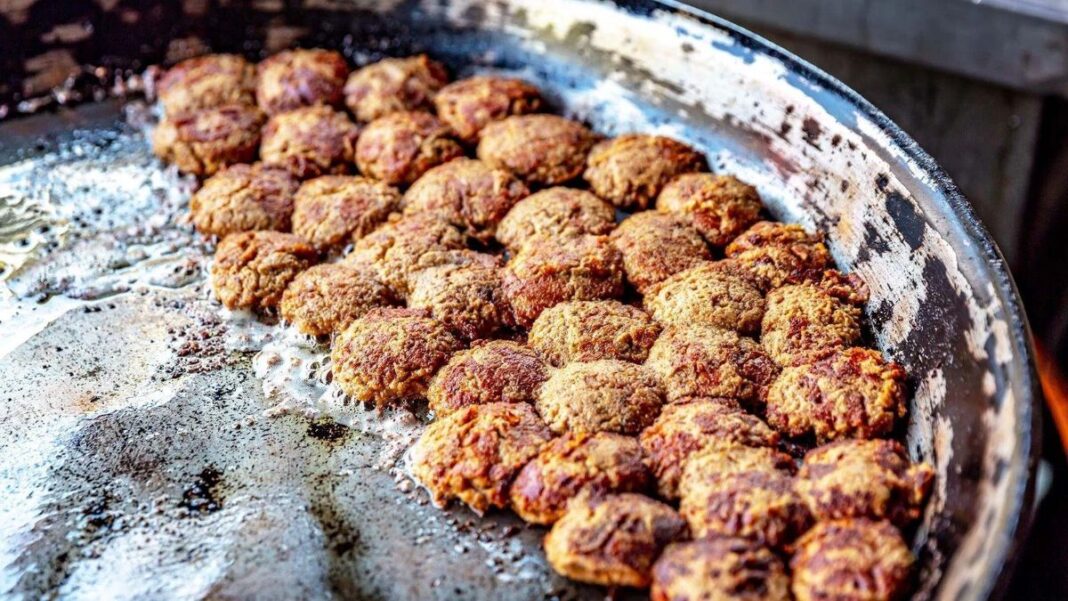
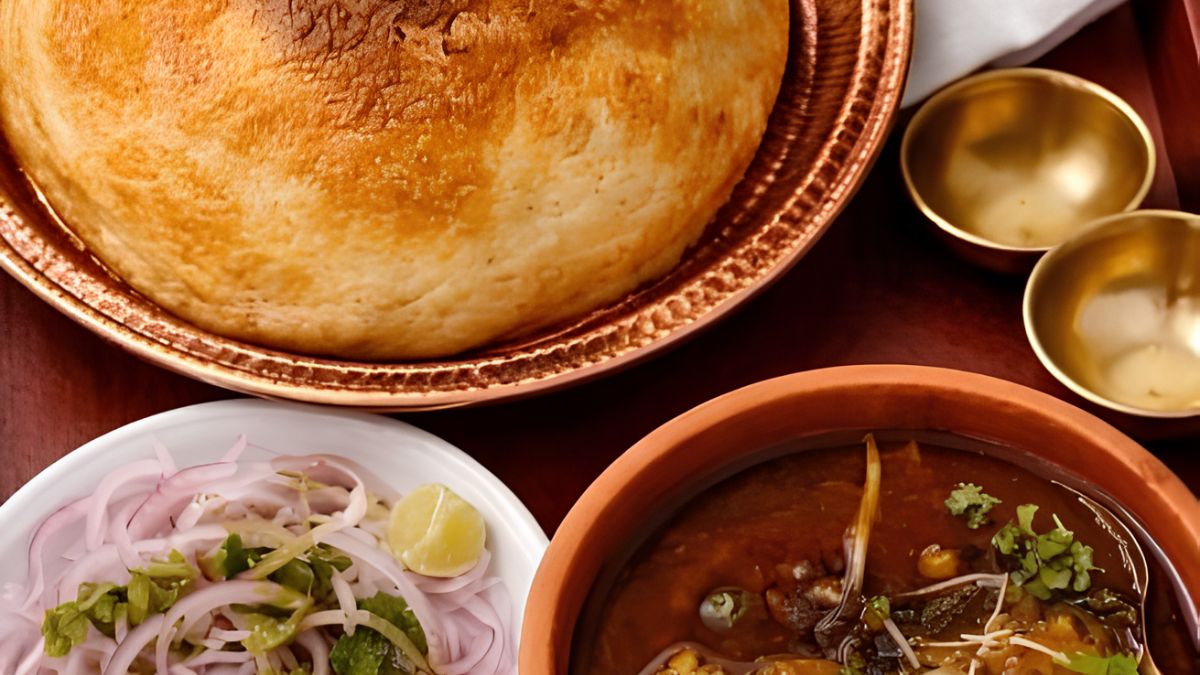
Lucknow’s famous dishes carry its history on their surface. Galouti kebabs are known for an almost startling softness, reflecting the court’s long search for tenderness. Tunday kebabs, seekh kebabs, kormas, nihari with kulcha, and Awadhi biryani all show a blend of Persian, Mughal, and local methods.
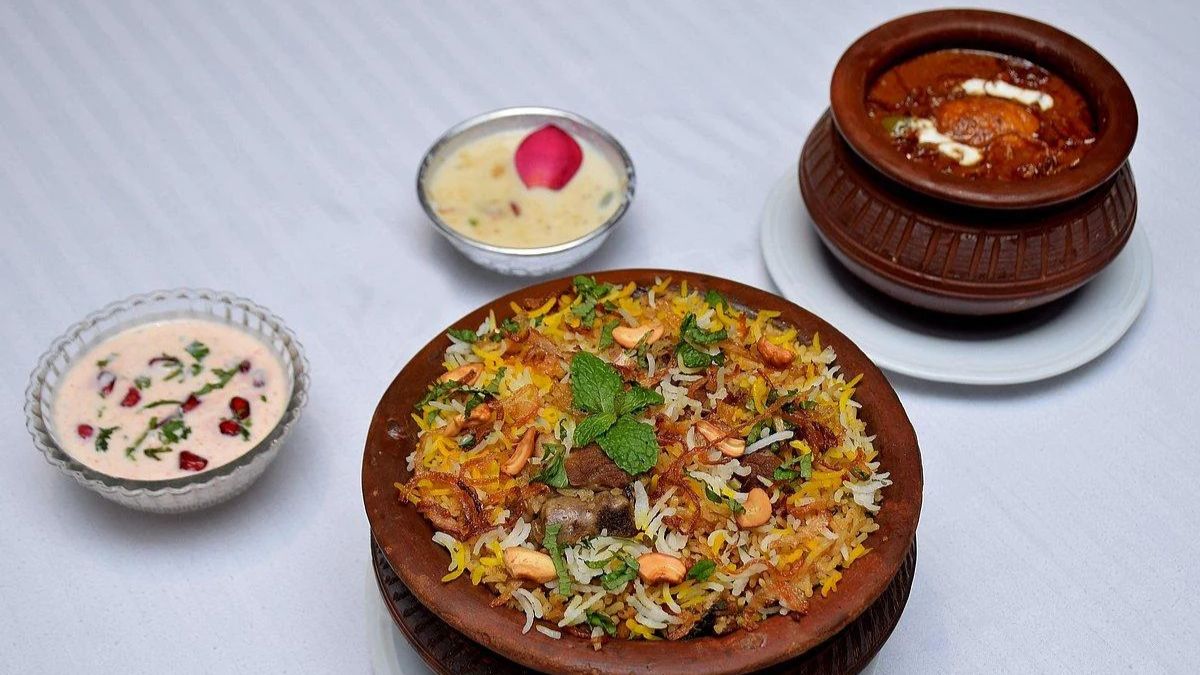
The rice dishes display the city’s technical skill. Cooks for Awadhi pulao and biryani partly cook the rice in a flavoured stock called yakhni. They then place it in a vessel with meat, milk infused with saffron, and spices, and seal it for slow cooking.
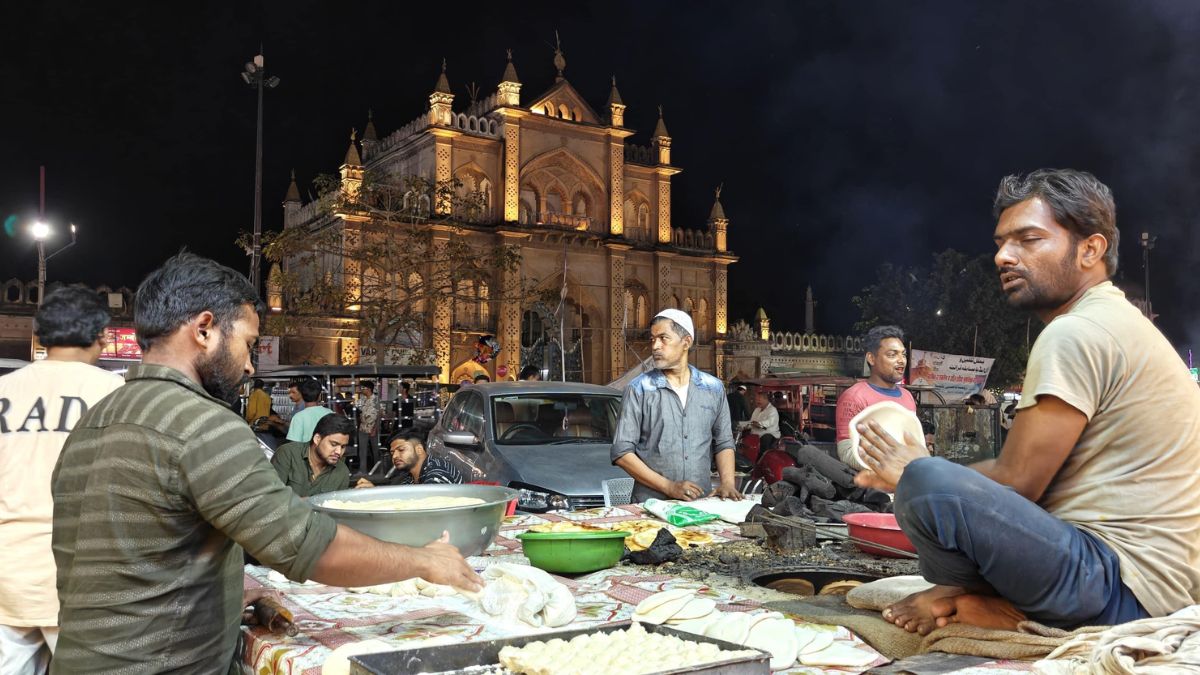
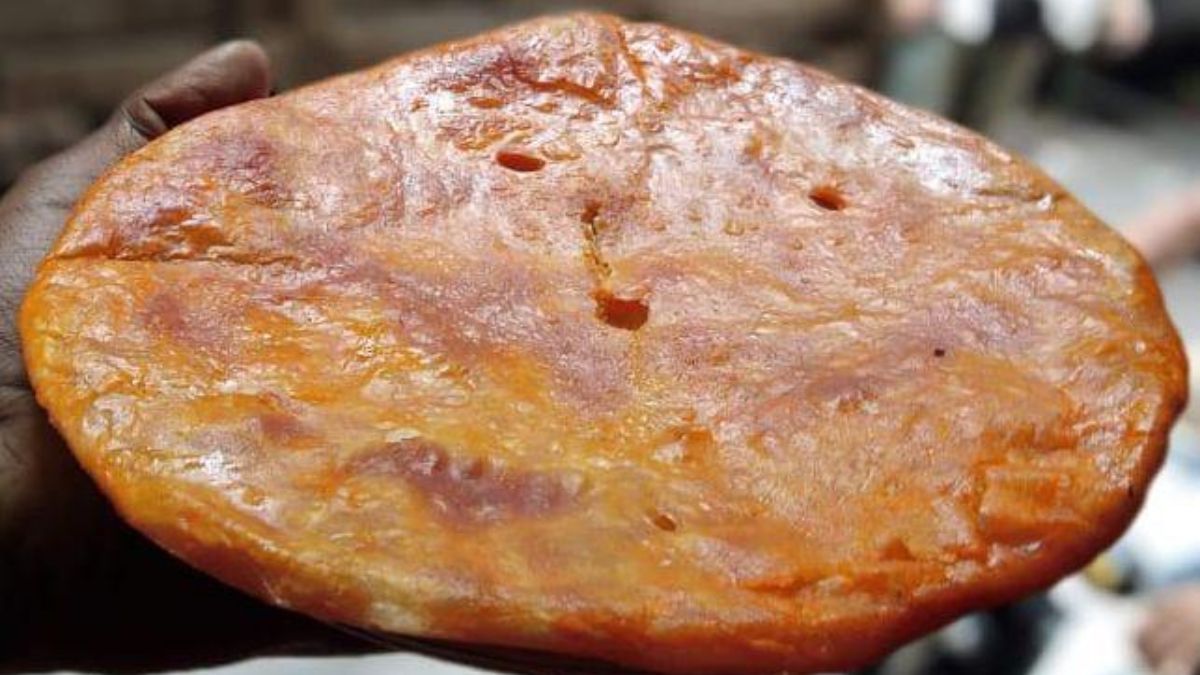
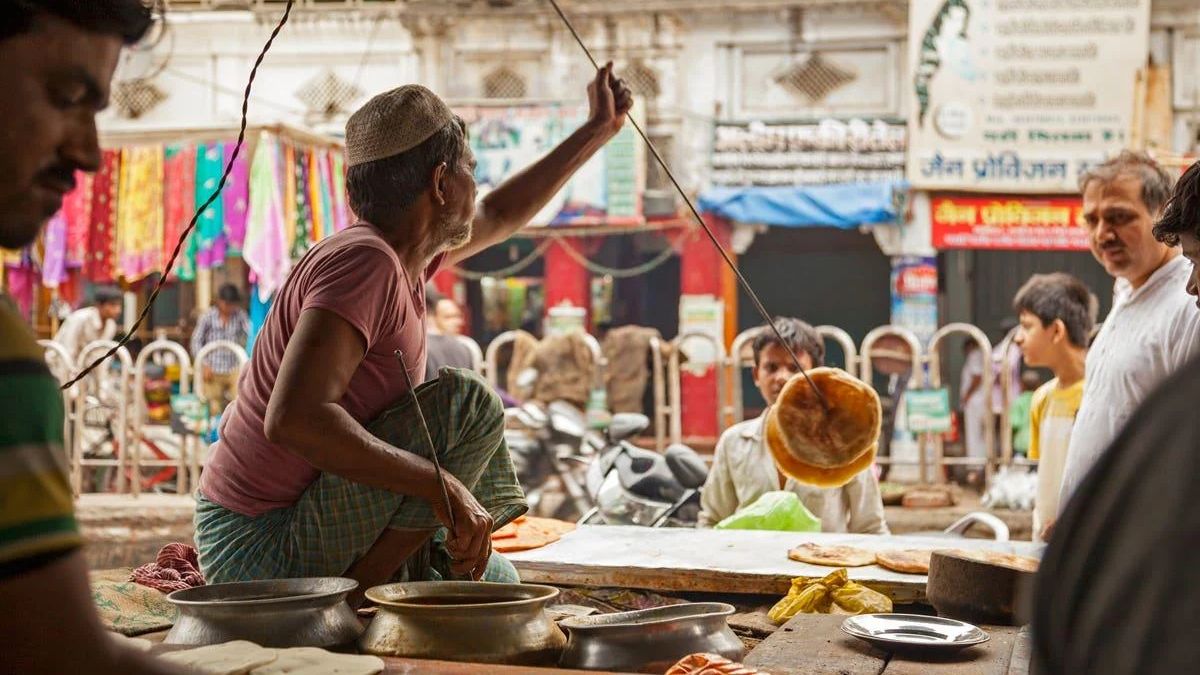
The breads tell the same story. Sheermal is a lightly sweet, saffron-scented bread made with leaven. Warqi paratha is flaky and layered. Both became central to a Lucknowi meal, along with roomali roti and kulcha. Add korma, kaliya, nahari, zarda, and phirni, and the table shows how imported ideas settled into the city and became local, not just borrowed and kept at a distance.
The Vegetarian Side of the Table
Many people picture Awadhi food as kebabs and biryani and stop there. The picture leaves out a good half of the city’s habits. Lucknow has strong vegetarian traditions, linked to Kayastha, Khatri, and Baniya households, and shaped by Jain and Buddhist influence from the wider history of Awadh.
Court techniques travelled into these kitchens. Dum cooking and dungar smoking were applied to vegetables, lentils, paneer and grain dishes. The fact tells us that no single community or ingredient ever defined the cuisine. Many traditions helped build it.
A lesson sits inside that fact. Exchange does not wipe out difference. When cooks handle it with skill and respect, it can produce something new that still remembers where each part came from.
From Palace Gates to Street Corners
Lucknow’s food did not stay behind palace walls. As political power shifted and the Nawabi court declined, its dishes and methods moved into homes, markets, small eateries and street carts. Cooking once reserved for royalty became part of ordinary city life.
Heritage restaurants, family kitchens, street vendors, and women who cook at home as a trade carry on the tradition today. A survey made to support Lucknow’s UNESCO nomination counted about 1,500 restaurants and more than 600 other businesses connected with food. Those numbers show how deeply the subject runs through the city’s economy and daily routine.
Such continuity matters because a cuisine lives through people. Cooks teach apprentices. Families keep their customs. Vendors adjust dishes for new customers. Entrepreneurs carry Lucknowi flavours into modern markets. Recipes alone would not keep any of this alive.
The World Takes Notice
UNESCO announced its list on World Cities Day 2025. Lucknow was one of 58 new members of the Creative Cities Network, and its place in the gastronomy category recognised a heritage that is still being practised.
The honour does not reward a short list of famous dishes. UNESCO highlights the city’s efforts to preserve and pass on Awadhi culinary knowledge through education, workshops, and festivals. It also notes the promotion of sustainable farming and local ingredients, and support for new ideas and new food businesses.
The recognition therefore looks as much ahead as it does back. Lucknow now has a duty to protect the knowledge of its traditional cooks while letting the cuisine change with care for younger generations.
What the Kitchens Teach
Lucknow’s kitchens leave behind a plain lesson. When curiosity, craft and mutual respect guide cultural exchange, the results can be beautiful. Persian refinement, Mughal technique, Awadhi produce, religious variety and everyday ingenuity never stayed apart. Over generations, they were mixed, tested and improved.
A plate of Lucknawi biryani, a kebab that melts on the tongue, or a piece of sheermal carries a story as well as a taste. It speaks of a city that welcomed influences from many worlds and made each of them its own. The most distinctive traditions are seldom the ones that grew in isolation. They tend to come from places where cultures meet, listen to each other and cook together.
Also Read: The Secret System That Kept India’s Festivals From Drifting Through the Seasons
You can connect with DNN24 on Facebook, Twitter, and Instagram and subscribe to our YouTube channel.