
Punjab’s cuisine, simple yet rich, is a reflection of its history, culture, and agricultural heritage that dates back to the Harappan civilization. Situated in the fertile plains of the Indus, one of Punjab’s five iconic rivers, the Indus Valley Civilization (IVC) thrived, leaving an indelible mark on the region’s culinary legacy.
A Glimpse into the Indus Valley Diet
The Indus Valley Civilization was an urban society engaged in trade and agriculture. They cultivated a variety of crops, such as wheat, barley, millets, chickpeas, and lentils. Their diet featured buffalo milk, meat, fish, and spices like turmeric and ginger.
Punjab: The Heartland of Agriculture
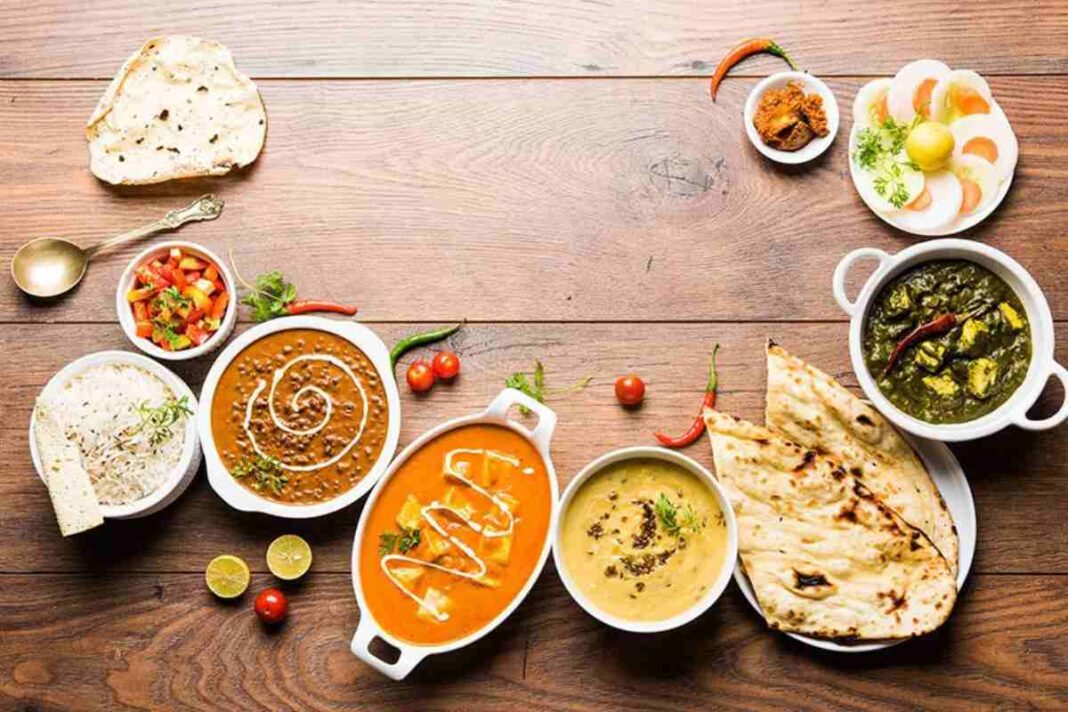
Even today, Punjab remains the agricultural heartland of India. Its deep-rooted fondness for dairy products is legendary, as is its love for grains and seasonal vegetables. One of the most iconic winter food pairings in the state is “saron da saag and makki di roti,” served with generous dollops of freshly churned butter.
Culinary Heritage Shaped by History
Throughout history, Punjab has witnessed the passage of numerous invaders through the Khyber Pass since the tenth century. These invasions left an enduring impact on the region’s culinary traditions.
Traditional Punjabi Cuisine: Freshness and Simplicity
Traditional Punjabi food is characterized by its freshness, purity, and straightforward preparation methods. While there may be some variation in cooking techniques and seasonings, certain staples remain consistent. Wheat, millet, barley, and maize continue to be the primary grains.
Rice in Punjab’s Diet
Rice, while not a staple, has found its place in Punjab’s culinary repertoire. It is typically enjoyed as boiled rice or in the form of pulao. It pairs harmoniously with dishes like kadhi, rajma, aloo-wadi, or curried chickpeas, forming some of Punjab’s most beloved food combinations.
In essence, Punjab’s cuisine is a blend of history, culture, and agriculture, where flavors and traditions have withstood the test of time, making it a delightful tapestry of tastes and textures.
For a detailed story, please visit: Awaz the voice
Also Read: India’s Global Leadership: G-20 and Development
You can connect with DNN24 on Facebook, Twitter, and Instagram and subscribe to our YouTube channel.