


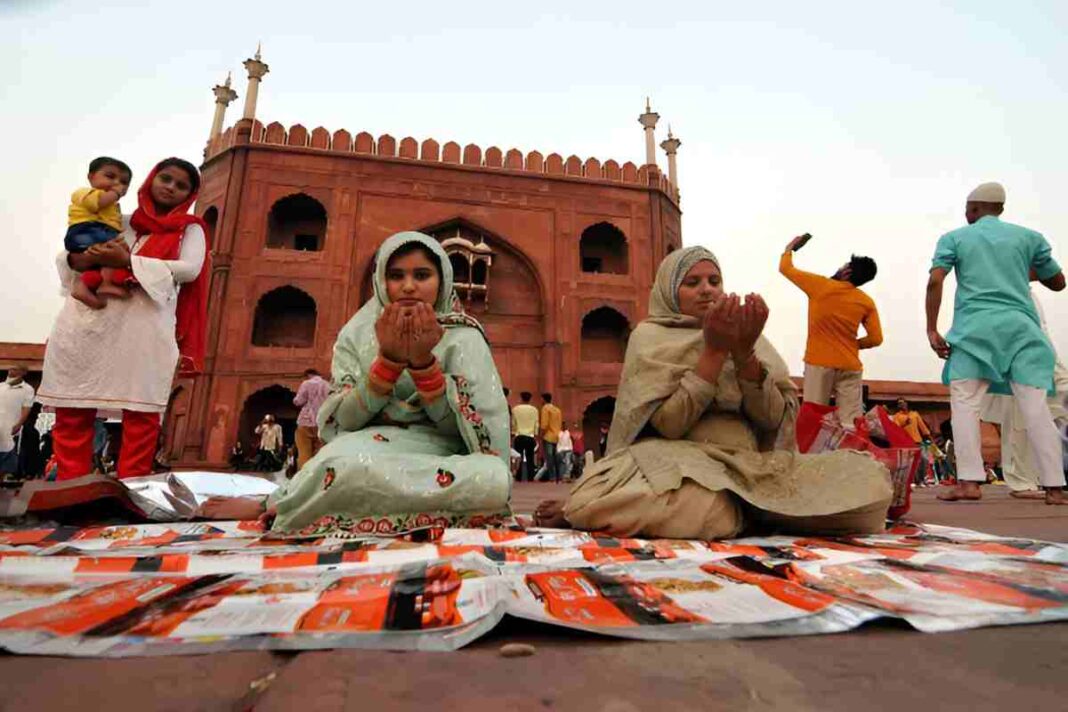

In Islam, the fundamental tenet of faith equally applies to Role of women and men. While men and women share the same spiritual status, their roles are distinctly defined within separate spheres of activity. Women are entrusted with the vital task of nurturing future generations, while men are responsible for providing for and safeguarding their families.
Similarly, distinctions exist between scholars and political leaders within the male community, each with distinct roles. The Quranic verse, “It is not right that all believers should go out [in times of war] altogether…” (Quran 9:122), underscores the significance of seeking more profound knowledge and sharing wisdom with others.
Derived from “alim,” which means “knowing,” the term “ulema” encompasses individuals with profound Islamic comprehension combined with integrity and earnestness (Juhari, 2018, Vol. 1, No. 2: 25). This concept extends beyond gender boundaries. Women possess the capacity and opportunity to emerge as ulema, challenging the misconception that such a role is reserved solely for men.
Islamic civilization is marked by women who assume decision-making, interpretation, and implementation of religious principles. Figures like Hazrat Khadijah and Fatima wielded considerable influence, aligning their perspectives with their male counterparts and actively contributing to early Islamic development (Zahara, 2019, Vol. 6, No. 2: 101). Islam’s emphasis on justice remains constant across both genders, rejecting any distinction in rights or duties based on anatomy.
Muslim women are pivotal in nurturing knowledge, enhancing societal standards, and shaping civilization. Educated Muslim ulema can empower marginalized sections, helping women overcome educational barriers and combat gender bias. Guided by female scholars, women can effectively advocate for their rights, fostering equitable societies. This inclusive approach broadens perspectives and enriches communal development.
In essence, Islam upholds gender parity in rights and responsibilities. Women, too, possess the potential to become erudite scholars and influential voices, contributing significantly to the betterment of their communities. Empowering women in Islamic scholarship and society fosters equitable, informed civilizations united by shared goals of progress and justice.
For a detailed story, please visit: Awaz the voice
Also Read: Chandni Begum: The Courtesan Poetess
You can connect with DNN24 on Facebook, Twitter, and Instagram and subscribe to our YouTube channel.