

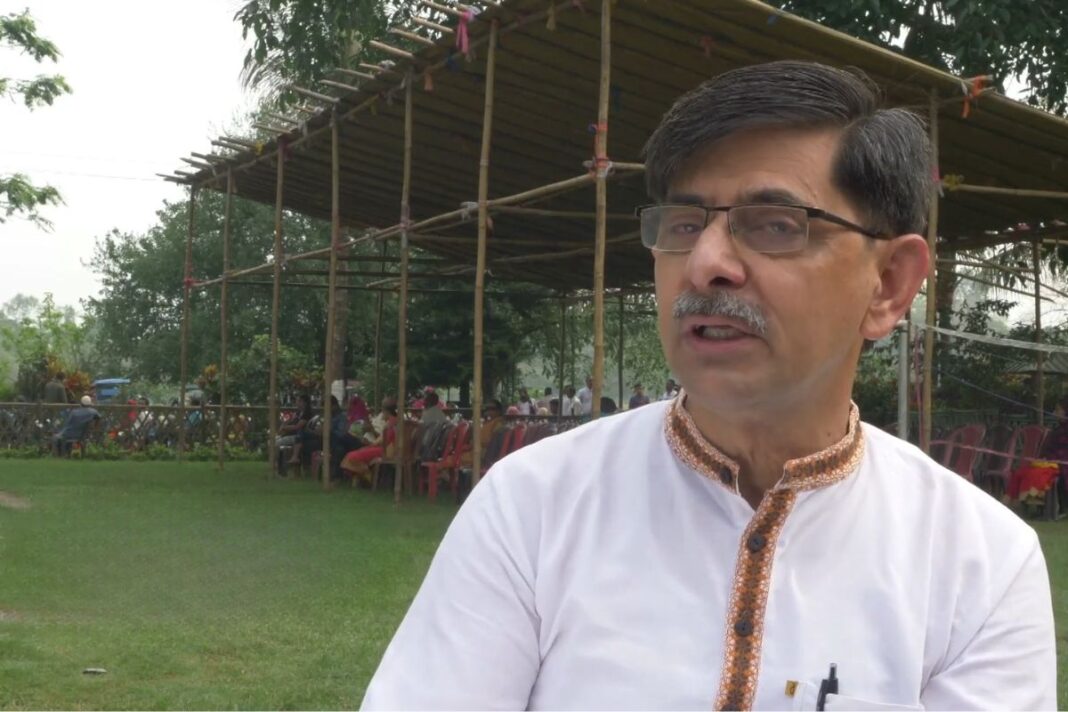

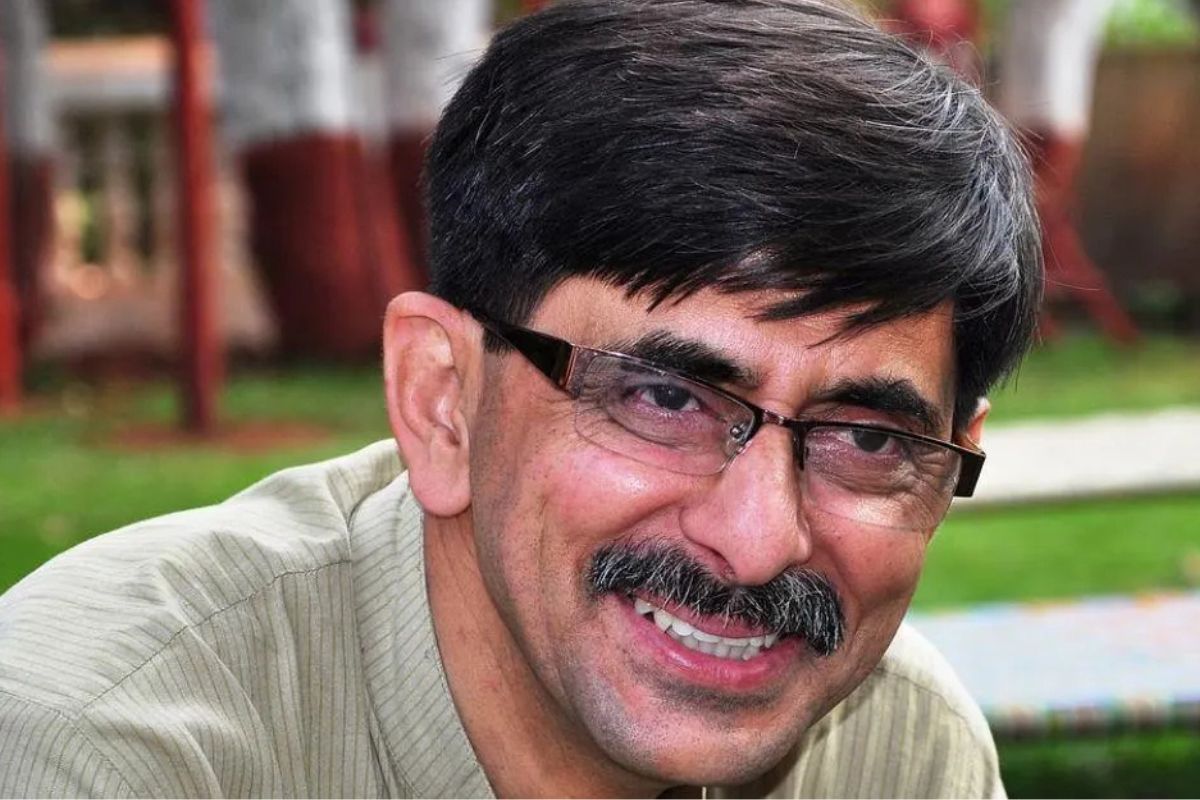
Dr. Sunil Kaul had a career that most physicians would have been content to retire on. Years in the Indian Army, the discipline of military medicine, the structure and certainty of institutional life. He walked away from all of it to plant himself in a village in Assam, in the Northeast corner of India, where the roads turn to mud in the monsoon, and the nearest specialist is often a day’s journey away.
He did not go alone. Jennifer Liang, his partner, came with him. Together, in 2000, they founded The Action Northeast Trust, known as The Ant. What grew from that foundation, slowly and without fanfare, was something the region had never quite seen: a functioning, affordable, community-rooted programme for treating mental illness in places where mental illness had been hidden away for generations.
They called it the Mental Illness Treatment Alliance. MITA.
What the Northeast Was Going Without
Rural Assam and the wider northeastern states are not short of hardship. Terrain that defeats infrastructure; populations spread thin across hills and river valleys; health systems stretched to serve basic physical ailments, with little margin for anything else. Mental illness, in this context, was rarely treated and frequently concealed.
The stigma around conditions such as schizophrenia ran deep. Families kept ill relatives indoors, away from community life. The behavioural disruptions that accompany untreated psychosis were managed by isolation, or not managed at all. Specialist psychiatrists existed only in cities that most rural families could not easily reach, and even if they could, the cost of treatment and medication was beyond the means of most households for months or years. MITA was designed around this reality, not against it.
Camps, Counsellors, and the Monthly Visit
The backbone of the programme is the outreach camp: a regular, predictable visit to a remote community where a team of medical staff, psychiatrists, and counsellors sets up for a day. Patients are diagnosed. Medicines are prescribed, drawn from a focused list of essential psychotropic drugs kept affordable by avoiding expensive alternatives where cheaper ones work as well. Families are counselled. Follow-up is arranged, not as a suggestion but as part of the structure.
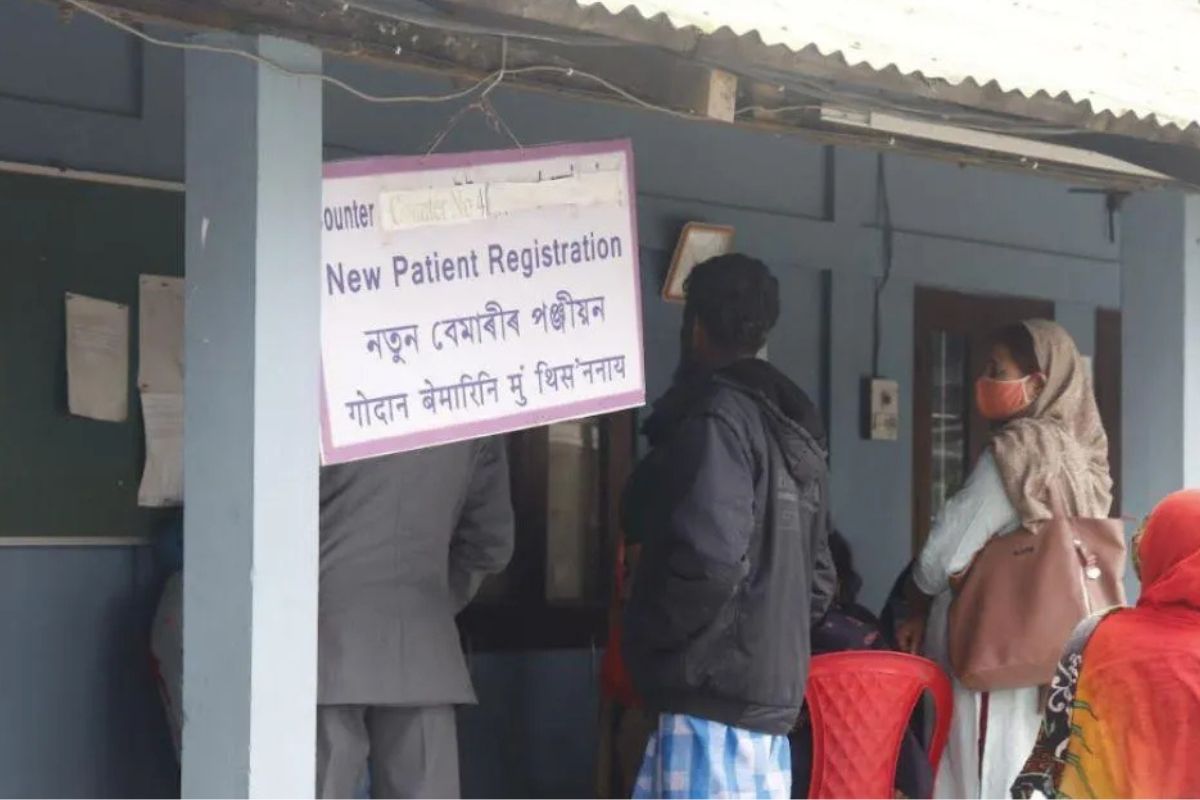
Between camps, the work continues through what MITA describes as task-sharing. Village-level caregivers, trained health workers, and partner NGOs carry out the routine monitoring that keeps patients on their medications, catches early signs of relapse, and maintains the thread of contact that chronic conditions require. The psychiatrist does not need to be present for every step. This is, by design, a model that does not collapse when specialists are scarce.
It is also how a monthly camp becomes something more than a camp. Consistent presence, over time, builds trust. Families who were once reluctant to admit that anyone in the house was unwell begin to bring their relatives. The camp is no longer a stranger; it is a known quantity, and that changes everything.
The Story of Gobind and Geetanjali
Ten years ago, Gobind Rai’s life had become unmanageable. He had been diagnosed with schizophrenia, a condition that, without medication and support, had fractured his daily existence. Sleep was disrupted. Meals were disrupted. His memory failed him at odd moments. There were episodes of violence that he could not fully account for afterward. His wife, Geetanjali, lived inside this disorder alongside him, carrying a weight that extended well beyond the domestic. She was his caregiver, his interpreter to the outside world, and the person left to manage the consequences when the illness was at its worst.
When the family connected with MITA’s outreach, things changed. Not overnight, and not without effort. Gobind received regular medication. He received psychosocial support, practical and steady, aimed at rebuilding the ordinary structures of daily life. Symptoms reduced. Functioning returned. Geetanjali found her own support in the counselling MITA arranged, an acknowledgement that caregiving itself is a form of labour that deserves attention.
Their story is one among thousands. It is also an illustration of what the programme insists upon: that mental illness in a household is not one person’s problem. It spreads through the family, and recovery must reach in the same direction.
Numbers and What They Represent
Through The Ant’s partner networks and its own outreach operations, MITA has reached tens of thousands of people across Assam and into neighbouring states. These are not people who sought out the programme from an informed position. Many of them had no framework for understanding what was happening to their family members. Many had been living with untreated illness for years before a camp arrived within reach.
The numbers, however, are less important than what they represent: a broken circuit being repaired. The woman who had not left her house in two years is now attending a weekly gathering in her village. The man whose family had stopped speaking of him to their neighbours is recognised again as a member of the community. These are not dramatic recoveries. They are ordinary lives, slowly made more ordinary.
The Obstacles That Remain
None of this has been frictionless. The terrain across which MITA operates defeats consistency in ways that no amount of planning can entirely prevent. Medicine supply chains stall. Populations spread across multilingual communities require outreach staff who can shift between languages without losing the clinical thread. Staff turnover disrupts the relationships on which the programme depends. Funding remains unpredictable, making long-term planning difficult.
Dr. Kaul and Liang have spent decades learning these problems from the inside. Their answer has been to work with what exists rather than waiting for what does not. Local stocks of medicines held at the village level reduce dependence on supply chains that fail. Partnerships with established NGOs extend the programme’s reach without requiring it to build everything from scratch. The long-term presence of the same staff in the same communities is not incidental. It is operational strategy.
Why This Model Travels
What MITA has assembled is not complicated, and that is a large part of its value. Monthly outreach. Essential medicines at affordable prices. Trained community caregivers who know the households they serve. Counselling for patients and families alike. Follow-up that does not require the patient to travel.
Each of these components exists elsewhere, in some form, in other health systems. What MITA has done is combine them within a structure that is responsive to the specific conditions of the rural Northeast: the distances, the limited literacy, the absence of specialist infrastructure, the cultural weight attached to mental illness. The combination works because it was built for the place, not imported ready-made.
Other underserved regions, within India and beyond it, present similar problems. Scarce psychiatrists. Long distances to care. Deep social stigma. Families managing alone. The model MITA has developed over the past 25 years is not a blueprint in a narrow technical sense. It is proof of a direction.
What Comes Next
The most practical contribution MITA could make to the wider health system is documentation: systematic evidence of what the alliance approach achieves, over time, across a population. That evidence would strengthen the case for integrating community-based mental health programmes into district health systems, which currently treat mental illness as a specialised concern to be handled elsewhere.
Government engagement, sustained funding, and research into long-term patient outcomes are not glamorous requirements. They are the conditions under which a programme that has worked for twenty-five years in difficult terrain becomes a policy that works for many more people in many more places.
Dr. Kaul gave up a great deal to walk into a village in Assam. What he and Liang built there is an argument, made in practice rather than in paper, that mental healthcare belongs wherever people are.
Also Read: Tamil Nadu Engineer Burns Portraits With Sunlight Only
You can connect with DNN24 on Facebook, Twitter, and Instagram and subscribe to our YouTube channel.