
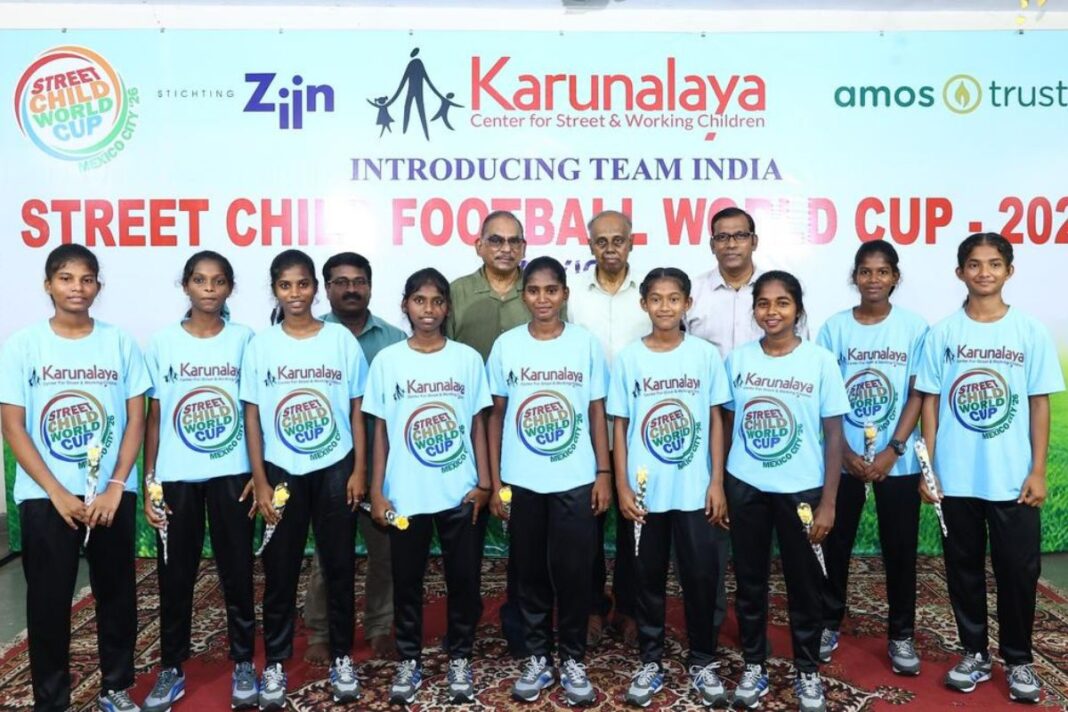

Eight girls from a Chennai shelter for homeless children walked onto a pitch in Mexico. They played their way to the semifinals of the Street Child World Cup, the deepest any Indian girls’ team has gone in the tournament’s history.
From the Shelter to the Stadium
The Karunalaya organisation in Chennai has spent years working with children who live on the streets or in difficult circumstances, providing them not only with a roof but also schooling, healthcare, counselling, and the kind of steady, patient support that eventually makes other things possible. Football is one of those other things. The eight girls who travelled to Mexico City and Texcoco in May 2026 as India’s representatives were from Karunalaya’s shelter, and what they achieved there went well beyond what their backgrounds might have suggested was within reach.
The fifth Street Child World Cup, organised by Street Child United, brought together 28 teams from more than 20 countries. These were not recreational fixtures. The tournament is a serious international event held in the lead-up to FIFA World Cups and designed to combine competition with advocacy, giving street-connected young people a stage on which to be seen, heard, and taken seriously. Getting there at all is an accomplishment. Getting to the last four is something else.
A Run That Made History
India’s girls beat Wales and Palestine to advance to the semifinals, where they met Brazil and lost. That defeat ended their run, but it also placed them among the four strongest street-child football nations at this edition of the competition. No Indian girls’ team has gone further at this tournament.
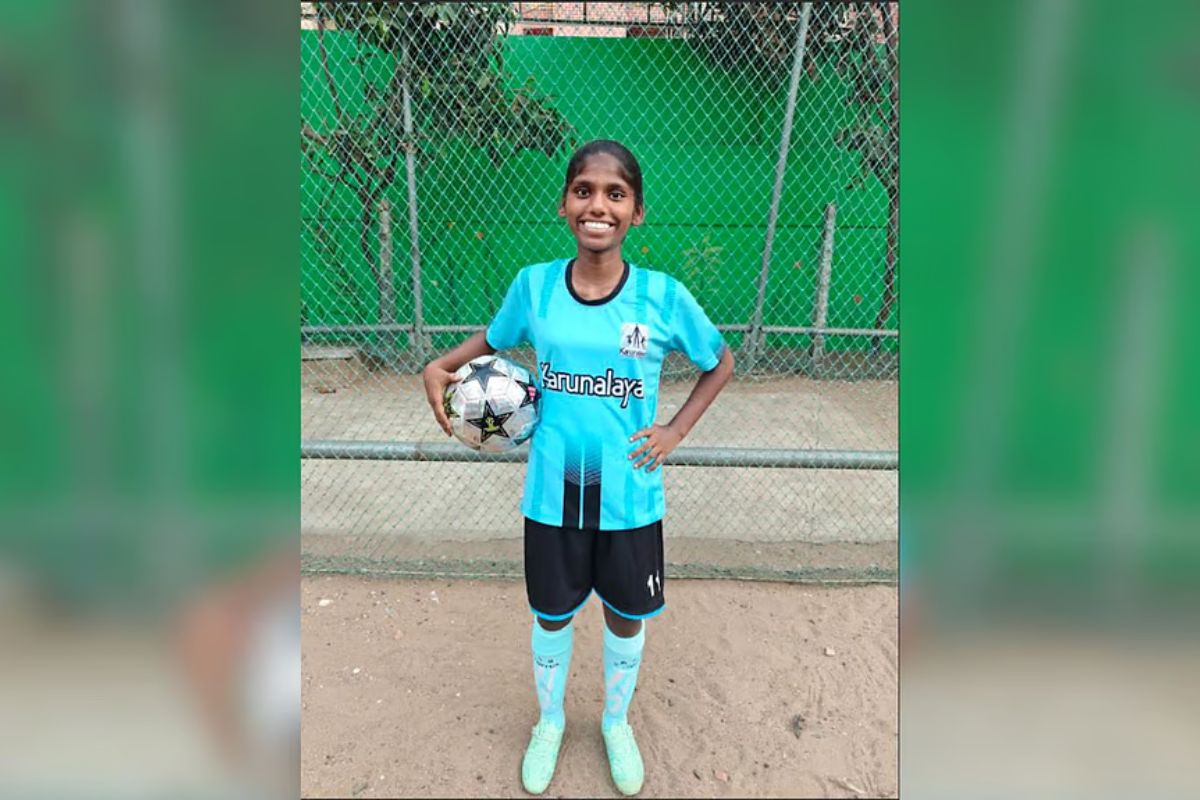
The captain of the side, seventeen-year-old Pavithra Vellaiyangiri, spoke during coverage of the event about the value of meeting players from other countries and sharing in an experience that extended beyond the final whistle. That is exactly the spirit Street Child United has built the competition around. The goal is not only to find out which team wins; it is to give children who are usually pushed to the margins of public life a reason to stand at the centre of something, and the tools to keep standing there when they return home.
What the Tournament Is Built For
Street Child United frames the World Cup as a movement, not merely a competition. Alongside the football, participating teams take part in a General Assembly where young players speak openly about discrimination, neglect, education, gender inequality, and the conditions in which they live. They leave with more than a scoreline. They leave with a stronger sense of what they are entitled to and what they want changed in their communities.
Local partner organisations, including Karunalaya, are expected to continue working with each young person after the tournament ends. The idea is that the World Cup is not a one-off trip but part of a longer arc of support. Previous participants have described the experience as giving them confidence, visibility, and a sense that they matter, not as a sentiment but as a practical shift in how they carry themselves.
What Karunalaya Made Possible
The shelter’s contribution to this team goes beyond coaching. Karunalaya’s model covers food, clothing, healthcare, formal and informal education, family tracing and counselling. It has helped children obtain identity documents, organise street-dwelling families, form self-help groups, and reduce school dropout rates. These are the foundations that make everything else imaginable, including football and including Mexico.
The girls who represented India grew up in an environment that treated dignity and participation as the starting point rather than a reward for good behaviour. Karunalaya’s patrol system within its shelters encourages children to take on responsibility and develop as young leaders. By the time these eight girls were wearing India’s colours on an international pitch, years of that quiet, consistent work stood behind them.
A Chennai Story With Wider Meaning
Chennai has a deep sporting culture and, like every large city, persistent inequalities that shape what children can access and what they believe they deserve. The Karunalaya girls came from a shelter and played like a team that had no doubt it belonged. That is not a small thing. It is a direct challenge to the assumption that where a child begins determines where she can go.
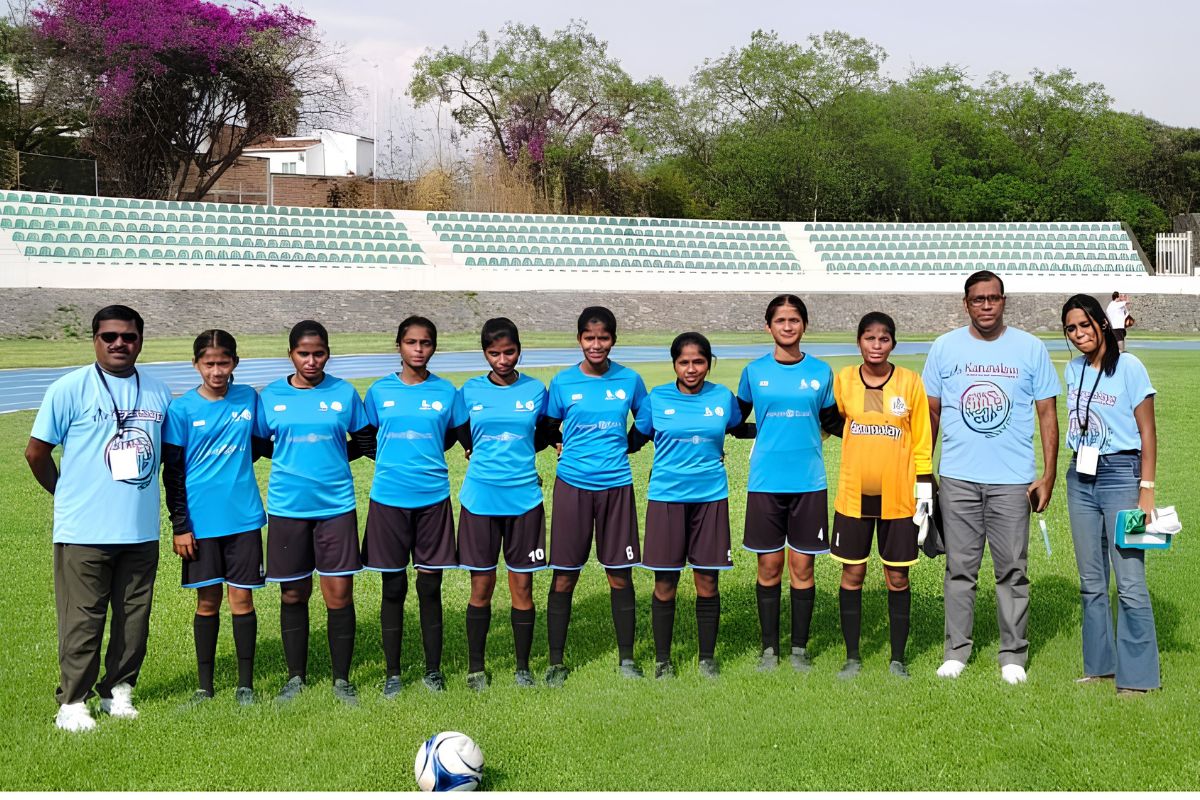
Their semifinal run is now part of Indian sporting history, though it is unlikely to receive the same attention as more prominent tournaments. It should. The achievement belongs to three separate but connected stories: the growth of girls’ football in India, the rights of children living in difficult circumstances, and the evidence that social investment in neglected children produces results that extend far beyond the original investment.
The Lesson That Stays
India has not often produced sporting narratives that combine genuine competitive success with clear social meaning. This is one. Eight girls from a Chennai shelter went to Mexico, won matches, reached the last four in the world, and came home. Behind them were coaches, social workers, educators, and an organisation that believed, year after year, that these children were worth the effort.
When society treats vulnerable children with support rather than suspicion, the results can be remarkable. These girls did not just play a tournament in Mexico. They expanded the country’s understanding of who gets to wear India’s colours and what those colours can represent.
Also Read: How Bugun Tribe Protected Wildlife and Transformed Local Livelihoods
You can connect with DNN24 on Facebook, Twitter, and Instagram and subscribe to our YouTube channel.