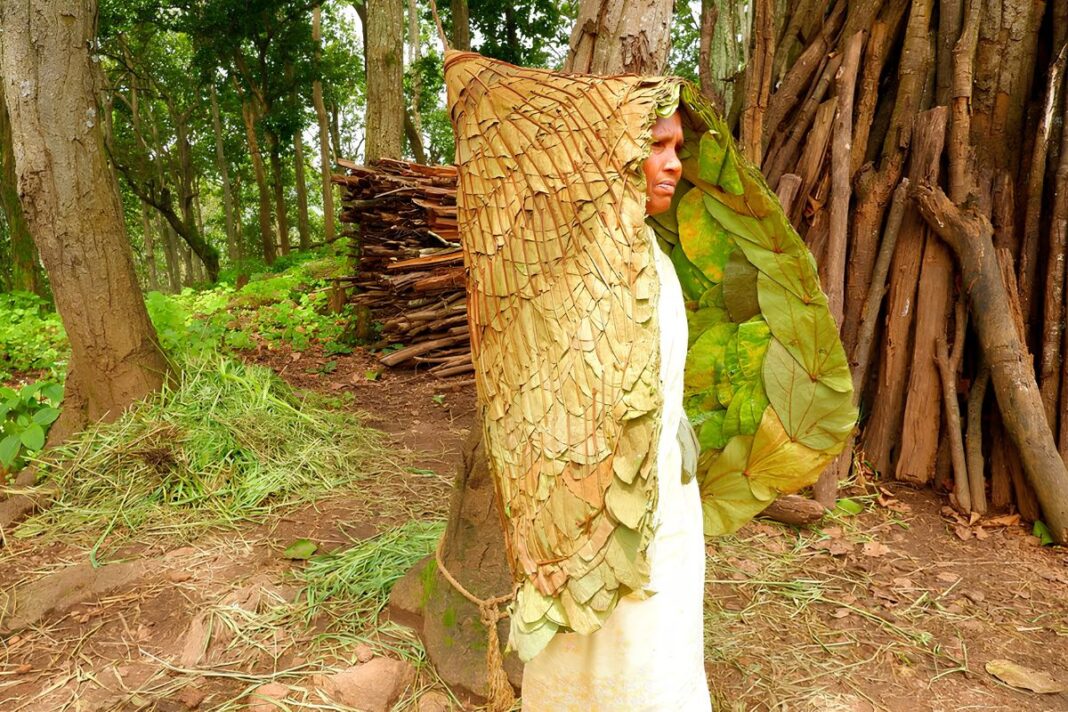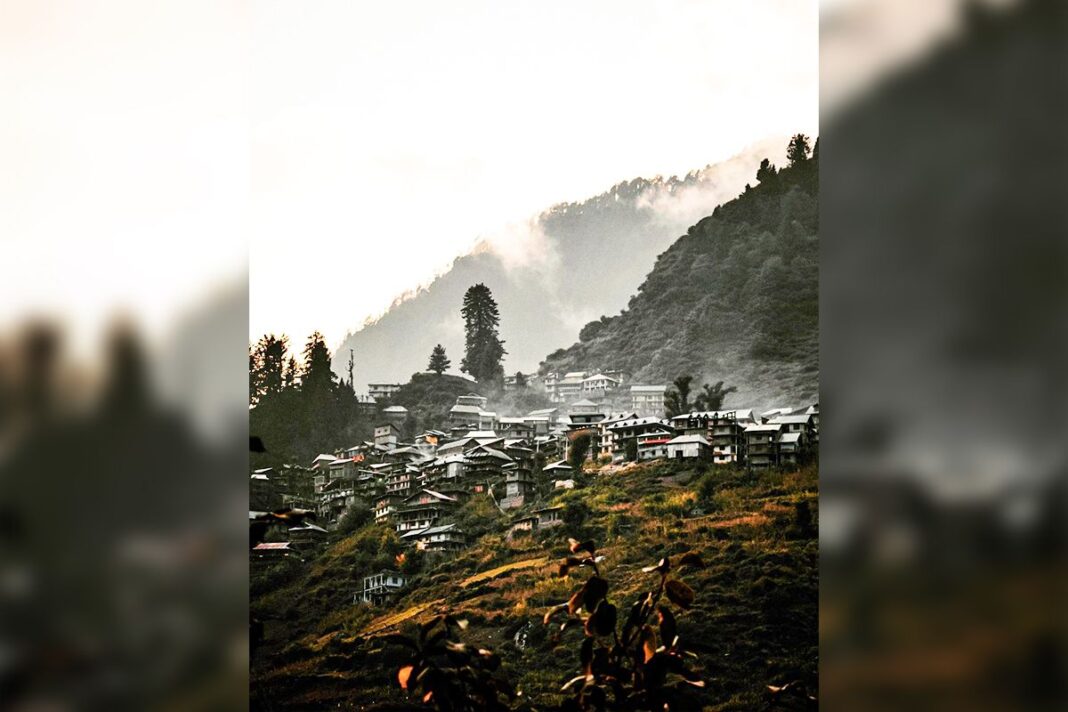

India is a land where every few miles reveals a different landscape, and every turn uncovers a new story. Snow-covered Himalayan peaks dominate the north, blue coastlines stretch across the south, lush forests flourish in the east, and golden deserts define the west. This remarkable diversity has made India one of the world’s most fascinating travel destinations. However, tucked away in the mountains of Himachal Pradesh lies a village unlike any other, a place often called “The Greece of India.”
Nestled high in the Parvati Valley, Malana has earned worldwide attention for its distinctive traditions, ancient customs, and centuries-old legends. Isolated from the outside world for generations, the village has preserved a way of life that continues to intrigue historians, linguists, anthropologists, and curious travelers alike.
The Legend of Alexander the Great and Malana
Perhaps the most captivating story surrounding Malana is its connection to Alexander the Great. According to local tradition, after Alexander’s campaign in northwestern India in 326 BCE and his fierce battle against King Porus, several wounded Greek soldiers sought refuge in the remote Himalayan mountains. Unable to return to Greece, they are believed to have settled permanently in what is now Malana.
Many villagers proudly identify themselves as descendants of these Greek soldiers. Local folklore also speaks of an ancient sword preserved in one of the village temples, which residents believe dates back to Alexander’s era.
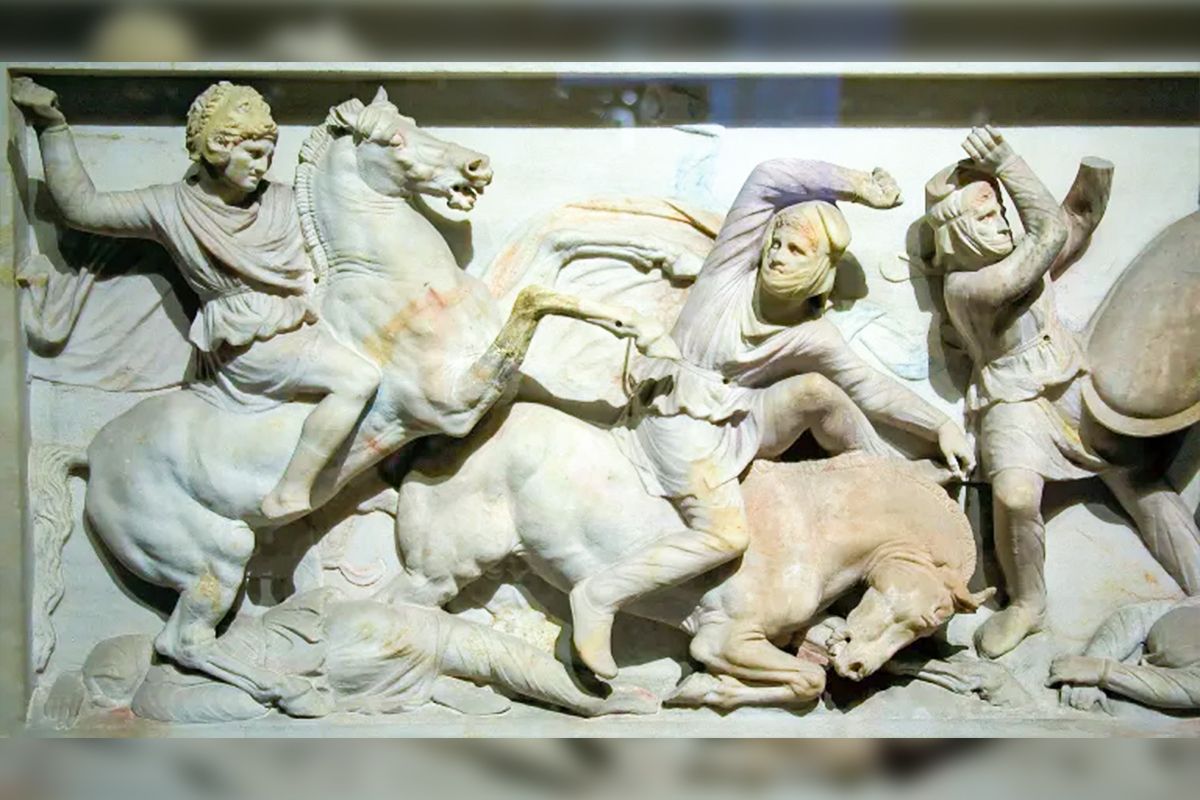
Although historians have found no conclusive scientific or archaeological evidence to confirm this legend, the belief remains deeply rooted in Malana’s cultural identity. Visitors often point to the villagers’ lighter complexions, sharp facial features, and occasionally light-colored eyes as reasons for the enduring fascination with the theory of Greek ancestry.
Kanashi: A Language Found Nowhere Else
One of Malana’s greatest treasures is its unique language, Kanashi.
Unlike Hindi, Punjabi, or the neighboring Himachali dialects, Kanashi is spoken exclusively by the people of Malana. Linguists generally classify it as part of the Tibeto-Burman language family, though it contains several words and expressions that have no known equivalents in nearby languages.
Some researchers have suggested that a handful of these unusual linguistic features may preserve traces of ancient influences, though no direct link to Greek has ever been established. The villagers themselves often refer to their language as Rakshasi and believe it was gifted to them by their deity.
Today, Kanashi remains one of India’s rarest living languages and continues to play a central role in preserving Malana’s unique identity.
One of the World’s Oldest Self-Governing Communities
Malana is frequently described as having one of the oldest surviving systems of local self-governance in the world.
The village operates through a traditional council system consisting of two governing bodies:
- Jyeshthang serves as the council of elders.
- Kanishthang represents the assembly of ordinary villagers.
Unlike modern democratic institutions, the authority of these councils is closely tied to Jamlu Devta, the village’s presiding deity, who is regarded as the supreme ruler. Major decisions are traditionally believed to be communicated through an oracle who conveys the deity’s guidance to the community.
Although comparisons are often made with the democratic city-states of ancient Greece, historians consider these similarities symbolic rather than evidence of a direct historical connection.
Genetic Studies: Are the Villagers Really Greek Descendants?
The people of Malana have attracted considerable interest from genetic researchers.
Studies suggest that the community is a genetic isolate, meaning that for centuries marriages largely took place within the village itself. This long period of isolation has resulted in a genetic profile that differs noticeably from many neighboring Himalayan populations.
Researchers have observed that some villagers possess lighter skin tones, narrow facial features, and occasionally lighter eye colors. A few studies have reported limited genetic similarity to populations beyond the Himalayas, including those in the Mediterranean region. However, scientists emphasize that no research has conclusively proven that the people of Malana are direct descendants of Alexander’s Greek soldiers.
The debate remains open, making Malana one of India’s most intriguing subjects for anthropological research.
Ancient Customs Still Followed Today
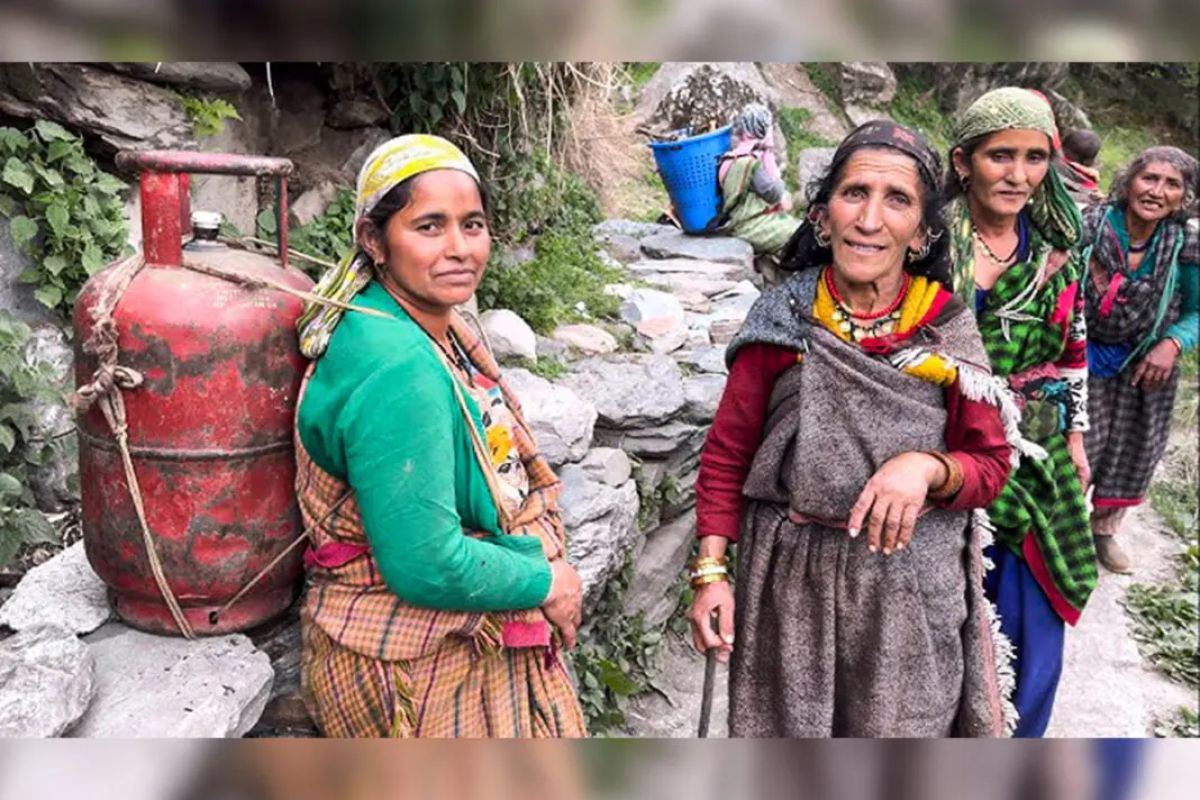
Malana has preserved several customs that continue to distinguish it from surrounding communities.
One of the most notable traditions is the prohibition on leather items within certain sacred areas. Leather shoes, belts, bags, and similar items are traditionally avoided because they are considered ritually impure under local religious beliefs.
These customs have been observed for generations and remain an important expression of the village’s spiritual heritage.
A Unique Local System of Governance
Malana enjoys a remarkable degree of autonomy in handling many of its traditional community affairs.
Village decisions are guided by long-established customs and the authority of Jamlu Devta, whose religious significance remains central to local governance. While Malana functions within the framework of the Constitution of India, many internal social and customary matters continue to be resolved according to the village’s own traditional institutions.
Visitors are expected to respect several long-standing rules, including refraining from physical contact with temples and other religious structures, and from entering certain private properties without permission. These customs help preserve the sanctity of the village’s cultural and religious traditions.
Traditional Architecture Built for the Himalayas
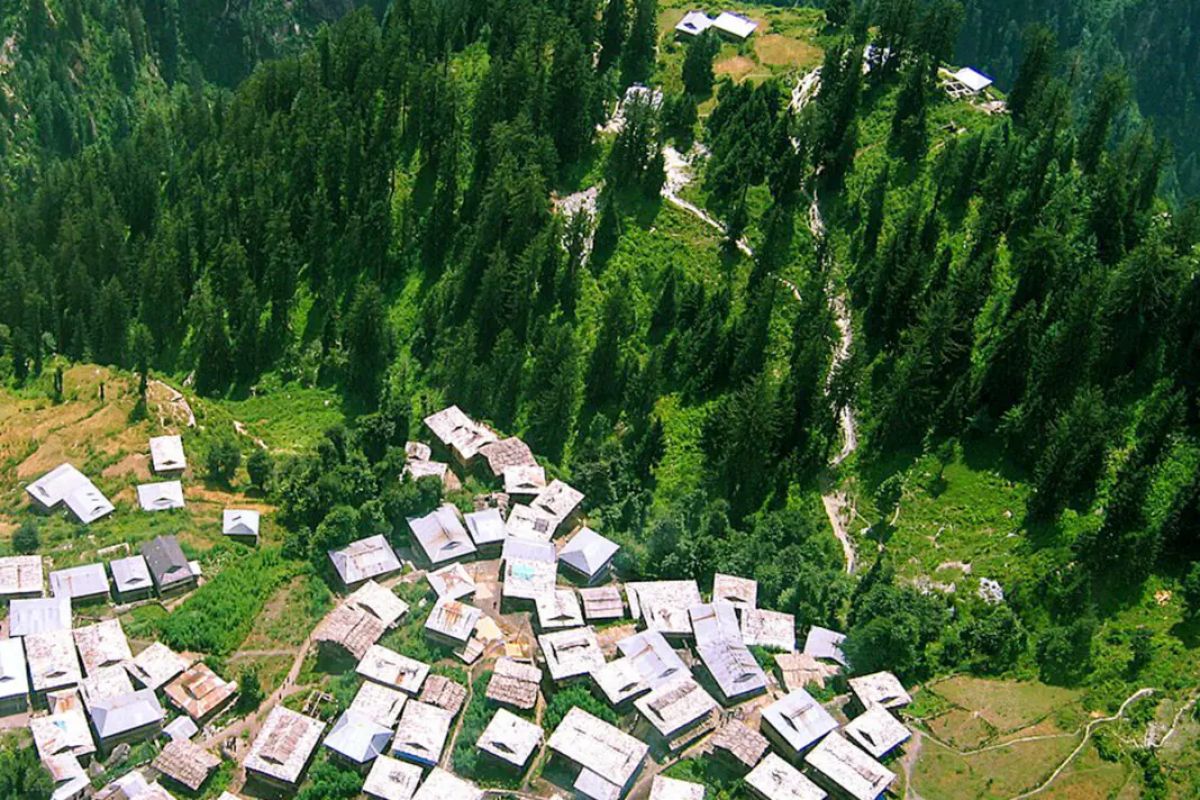
Situated at a high altitude, Malana experiences intense sunlight, cold winters, and challenging mountain weather.
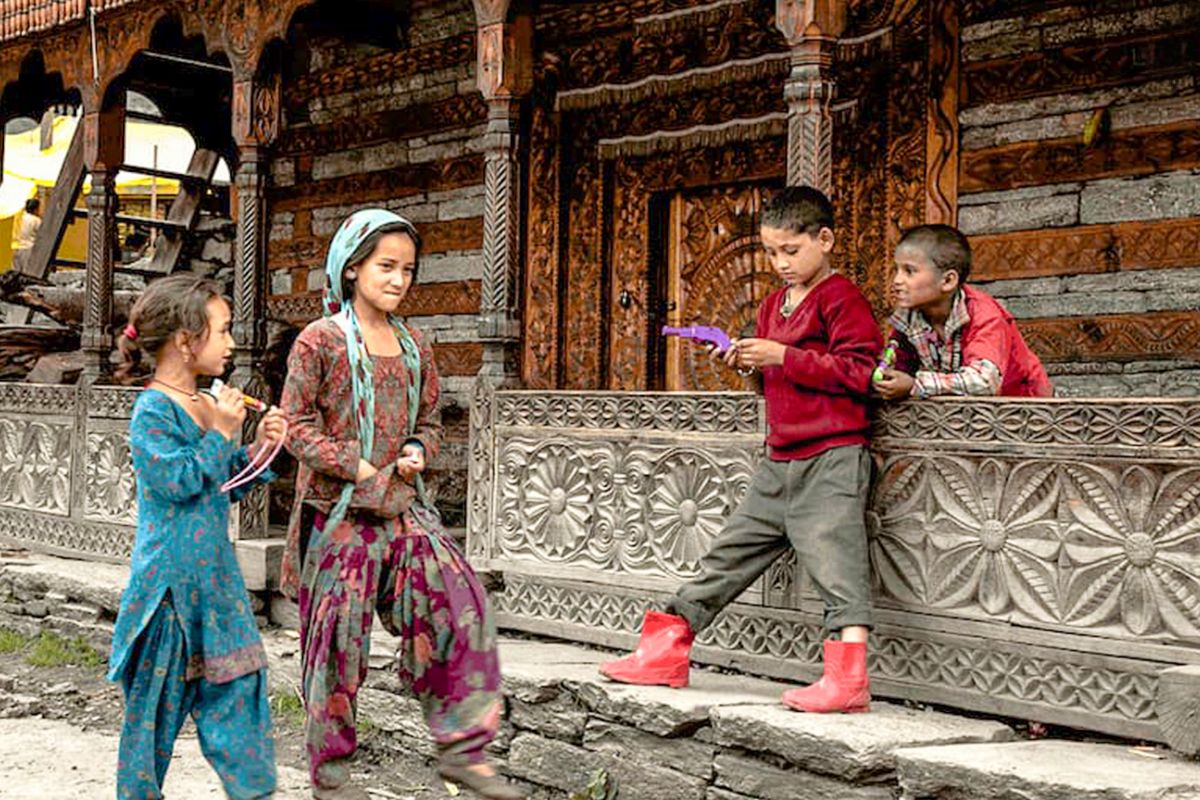
The village is famous for its traditional Kath Kuni architecture, a construction style that alternates layers of wood and stone without extensive use of mortar. These buildings are naturally insulated, keeping interiors warm during winter and cool in summer.
The design is also highly earthquake-resistant, making it one of the finest examples of sustainable Himalayan architecture.
A Distinct Calendar and Festivals
The people of Malana continue to follow a traditional luni-solar calendar, which differs from both the Gregorian calendar and the standard Hindu calendar used in many other parts of India.
Agricultural activities, religious ceremonies, and annual festivals are carefully planned according to this ancient system, preserving customs that have survived for centuries.
A Living Museum of History and Tradition
Malana is far more than a remote Himalayan village. It is a living repository of history, folklore, language, architecture, and tradition.
Its enduring legend linking the village to Alexander the Great continues to attract visitors from around the world. Its rare language, centuries-old governance system, distinctive customs, and remarkable cultural isolation make it one of India’s most fascinating destinations.
Whether or not the Greek ancestry theory is ever proven, Malana remains a place where history, mythology, and living tradition blend in extraordinary ways. Travelers who visit this remarkable village are encouraged to respect its customs and local rules, ensuring that its unique cultural heritage continues to thrive for generations to come.
Malana is not merely a destination on a map. It is a living chapter of India’s diverse cultural history, quietly preserving stories that continue to inspire curiosity across the world.
Also Read: Inside Hampi’s Monumental Ruins, Where the Glorious Legacy of the Vijayanagara Empire Still Lives On
You can connect with DNN24 on Facebook, Twitter, and Instagram and subscribe to our YouTube channel.