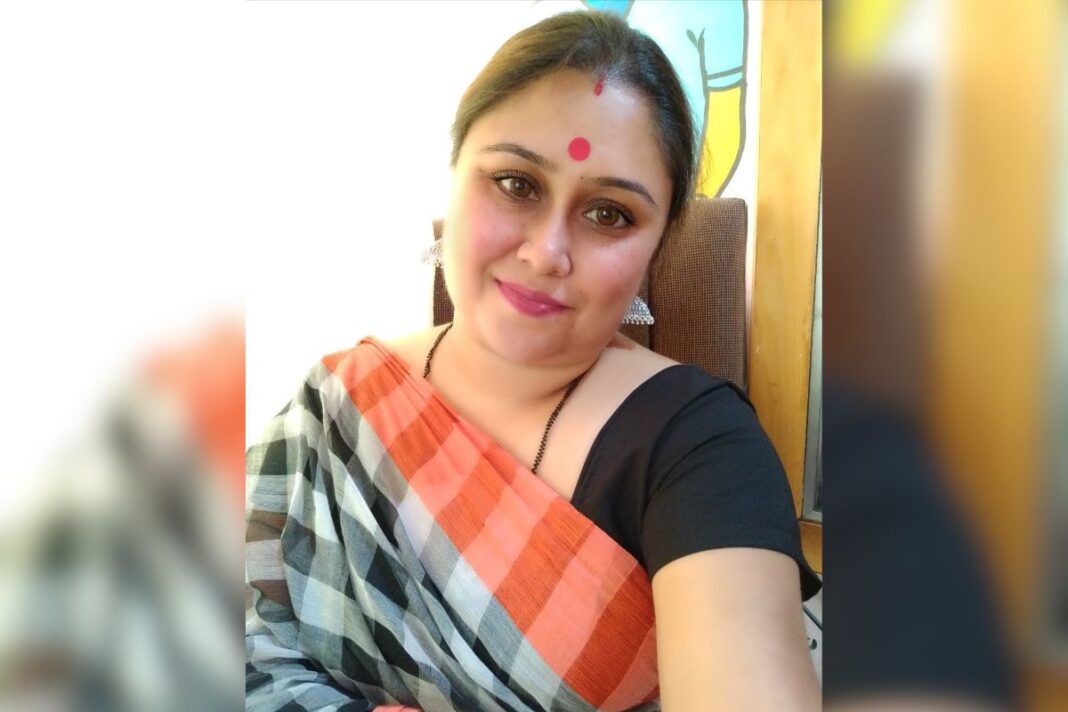

She was still a schoolgirl when she watched a shopkeeper cheat the woman who cared for her, simply because that woman could not tell a ten rupee note from a twenty. That single moment, small and almost forgettable to anyone else, set Ananya Paul Dodmani on a path that has now lasted twenty-two years and touched hundreds of tribal communities across India.
Ananya Paul Dodmani grew up in Lumding, a small tribal town in Assam. She spent her childhood listening to folktales told by tribal elders and absorbing the everyday hardships around her. One incident in Class 8 stayed with her long after the school bell rang. Her caretaker, unable to read the numbers printed on a currency note, had been swindled in plain sight. Dodmani understood then that illiteracy was never just about missing schoolwork. It could strip a person of independence and leave them open to exploitation at every turn.
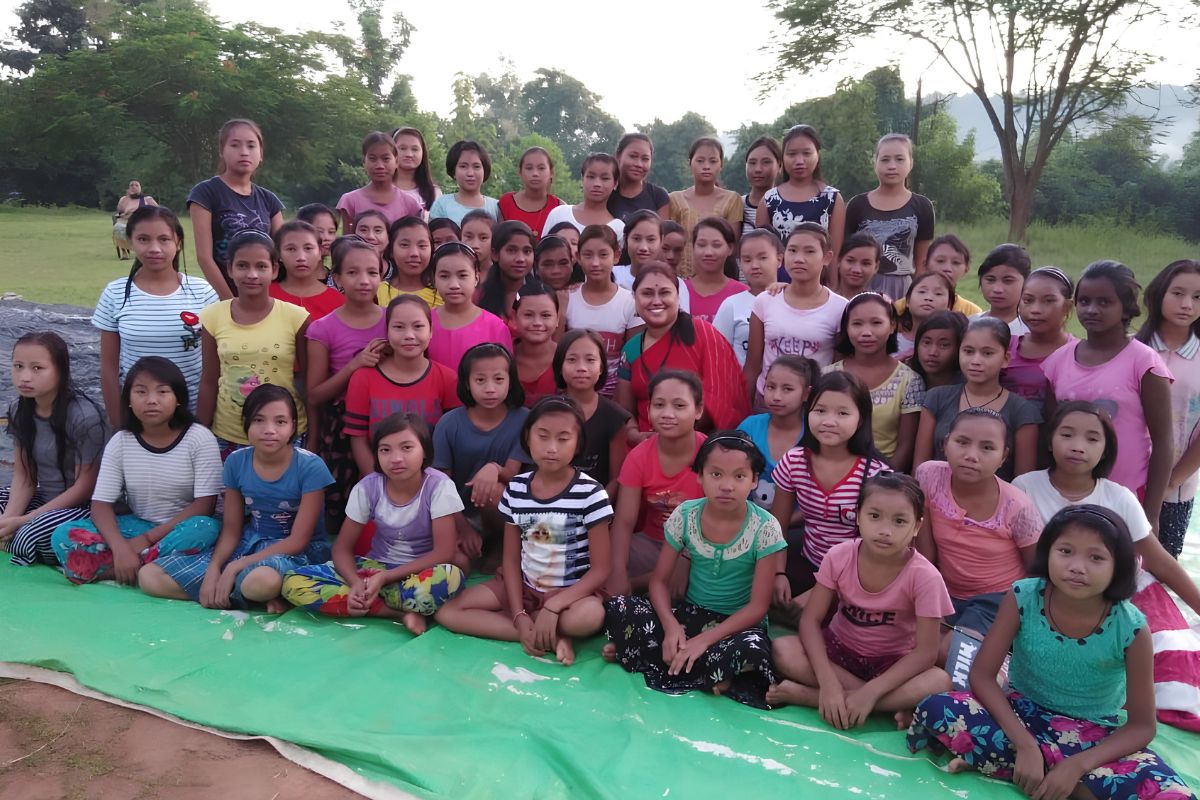
So she began teaching. Nothing elaborate at first, just the basics most people take for granted. She showed tribal children how to write their own names, how to tell one rupee note from another, how to read a bus sign or a medicine label. These were not grand lessons, but the kind of practical knowledge that can change how safely a person moves through the world. That instinct, to start with what people actually need rather than what a syllabus demands, has stayed at the centre of her work ever since.
A memory turned into a mission
The first learning centre Dodmani built was set up in the very village where her own father had once been kidnapped. She has never publicly named the place, but the choice was deliberate. Rather than let a painful memory define that community, she built something there that offered children safety and a reason for hope.
What started informally, often under the shade of a banyan tree, slowly grew into something far larger. Reports from The Better India in 2023 counted around 160 learning centres and roughly 700 volunteers connected to her organisation, which she formally registered as Tribal Connect in 2019. A year later, a report from 30 Stades put the number of centres at 162, spread across the Northeast, Odisha, West Bengal, North Karnataka and Goa.
The exact figures shift a little depending on when and how they were counted, but the pattern is consistent. Tribal Connect has quietly built a wide network of grassroots centres in places that are often too remote or too poor to attract sustained attention from larger institutions.
Learning that comes with a meal
One idea sets Tribal Connect apart from a typical classroom. Education there does not stand alone. According to The Better India, lessons at the centres are free, and children are fed as part of the programme. In some locations, the organisation follows a community farming model, so families can grow food that eventually ends up on the same plates used for meals at the centre.
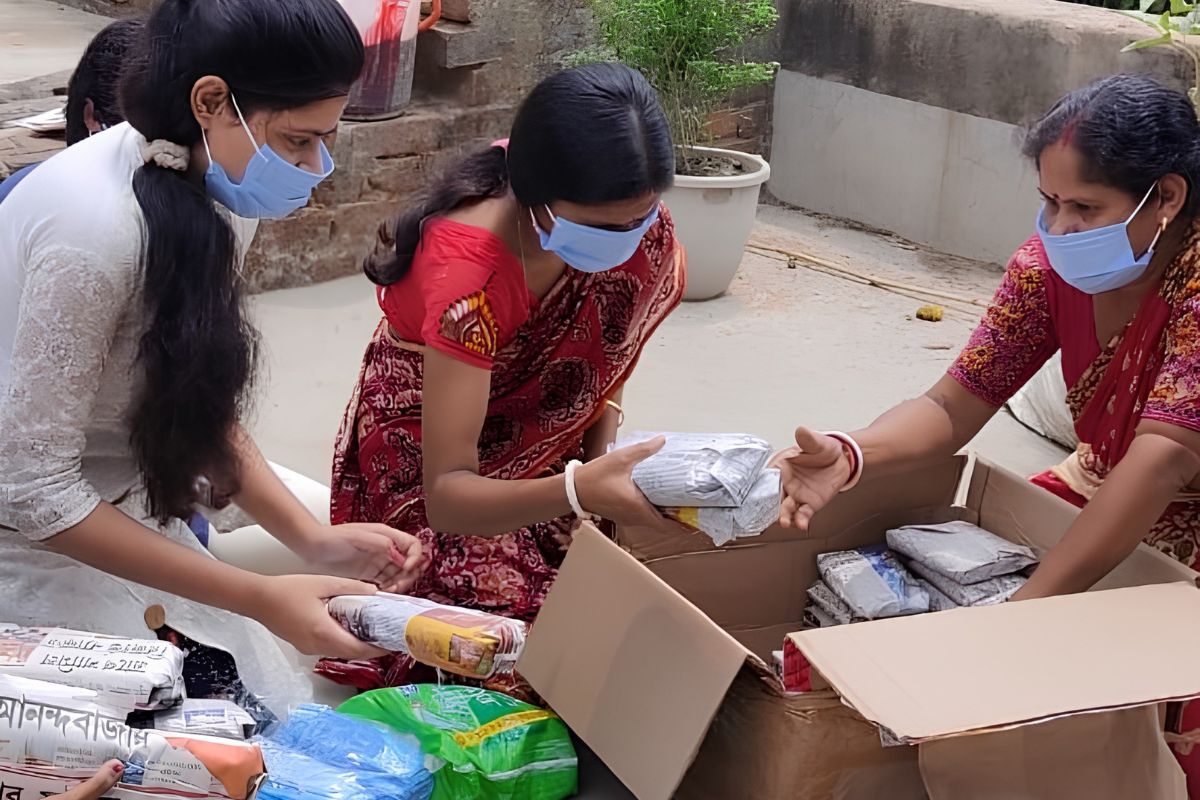
This is not a small detail. A child who has not eaten cannot concentrate, let alone attend classes regularly. By tying food to learning, Dodmani’s centres try to remove more than one obstacle at the same time.
The centres themselves feel less like schools and more like extended households. In Lumding, children gather to read, write and listen to stories passed down by village grandmothers, some of whom live alongside the children they help raise, offering care while receiving companionship in return. It gives older women a purpose within the community and keeps children rooted in the oral traditions that formal classrooms often overlook.
Healing that takes years, not headlines
Dodmani’s work reaches well beyond reading and writing. She trained as a criminal psychologist and describes herself as a tribal rights activist, and much of her effort has gone into rehabilitation and community welfare rather than academics alone.
It would be misleading to suggest that education by itself can undo the damage caused by violence or displacement. What Tribal Connect appears to offer instead is something steadier, a stable place where people can find food, learning, care and the company of others. For communities shaped by years of insecurity, that steadiness matters. A routine at a learning centre. A hot meal from a community kitchen. Accurate information at a women’s health programme. None of these fixes everything on its own, but together they form the slow, collective work of recovery.
Dodmani has also worked directly with former militants in Assam. A report by 30 Stades quoted her describing how she helped 82 men move away from militancy and into ordinary livelihoods such as farming, weaving and teaching. She was careful to note that this kind of rehabilitation needs continued counselling and social acceptance, since people can drift back toward violence if they never find a peaceful place within their own community.
Programmes built around women and livelihood
Women’s health sits at the centre of another major initiative. Dodmani’s Sustainable Menstrual Programme has reportedly reached more than 60,000 tribal women, teaching them to make biodegradable sanitary pads free of cost. The programme links menstrual awareness with a modest source of income, addressing two problems that are often treated as separate.
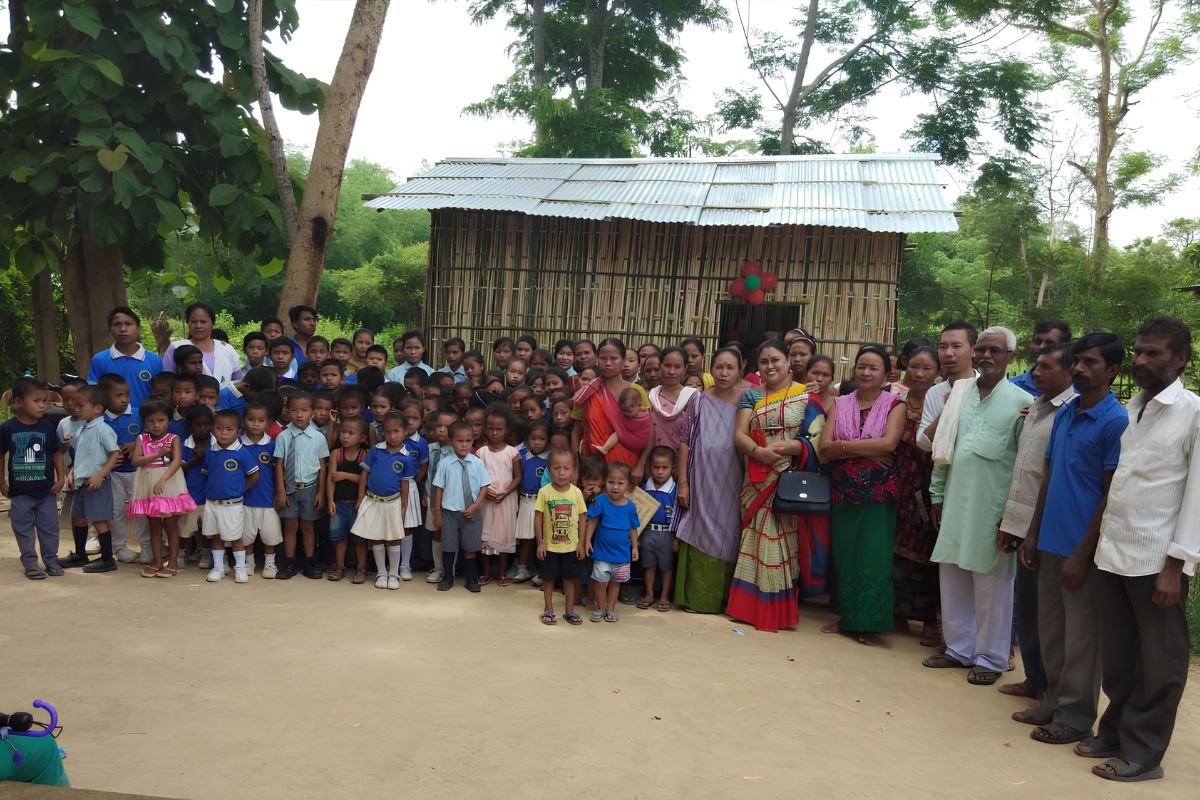
A 2024 report from 30 Stades stated that Tribal Connect had brought education to 21,000 women and children and offered sustainable livelihood support to more than 50,000 people living in forest areas. These numbers come from organisational and media sources rather than independent audits, so they should be read as estimates. Even so, they suggest a mission that reaches far past the classroom.
Built with communities, not for them
What stands out about Tribal Connect’s model is how much power stays with the local community. According to 30 Stades, the organisation identifies a settlement, requests land from the village chief and appoints someone from within the community, or a neighbouring one if necessary, to run the centre. Tribal Connect then supplies food and learning materials.
This matters because outsiders rarely understand a community’s language, customs or daily rhythms as well as its own people do. By keeping local leadership at the centre, Dodmani’s centres reach the children and families who need them most, without treating tribal culture as something to be corrected rather than respected.
A larger picture
Literacy among India’s Scheduled Tribes has improved over the years, though progress remains uneven. A parliamentary document citing the Periodic Labour Force Survey placed tribal literacy at 72.1 per cent in 2021 and 2022, up from 59 per cent recorded in the 2011 Census. That trend explains why grassroots efforts like Dodmani’s still matter. Remote settlements struggle with distance, weak infrastructure, poverty and a shortage of teachers willing to stay.
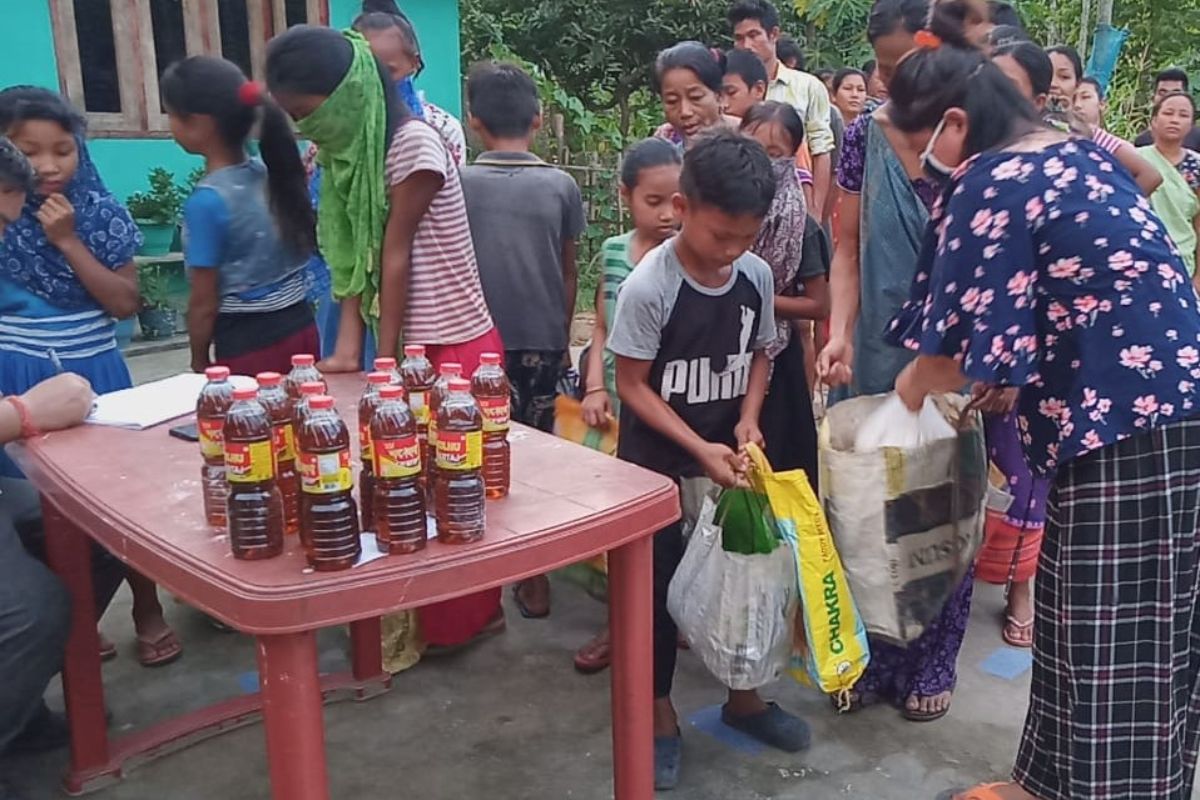
Organisations such as Tribal Connect cannot replace government schools, hospitals or welfare systems, and they were never meant to. What they can do is reach households that formal institutions often miss, once they have spent years earning a community’s trust.
The long return
Dodmani’s story is, at its core, about staying. She began with a handful of lessons for a few children and kept going until those lessons grew into a network of centres, kitchens, health programmes and livelihood projects. Tribal Connect only became a registered organisation in 2019, but her own account traces its roots back to a single afternoon in a school classroom decades earlier.
She has since received recognition for her efforts, including the Karamveer Chakra. Awards, though, tell only part of the story. The real achievement lies in her refusal to look away from communities that outsiders usually reduce to statistics about poverty. In Dodmani’s eyes, tribal children are not problems waiting to be solved. They are individuals with memories, skills and futures of their own.
Her example carries a simple lesson for anyone who doubts that one person can matter. Change rarely begins with a grand announcement. Sometimes it begins when someone notices an injustice, teaches a child to read a sign, shares a meal, and comes back to do it again the next day. Over 22 years, Ananya Paul Dodmani has turned that first small act into a lasting movement built on education, dignity and belonging.
Also Read: Ex-Journalist Built Free Boarding School in India’s Highest Village for Children
You can connect with DNN24 on Facebook, Twitter, and Instagram and subscribe to our YouTube channel.