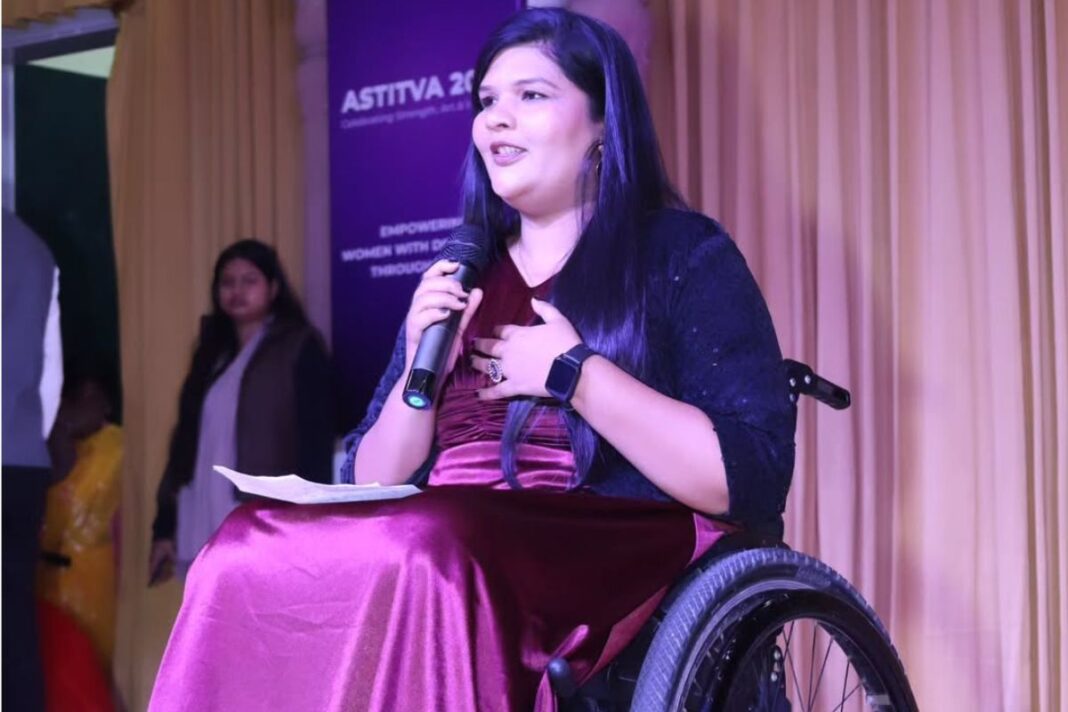

In 2018, Priya Sharma’s life was interrupted by a road accident that left her with a thoracic spinal cord injury at the D11-D12 level. She lost sensation and voluntary movement below the site of the injury. The clinical term is paraplegia. The lived reality was far more complicated: rebuilding daily routines from scratch, learning to navigate a world designed without her in mind, and confronting a quiet but persistent assumption that a woman in a wheelchair had, in some essential way, stepped off the public stage.She disagreed.
What followed was not a conventional recovery story. It was something more durable. Within months, Priya had begun using dance as part of her rehabilitation, not merely for its physical benefits but for what it returned to her that no physiotherapy session could fully restore: a sense of being present in her own body, capable of expression, worthy of an audience.
Why Dance, and Why It Works
Movement-based rehabilitation has a well-documented place in recovery after spinal cord injury. For those with thoracic injuries, wheelchair dance is particularly demanding and rewarding. It requires upper-body strength, core stability, precise coordination, and the ability to hold presence in a performance space. It is not a gentle substitute for “real” dance. It is its own discipline.
Beyond the physical, dance works on something harder to measure. Women living with acquired disability frequently report a rupture in their sense of self, a disconnection from the body that once moved through the world in a certain way. Performance practice, specifically the cycle of rehearsal, refinement, and public presentation, is one of the few activities that asks a person to inhabit their body as an instrument of expression rather than as a medical subject. Studies in the rehabilitation literature have reported significant improvements in body image, emotional well-being, and social confidence among women with disabilities who participate in structured dance programs.
Priya experienced this firsthand. And then she asked the obvious question: why should this remain personal?
Dance With Wheels: The Platform She Built
In 2024, Priya founded Dance With Wheels (DWW). The organisation began as an effort to extend what she had found in dance to other women with disabilities across India. It grew faster than most such initiatives do.
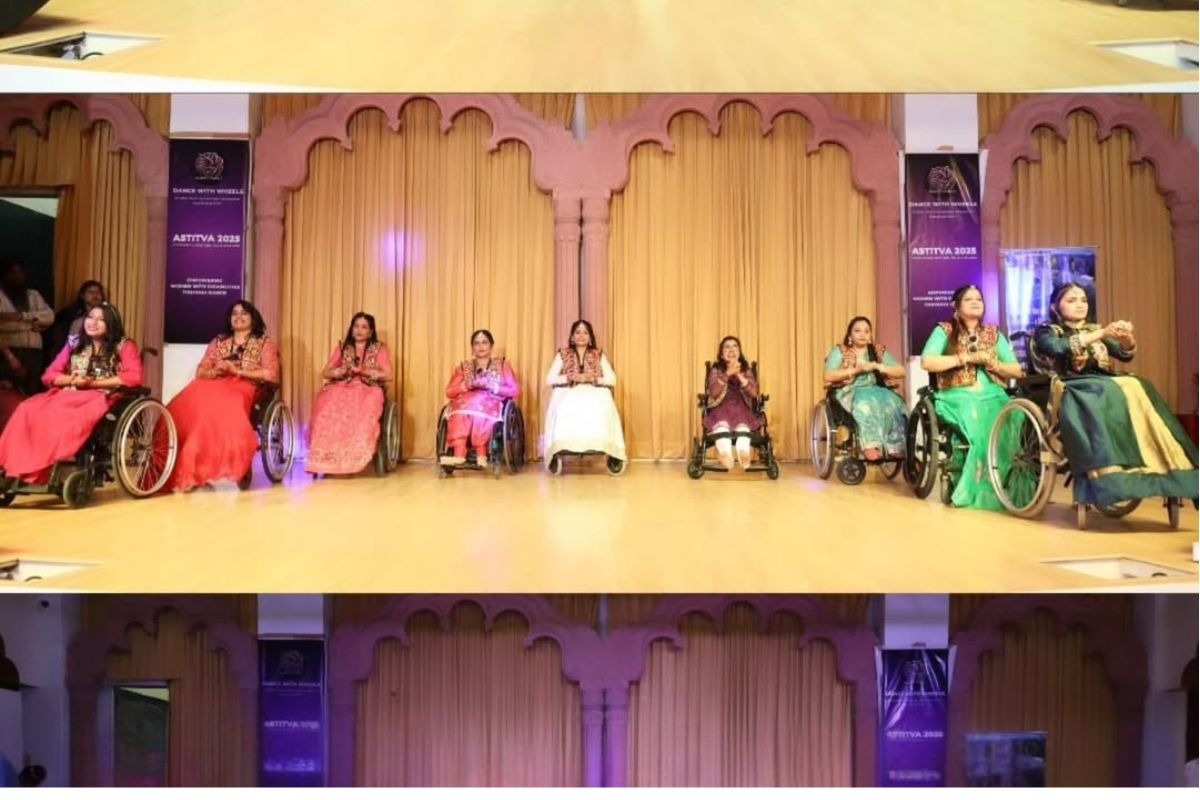
Today, Dance With Wheels reaches participants in 16 Indian states. It operates through a combination of online classes and periodic offline workshops, a hybrid structure that was not merely a practical adjustment but a principled one. Accessible arts programming in India is concentrated almost entirely in metropolitan centres. Women in smaller towns, rural districts, and satellite cities often have no pathway into adaptive performance. Virtual instruction changed that calculus.
The curriculum combines adaptive choreography with wheelchair-handling skills and confidence workshops. There are components of advocacy and independent living. The framing throughout is direct: women with disabilities are artists, not beneficiaries. They are athletes, not objects of charitable concern. The phrase Priya returns to, that disability is not inability, is not a slogan. It is the organising principle of everything DWW teaches.
What Happens in the Room
The program works at three levels simultaneously. At the physical level, wheelchair dance conditions precisely the muscle groups that matter most for long-term health in people with spinal cord injuries. Core stability, upper-body endurance, and shoulder strength are trained not through repetitive clinical exercises but through choreography that demands them. Secondary complications common after thoracic spinal cord injury, including pressure sores, respiratory difficulties, and cardiovascular deconditioning, are all influenced by the level of physical activity a person sustains. Dance provides an activity that people actually want to return to.
At the psychological level, the effect of rehearsing for a performance and then delivering it before an audience is significant. The women in DWW’s programs are not exercising in a clinic. They are preparing art. That distinction changes how a person relates to her body and to her capacity. Social isolation, one of the most persistent and damaging consequences of acquired disability, is directly addressed by the group structure of the classes.
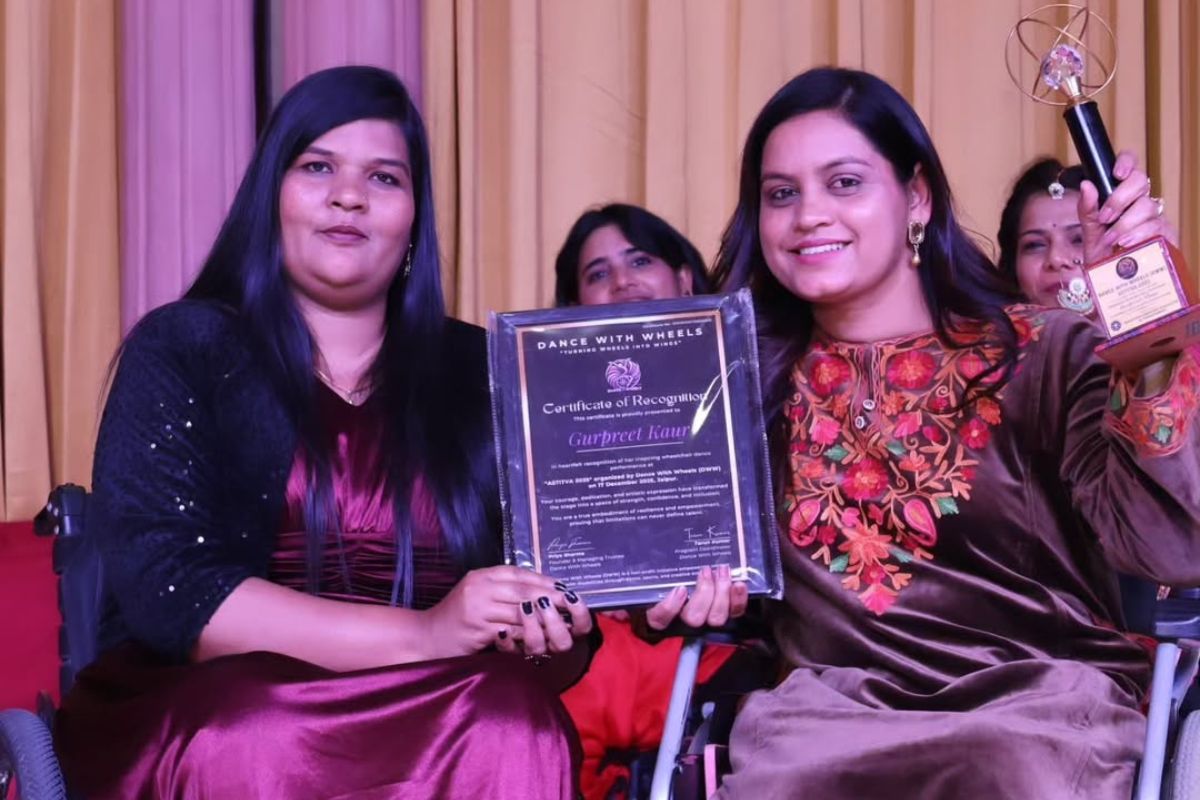
At the community level, participants become peer mentors. Women who joined DWW as students have since led workshops in their own districts, teaching both choreography and wheelchair skills to new cohorts. The program does not depend on Priya alone to grow. It grows through the women it has already reached.
Performance as a Form of Argument
When women in wheelchairs occupy a public stage, they make a claim that the built environment is usually designed to deny: that this space belongs to them. DWW’s public showcases bring that claim before audiences who may never have considered it before.
The practical effects are concrete. Venue organisers confronted with a performing group of wheelchair users begin thinking about ramp access, backstage clearances, and seating layouts. Disability activists gain cultural allies and wider public attention. Families who attend see their daughters, sisters, and wives not as patients managing a condition but as performers commanding a room.
This is advocacy conducted through art rather than through argument, and it tends to reach people that formal advocacy does not.
Why This Matters in India
India records among the highest rates of road accident-related spinal cord injury in the world. Many of those injured are young, and a significant number are women. The conventional path after such an injury runs through hospital and a rehabilitation centre, and then, too often, back to the household, with limited engagement in public or professional life.
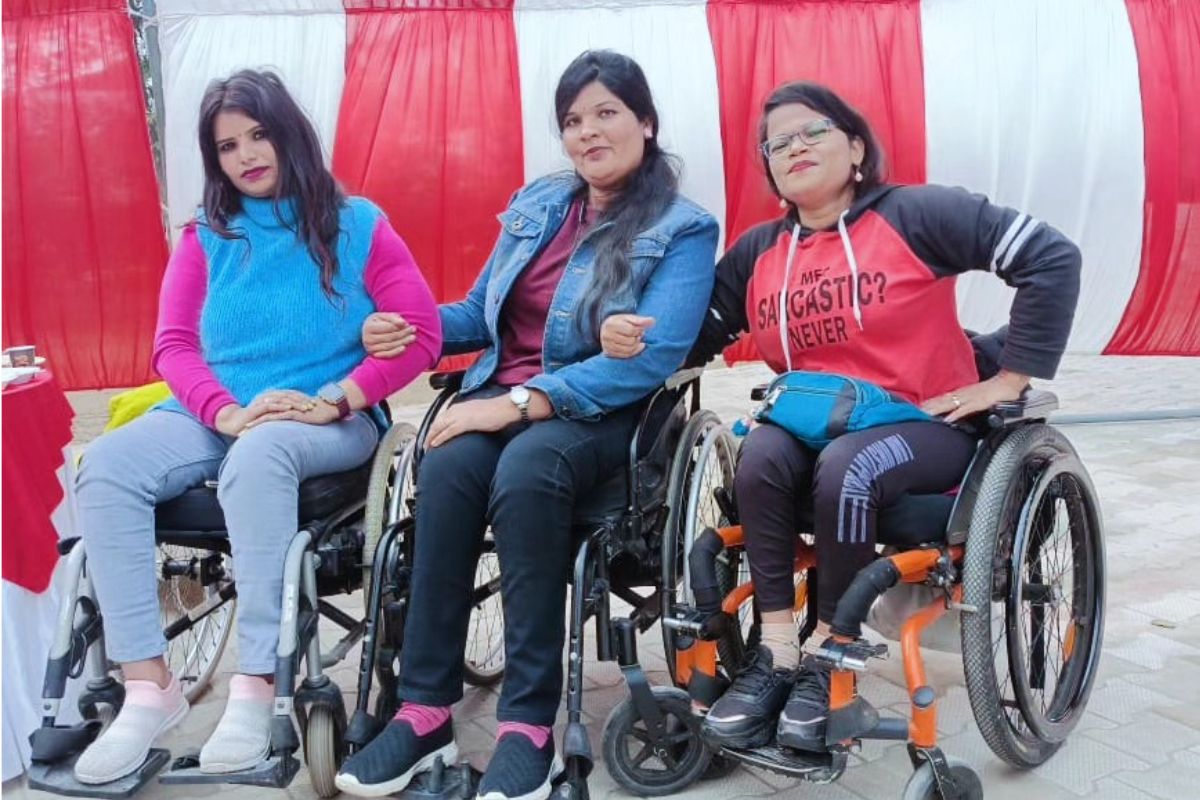
Community-driven programs that integrate rehabilitation with artistic practice and peer support create an alternative pathway. They address not just physical recovery but the social and psychological dimensions of disability that clinical systems are least equipped to handle. Dance With Wheels is one of the clearest examples of that model in practice in India today.
For a country whose cultural life is being actively reshaped by demands for representation and inclusion, DWW adds a strand that is easy to overlook and difficult to dismiss once seen: the presence of disabled women as artists, as teachers, and as leaders of their own communities.
A Movement Still in Early Steps
Priya Sharma took the stage despite everything that happened to her in 2018, or rather because of it. Dance With Wheels is now six years from that accident and two years from its founding, reaching women in 16 states, training peer mentors, filling performance venues, and quietly changing what the word “accessible” means in the context of Indian arts.
The stages DWW occupies are not honorary platforms, offered as consolation. They are contested and earned. The women who perform on them do so with the full technical and artistic preparation that any serious performance requires. The audiences who watch them are asked to update their assumptions about who belongs in cultural life.
That is not a small thing to ask. Priya Sharma has built an organisation that asks it anyway, every time the music starts.
Also Read: The Eternal Union: How Yoga’s Ancient Indian Roots Transformed the World
You can connect with DNN24 on Facebook, Twitter, and Instagram and subscribe to our YouTube channel.