
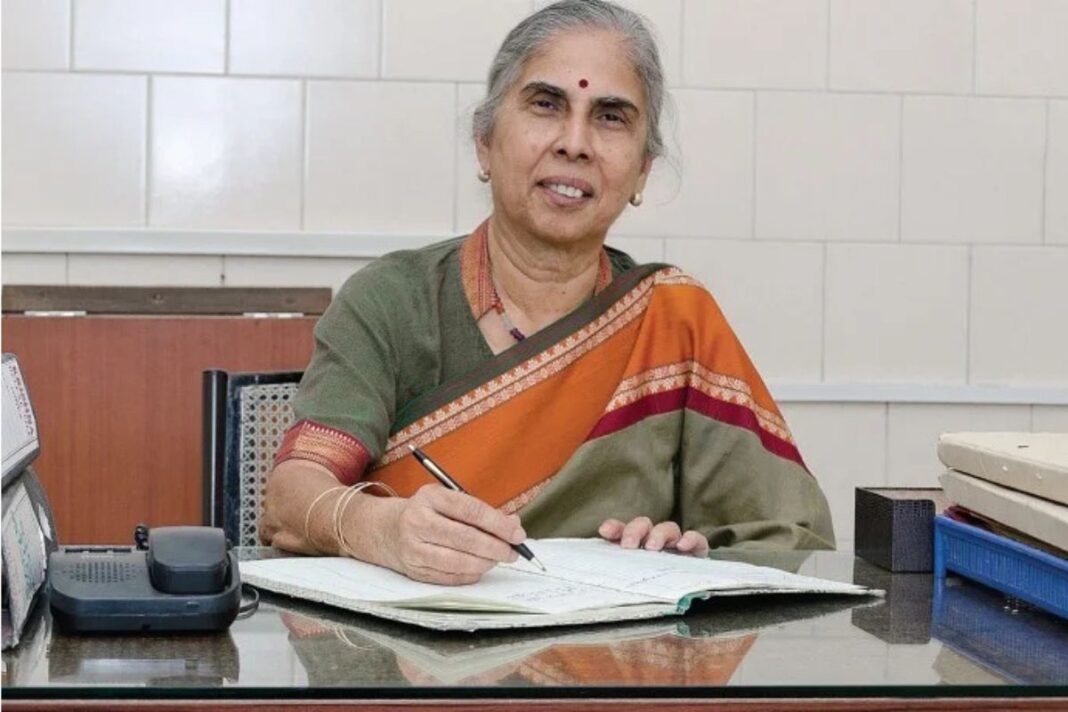

When Dr. Armida Fernandez walked into the neonatal ward at Sion Hospital in the late 1980s, she was not looking to make history. She was looking at babies who were dying.
They were born too soon, too small, or to mothers too ill to feed them. The formula was available, but it was not the same. The science was clear on that point, even then. What these infants needed was breast milk, and in many cases, their own mothers could not provide it. Dr. Fernandez had seen this problem solved elsewhere. She decided to solve it in Mumbai.
On November 27, 1989, she opened Asia’s first human milk bank at Lokmanya Tilak Municipal General Hospital, commonly known as Sion Hospital. It was not a glamorous beginning. Sion was a civic hospital, a public institution serving some of the city’s poorest families. However, that was precisely why she chose it.
A Family That Believed in Public Life
Dr. Fernandez was born around 1942 to a Goan family settled in Karnataka. Her father was a professor of English literature and a participant in the Indian independence movement. The household she grew up in took education and civic duty seriously. These were not abstract values. They were a daily practice.
She trained as a pediatrician and eventually specialised in neonatology. Her postgraduate work took her to Oxford, where she encountered donor milk banking as a formal medical practice. The idea was straightforward: healthy lactating mothers who had milk to spare could donate it, the milk could be screened and heat-treated to eliminate pathogens, and then it could be given to infants who needed it. The question was not whether it worked. The question was why India did not have it.
What the Milk Bank Actually Does
The process Dr. Fernandez introduced at Sion Hospital was methodical from the start. Donor mothers undergo health screening before they are permitted to contribute. Blood tests rule out HIV, hepatitis B, hepatitis C, and certain other infections. Medications and substances that could pass through milk are also assessed.
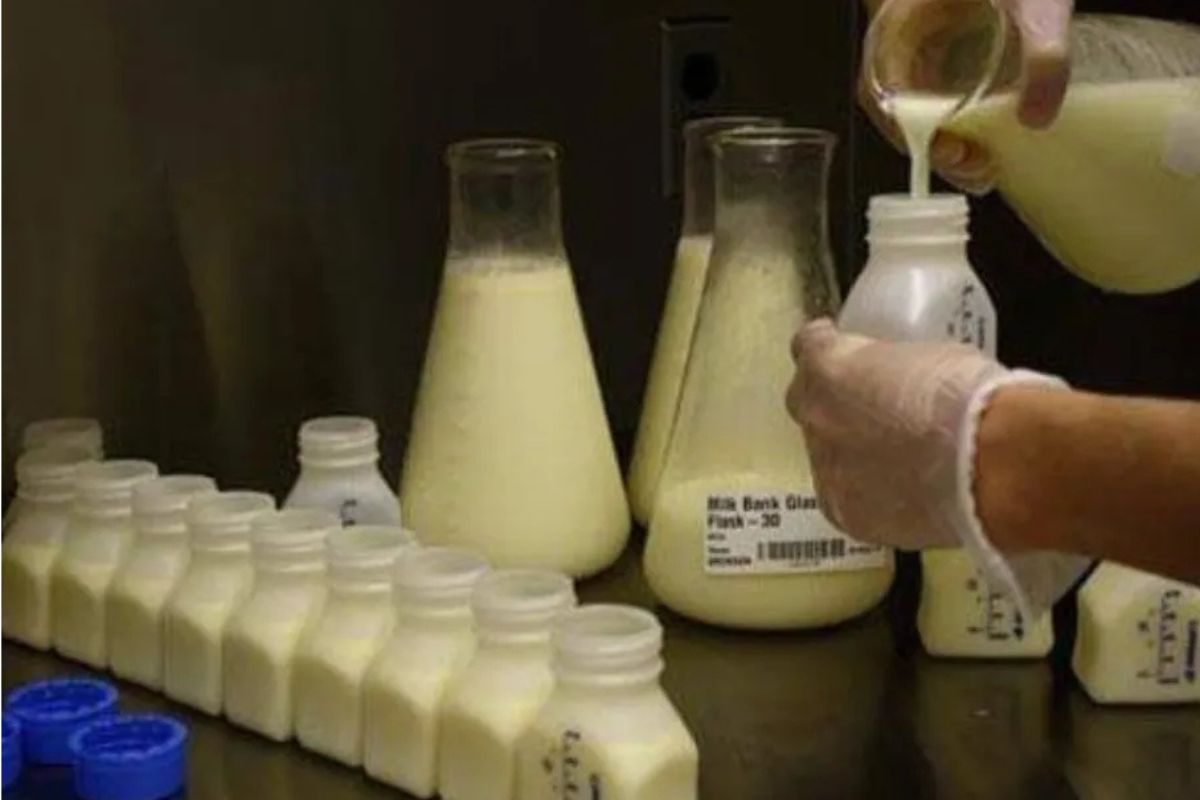
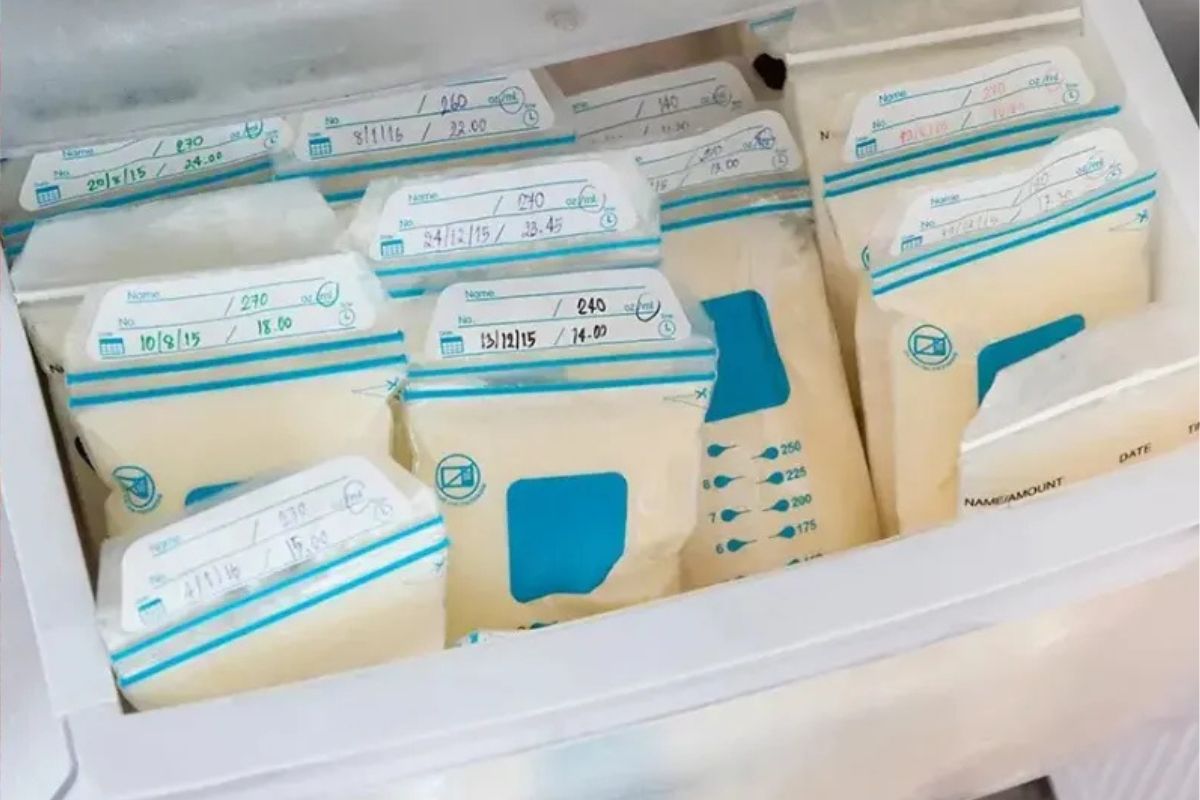
Once a donor is cleared, she is instructed on hygienic collection and storage. The milk she provides is then pasteurised, which means it is heated carefully to a temperature that destroys harmful bacteria and viruses while preserving much of the nutritional value. After pasteurisation, the milk is tested again for bacterial contamination before it is frozen and stored for use.
No milk reaches an infant without passing through this sequence. The bank has never operated on informal or unverified donations. Every step is documented.
The bank serves premature infants in the neonatal intensive care unit, babies born to mothers who develop postnatal illness, infants experiencing temporary interruptions in feeding, and, in some cases, babies who have been abandoned or whose mothers did not survive delivery.
Three Decades of Numbers
The volume of the work is easier to grasp in figures. Over five years, the Sion Hospital milk bank received donations from more than 43,000 mothers and provided nourishment to upwards of 10,500 newborns. Each year, the bank serves between 3,000 and 5,000 infants and requires between 800 and 1,200 litres of donated milk to meet that demand.
Sion delivers between 10,000 and 12,000 babies annually. Of those, roughly 1,500 to 2,000 receive milk from the bank each year. These statistics do not exist in isolation. They represent the margin between life and serious illness for children born at the most vulnerable point of their lives.
The Medical Argument
Dr. Fernandez’s conviction was not sentimental. It was grounded in clinical evidence that has only grown stronger over time.
Donor human milk offers protection against necrotising enterocolitis, a severe gut condition that affects premature infants and carries a significant mortality rate. Compared with formula, donor milk is associated with lower rates of this condition and of infection during the period immediately after birth. The World Health Organisation now recommends donor human milk as the preferred alternative when a mother’s own milk is unavailable, specifically for low-birth-weight and premature infants.
Research published in the decades since Sion Hospital’s milk bank opened has confirmed the short- and long-term advantages of breast milk over formula, including effects on metabolic function, immune response, and neurological development. Dr. Fernandez understood this before the evidence was as extensive as it is today. She acted on the best available information and built the infrastructure to make the principle practical.
The Resistance She Faced
The medical community in India was not immediately supportive. The idea of one mother donating milk for another’s child was unfamiliar and, in some quarters, considered culturally problematic. The safety of such a system was questioned. The logistics were seen as complicated.
Dr. Fernandez worked through this opposition without abandoning the programme. The results at Sion Hospital spoke plainly enough. Infection rates in the neonatal unit fell. Survival outcomes for premature infants improved. Colleagues who had been doubtful began to take notice.
Her work also extended beyond the hospital building. She lectured on breastfeeding and milk banking across India and internationally. She advocated against the casual recommendation of formula as a substitute for breast milk, particularly for families in low-income settings where the risks of improper preparation were significant.
What India Now Has
When Dr. Fernandez opened the Sion milk bank in 1989, it was the only one of its kind in Asia. Today, India has nearly 100 operational human milk banks. That expansion has not kept pace with the growth in neonatal intensive care units or with rising rates of premature birth, but the existence of a national network would have been unthinkable in 1989.
Dr. Fernandez served as Professor and Head of the Department of Neonatology at Sion Hospital and later as its Dean. She retired from institutional life, but the institution she built did not retire with her.
In 2026, she was awarded the Padma Shri, India’s fourth-highest civilian honour, in recognition of her contributions to medicine and public health.
The Principle Behind the Practice
Every donation to the Sion milk bank is voluntary. No donor receives payment. No one in the family pays to receive the milk. The entire system functions on the belief that a mother who has enough can give some to a mother who does not, and that this transfer, properly managed, can keep a child alive.
Dr. Fernandez has said, “No one achieves anything alone.”
India’s infant mortality rate fell from 30 deaths per 1,000 live births in 2019 to 24 by 2024. The neonatal mortality rate has declined by 65 percent over the past 30 years, compared to 51 percent globally. Human milk banks are one part of that progress, and the Sion milk bank is where that part began.
The logic of what Dr. Fernandez built was never complicated. Premature babies need breast milk. Some mothers have more than their own infants can use. A properly managed system can bring these two facts together. She built the system. The rest followed.
Also Read: The Eternal Union: How Yoga’s Ancient Indian Roots Transformed the World
You can connect with DNN24 on Facebook, Twitter, and Instagram and subscribe to our YouTube channel.