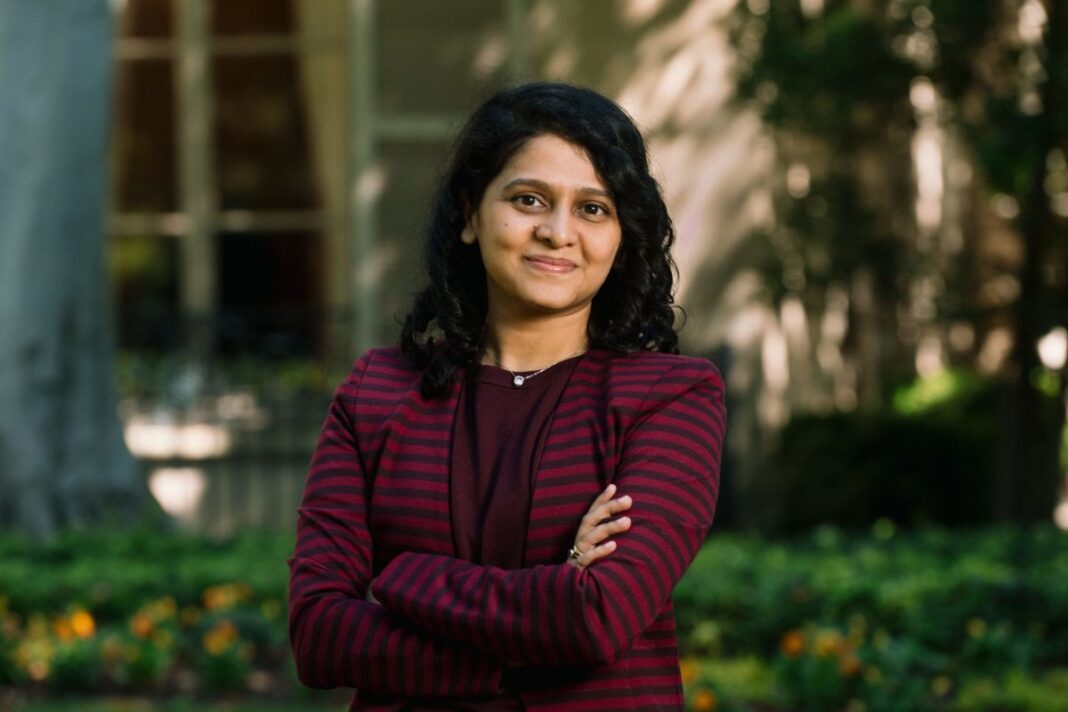

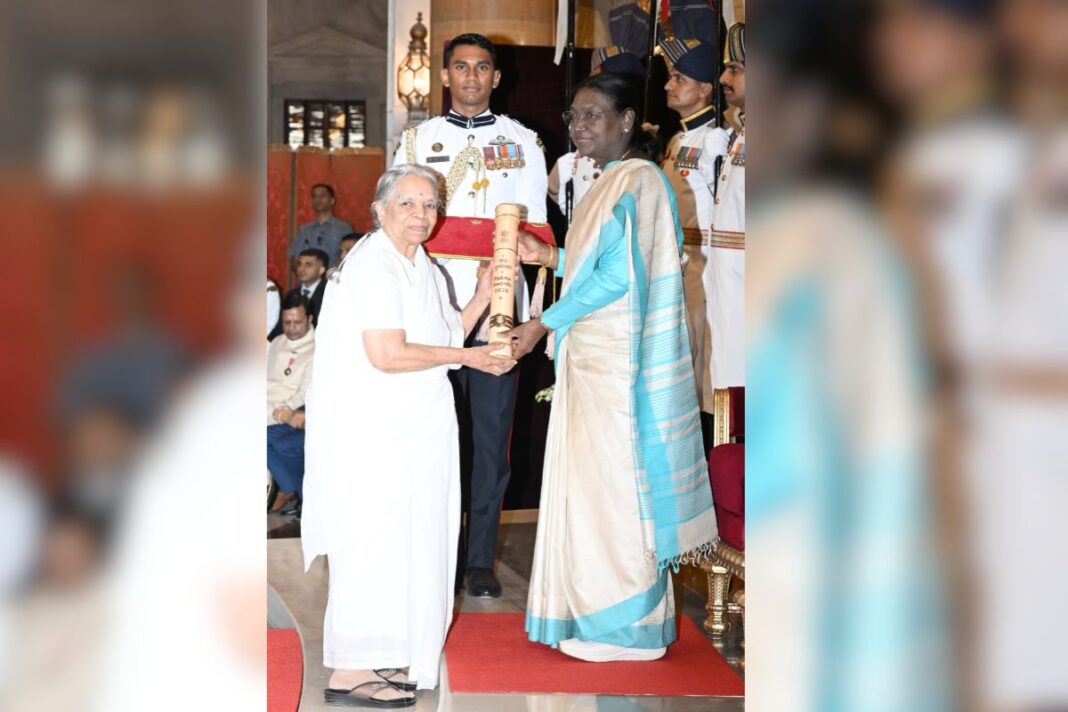

In 1975, a young woman in Bengaluru had fifteen rupees, three abandoned children, and a single rented room. Five decades later, that same woman stood before the President of India to receive the Padma Shri. Between those two moments lies one of the most remarkable stories of quiet, sustained service that Karnataka has produced.
Dr. S. G. Susheelamma did not set out to build an institution. She set out to keep a promise to herself, made in childhood, that she would never look away from someone who needed help. What grew from that promise, an organisation called Sumangali Seva Ashrama, has since touched the lives of tens of thousands of people across the state.
A promise that outlasted every obstacle
Born on 24 May 1939, Susheelamma grew up in an ordinary Bengaluru household and attended government schools, where she saw firsthand how easily poverty could swallow a family whole. That early exposure planted something stubborn in her. Even after she found stable employment, the pull toward social work never left her, and eventually she gave up the security of a paycheck to answer it directly.
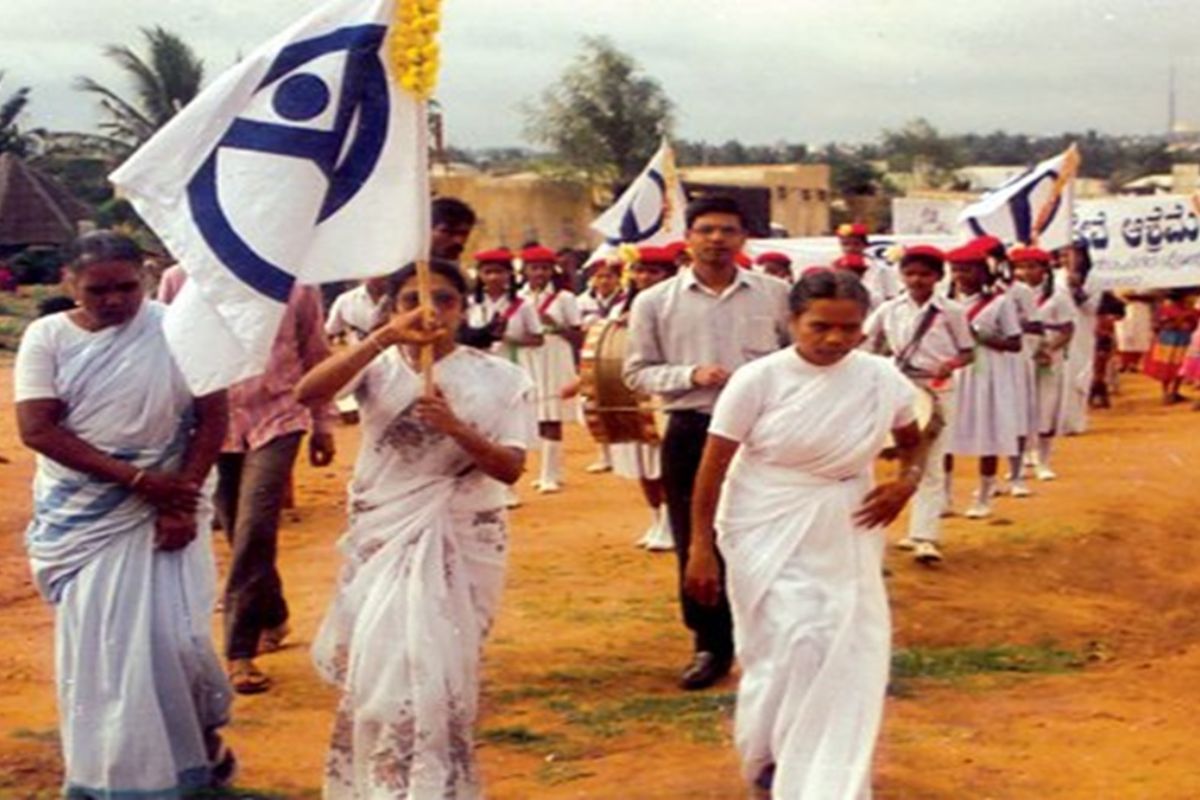
In 1975, she co-founded Sumangali Seva Ashrama with almost nothing except her own conviction. The three children she took in that year had nowhere else to go. She had no donors, no government grant, and no institutional backing. What she had was a set of principles borrowed from Gandhi, namely simplicity, non-violence, the dignity of labour, and honesty in action, and she applied them without compromise from day one.
From one room to a movement
The Ashrama today occupies roughly an acre of land in Bengaluru and is recognised at both state and national levels for its integrated welfare model. It currently shelters around one hundred children and fifty destitute women, while its outreach programmes stretch into slums and rural pockets across the state.
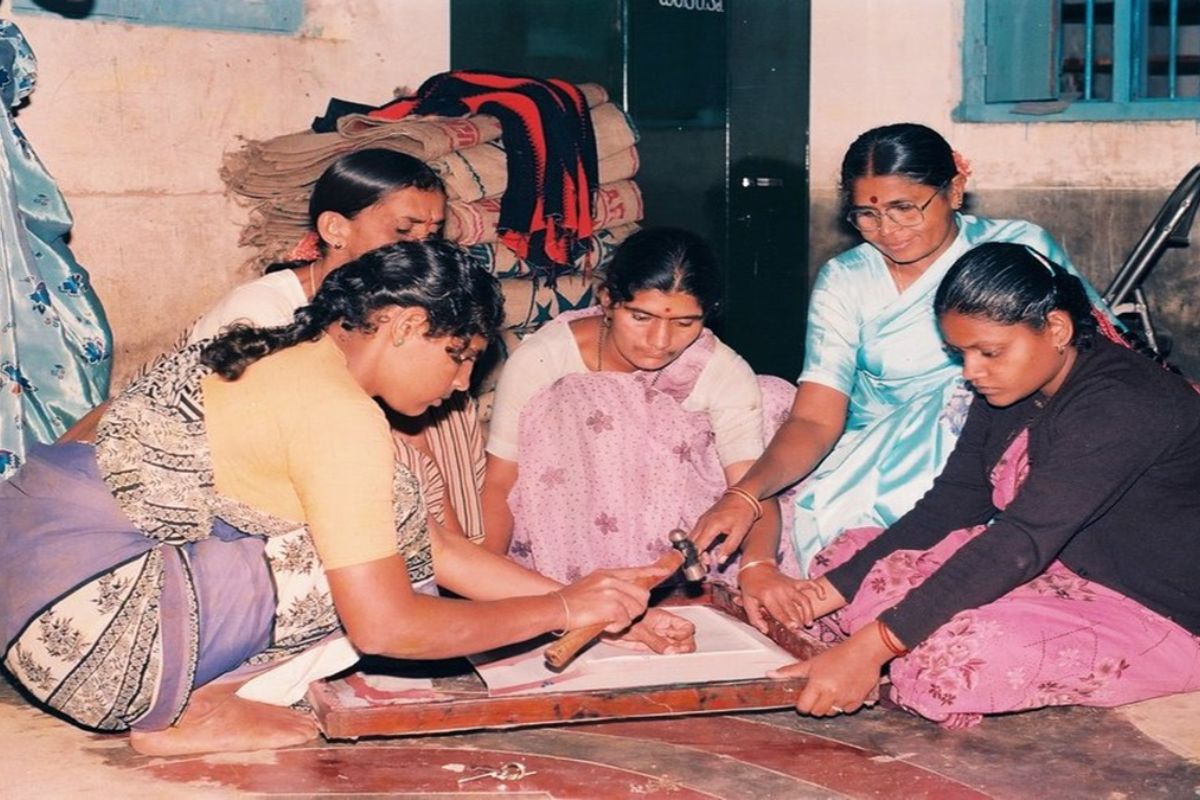
The range of its work is wide, yet everything connects back to a single idea: that dignity cannot be handed out piecemeal. The organisation runs residential hostels, anganwadis, and schools that offer free or low-cost education to children from economically weaker families. Alongside the classrooms sit adult literacy drives, vocational training centres, and skill programmes aimed at helping women, young people, and tribal communities find real, lasting livelihoods.
Teaching a trade, changing a household
For Susheelamma, schooling was never only about passing exams. It was a route toward independence. Under her guidance, the Ashrama has trained women in tailoring, handicrafts, and even driving auto rickshaws. This programme has put 30 women behind the wheel, each now earning close to 1,000 rupees a day. One of those original trainees has since become a trainer herself, passing the skill forward to the next batch of women.
These are not simply economic wins. When a woman starts bringing in her own income, the balance of power inside her household begins to shift, and that change tends to ripple outward into how her children are raised.
The quiet work of mending families
Fewer people know that Sumangali Seva Ashrama also runs counselling and dispute resolution services, tucked away from the more visible work of shelter and schooling. Through legal aid clinics, mediation sessions, and psychological counselling, the organisation has helped families work through conflict rather than collapse under it.
Susheelamma’s approach rests on a simple observation: that hardship rarely arrives from a single direction. Money troubles, poor education, and emotional strain tend to feed one another, and lasting change requires attention to all three at once. Her counselling programmes have, in many cases, kept families together and prevented children from being abandoned or exposed to violence at home.
Forty lakh saplings and counting
Susheelamma’s sense of responsibility did not stop at human relationships. She has also led the Vrikshamahadasoha movement, a tree-planting campaign that has now planted more than 40 lakh saplings across Karnataka.
The scale of the effort is only part of the story. What matters just as much is how it was done, by pulling in local communities, students, and self-help groups rather than relying on hired labour. In tribal areas near Magadi and in crowded urban slums alike, residents report cooler surroundings, healthier soil, and a stronger sense of ownership over the land they share.
A national honour, shared by many
The Government of India named Dr. S. G. Susheelamma a Padma Shri recipient in the field of Social Work in 2026, recognising nearly fifty years of unbroken grassroots effort. To the countless people who have passed through her care, she is “Amma,” a title earned rather than given.
When asked about the award, she was quick to redirect the credit. She called it a moment of shared joy for the staff, the residents, and the wider circle of well-wishers who have stood behind the Ashrama over the decades. It was a fitting response from a woman who has spent her entire career insisting that real change is never the work of one person alone.
Why her model still matters
What sets Susheelamma apart is not any single programme but the patience behind all of them. She never had large grants or a head start. She built trust the slow way, one family and one child at a time, letting the organisation grow only as fast as the community’s confidence in it grew.
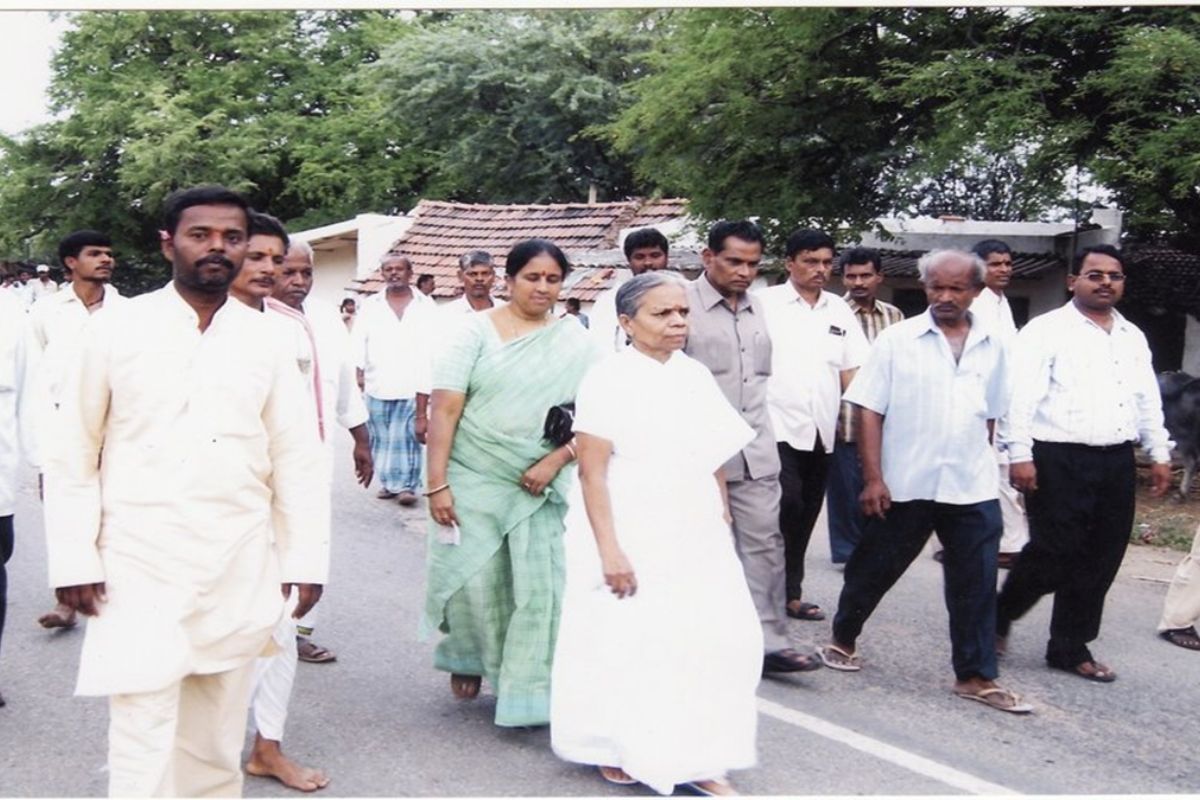
Her method, tying together education, counselling, livelihood training, and environmental work, shows how grassroots efforts can break generational cycles of poverty when given enough time to work. The journey from fifteen rupees and three children to a Padma Shri is more than an organisational success story. It stands as proof that steady, unglamorous work at the local level can eventually reshape the lives of an entire region.
Reaching the children a map would miss
Nowhere is this integrated approach more visible than in the slums surrounding Bengaluru, where Sumangali Seva Ashrama has spent years turning basic school access into something closer to a full support system. Rather than waiting for children to find their way to a central campus, the organisation has pushed its programmes directly into the neighbourhoods where families already live.
Its anganwadis and early learning spaces provide nutrition and basic instruction to young children in areas with few other resources, helping close the gap between slum families and formal education. Children who arrive at the Ashrama are treated as students capable of catching up, whether that means finishing school, entering vocational training, or continuing to higher studies.
In this model, education is never separated from health or income. Medical camps, hygiene awareness, and community well-being programmes run alongside adult literacy and skill-building for parents, so families begin to see schooling as something that pays off. Legal aid and counselling services, meanwhile, quietly protect that progress by helping households resolve conflicts before they force a child out of the classroom.
The result, though rarely loud about itself, is measurable. Fewer children slip permanently out of the education system. More become the first in their families to graduate or acquire a real trade. Moreover, across Bengaluru’s most overlooked corners, a model built on patience rather than publicity continues, year after year, to chip away at inequality that has persisted for generations.
Also Read: Inside Hampi’s Monumental Ruins, Where the Glorious Legacy of the Vijayanagara Empire Still Lives On
You can connect with DNN24 on Facebook, Twitter, and Instagram and subscribe to our YouTube channel.