
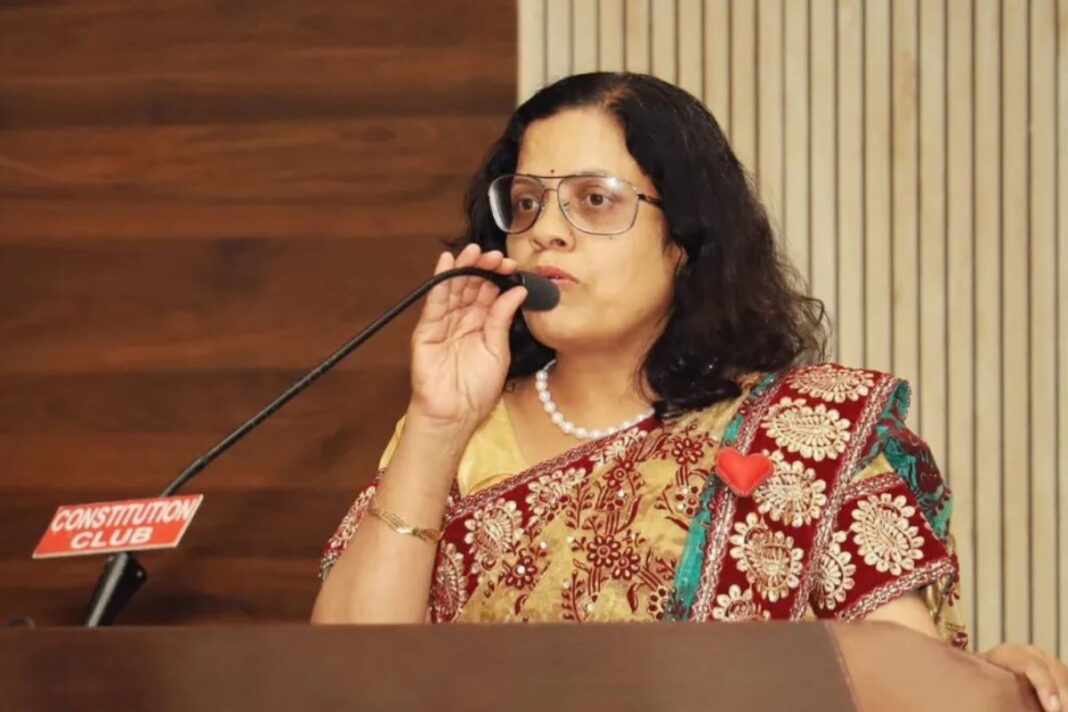

A village woman fought drugs and cut abuse by 80 percent, and the story begins not with a protest march but with a homemaker in Himachal Pradesh who decided she had heard enough whispered fears from mothers to stay silent. That woman is Lata Devi of Baloh, a small panchayat in Hamirpur district, and what she built has become one of the more remarkable grassroots interventions against substance abuse anywhere in the state.
A Quiet Crisis Behind the Hills
Himachal Pradesh carries a reputation for calm. Its literacy rates are high, its landscapes are gentle, and its pace of life seems unhurried. Yet beneath that surface, researchers have documented a steady rise in drug use among young people, driven by peer pressure, joblessness, easy access to substances, and a general lack of awareness about what addiction costs a family.
In Baloh and the villages around it, this crisis arrived quietly, the way most crises do. Boys were said to be experimenting with chitta, a synthetic drug that spreads fast once it takes hold. Children stopped showing up to school. Arguments grew sharper inside homes. And mothers, more than anyone else, began to sense that something precious was slipping through their fingers.
From Kitchen to Panchayat Office
Lata Devi did not set out to be a politician. By her own telling, she spent most of her life as a homemaker, doing small acts of community work, particularly for women, in a family that carried a tradition of public service reaching back to freedom fighters. Contesting a panchayat by-election was an entirely new kind of risk.
When the votes were counted, she had won by a wide margin, taking roughly 70% of the vote. Almost immediately, women and parents began arriving at her door with the same worry. Their children, they said, were drifting toward drugs and drink. For Lata, this stopped being a distant social problem the moment she took office. It became a personal obligation.
Listening Before Acting
Rather than announce a campaign right away, Lata spent her early months listening. She sat in on village meetings, spoke privately with mothers, and asked teachers what they were seeing in classrooms. What she heard was consistent. Grades were slipping, tempers grew short, money went missing from household drawers, and teenagers were keeping new company that worried their parents.
She came to understand this was not purely a matter for the police. It was also an emotional and social unravelling, one that mirrored what researchers across Himachal had already found: that young people without direction or belonging often reach for drugs as an escape or a dare. Solving it would require the whole village, not just a badge and a warning.
Bringing Everyone to the Same Table
Lata’s central idea was simple enough to state in a sentence. Every institution touching a young person’s life, the school, the family, the local government, and the police, needed to speak with one voice instead of working apart from each other.
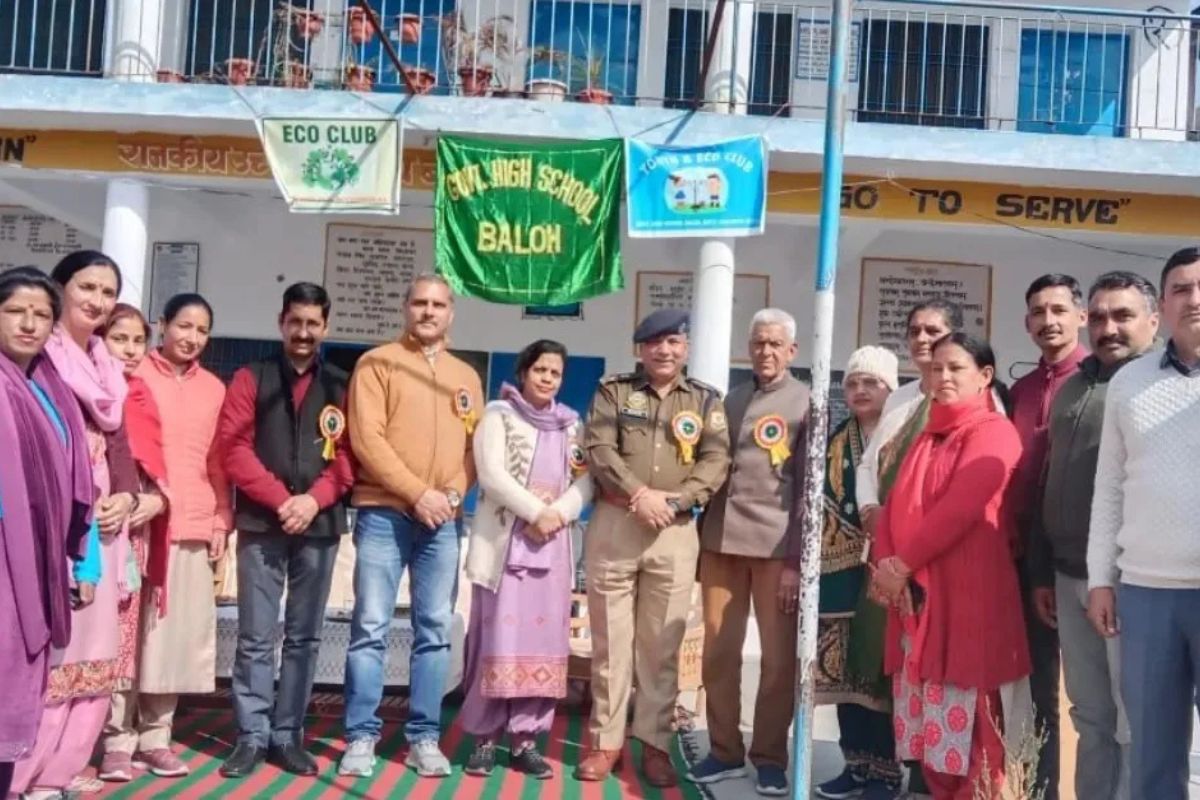
She built a working relationship with the Hamirpur district police, including senior officers such as IPS officer Bhagat Singh Thakur, who agreed to visit the village and address youth and parents directly. She partnered with local schools to open conversations about addiction that had previously stayed behind closed doors. She rallied mothers’ groups who had long felt the danger but never had a structured way to respond together.
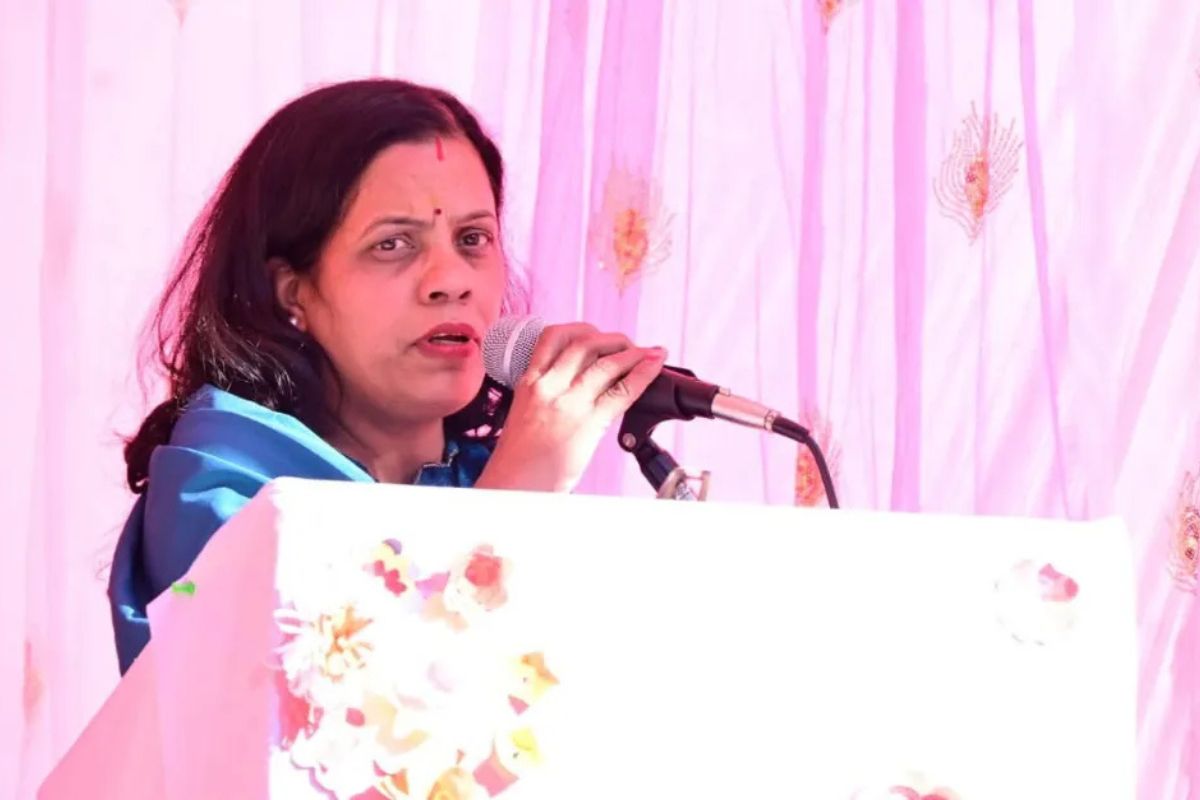
None of this was a single event. From the start, Lata pushed for repetition, for messages said again and again until they became part of ordinary village conversation rather than a lecture nobody remembered a week later.
Street Plays in the School Courtyard
One image captures the spirit of this movement better than any statistic. In the courtyards of schools across Baloh and its neighbouring villages, teenagers have gathered again and again to perform nukkad natak, short street plays, holding hand-painted banners warning their peers away from drugs.
Lata understood early on that the message would land more heavily when coming from students themselves rather than from adults lecturing from a stage. Schools began organising plays and rallies dramatising what addiction costs: broken families, lost schooling, ruined health. Police officers were invited to speak candidly about real cases rather than abstract law. Regular sessions folded drug awareness into broader talks about careers and mental resilience.
Through it all, Lata tended to stay near the back of the crowd, letting the young people carry the moment. Her leadership, in these settings, looked more like quiet permission than command.
Mothers as the Movement’s Backbone
The women of Baloh were never simply bystanders. Many had already watched sons or nephews drift away from school and toward substances, feeling powerless to stop it. Under Lata’s leadership, that helplessness turned into structure. Women’s groups began sharing information about suspected trouble spots, creating something close to an early warning network across the villages. They reached out to families whose children seemed at risk, offering comfort rather than blame, and stood beside Lata whenever she pressed the police to act or pushed back against entrenched interests.
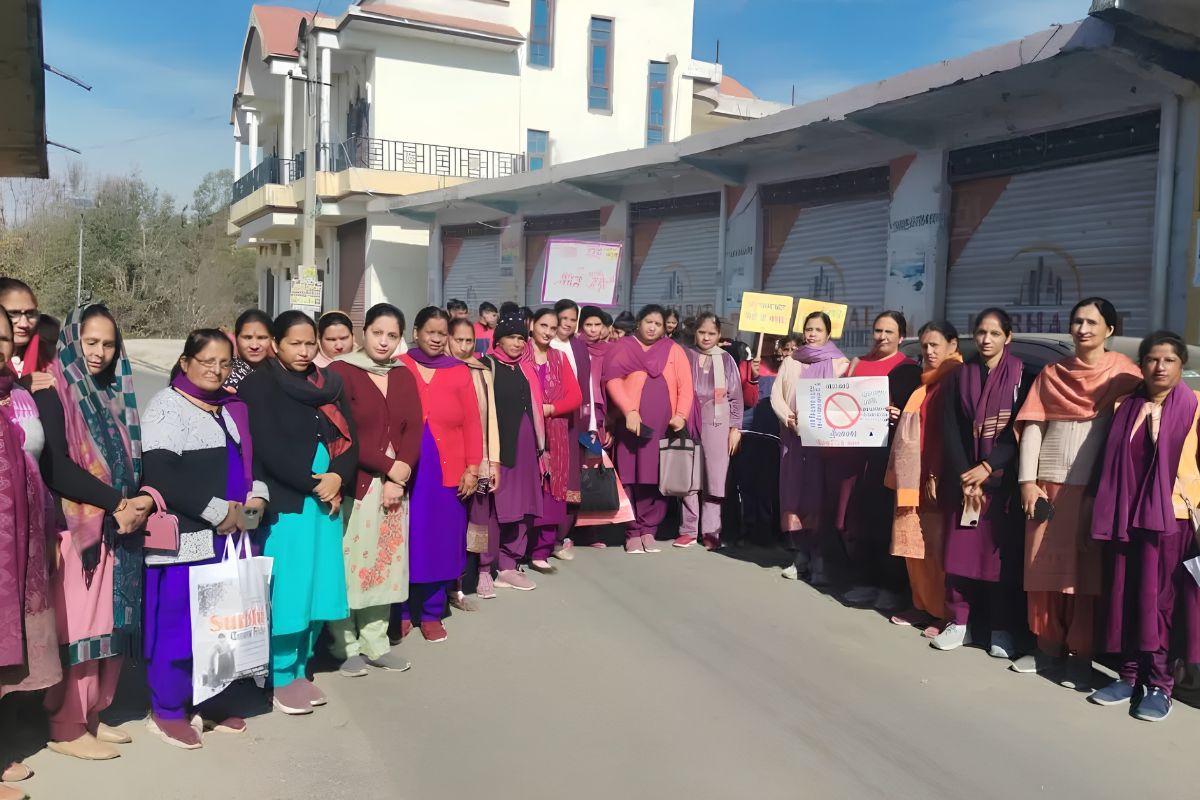
There was real resistance along the way. Lata has spoken openly about scepticism from parts of the community and pushback from people who benefited from the old arrangement. What tipped the balance was the sheer moral weight of mothers acting together, led by a sarpanch who would not back down.
Catching Problems Early
A defining feature of Lata’s approach was its refusal to wait. Rather than intervening only after a child had fallen deep into addiction, teachers and parents were encouraged to flag warning signs, missed classes, sudden withdrawal, and mood changes as soon as they appeared. Alongside this came something more positive. Sports, cultural events, and youth activities gave teenagers something to do besides drift. Skill programs tied to broader local development goals gave them something to aim for. And young people were given space to talk about pressure and temptation without being branded troublemakers.
What the Numbers Show
Over time, the results became difficult to ignore. According to reports on her work, along with accounts shared on national platforms, the combined effort of the panchayat, schools, police, and parents produced a nearly 80% drop in drug-abuse indicators across five villages under her panchayat’s reach.
The effect spread through the wider cluster of villages that looked to her leadership. Fewer children were reported to be using substances. School attendance steadied. In many homes, the mood shifted from quiet dread to something closer to hope.
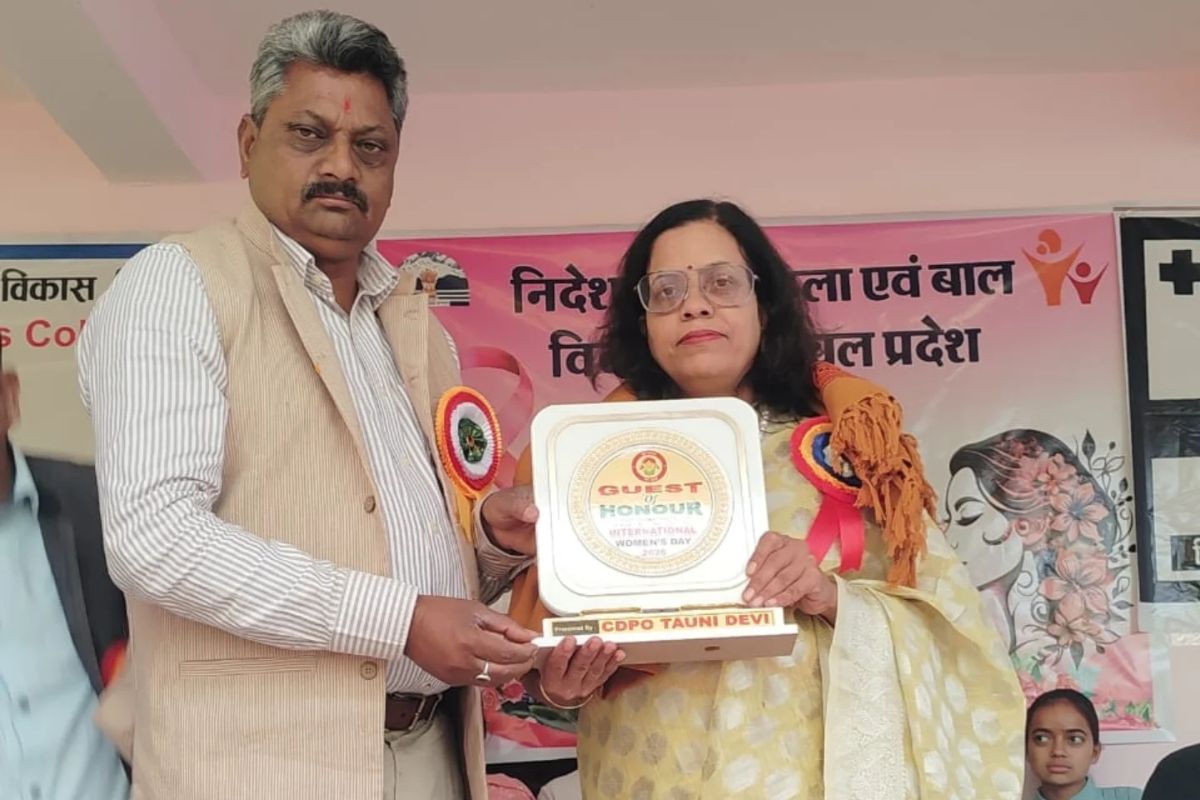
Recognition followed. National platforms covering grassroots changemakers profiled her work, and she was invited as a special guest to the 2026 Republic Day celebrations at Kartavya Path in New Delhi, an honour extended by the Government of India to mark exceptional leadership at the village level. For a woman who once thought of herself only as a homemaker, standing at the nation’s ceremonial heart was both deeply personal and quietly symbolic.
A Model Worth Copying
What makes Lata Devi’s story useful beyond Baloh is that it does not depend on large grants or outside programs. It rests on four ideas that any community could adapt. Treat drug abuse as everyone’s concern, not just a matter for police. Build alliances among schools, law enforcement, panchayats, and women’s groups rather than letting them work in isolation. Replace occasional awareness drives with steady, repeated conversation woven into daily village life. And step in early, with support rather than judgment, long before a young life is permanently altered.
These principles echo what researchers studying Himachal’s drug problem have recommended for years: awareness, engagement, counselling, and genuine community participation matter more than any single crackdown. Lata’s achievement lies in turning those recommendations into something lived and real.
Reclaiming What Was Slipping Away
Today, when a street play unfolds in a Baloh school courtyard, and students raise their voices together, Lata Devi often stands near the edge of the crowd, watching without needing applause. The real reward shows up in ordinary conversations, in teenagers who now talk about exams and sports instead of quick highs and easy escapes.
Her story is a reminder that campaigns against drugs are rarely won in conference halls. They are won in courtyard performances, in mothers’ meetings, in panchayat offices, and in the stubborn choices of local leaders who refuse to look away. What began as one woman’s private worry has grown into something larger, a movement helping an entire generation reclaim its future across five villages in Himachal Pradesh.
Also Read: Nolan’s The Odyssey Pushes Cinematography to New Limits
You can connect with DNN24 on Facebook, Twitter, and Instagram and subscribe to our YouTube channel.