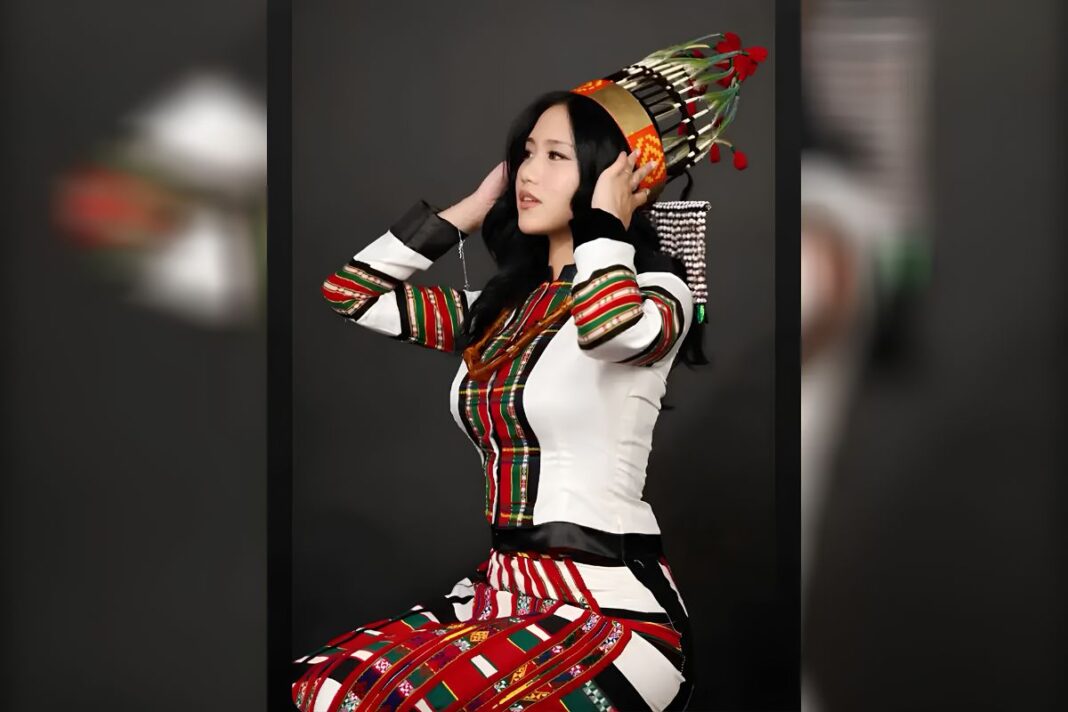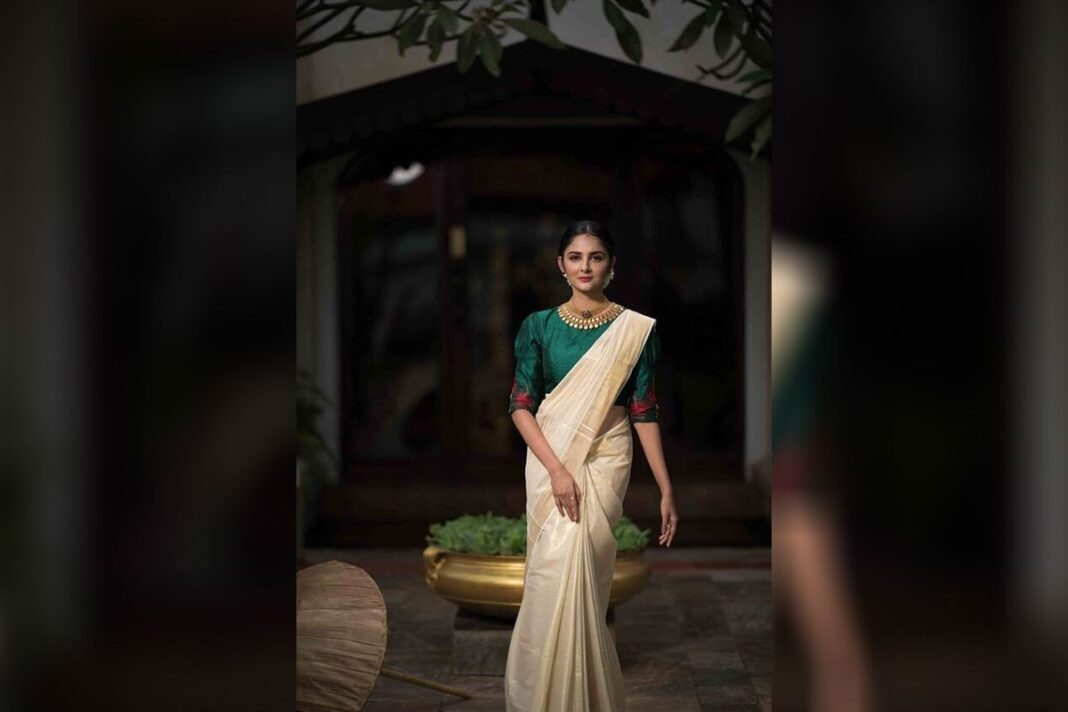

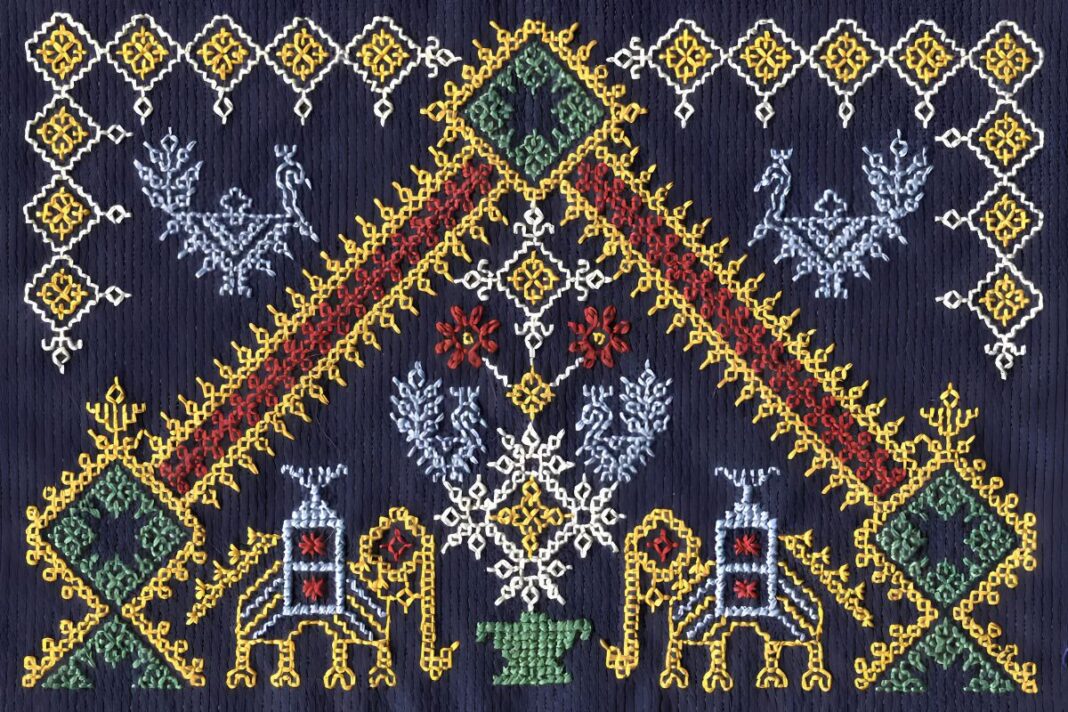

Nestled between the Western Ghats and the Deccan Plateau, Karnataka’s Dharwad district is known for its rich cultural traditions. Among its most remarkable artistic legacies is Dharwad Kasuti embroidery, an intricate form of hand embroidery closely associated with the cultural world of the Chalukya period.
More than decorative needlework, Kasuti is a visual record of Karnataka’s architecture, religious traditions, natural surroundings and everyday life. For generations, women have passed the craft from one generation to another, preserving stories and symbols through carefully counted stitches.
A Craft Rooted in the Chalukya Era
The Chalukya dynasties, which ruled different parts of the Deccan between roughly the sixth and twelfth centuries, were important patrons of art, architecture and culture. Magnificent temples and monuments flourished under their rule, and Karnataka developed a distinctive artistic vocabulary.
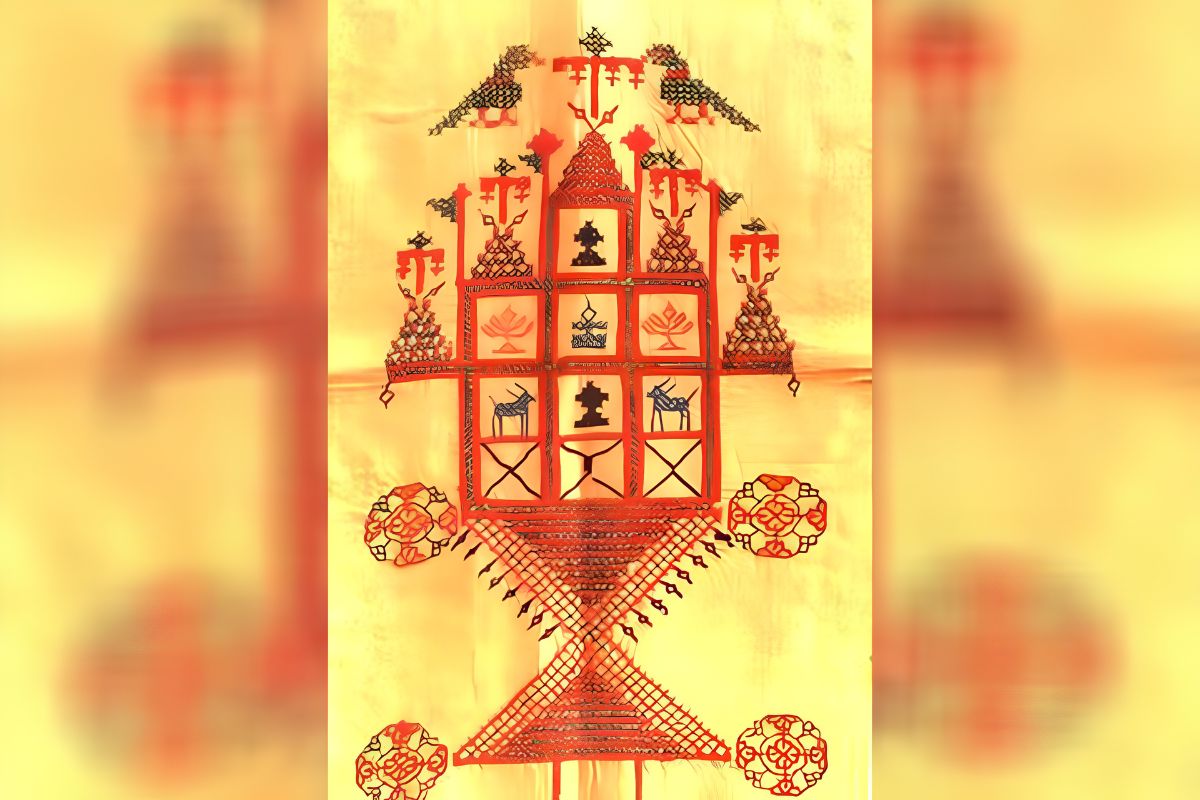
Kasuti is traditionally linked to this cultural environment. Its patterns reveal the influence of temple architecture and religious life. Temple gopurams, chariots, sacred tulsi plants, lotus flowers and stepped temple tanks are among the motifs that found their way from Karnataka’s physical landscape onto fabric.
Although literary references to the tradition date to later centuries, the craft is believed to have much older roots.
What Makes Kasuti Special?
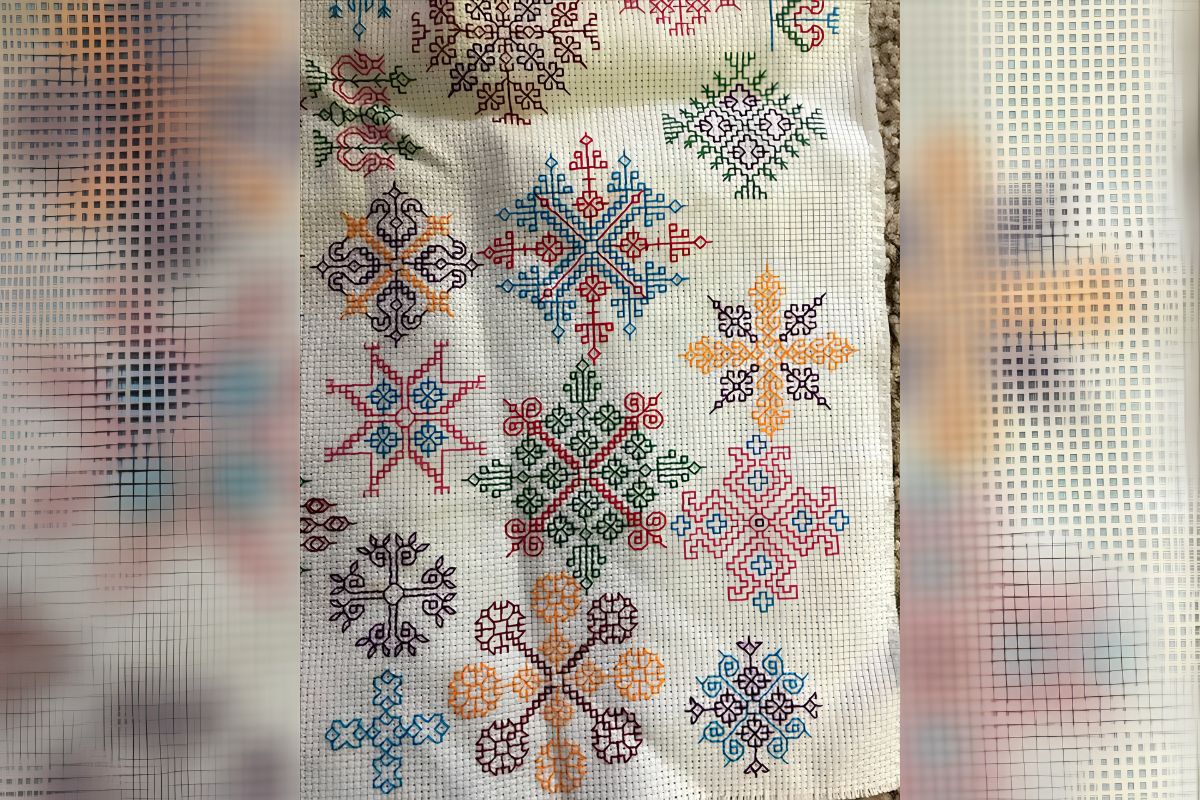
The beauty of Kasuti lies in its precision. Unlike embroidery that relies mainly on freely drawn outlines, traditional Kasuti is based on carefully counting the fabric’s threads. The embroiderer works with the weave, gradually constructing highly symmetrical, geometric patterns.
Traditionally, Kasuti decorated Ilkal sarees and blouses. Bright threads were often selected to contrast with the fabric, making the detailed patterns stand out.
Peacocks, elephants, lotus creepers, palanquins, temples, birds and floral forms are frequently represented. Hundreds of traditional patterns have developed over generations, with more than 700 designs associated with the craft.
Another distinctive feature is the use of four principal stitching techniques: Gavanti, Murgi, Negi and Menthi. Each produces a different visual effect and allows artisans to create everything from geometric formations to elaborate representations of architecture and nature.
The Meaning Behind the Name
The word “Kasuti” is commonly understood as connected with handwork using thread, reflecting the craft’s entirely handmade character.
Historically, embroidery was also closely connected with women’s domestic and social lives. Women decorated garments for themselves and their families, while young girls traditionally learned the skill as part of their upbringing.
Preparing embroidered sarees and blouses before marriage became an important custom in some communities. Skill in Kasuti was not merely practical; it represented patience, creativity and accomplishment.
Designs Inspired by Everyday Karnataka
Kasuti artisans did not need to look far for inspiration. Their surroundings became their design book.
Religious and architectural motifs included temple towers, chariots, palanquins, tulsi plants and lotuses. Nature appeared through peacocks, elephants, birds, flowers and creepers. Objects associated with domestic and social life, including cradles, ornaments and ceremonial objects, also became part of its visual vocabulary.
This gave Kasuti a deeply local identity. Each piece could reflect the world in which its maker lived.
Chandrakali Saree and Tradition
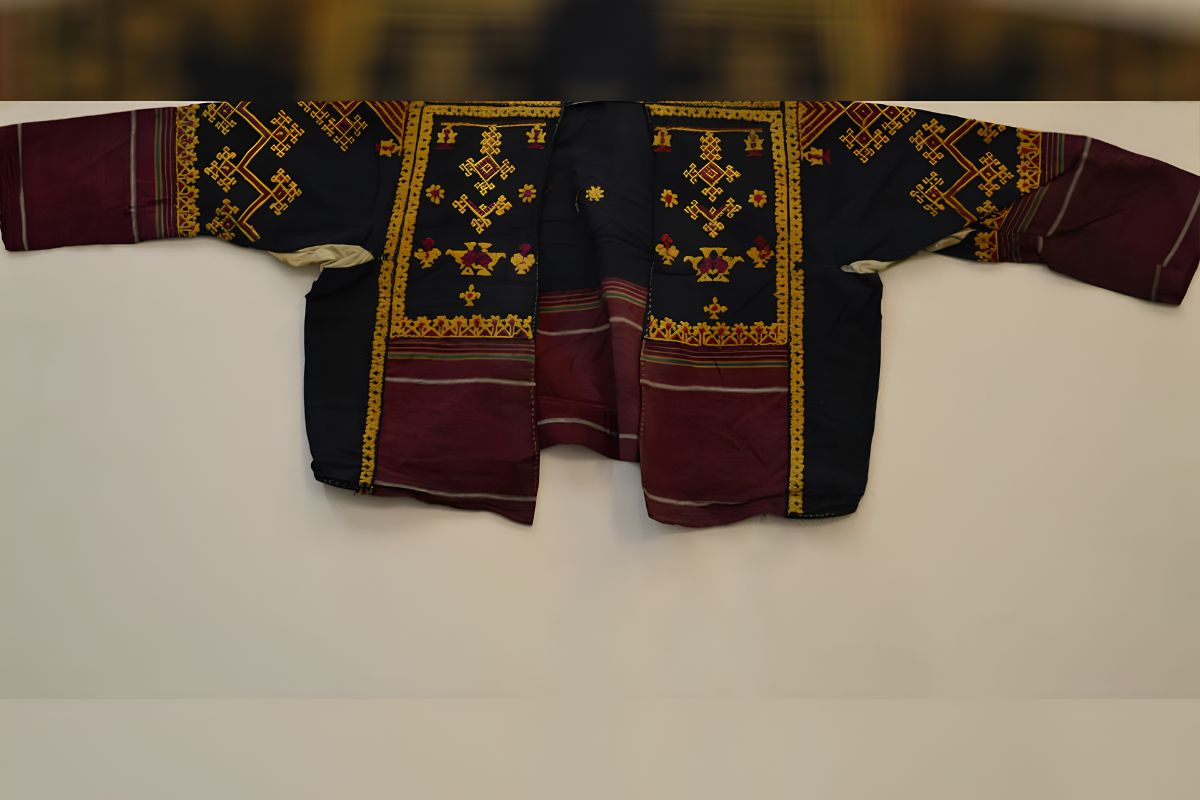
One particularly interesting tradition is associated with the Chandrakali saree, a dark or black saree traditionally worn by married women in parts of Karnataka.
Kasuti embroidery embellished these sarees, with techniques such as Murgi and Negi creating intricate patterns against the dark background. The contrast transformed an everyday textile into something culturally distinctive and visually striking.
From Traditional Sarees to Contemporary Fashion
Kasuti has travelled far beyond its traditional place on cotton sarees and blouses. Today, artisans and designers use the embroidery on silk, georgette and chiffon, as well as salwar suits, dress materials, bags, accessories and home décor.
Its applications have changed with fashion and consumer tastes, but its most important characteristic remains the same: the painstaking work of the human hand.
That adaptability has helped an old embroidery tradition remain relevant without completely surrendering its identity to modern production.
Kasuti is therefore much more than an ornamental technique. Every counted stitch connects contemporary Karnataka with generations of women who transformed ordinary thread into extraordinary patterns.
From temple towers and sacred lotuses to birds, elephants and scenes inspired by everyday life, its motifs preserve fragments of Karnataka’s cultural memory. Dharwad Kasuti is history stitched onto cloth—a centuries-old language of craftsmanship that continues to speak through the hands of its artisans.
Read: Why Urdu Poets Never Stopped Singing To Krishna
You can connect with DNN24 on Facebook, Twitter, and Instagram and subscribe to our YouTube channel.