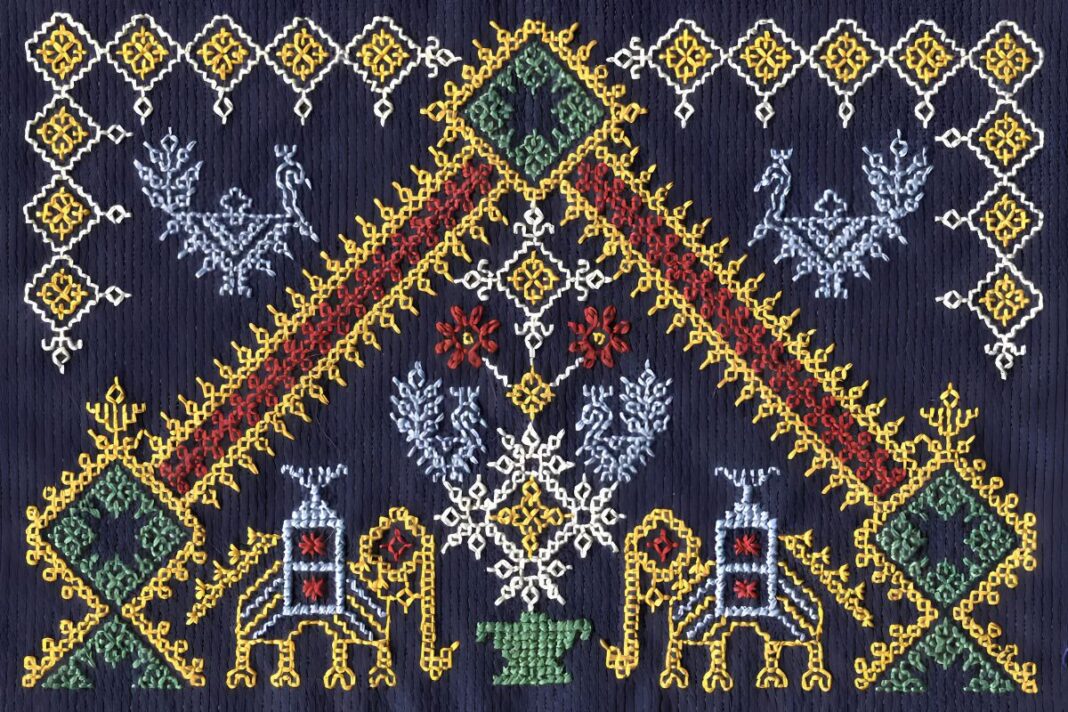

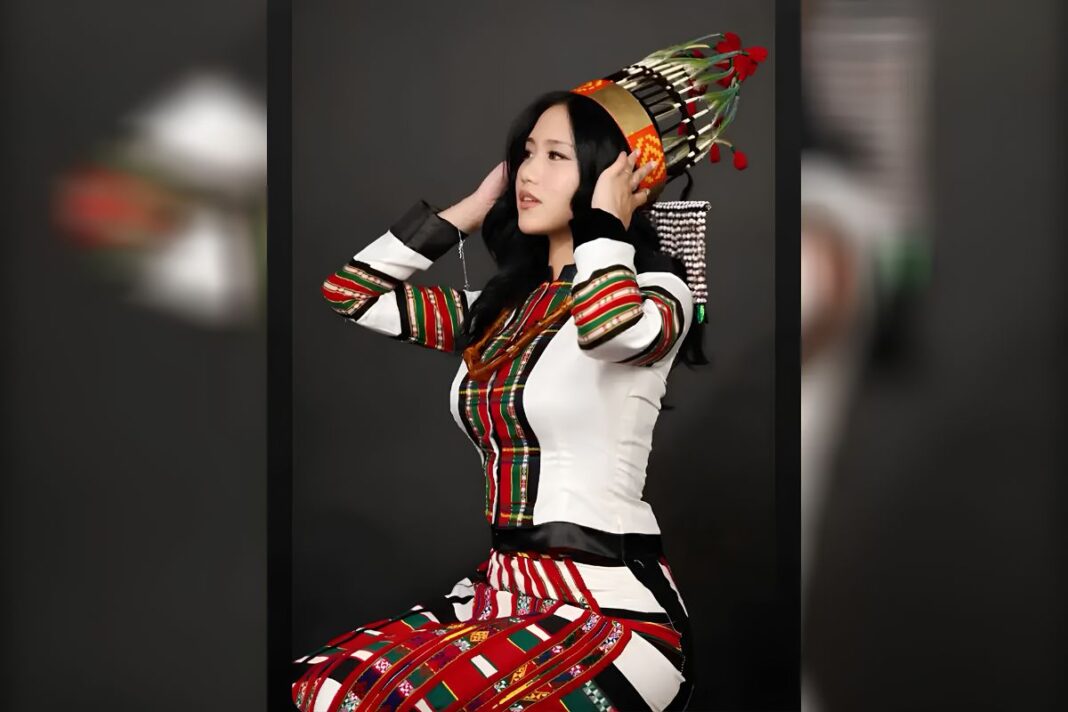

In the lush hills of Northeast India, Tripura is home to 19 distinct tribal communities, each carrying its own traditions, stories and artistic expressions. At the heart of this cultural landscape is the age-old practice of handloom weaving. For generations, women have created intricate textiles on the traditional loin loom, turning threads into patterns that preserve memories of rivers, mountains, festivals and ancestors.
Among Tripura’s most distinctive woven traditions is the Risa, a textile that has grown far beyond its role as traditional attire. With its Geographical Indication recognition, Risa has emerged as an important symbol of Tripura’s cultural identity. It represents dignity, heritage and the skill of generations of indigenous women who have kept the craft alive.
Risa, Rignai and Rikutu: Three Parts of Traditional Attire
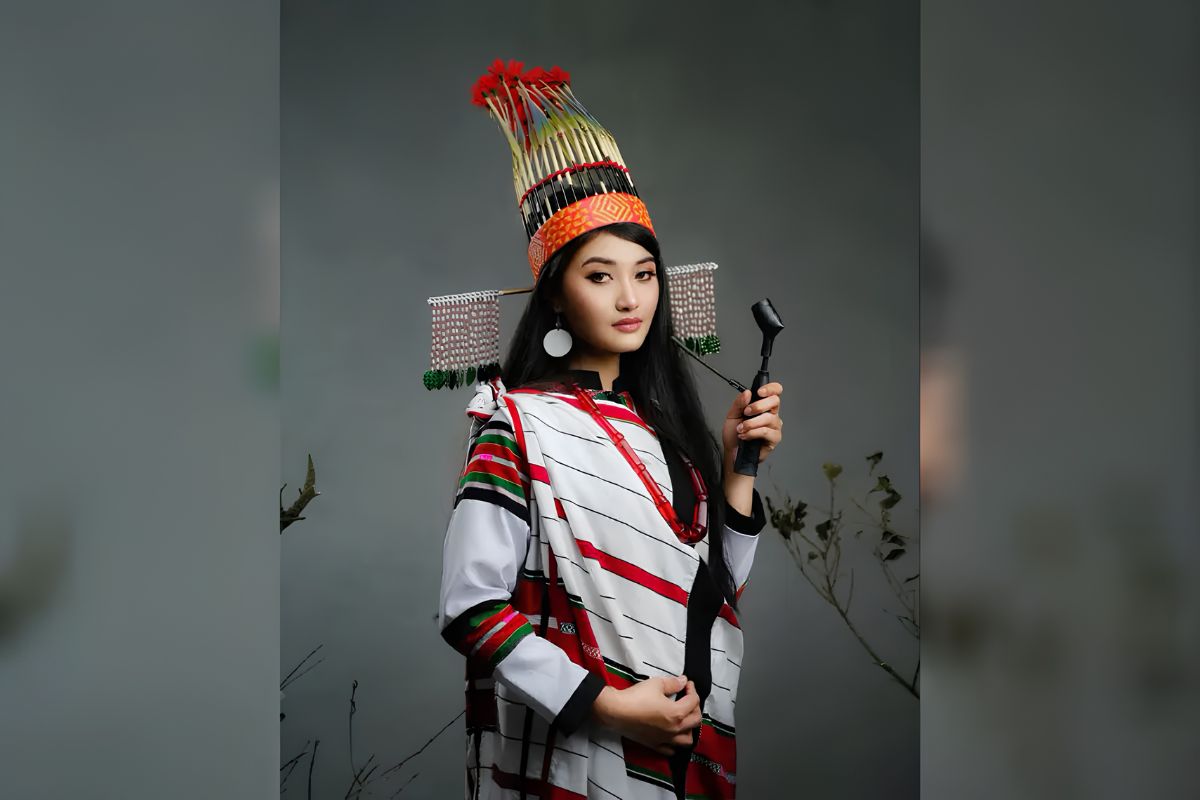
Traditional Tripuri attire is closely associated with three important pieces: Risa, Rignai and Rikutu.
Risa is a short woven cloth worn around the upper body. Often decorated with intricate patterns, it also carries deep cultural significance. Offering a Risa to a guest is regarded as a gesture of respect and honour.
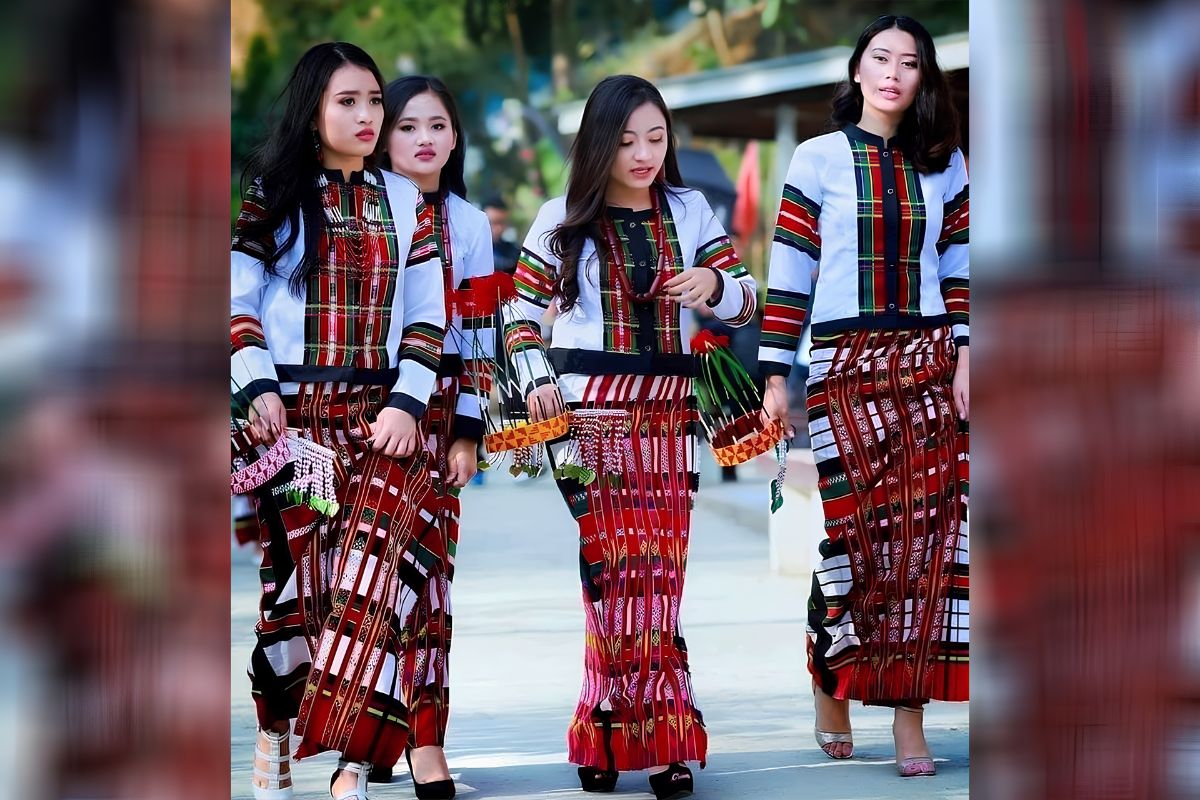
Rignai is worn around the lower body and resembles a traditional wrap or skirt. Different communities use distinctive colours and patterns, giving the garment a strong regional character.
Rikutu is draped over the shoulders and functions much like a traditional shawl or upper wrap.
Risa also has an important place in the lives of young tribal women. In several communities, girls around ages 12 to 14 receive their first Risa during the Risa Sormani ceremony. The occasion marks an important transition in a girl’s life and reflects the cultural significance attached to the textile.
Chakma Weaving: Geometry Woven Into Memory
Tripura’s weaving traditions extend well beyond Risa. Among the Chakma community, women traditionally weave garments such as the Pinon, worn around the lower body, and the Hadi, worn on the upper body.
These textiles often feature striking shades of black, blue and deep red. Their geometric panels create distinctive visual patterns, with motifs known as Khwbung. These designs are closely connected to the community’s cultural memory and are inspired by elements of nature, including rivers and mountains.
The result is a form of textile art where geometry becomes a language for preserving heritage.
Why Risa Is Making Headlines
The Tripura government has been working to position Risa as the state’s signature garment and promote it beyond traditional settings.
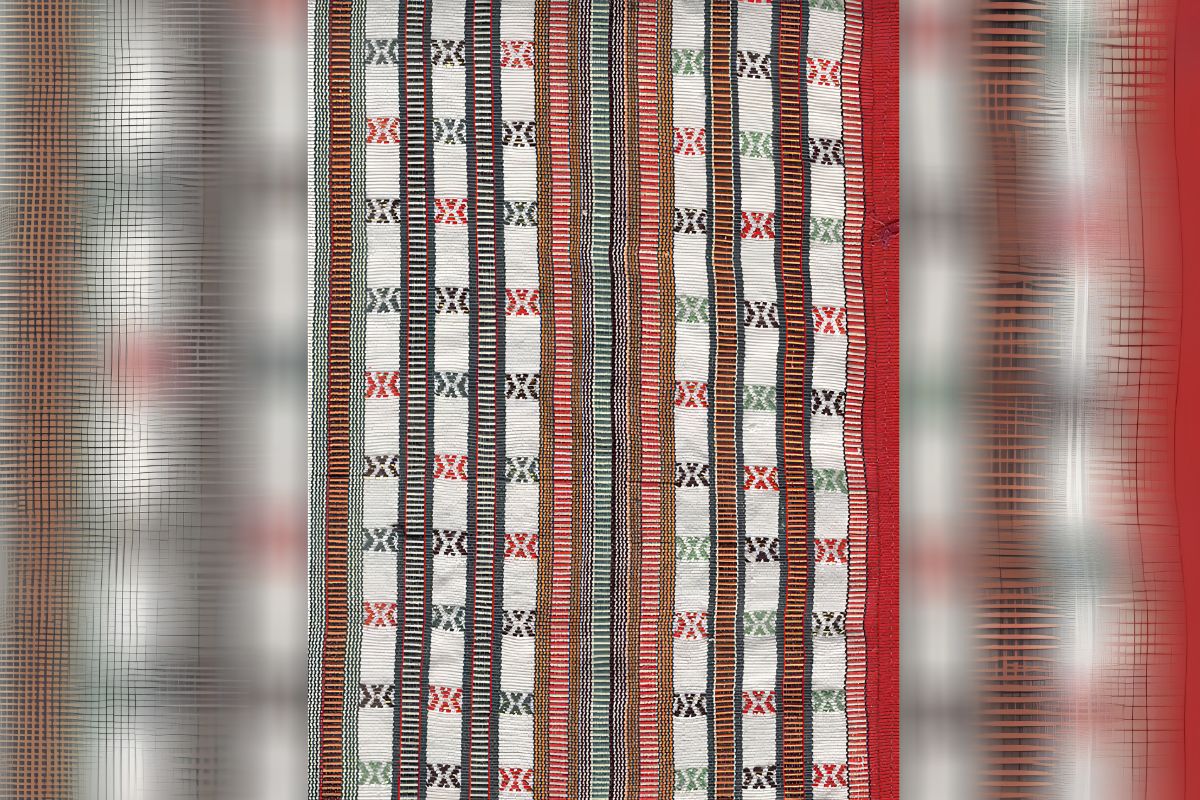
As part of these efforts, Risa uniforms have been introduced for Anganwadi and ASHA workers. Training programmes for Risa weaving have also been initiated through the Tripura Handloom and Handicrafts Development Corporation, helping create opportunities for artisans while preserving traditional weaving skills.
Risa is also being promoted under the India Handloom Brand. These efforts connect Tripura’s traditional craft with the wider movement to encourage locally produced handloom products and strengthen artisans’ livelihoods.
A Textile Woven Into Rituals and Festivals
Risa is woven across Tripura’s tribal communities, although patterns, colours and weaving styles differ from one community to another. Its importance extends beyond everyday clothing.
Men may also wear Risa as a head covering during weddings and festivals. The textile also plays a role in religious and cultural ceremonies.
During Garia Puja, celebrated at the end of the month of Chaitra, Risa becomes part of traditional rituals. The festival is associated with the agricultural cycle and is observed particularly among communities such as the Tripuri and Reang. Traditional Garia dances and other cultural practices form part of the celebrations.
From Nature to Loom, A Tradition Passed Through Generations
Tripura’s handloom traditions offer a powerful example of how communities can remain connected to nature while preserving their cultural heritage.
Traditional colours used in weaving have included natural materials such as turmeric, indigo, ochre and tree bark. These colours give the textiles a distinctive character while reflecting the close relationship between the craft and the region’s natural surroundings.
Every thread therefore carries more than artistic value. It represents knowledge passed from one generation to another, often through mothers, daughters and other women within the community.
Why Risa Matters
Risa is much more than a piece of woven fabric. It carries the labour of women who have spent generations mastering the loom. It marks an important stage in the life of a young tribal girl. It can be offered as a sign of respect to a guest and worn during festivals and ceremonies.
Today, its growing recognition has given the textile a larger platform beyond Tripura.
To understand Risa is to understand a part of Tripura’s history, identity and cultural memory. Every pattern reflects a community, every colour carries tradition, and every woven thread connects the present with generations that came before.
Risa is, in many ways, a living canvas of Tripura. Its future depends on keeping the craft visible, supporting its artisans and ensuring that the knowledge behind every weave continues to reach the next generation.
Read: Maheshwari Sarees: The Royal Weave of Maheshwar
You can connect with DNN24 on Facebook, Twitter, and Instagram and subscribe to our YouTube channel.