


In the vast tapestry of human evolution, our quest for survival has left indelible marks on the landscape of history. From primal instincts to intellectual heights, the journey has been a fascinating one. One such testament to this odyssey lies in the oldest villages of Kashmir, particularly the Gufkral caves in Banmir, approximately ten kilometers north-east of Srinagar.
History: Gufkral Caves
Gufkral, a term derived from the Kashmiri words ‘Gupt’ (cave) and ‘Karal’ (fog), presents a captivating glimpse into a bygone era. These caves, estimated to be around three thousand years old, stand as silent witnesses to the ebb and flow of human existence in the Kashmir Valley.
The Potter’s Connection
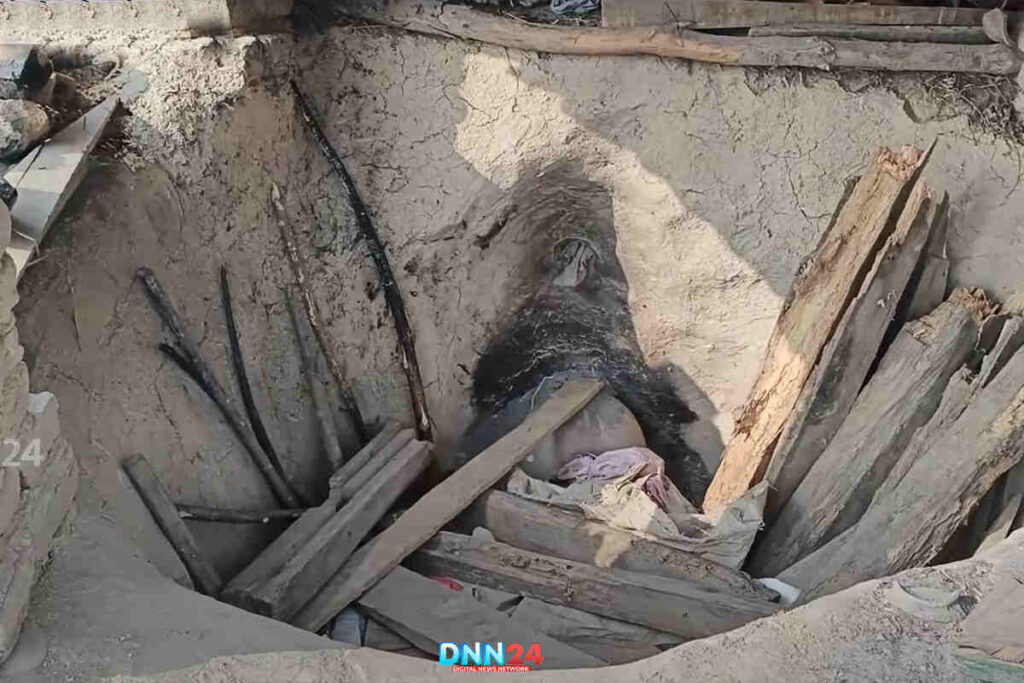
Delving into the heart of this historical marvel, we discover a unique connection between the Gufkral caves and the village potters. Passed down through generations, the caves have been home to potters, with stories echoing through the ages.
Hilal Ahmed Kumar: Student and Potter
Hilal Ahmed Kumar, a living bridge between the past and present, shares insights into the symbiotic relationship between the potters and Gufkral caves. He recounts how his forefathers spent their lives within these ancient walls, crafting earthen pots during the day and finding solace in prayers and Quranic recitations at night.

Ghulam Qadir Kumar: Potter
As civilization progressed, the potters adapted, building houses and moving away from the caves. However, the legacy persists. Kumar reflects on his father’s accounts, detailing the family’s journey from births to marriages within the same cave. Although the landscape has changed, with only a handful of houses remaining, the caves continue to play a pivotal role in their profession.

Challenges and Adaptations
Despite the resilience of Gufkral caves, the passage of time has not been without its challenges. Land degradation has led to the gradual disappearance of some houses, reducing the village’s once-thriving community to a handful of residences.
The Survival of Tradition
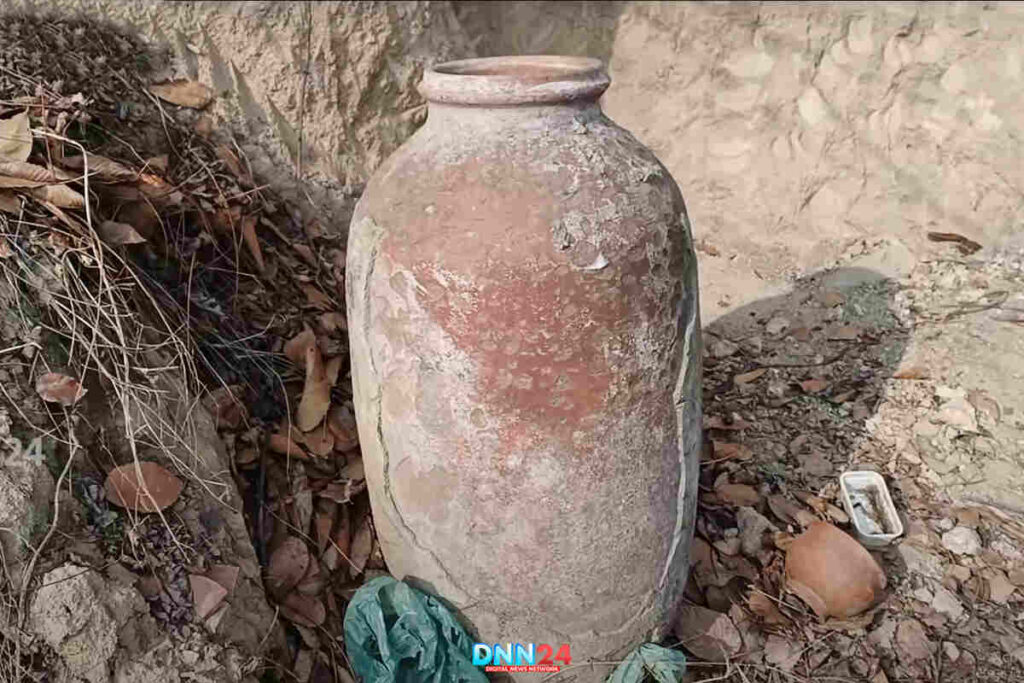
Currently, around five houses remain in the village, serving as both homes and workshops for the potters. The unique clay required for their craft is still sourced from the caves, a testament to the enduring bond between tradition and necessity. Even amidst rain, the utensils seek shelter within these historic walls, preserving the legacy of Gufkral caves.
Conclusion
As we reflect on the ancient legacy of Gufkral caves, it becomes evident that these historical sites are more than mere artifacts; they are living embodiments of human resilience and adaptation. The intertwined stories of the potters and the caves weave a narrative that transcends time, reminding us that our journey is a continuum, marked by the footprints of our ancestors.
In a world where progress often overshadows the past, Gufkral stands as a poignant reminder of the intricate dance between tradition and progress. The echoes of prayers, the rhythmic shaping of clay, and the sheltering of utensils against the rain all contribute to the rich tapestry of human history encapsulated within the Gufkral caves.
Also Read: Embracing Eternity: The Heartfelt Story of the Mini Taj Mahal in Guwahati, Assam
You can connect with DNN24 on Facebook, Twitter, and Instagram and subscribe to our YouTube channel.