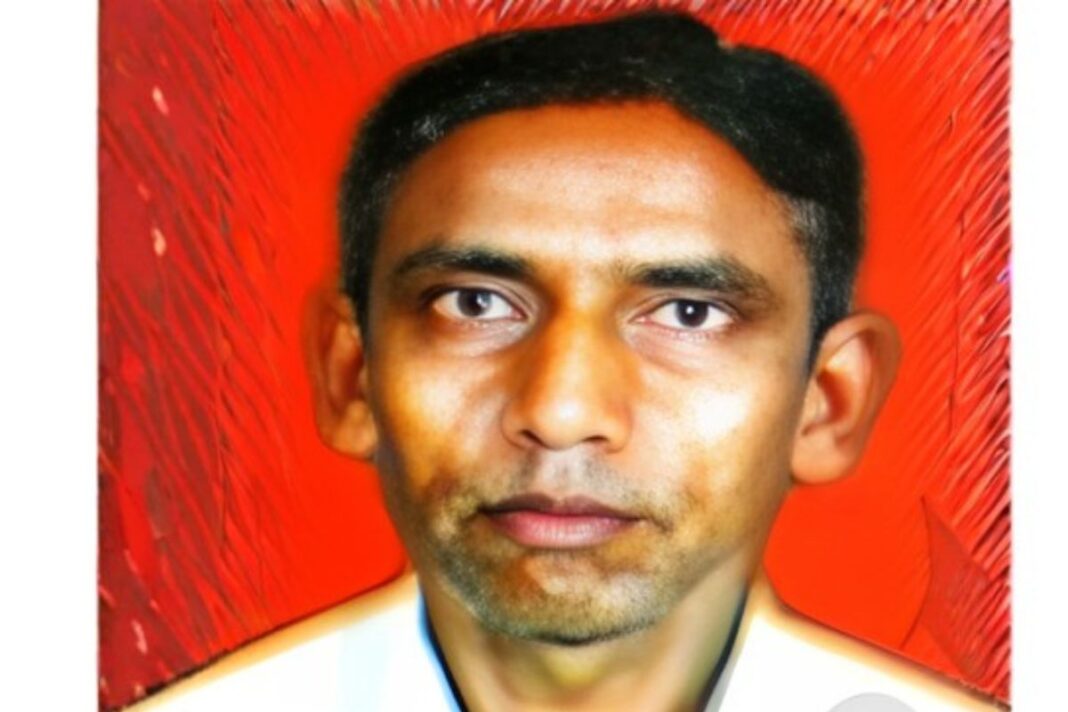

Some poets arrive with degrees and awards. Others arrive quietly, carrying only their wounds. Badr Mohammadi belongs to the second kind. His name does not fill university syllabuses or newspaper headlines, yet his verses live inside the chests of those who have loved wrongly, lost silently and spent long nights regretting what they said or never said. He is known as a poet of dard, of ache that refuses to heal, and his ghazals pass from reader to reader like shared secrets.
aankhon mein apni ashk-e-nadamat liye hue
Badr Mohammadi
hum hain ajib rang-e-ibaadat liye hue
Very little is known about where he was born, how he grew up or what schools he attended. This absence itself tells a story. Badr Mohammadi chose not to introduce himself through facts but through feeling. His poetry becomes his biography. Every line is a clue, every couplet a confession. When you read him, you are not learning about a man. You are meeting the parts of him he could not speak aloud.
meri zamin tere aasman se behtar hai
Badr Mohammadi
yaqin yaqin hai kisi bhi guman se behtar hai
His verses feel like the voice of someone who watched love slip away slowly, who carried the weight of his own mistakes and turned that weight into words. There is no loud drama in his poetry, no grand declarations. Instead, there is the quiet honesty of a person who knows what it means to lose not just another but also yourself in the process. That is why readers do not ask for his birth date or his address. They ask for more of his ghazals, because in them they find their own unspoken pain.
nahin wo khol kar lab bolta hai
Badr Mohammadi
ye us ka kaun sa Dhab bolta hai
The Long Tradition of Broken Hearts
Urdu poetry has always loved sorrow. For centuries, poets have written about separation, unfulfilled desire and the ache of waiting. But heartbreak in Urdu is never just personal. It carries history. It carries the memory of kingdoms that fell, cities that were divided, families that scattered. When a classical poet spoke of a lost beloved, he was also mourning a lost world.
dur ghar se kahin is tarah bhi jaya jae
Badr Mohammadi
der tak dhup ki barish mein nahaya jae
Badr Mohammadi walks inside this long tradition, but his pain feels different. It belongs to our time. His famous ghazal, “Aankhon Mein Apni Ashk-e-nadamat Liye Hue”, which translates roughly to carrying tears of regret in one’s own eyes, speaks not just of losing someone but of losing dignity, self-respect and trust in the middle of messy, modern relationships.
His heartbreak is not about kings and courts. It is about crowded cities where people feel alone, about relationships that end over misunderstandings, about the speed with which we replace each other and move on.
aariz ki tab saya-e-gesu ghazal mein hai
Badr Mohammadi
yani ki dhup chhanw ka jadu ghazal mein hai
In earlier times, poets responded to colonialism, partition and social upheaval by refining their emotional language. Badr Mohammadi does the same for a generation that faces a different kind of crisis. The crisis of disconnection. The crisis of forgetting how to apologise. The crisis of wanting too much too fast and ending up with nothing. His poetry fits into a centuries-old chain, but the ache it describes is unmistakably ours.
raushni aur andheron ke safar ka jadu
Badr Mohammadi
dekhta rahta hun main sham-o-sahar ka jadu
A Life Written in Couplets
Because there are no detailed records of his life, the story of Badr Mohammadi must be read between the lines of his ghazals. Each sher feels like a page torn from a private diary. The recurring images in his work tell us more than any biography could. Eyes that cannot meet their own reflection. Nights that stretch longer than they should. Words left unsaid until it was too late.
tumhaari yaad yun ehsas-e-tanhai baDhati hai
Badr Mohammadi
ki jaise qimaten chizon ki mahngai baDhati hai
His poetry suggests a man who loved deeply, made mistakes he could not undo and then chose to sit with those mistakes instead of running from them. The tone is neither proud nor completely broken. It is the tone of someone who has learned something painful and wants to tell the truth about it. Sometimes he blames the beloved for leaving. Sometimes he blames the world for being cruel. Often, he blames himself for not knowing better.
tumhaari yaad yun ehsas-e-tanhai baDhati hai
Badr Mohammadi
ki jaise qimaten chizon ki mahngai baDhati hai
This emotional honesty makes his work feel like a conversation. You can almost hear him speaking directly to you, not as a distant literary figure but as someone sitting across a small table, voice low, choosing his words carefully.
bahte pani ki nishani aur hai
Badr Mohammadi
Thahre dariya ki rawani aur hai
The ghazal form helps him do this. It allows him to jump between moments without explanation. One couplet might describe youthful desire. The next might speak from the exhaustion of middle age. Together, they create a complete emotional arc, even if the factual details remain hidden.
ek tahi-dast se kya kya tan-e-fani mange
Badr Mohammadi
saya-e-zist mein hai naql-e-makani mange
Readers fill in the gaps with their own experiences. That is why his poetry feels personal to so many people. He does not tell you exactly what happened. He gives you the shape of the feeling, and you recognise it because you have felt it too.
Why His Words Still Matter
In a time when relationships begin and end with a swipe, when apologies are sent as emojis, and pain is posted and deleted within hours, Badr Mohammadi’s slow, careful ghazals feel like a different language. Yet they are finding new audiences. Young readers who discover his work online recognise themselves in his regret. They see their own half-finished love stories, their own unsaid apologies, their own late-night guilt reflected in his lines.
hamara azm ziyaada ki rahguzar kam hai
Badr Mohammadi
har ek gam pe lagta hai ye safar kam hai
What makes his work unusual today is his focus on nadamat, which means remorse or the act of owning your mistakes. This is not a popular idea in a culture that celebrates moving on quickly, cutting people off and protecting yourself at all costs. Badr Mohammadi insists that some pain should be carried rather than discarded. Not because suffering is noble, but because understanding what went wrong is the only way to grow.
banTne walon ne jab apna paraya banTa
Badr Mohammadi
bhai ne bhai se diwar ka saya banTa
For writers working in Indian English or South Asian languages, his poetry offers a reminder that powerful literature does not always come from grand events or clever experiments. Sometimes it comes from sitting quietly with your own heart and being truthful about what you find there.
dur ghar se kahin is tarh bhi jaya jae
Badr Mohammadi
der tak dhup ki barish mein nahaya jae
His ghazals also keep the Urdu tradition alive at a time when many young people are losing touch with the language. By appearing on poetry websites, YouTube channels and social media pages, his verses reach audiences who may never attend a mushaira or open a printed diwan, yet still hunger for intensity and simplicity combined.
hamare honTon pe kyon shikwa-e-bahaar aae
Badr Mohammadi
ki ‘umr apni bayaban mein hum guzar aae
In this sense, Badr Mohammadi is a bridge. He connects the classical past to the digital present. He connects private sorrow to public sharing. He connects the heavy, formal beauty of Urdu to the lighter, faster rhythms of modern life. And for a world that often hides its pain behind carefully crafted images, his unapologetic heartbreak becomes not a weakness but a quiet, lasting strength.
gard-e-guman hawa-e-yaqin baiThne lagi
Badr Mohammadi
baiThe na aasman ki zamin baiThne lagi
Badr Mohammadi may not be famous in the usual sense. But his words are alive. They travel in whispers, in screenshots, in late-night messages sent to friends who understand. They remind us that some poets do not need monuments. They only need readers who are willing to sit with them in the dark and admit that they, too, have carried tears of regret in their own eyes.
Also Read: A. D. Azhar: A shy pen in a noisy century
You can connect with DNN24 on Facebook, Twitter, and Instagram and subscribe to our YouTube channel.