


Best Of Sadda Punjab
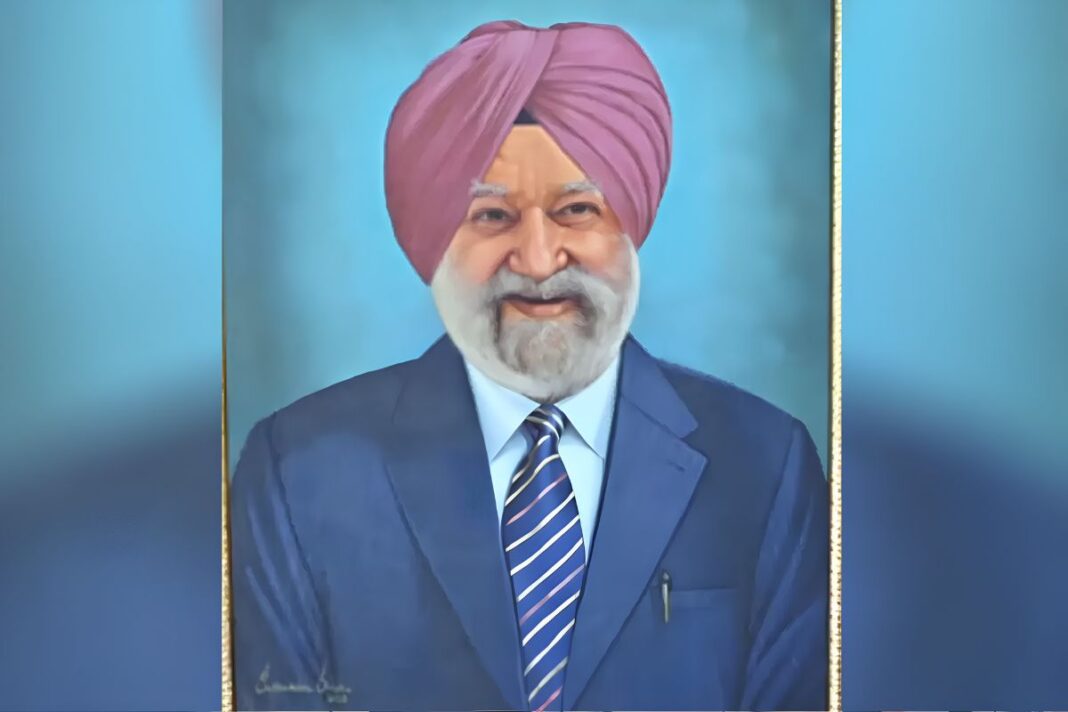
The Central Sikh Museum at Sachkhand Sri Harmandir Sahib in Amritsar has installed a portrait of former Supreme Court judge Justice Kuldip Singh.
Justice Kuldip Singh was widely known as the “Green Judge” for his important judgments on environmental protection. He also played a major role in protecting human rights and the rights of the Sikh community.
Several prominent Sikh personalities attended the ceremony and remembered his life, judicial services, commitment to humanity and contribution to protecting the environment.
The Central Sikh Museum is an important place that preserves Sikh history, the teachings of the Sikh Gurus, the sacrifices of the community and the memories of people who have contributed to Sikh society. Installing Justice Kuldip Singh’s portrait in the museum recognises his courage, commitment to justice, and service to society.
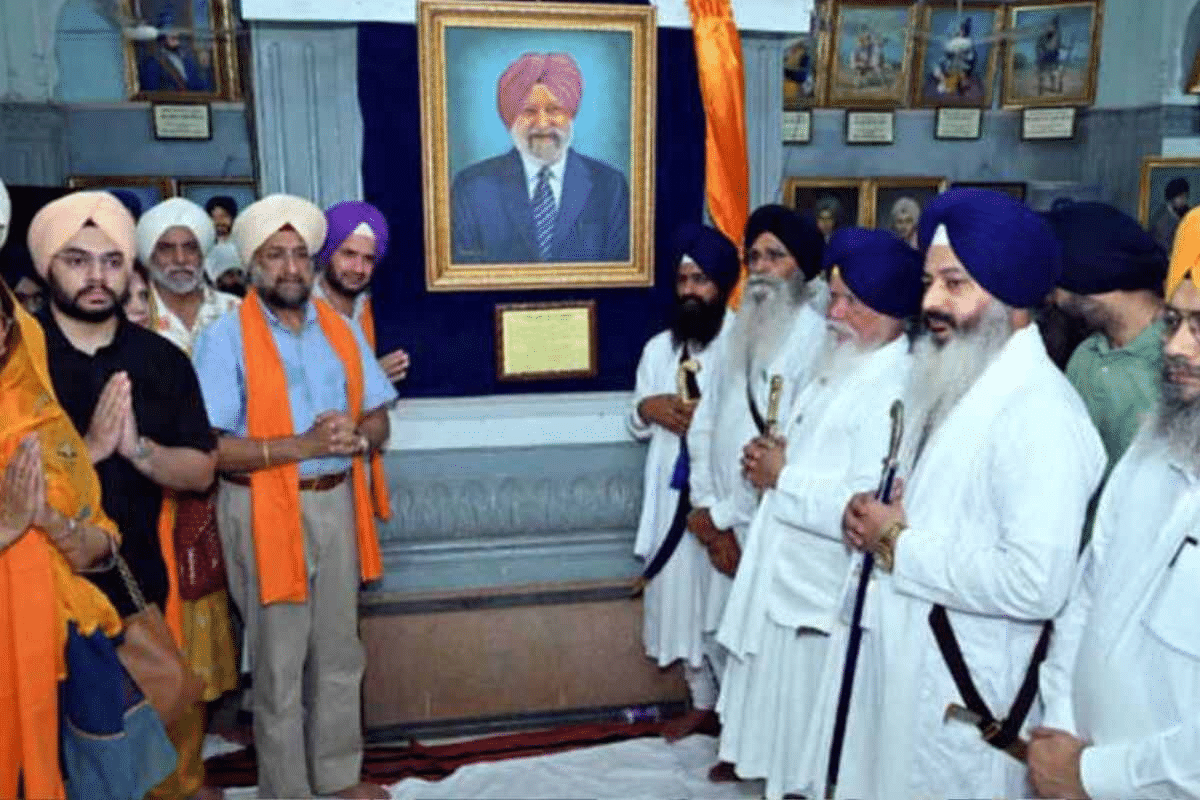
His life showed that people in important positions can bring positive change to society when they prioritise justice, truth, and human dignity. The ceremony to unveil his portrait was held after Ardas, the Sikh prayer.
Those present included Sri Akal Takht Sahib Jathedar Singh Sahib Giani Kuldip Singh Gargaj, Takht Sri Damdama Sahib Jathedar Giani Tek Singh, Shiromani Gurdwara Parbandhak Committee (SGPC) President Advocate Harjinder Singh Dhami and Sachkhand Sri Harmandir Sahib Granthi Singh Sahib Giani Baljit Singh.
From the Pain of Partition to Higher Education
Justice Kuldip Singh was born on January 1, 1932, in Dhudial village, Jhelum district, in undivided Punjab. The village is now in Pakistan.
He spent his childhood amid major social and cultural change in Punjab.
During the Partition of India in 1947, communal violence forced millions of people to leave their homes. Justice Kuldip Singh’s family also suffered during this period. His family had to leave their home and move to Patiala.
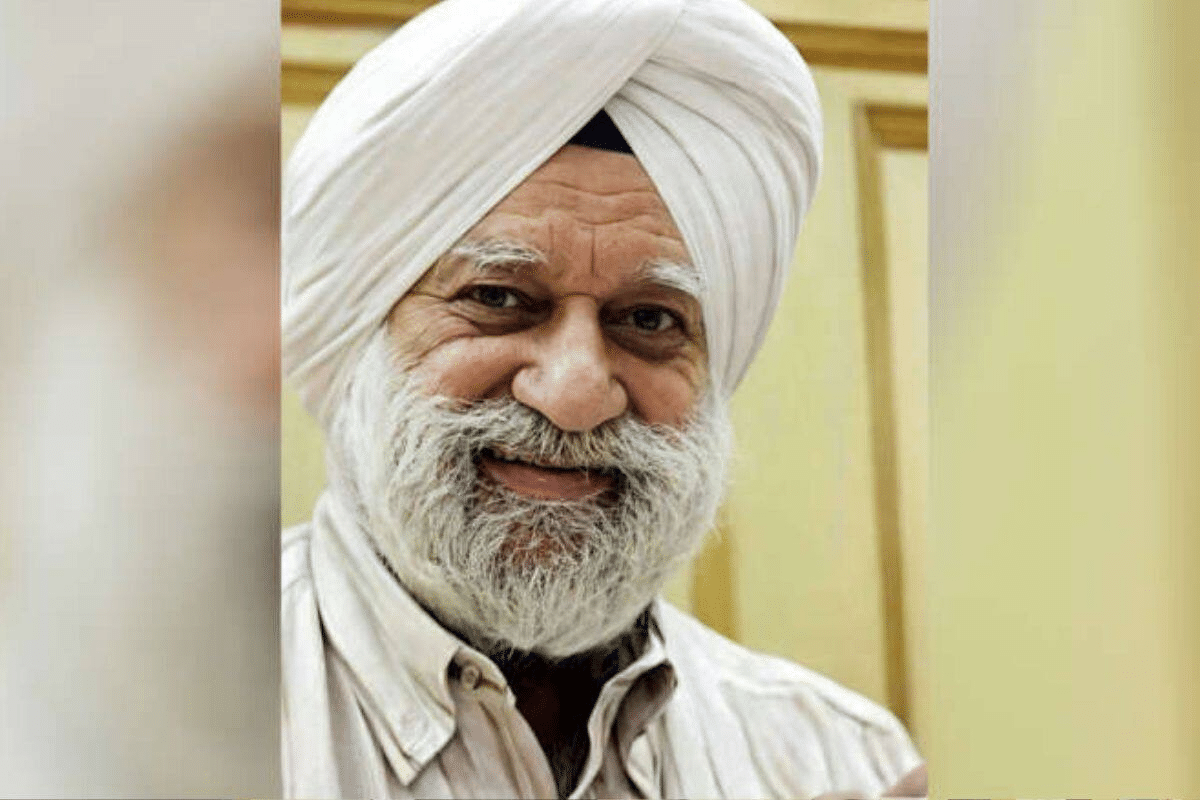
Despite the financial and social difficulties that followed Partition, he did not give up his education. He completed his Bachelor of Arts (BA) and Bachelor of Laws (LLB) degrees from a college affiliated with Punjab University.
He later travelled to London for higher studies in law. In 1958, he completed his legal studies at the University of London. In November 1959, he qualified as a Barrister-at-Law from Lincoln’s Inn.
His educational journey reflected his hard work, dedication and determination. After experiencing the difficulties of Partition, he went on to reach one of the highest positions in India’s judicial system.
His Journey From Law Practice to the Supreme Court
Justice Kuldip Singh enrolled as a lawyer at the Punjab and Haryana High Court in November 1959. He gradually established himself as a respected legal professional through his knowledge of law, strong arguments and commitment to justice. Between 1960 and 1971, he also worked as a part-time lecturer at Punjab University’s Law College.
Through this role, he contributed to legal education. From 1971 to 1982, he served as Senior Standing Counsel for the Central Government at the Punjab and Haryana High Court.
He also provided legal services to several major institutions, including Punjab University, Punjabi University, Guru Nanak Dev University, Punjab Agricultural University and PGI.
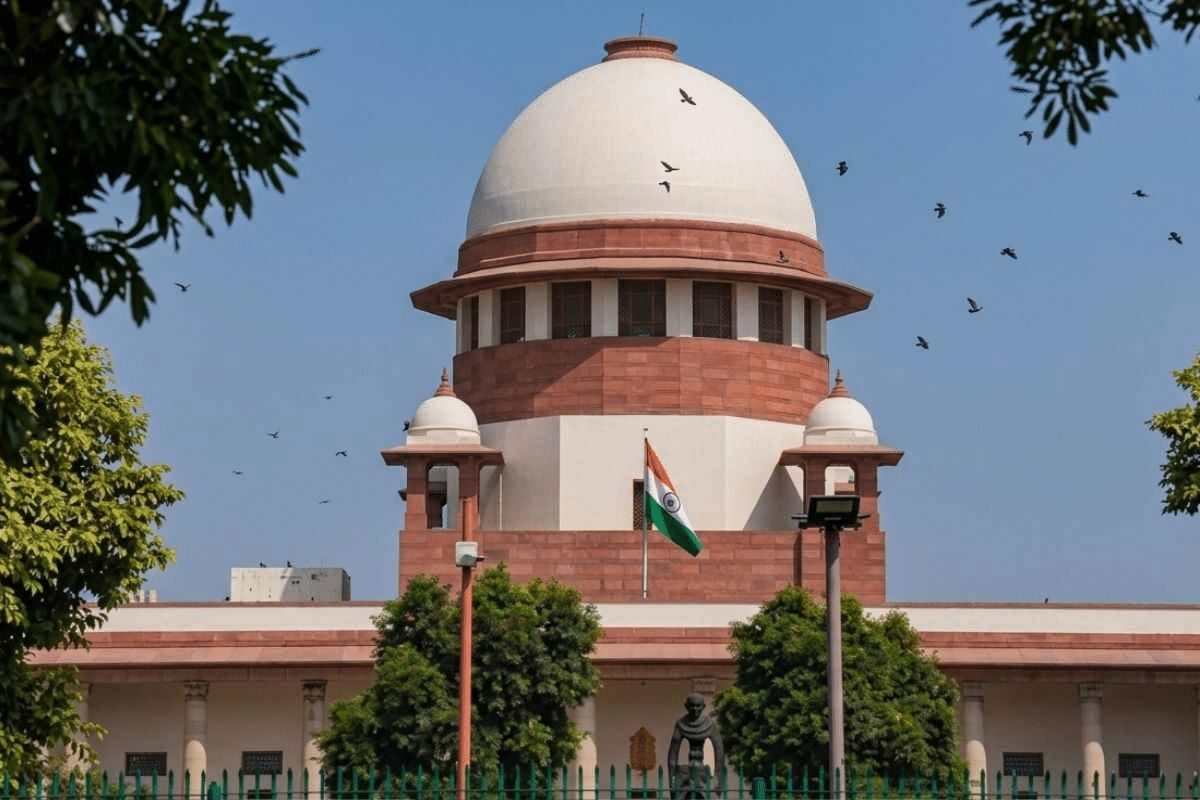
In 1976–77, he was elected President of the Punjab and Haryana High Court Bar Association.
This reflected the respect he had earned among fellow lawyers. From May to August 1987, he served as Advocate General of Punjab.
In August 1987, he was appointed Additional Solicitor General of India. On December 14, 1988, he became a judge of the Supreme Court of India.
His appointment directly from legal practice to the Supreme Court was a major career achievement. He retired on December 21, 1996.
Why Justice Kuldip Singh Was Known as the ‘Green Judge’
Justice Kuldip Singh became widely known across India as the “Green Judge” for his important contributions to environmental protection. He helped make environmental issues an important part of judicial work.
His judgments strengthened the principle that development should not come at the cost of natural resources, historical monuments or public health. A line from the teachings of Sri Guru Nanak Dev Ji says, “Pavan Guru Pani Pita Mata Dharat Mahat,” highlighting the importance of air, water, and the earth.
Justice Kuldip Singh’s environmental judgments also reflected the responsibility to protect nature for future generations. One of his important contributions was related to protecting the Taj Mahal from air pollution.
Under his leadership, the court directed polluting industries to use cleaner fuels instead of coal and coke or move outside the designated area. The purpose was to protect the Taj Mahal, a World Heritage monument, from pollution-related damage.
He was also involved in important judicial action against leather factories that released polluted wastewater into the Ganga River. These judgments sent a clear message that industries could not pollute rivers and natural resources for economic profit.
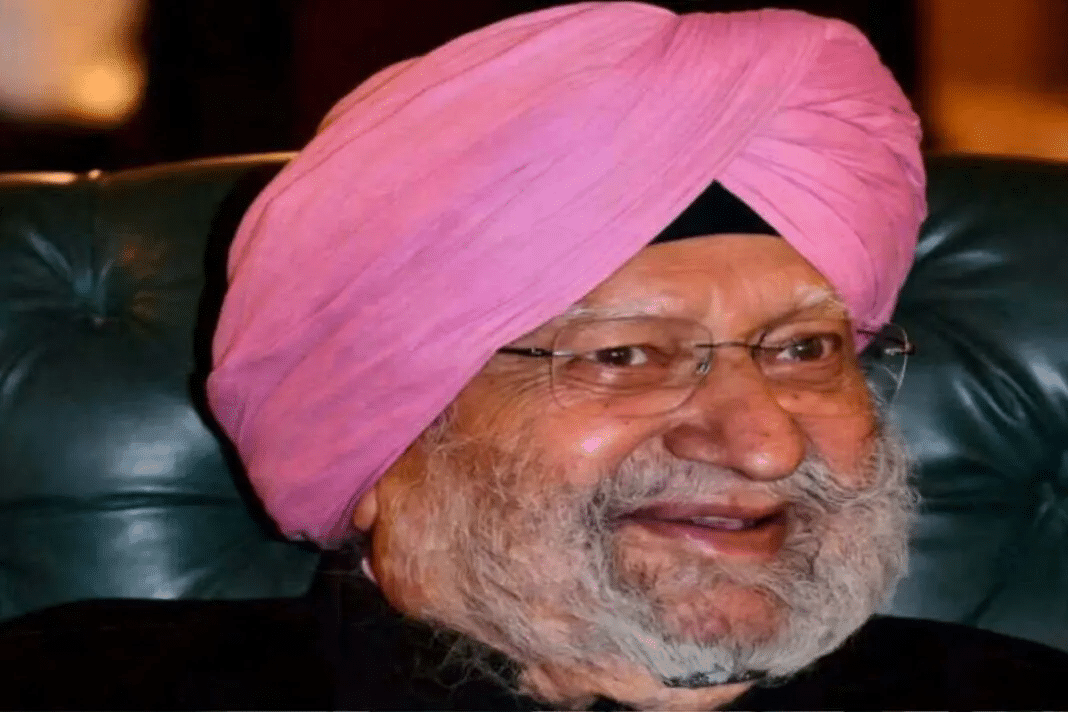
Justice Kuldip Singh also played an important role in cases related to protecting the greenery and natural areas of Delhi’s Ridge. These cases involved removing illegal encroachments and controlling pollution.
Through public interest litigation, he helped bring environmental protection into public discussion and stressed the importance of accountability. During his time as a Supreme Court judge, public interest litigation became increasingly important.
It gave ordinary citizens, social organisations and environmental groups opportunities to approach the courts on issues affecting society. His contribution helped strengthen discussions about judicial intervention, government accountability and the protection of people’s rights.
Through his judgments, he showed that environmental protection was not only about nature. It was also connected to human life and the future of coming generations.
A Strong Voice for Human Rights and Victims
Another important part of Justice Kuldip Singh’s life was his commitment to human rights. He believed that justice was not limited to interpreting the law. It also meant ensuring that people were protected from injustice and received legal protection.
He is especially remembered for his role in cases involving prisoners who had spent long periods in jail and people suffering because of delays in legal proceedings. He recognised that delays in justice could become a serious human rights concern.
Even after retiring from the Supreme Court, he remained involved in social issues and human rights. In 1996, he established a non-governmental People’s Commission in Chandigarh.
The commission provided a platform for families affected by the 1984 anti-Sikh violence and people who had allegedly suffered police excesses in Punjab.
Through this initiative, affected people could share their complaints and experiences. It also created an opportunity to record their accounts and openly discuss allegations of human rights violations.
This work showed that Justice Kuldip Singh’s commitment to justice continued after his retirement. For him, justice was not limited to courtrooms. It also meant listening to people who needed a platform to share their experiences.
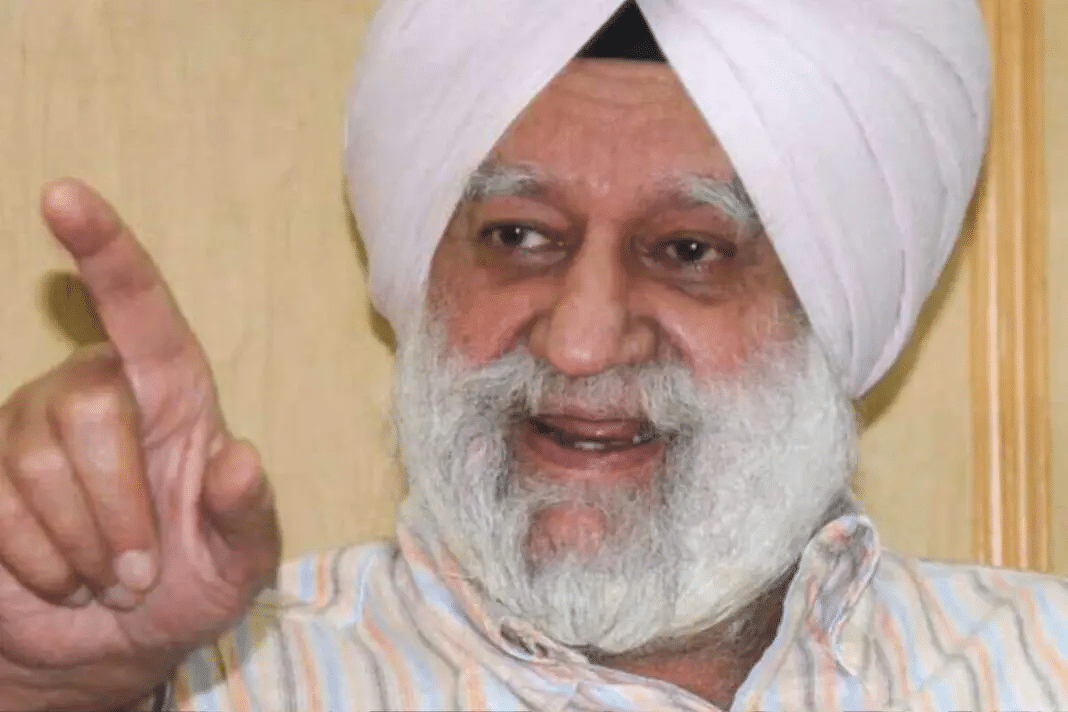
His Service to the Sikh Community Through the World Sikh Council
Justice Kuldip Singh also helped bring the Sikh community together and raise issues concerning Sikhs around the world. During the first World Sikh Conference held at Sri Akal Takht Sahib, he was unanimously elected the first Chairman of the World Sikh Council.
In this role, he worked to connect Sikh communities worldwide through a common platform. Understanding and addressing the religious, social and community concerns of Sikhs living abroad was an important part of this work. His respected position in the legal profession also strengthened his role in Sikh organisations.
According to well-known Sikh scholar Dr Bhai Harbans Lal, Justice Kuldip Singh was invited to represent the Khalsa Panth during the United Nations Millennium celebrations in New York. However, he could not attend because he had undergone knee surgery.
He therefore asked Dr Bhai Harbans Lal to represent the Khalsa Panth on his behalf. This incident reflected his interest in Sikh affairs and his efforts to bring the Sikh community’s concerns to an international platform.
Important Responsibility as Chairman of the Delimitation Commission
In 2002, the government led by then Prime Minister Atal Bihari Vajpayee appointed Justice Kuldip Singh as Chairman of India’s Delimitation Commission. This was an important responsibility.
The commission redrew the boundaries of Lok Sabha and State Assembly constituencies according to established rules and census data. The delimitation process directly affects political representation.
It requires consideration of population, geographical conditions and administrative needs in different areas. Justice Kuldip Singh used his judicial experience and administrative understanding to carry out this responsibility. His work demonstrated his professional abilities and experience in handling complex matters.
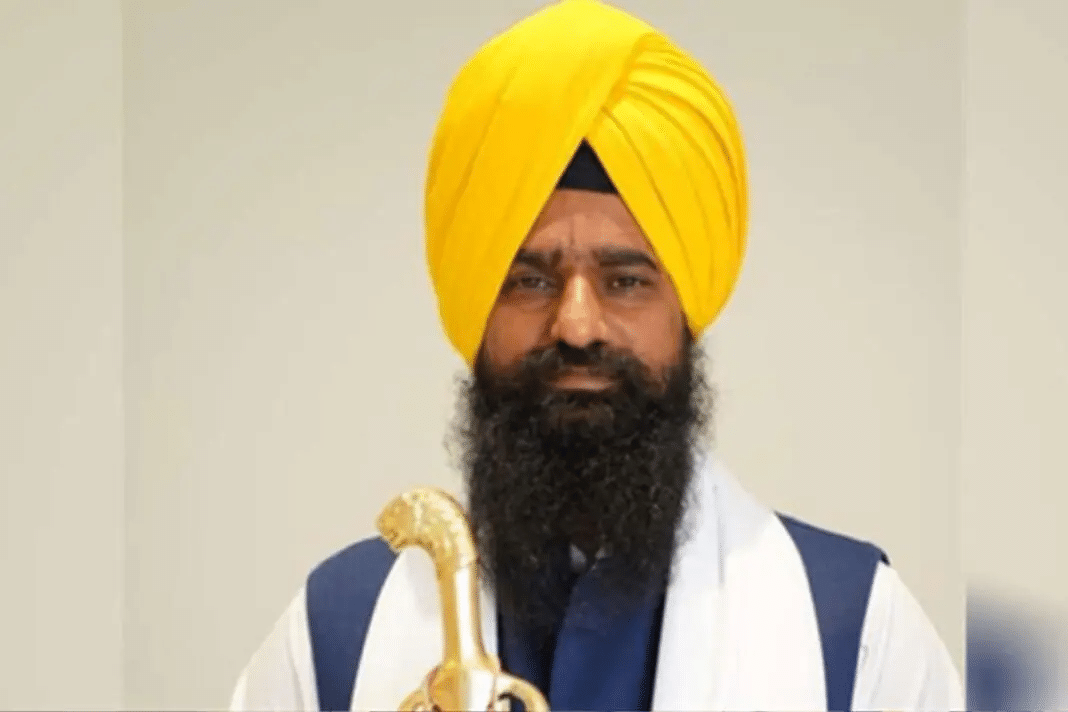
His Family’s Contribution to Education and Law
Justice Kuldip Singh’s family also contributed to education and law. His wife, Sardarni Gurminder Kaur, retired after serving as Principal of Government College, Mohali.
His elder son, Paramjit Singh Patwalia, also established himself in the legal profession. He served as a judge of the Punjab and Haryana High Court and as Additional Solicitor General of India. He later continued his legal career as a Senior Advocate in the Supreme Court.
Justice Kuldip Singh’s younger son also worked in the legal profession and served as Advocate General of Punjab. In this way, his family’s contribution to law and education became another part of his legacy.
A Life Dedicated to Justice and Humanity
Justice Kuldip Singh passed away in Chandigarh on November 25, 2024, at the age of 92. His death marked the loss of an important personality who had made major contributions to justice, environmental protection and human rights.
His life was marked by struggle, education, hard work, courage and service to society.\ He showed that a judge’s responsibility is not limited to work inside the courtroom.
Through judicial decisions, a judge can help bring changes to society, protect the environment and give hope to people whose voices often remain unheard.
The installation of Justice Kuldip Singh’s portrait at the Central Sikh Museum is an important recognition of his services. It also reflects the Sikh tradition of honouring people who serve humanity, stand for truth and speak against injustice.
Sri Akal Takht Sahib Jathedar Giani Kuldip Singh Gargaj said that personalities like Justice Kuldip Singh are valuable assets to any community.
Speaking after the installation of the portrait, he described Justice Kuldip Singh as a courageous, wise and morally strong personality. He said that throughout his judicial career, Justice Kuldip Singh respected the law while also becoming a voice for people denied their rights.
The Jathedar said that Justice Kuldip Singh had established a distinct identity through his work for human rights, community rights and environmental protection.
His judgments and involvement in social issues showed that justice was not only about enforcing the law but also about ensuring justice for weaker sections of society. He added that Justice Kuldip Singh’s services would continue to inspire future generations to follow the path of truth and courage.
SGPC President Advocate Harjinder Singh Dhami also spoke about the importance of the Central Sikh Museum. He said that the museum preserves the history, struggles, sacrifices and important contributions of the Sikh community.
Portraits of personalities who have made significant contributions in different fields are installed there to honour their services to the community and humanity.
Advocate Dhami said that despite reaching a high position in the legal profession, Justice Kuldip Singh never turned away from his social responsibilities.
He continued to speak out for human rights and justice. According to Dhami, installing his portrait in the museum not only honours his contribution but also sends a message to younger generations about the importance of serving society.
Justice Kuldip Singh’s life and work remain an important example of courage, responsibility and commitment to justice. His contribution to environmental protection, human rights and the Sikh community will continue to be remembered.
Article by: Gurpreet Singh
Also Read: India Built Underground Palaces of Water Long Before Modern Water Management
You can connect with DNN24 on Facebook, Twitter, and Instagram and subscribe to our YouTube channel.