

In a captivating display of religious harmony, the village of Hirebidanur in Karnataka has become a shining example of syncretic culture, where the rituals of Muharram, a month of mourning observed by Muslims worldwide, have been practiced for over a century, despite not a single Muslim residing in the village.
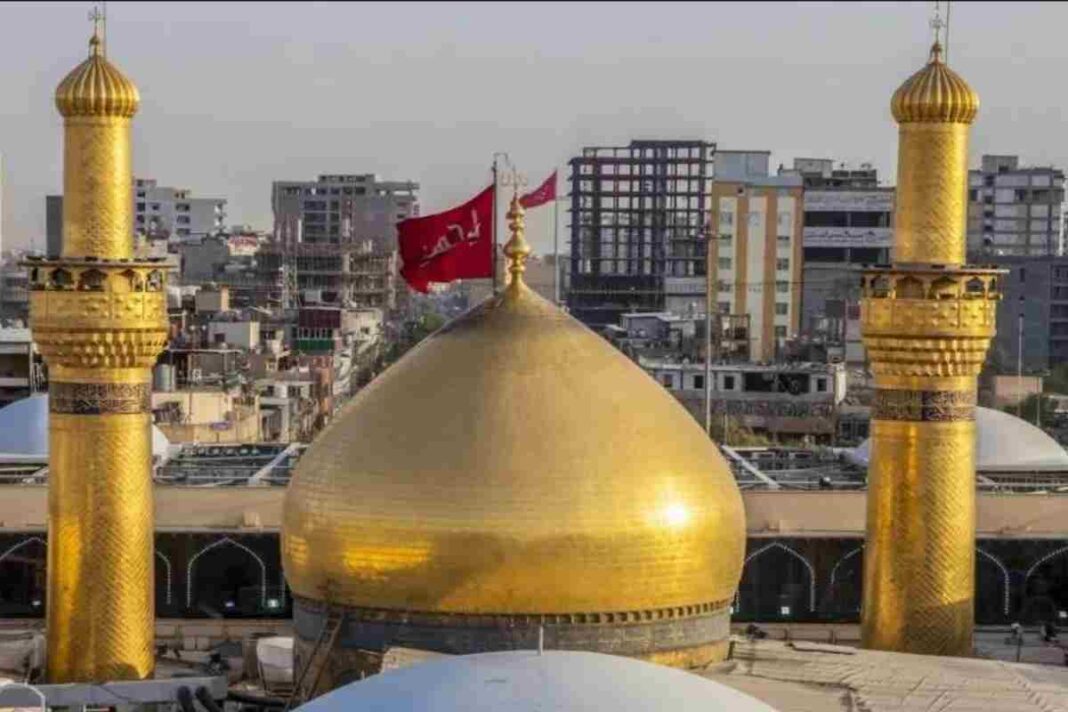
Located in Saundatti taluk, about 51 km from Belagavi, Hirebidanur boasts the recently renovated Mosque of ‘Fakireshwar Swami,’ the only visible remnant of Islam in this predominantly Hindu village. However, when the month of Muharram arrives, the village streets come alive with radiant illuminations.
The tale of this mosque’s origin reveals the essence of communal unity. Long ago, two Muslim brothers constructed the mosque, along with another one near Gutanatti. After their demise, with no Muslim residents left, the locals, predominantly from Hindu caste communities, continued to embrace the customs of Muharram unfailingly.
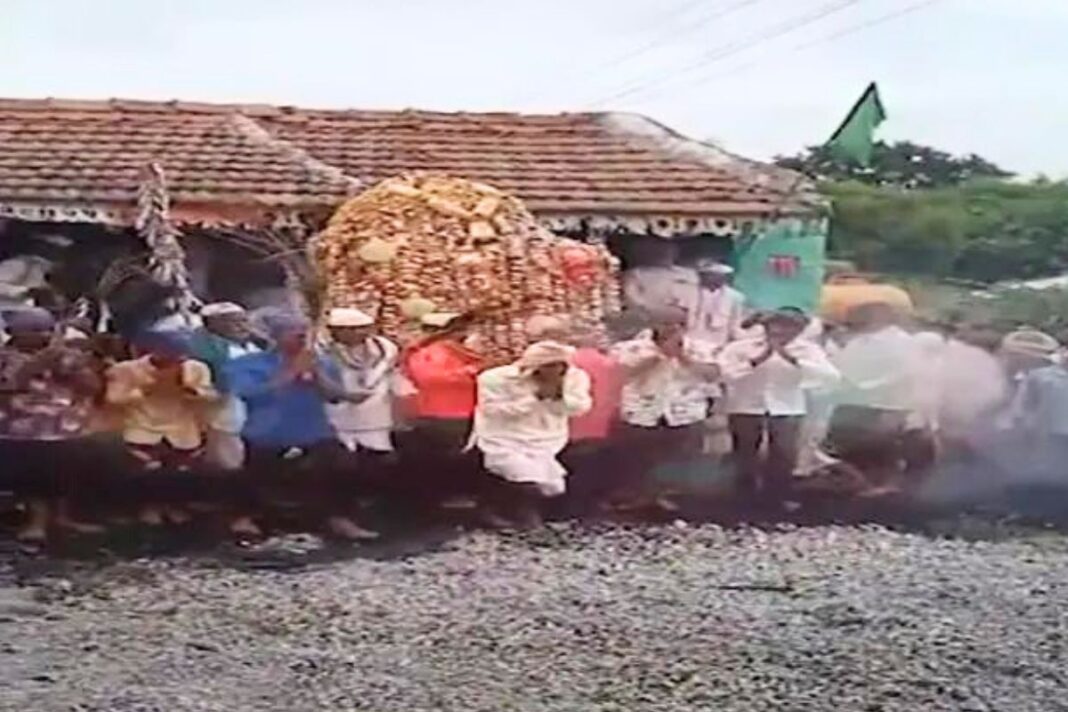
The village becomes a vibrant canvas during Muharram, adorned with rope art and reverberating with the dance of Karbala. The villagers carry the Taziya, symbolizing martyrdom, through the streets for the final five days of the month. Such celebrations showcase the deep respect and intermingling of cultures that thrive here.
Hirebidanur is a close-knit community comprising around 3,000 people, primarily from the Kuruba and Valmiki communities. Despite their Hindu heritage, they wholeheartedly embrace the sacred customs of Muharram, illuminating their village streets with the beauty of arts and rituals.
In a remarkable testament to communal harmony, the residents of Hirebidanur exemplify how different faiths can coexist, fostering an environment of mutual respect and celebration. Their collective spirit has even caught the attention of legislators, with legislator Mahantesh Koujalagi allocating funds for the mosque’s renovation, signifying the government’s acknowledgment and appreciation of this rich tapestry of unity.
For a detailed story, visit: Awaz the voice
Also Read: Naik Qayoom: Pioneering Innovation in South Kashmir
You can connect with DNN24 on Facebook, Twitter, and Instagram and subscribe to our YouTube channel.