

Goa’s secret radio refused to die, and so did the woman who ran it. For six years she lived in forests thick with leeches and snakes, broadcasting a message the Portuguese government wanted no one to hear. When freedom finally arrived, she did not read the news from a studio script. She flew above the towns of Goa in an aircraft, speaking into a loudspeaker as leaflets fell like confetti over the rooftops below.
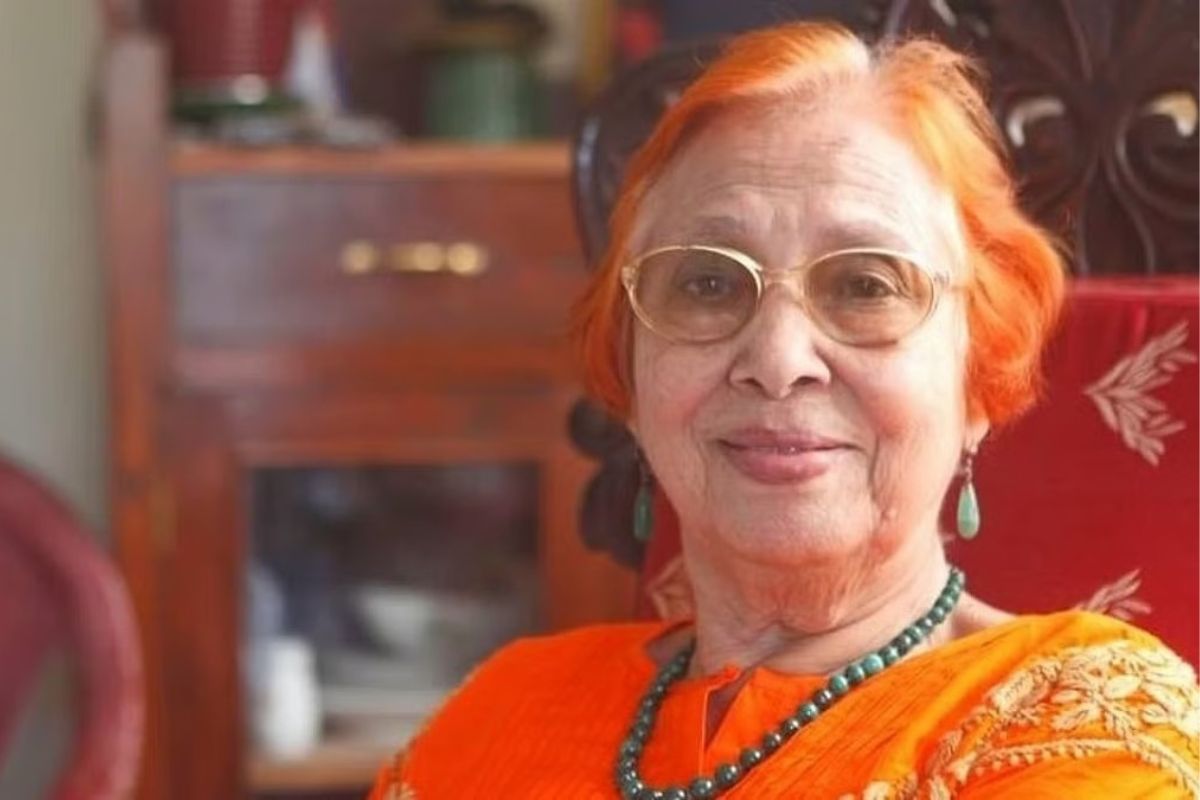
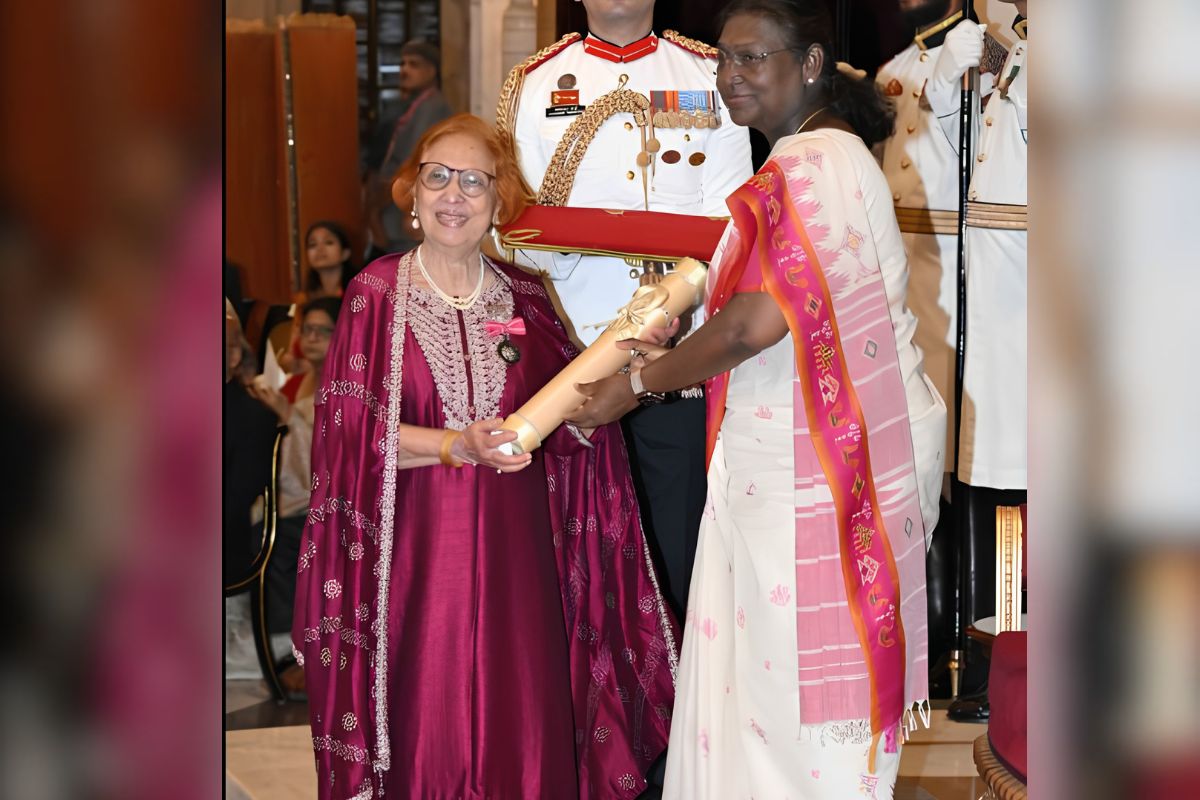
Her name was Libia Lobo Sardesai. In 2026 she turned 102 years old, and in 2025 the Government of India awarded her the Padma Shri for her role in Goa’s liberation and her decades of public service afterwards. Long before the medal, she was simply a young woman determined to break a silence a colonial government had spent centuries building.
A childhood shaped by injustice
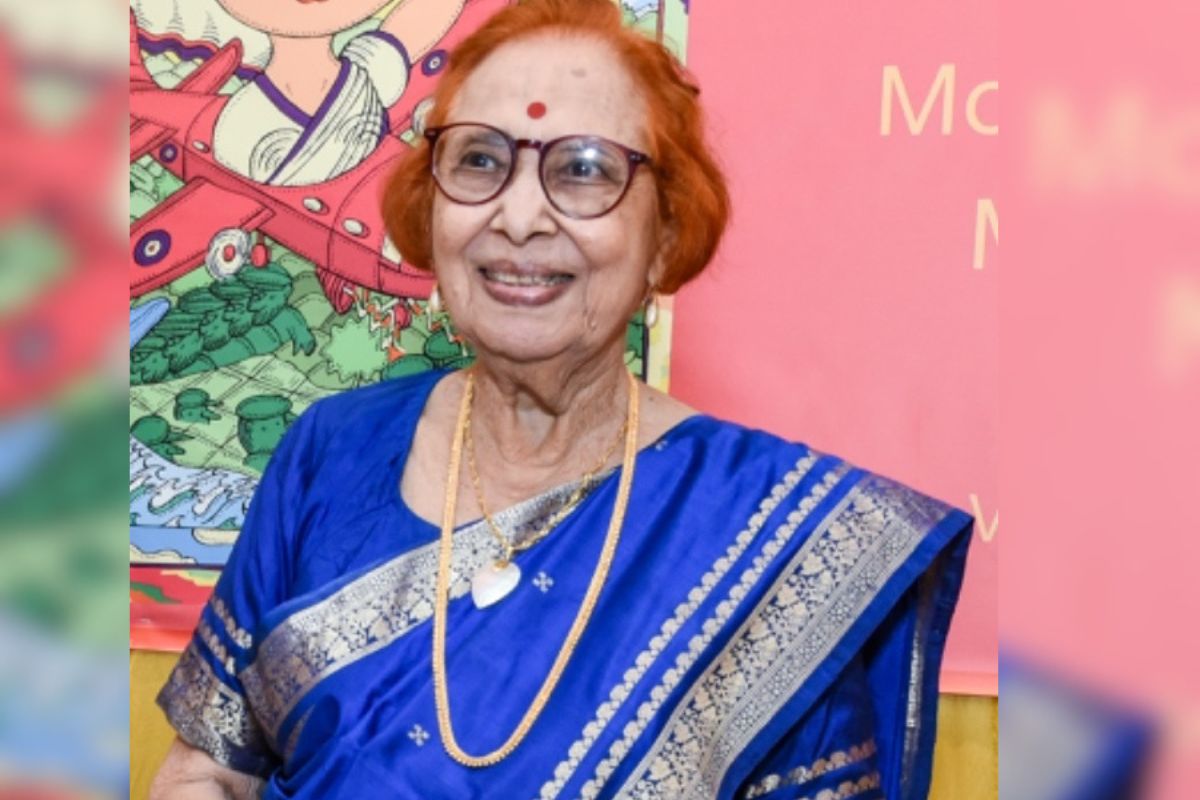
Libia Lobo was born in 1924 and spent part of her early years in Bombay, the city now called Mumbai. As a girl, she watched protestors march alongside Mahatma Gandhi and saw them beaten back by mounted police. She did not yet know words such as colonialism or empire. What she understood was simpler: her people were ruled by outsiders, and those who asked for freedom were punished for asking.
That memory did not fade. It settled into her and eventually pointed her toward Goa, a territory that remained under Portuguese control even after India won its own independence in 1947.
Portuguese Goa operated under a strict system tied to the government of António de Oliveira Salazar. Public criticism was dangerous. Even a phrase as simple as Jai Hind could draw suspicion if spoken aloud. Newspapers reflected the official line, and printed material was checked closely before it reached readers. For anyone in Goa who wanted honest news of the freedom movement, there was almost nowhere to turn.
That gap pushed Libia and others toward an idea that once seemed impossible: a radio station the government could not control.
Building a station no one could find
Through the 1950s, Goan nationalists staged protests and satyagrahas against Portuguese rule, and each attempt met with harsh suppression. In 1954, activists tried to enter Goa in large numbers and were met with gunfire and new border restrictions. A second major effort in 1955 ended the same way. It became clear that marches and slogans alone would not be enough. Goa needed a way to speak to its own people, quietly and constantly, no matter what the government tried to block.
Vaman Sardesai brought real experience to the problem. He had already been arrested once for distributing nationalist material and had worked with the external service of All India Radio, gathering the views of Goans living in Bombay. Working alongside Libia and a third activist, Nicolau Menezes, he helped turn an ambitious idea into a working station.
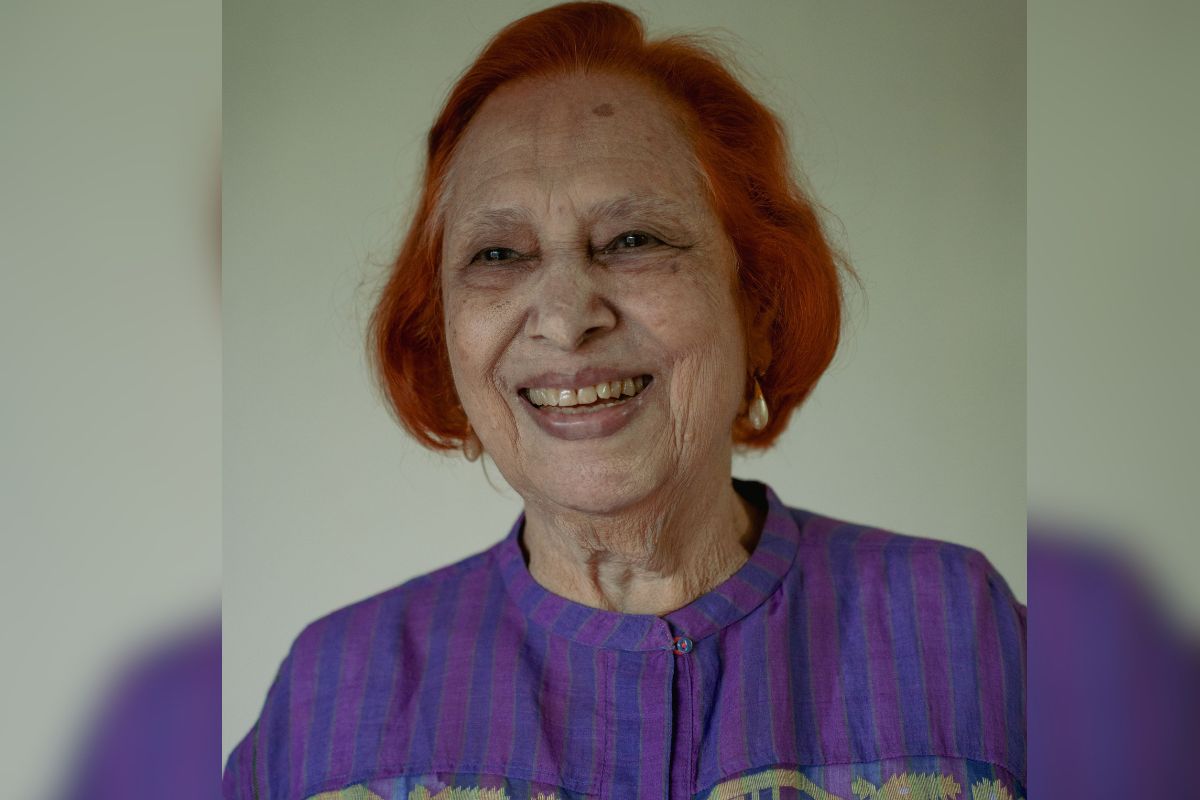
The first broadcast went out on 25 November 1955, a date chosen deliberately because it marked 445 years since the Portuguese first conquered Goa in 1510. Depending on the audience, the station carried different names. In Konkani it was Goenche Sodvonecho Awaz, the Voice of Freedom of Goa. In Portuguese it was Voz de Liberdade. It also broadcast programs in English, reaching listeners far beyond Goa’s borders.
Six years among leeches and reptiles
A radio station cannot survive long in a city under close watch. So Libia and Vaman moved their equipment into forested land near the border of Maharashtra and Goa, and later to a more remote spot at Castle Rock, tucked into the Western Ghats near Karnataka. Their transmitter sat beneath rough tin sheeting, and power was drawn, somewhat improbably, from a nearby railway station.
This was not a romantic adventure. It was exhausting, dangerous work. Every day brought the same demands: gather information, write scripts, check facts, and transmit two broadcasts without ever being traced. The programs carried news of the nationalist movement, updates from India, and speeches by Indian leaders, offering a version of events the government preferred to bury.
Sardesai later described the forest itself as an ordeal. Leeches slipped past their boots no matter how carefully they dressed. As she put it years afterwards, no one ever fired a bullet at them, yet somehow they still bled through six long years.
Something is striking in that image. A young woman, far from any comfort of home, preparing careful political broadcasts in a forest while an authoritarian government hunted for the source of the signal. But the danger was only part of the weight she carried. Every script demanded precision. A careless line could damage the movement, and a single mistake could reveal exactly where they were hiding.
The radio was more than information. It was proof, delivered twice a day, that the silence imposed on Goa was not complete. It told listeners that resistance was alive, even if they could never see the people behind the voice.
The final broadcast
By December 1961, events had reached a breaking point. India had tried diplomacy for years and found no opening. On 17 December, Indian forces began preparing Operation Vijay, the military action meant to end Portuguese rule for good.
Libia and Vaman were moved to Belgaum to help set up a new transmission point. That same day, they broadcast a direct appeal from India’s Defence Minister to the Portuguese Governor General, urging him to surrender. No answer came back. Within hours, Indian army, navy and air units moved against Portuguese positions across the territory. The operation lasted about a day and a half. On 19 December 1961, Governor General Manuel António Vassalo e Silva signed the surrender, and centuries of Portuguese rule came to an end.
For Libia, a studio announcement was not enough. She wanted people to hear the news directly, in their own villages, without waiting for word to travel. When General J. M. Chaudhuri asked what she wanted to do next, she reportedly told him that a radio broadcast would be useless now, since no one would be listening for a signal anymore. She wanted to go up into the sky and tell them herself.
The next morning, she and Vaman boarded an Indian Air Force aircraft fitted with a loudspeaker. They flew low over Goa, announcing liberation in Konkani and Portuguese while leaflets drifted down over towns and villages below. Each leaflet carried a simple message urging people to celebrate, because Goa was finally free.
They were warned the aircraft might be fired upon from the ground. Their answer said everything about the six years they had already survived. Even if they fell, they told the pilot, they would fall over free Goa.
A life that did not stop there
The flight over Goa was not the final chapter of Libia Lobo Sardesai’s public life. She became Goa’s first director of tourism, and later trained as a lawyer, becoming one of the state’s earliest women to practice in its courts. In 1973, she helped found Goa’s first Women’s Cooperative Bank and led it for more than a decade. In 1986 she founded a college focused on home sciences, affiliated with Goa University.
Vaman Sardesai built a public career of his own. He became Goa’s first director of panchayats, later joined the Indian Administrative Service, and served as India’s ambassador to Angola. He received the Padma Shri in 1992. He and Libia married in 1964, three years after the liberation they had worked so hard to bring about.
When Libia’s own Padma Shri arrived in 2025, it recognised far more than a single dramatic flight over Goa. It honoured a life spent building institutions, defending rights and refusing to stay silent, first in a forest and later in a courtroom.
The Voice of Freedom did not free Goa on its own. Liberation came from decades of protest, diplomacy, and finally military action. But for six years, in the middle of dense forest, a small underground station kept reminding Goans that someone was still speaking for them. On 19 December 1961, that voice finally rose into open air, and it told the whole territory what its people had waited so long to hear.
Also Read: Ex-Journalist Built Free Boarding School in India’s Highest Village for Children
You can connect with DNN24 on Facebook, Twitter, and Instagram and subscribe to our YouTube channel.