
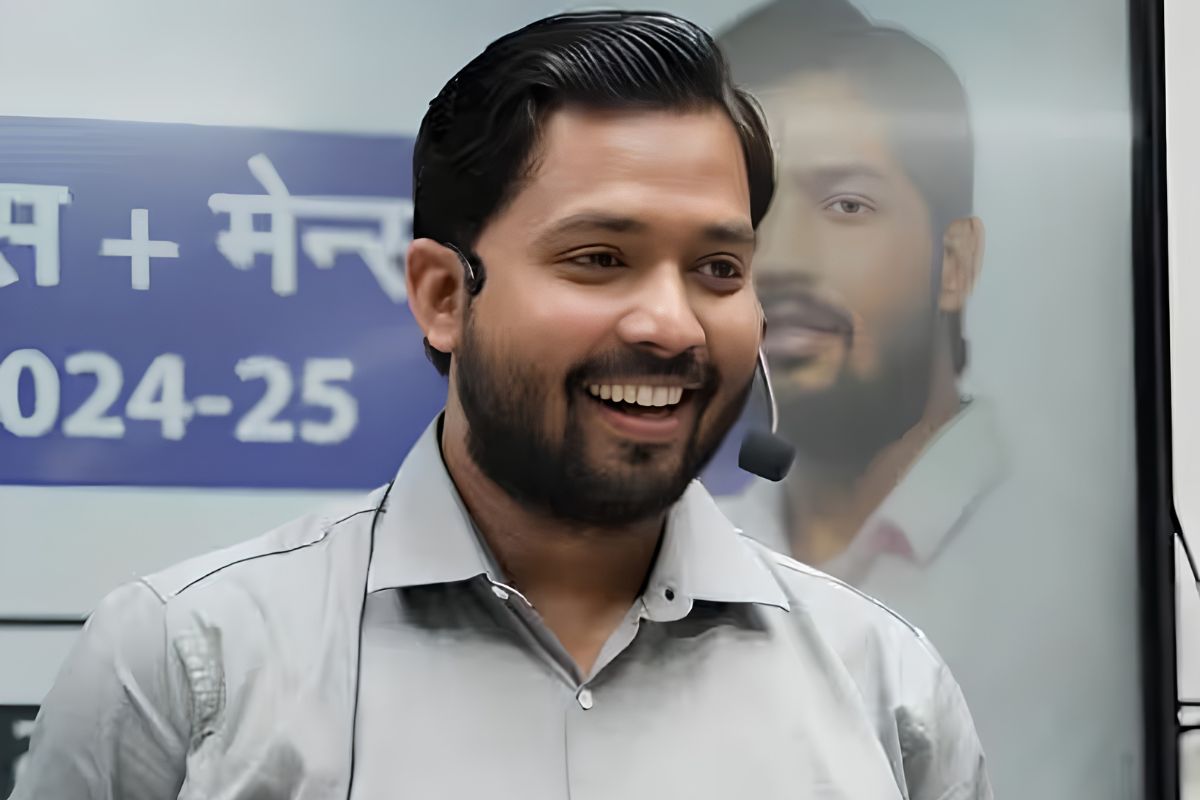
Faizal Khan or Khan Sir did not plan to become a teacher. He planned to wear a uniform. When the Indian Army turned him away, the young man from Patna did what most people in his position would not: he turned the rejection into a reason to stay. What followed was not a consolation career but something considerably more consequential, a one-person effort to make education affordable in a country where good coaching had long been the preserve of those who could pay for it.
Today, Khan Sir, as he is universally known, has nearly 24 million subscribers on YouTube, physical centres in four cities, and a reputation that travels well ahead of him into every corner of India where a student is preparing for a government examination and cannot afford the fees at the franchise coaching institute down the road.
A Fee That Made People Stop and Look Twice
When Khan Sir began teaching in Patna, he charged two hundred rupees per course. The figure was not chosen for its symbolic appeal. It was chosen because that was roughly what the students in front of him could manage, and even then, not always. Former associates recall certain courses being priced at Rs 149. At a time when established coaching centres charged multiples of that amount, the difference was not merely financial. It was a statement about who education was actually for.
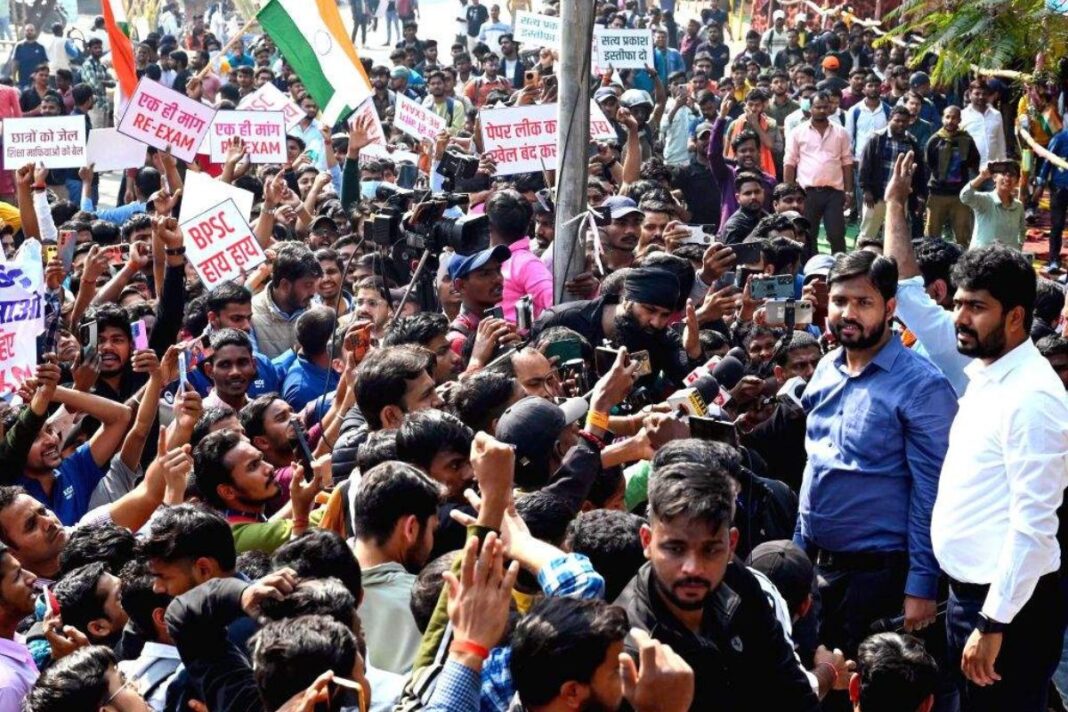
The students who found their way to Khan Sir’s classes were not, on the whole, students whom existing institutions had well served. They came from towns and villages where quality teaching was scarce, from families where an examination result carried the weight of the entire household’s aspirations. For them, a two-hundred-rupee course was not a bargain. It was access.
Khan GS Research Centre: No Air Conditioning, No Investors
In 2010, Khan Sir established the Khan GS Research Centre in Patna. The premises were not impressive by the standards of the coaching industry. There were no air conditioners, no polished reception areas, no glossy prospectuses. There was a blackboard, a teacher who believed that quality education ought not to be rationed by income, and students who needed exactly that.
The absence of outside investment was not an oversight. It was, for Khan Sir, a matter of principle. An institution funded by investors answers to investors. His centre answered the students sitting in front of him. This distinction shaped everything that followed: the fee structure, the teaching style, and the decision to stay in Patna rather than relocate to a market that would have been more financially rewarding.
The Pandemic and the Camera
When COVID-19 closed schools and coaching centres across India in 2020, Khan Sir moved his classes online. The transition was not complicated logistically, but its consequences were far-reaching. Students who had previously needed to be in Patna to attend his classes could now watch from anywhere. Students in remote areas who had never heard of him found his videos through searches and recommendations. The audience that had once filled a classroom in Bihar expanded, within months, to include learners from across the subcontinent.
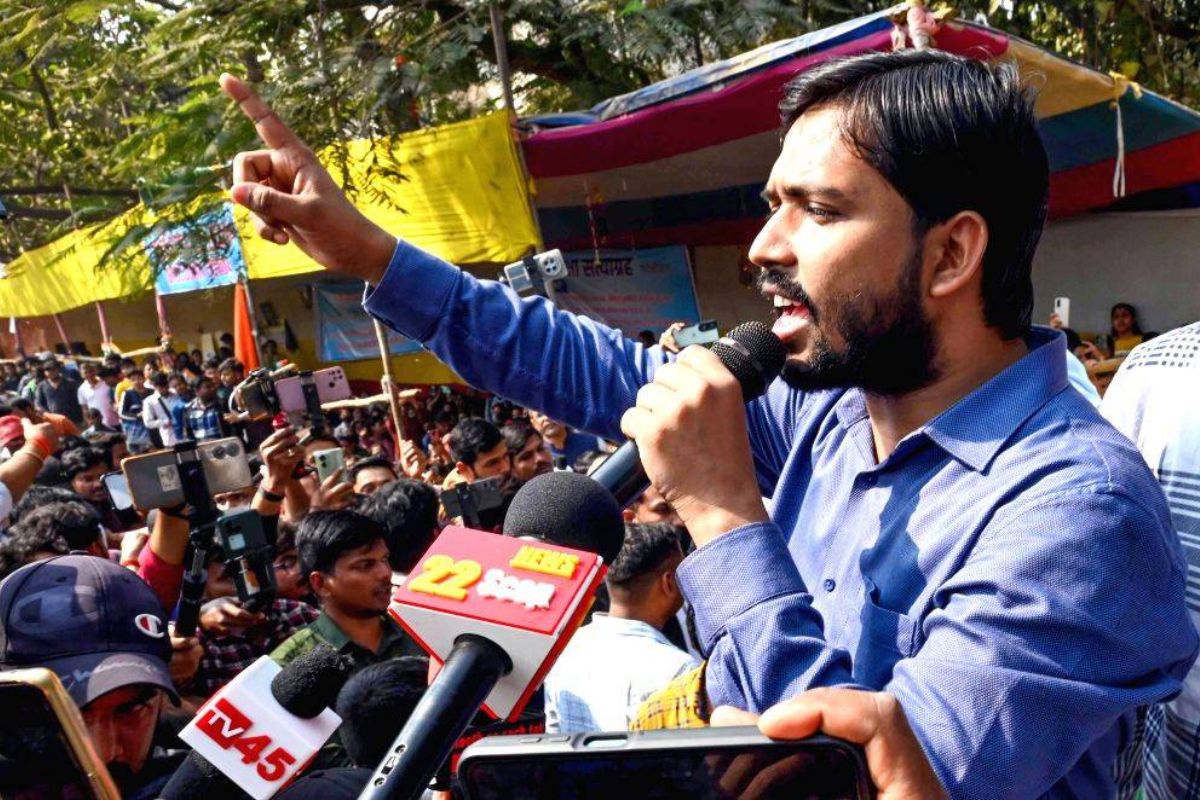
His teaching style translated well to the screen. He had always favoured plain language over academic register, real-world examples over abstract formulations, and a certain directness of manner that students found reassuring rather than intimidating. Complex questions in polity, geography, economics, and current affairs were broken down not into simpler questions but into terms that a student without prior exposure could follow and retain.
The platform that began as a stopgap during a public health crisis did not recede when the crisis passed. It became, and remains, the primary means by which most of his students encounter him.
Twenty-Four Million Subscribers and What They Represent
The YouTube channel Khan GS Research Centre now has close to 400 videos and nearly 24 million subscribers. The numbers are frequently cited, but they are worth pausing over. Each subscriber represents a student or prospective student who has chosen this channel as a resource for examination preparation. The competitive examinations for which Khan Sir’s content is most sought, UPSC, SSC, and various state-level government posts, are among the most competitive in the world, with acceptance rates that make university admissions in most countries look generous.
In 2021, Khan Sir launched a mobile application extending his offerings to include live lectures and examination preparation tools. Khan Global Studies, the broader institutional entity, now operates centres in Patna, Delhi, Uttar Pradesh, and Dehradun. The digital audience built on YouTube provided the reputational foundation that enabled physical expansion into new cities.
The Offer He Declined
At some point in the growth of his platform, Khan Sir was reportedly offered Rs 107 crore, a figure that would, for most people, settle the question of what to do next. He declined it. He continued teaching students who could not afford two hundred rupees.
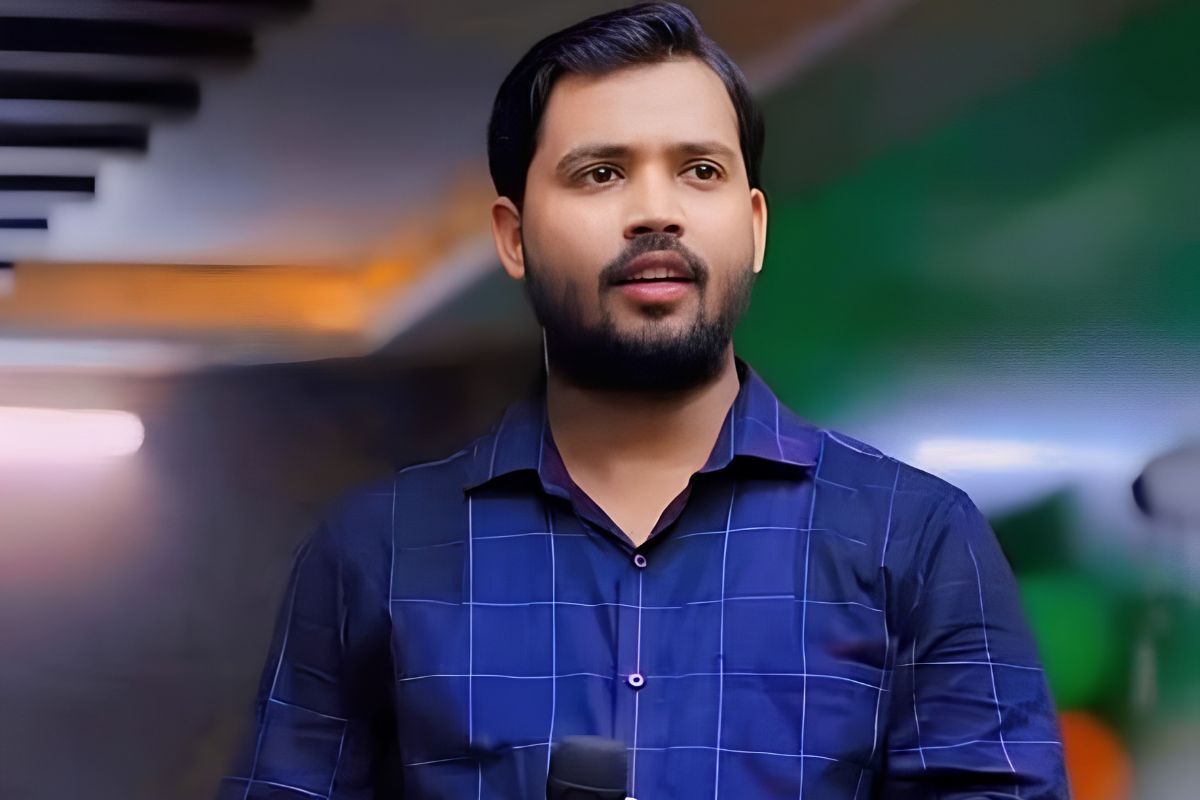
The decision is now part of his public story, and it is easy to read it as the kind of narrative flourish that attaches itself to figures who have become symbols. However, the decision was consistent with everything that preceded it. A man who had spent a decade charging below-market rates for coaching, who had built a centre without investors and run it without air conditioning, who had moved online not to expand his brand but because his students needed him to, that man declining a large cheque is not, on reflection, surprising.
Recognition in Bihar, March 2025
In March 2025, Khan Sir received the Champions of Change Bihar Award, presented by the state Governor, in recognition of his contribution to education and social development. The award acknowledged what his students had long understood: that the reach of his work extended beyond examination preparation into something closer to civic infrastructure, a reliable, affordable source of knowledge for young people who had few other options.
Beyond the Classroom: A Hospital in Patna
In February 2026, Khan Sir opened a low-cost hospital in Patna. Blood tests were priced at Rs 7. ECGs at Rs 25. X-rays at Rs 35. The logic was the same logic that had governed the coaching centre: remove the profit calculation, focus on making the service available to people who need it, and trust that an institution run on those terms will find its footing.
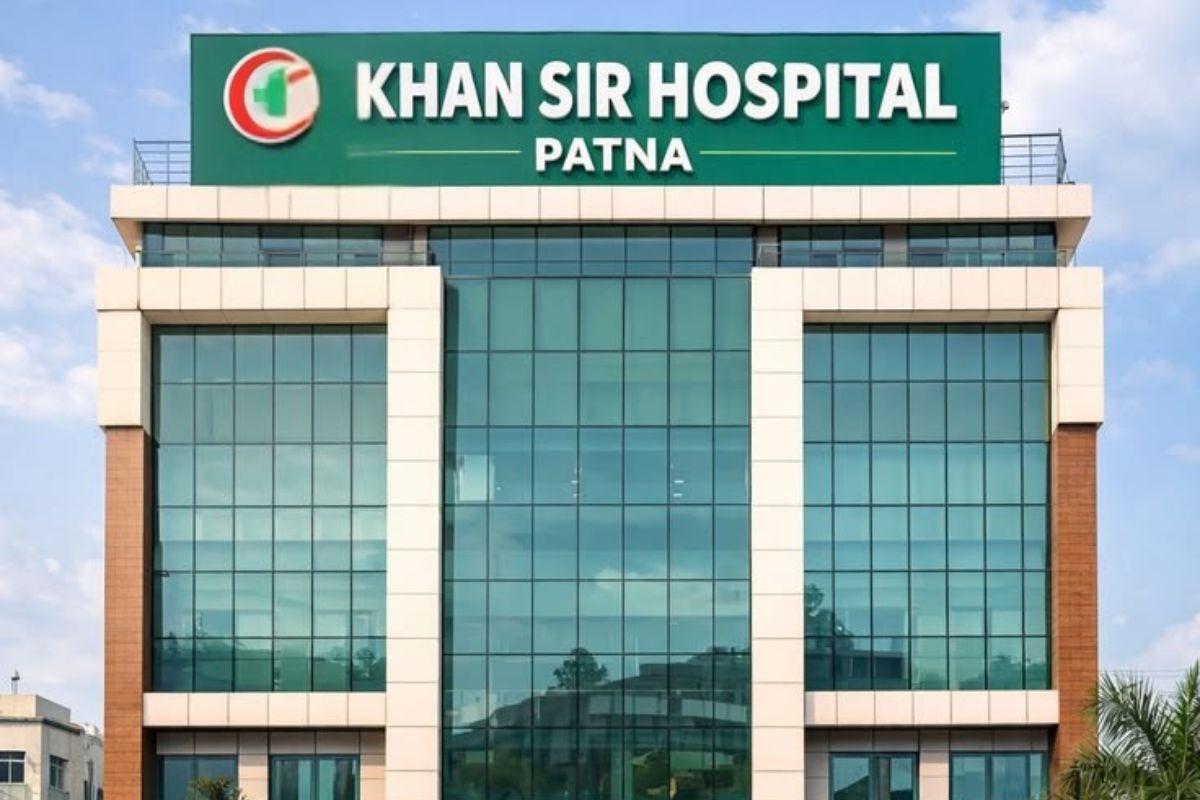
The hospital is not a detour from his educational mission. It is an extension of the same conviction that drove it: the people who most need access to professional services are precisely the ones most consistently denied it by market pricing.
What One Teacher Built
Khan Sir’s story is sometimes told as a story about technology, YouTube, and mobile applications, and the democratising power of digital platforms. Technology did matter. It extended his reach from a classroom in Patna to a national audience, something that would have been impossible a generation earlier.
However, the technology was incidental to the premise. The premise was that a student willing to learn deserves a teacher willing to teach, regardless of what either of them can afford. Everything else, the low fees, the online classes, the rejected crore offer, the hospital followed from that.
From a young man turned away by the army to the most-subscribed educator serving India’s government examination aspirants, the arc is unusual enough to deserve attention. What it demonstrates is less complicated than it might appear. When a person of genuine ability decides to place that ability in the service of people who need it, the results tend to outlast every institution built on a different set of priorities.
Also Read: The Evolution of Yoga: From Ancient Wisdom to Modern Practice
You can connect with DNN24 on Facebook, Twitter, and Instagram and subscribe to our YouTube channel.