

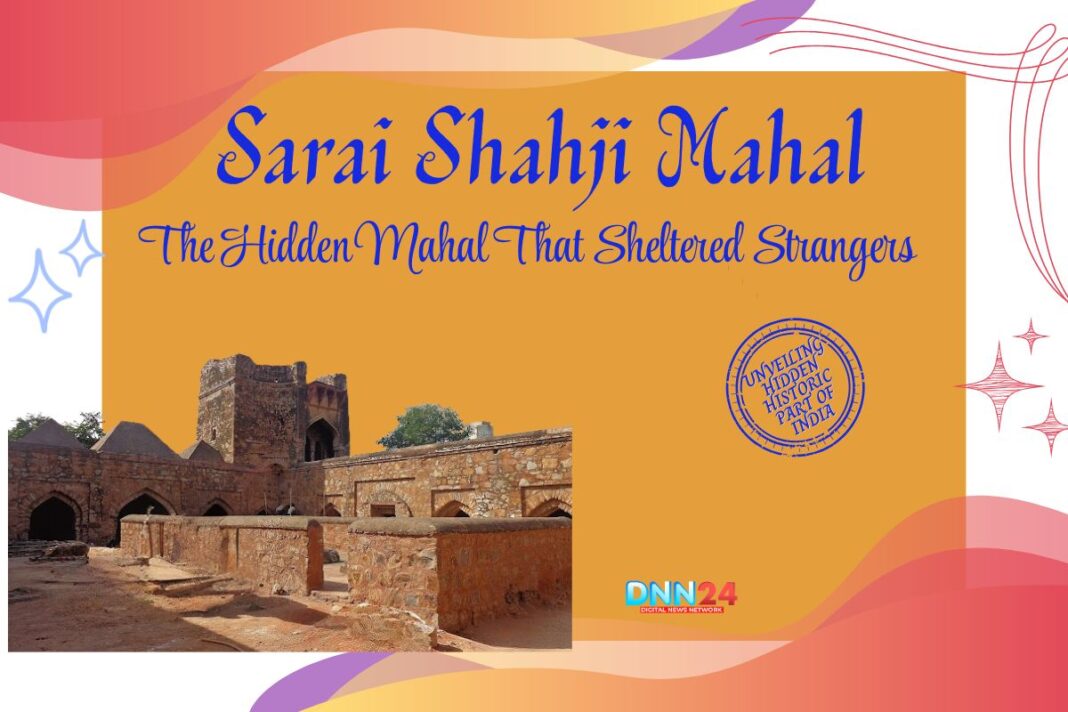

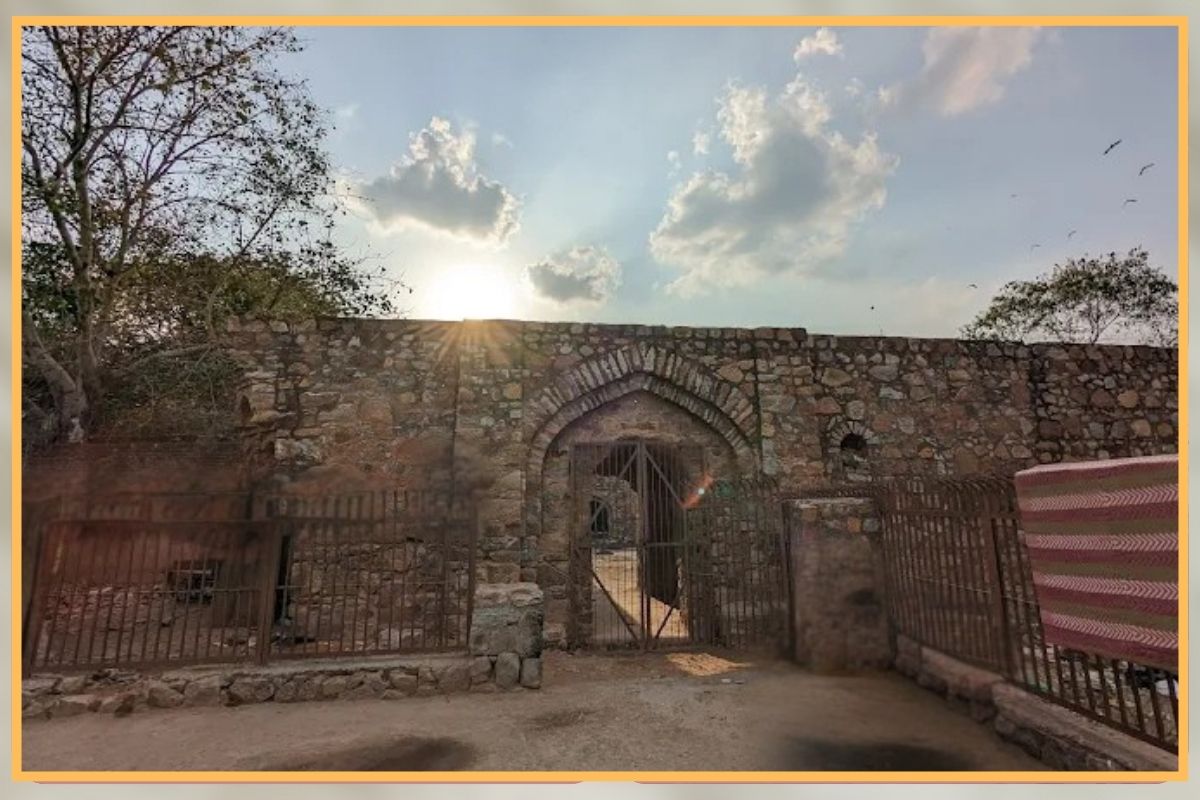
Deep in the bustling streets of Malviya Nagar stands a monument that time forgot. Sarai Shahji Mahal waits behind rusted gates, its stories locked away from the world that rushes past. This isn’t just another old building in Delhi. It’s a palace that once welcomed weary travellers, soldiers, and merchants who crossed the vast Delhi Sultanate centuries ago.
The palace belongs to the era of Jahanpanah, the fourth medieval city that Muhammad bin Tughlaq built. While most people know about the Red Fort or the Qutub Minar, very few have heard of this hidden gem. The name itself tells a story – ‘Sarai’ means a rest house, while ‘Mahal’ means palace. Together, they speak of a place where common travellers could find royal comfort.
Located along Geetanjali Road near the Shivalik areas, this monument has watched Delhi change from a medieval capital to a modern metropolis. Its thick walls once echoed with the voices of tired merchants, the clatter of horse hooves, and the prayers of faithful travellers. Today, only silence greets the occasional visitor who manages to peek through its locked entrance.
A Shelter Built for Strangers
Muhammad bin Tughlaq faced a big problem during his reign. Mongol armies kept attacking Delhi, making travel dangerous for everyone. Trade routes that once flourished now needed protection. The solution was brilliant in its simplicity – build strong rest houses where people could stay safely during their journeys.
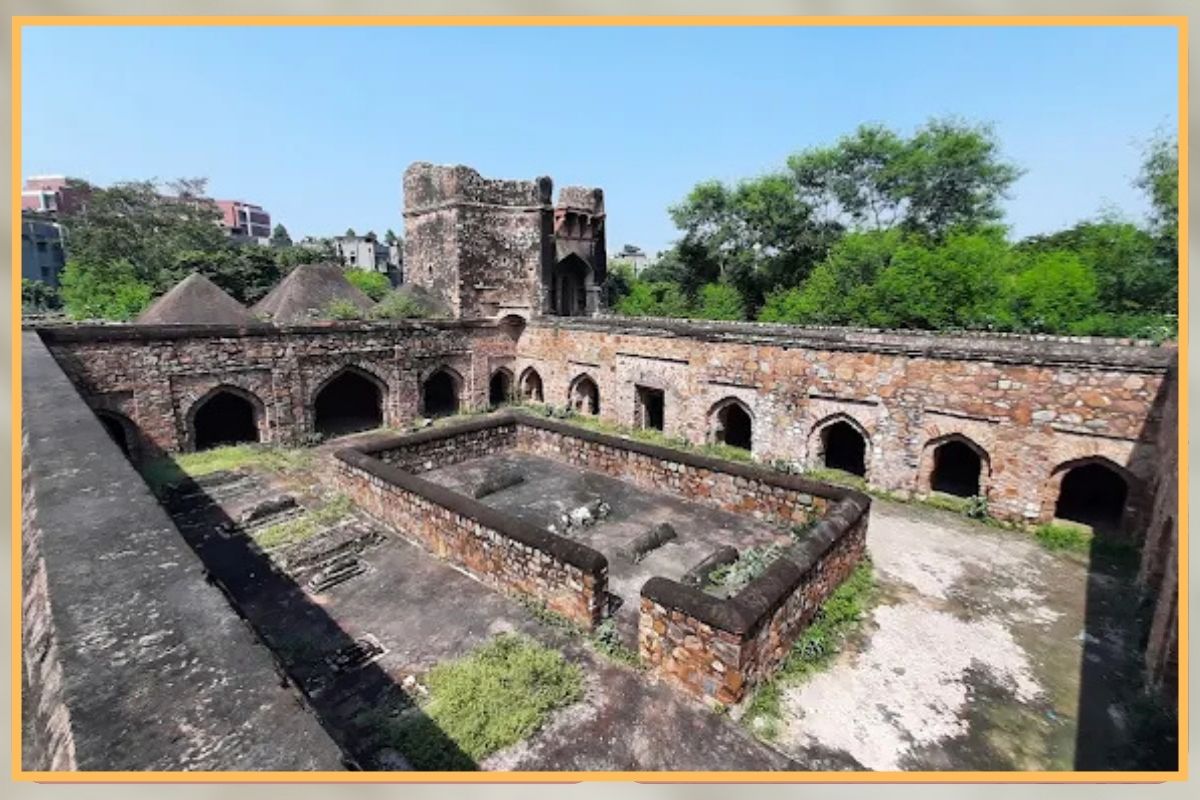
Sarai Shahji Mahal served exactly this purpose. It wasn’t just a building; it was a lifeline for anyone travelling through the region. Merchants carrying precious goods, soldiers moving between posts, and even ordinary folk seeking better opportunities all found shelter here. The palace featured a large courtyard surrounded by rooms, perfect for accommodating large groups with their animals and belongings.
The architecture tells its own story. Strong walls provided security, while spacious courtyards allowed caravans to move easily. The design mixed Middle Eastern and Indian styles, creating something uniquely Delhi. Arched doorways, decorative pillars, and intricate stone work showed that this wasn’t just functional architecture, it was beautiful, too.
Most sarais included a mosque for prayers, and Sarai Shahji Mahal was no different. This wasn’t just about religion; it was about creating a complete community space. Here, people from various backgrounds could come together, share meals, exchange stories, and build the connections that made trade and travel possible across vast distances.
Whispers from Ancient Stones
Walk through the remaining sections of Sarai Shahji Mahal, and you can almost hear the conversations that once filled these spaces. Every crack in the wall holds memories of people who sought refuge here. Some were wealthy merchants with caravans full of silk and spices. Others were simple farmers looking for work in the big city.
The graves scattered around the complex tell their own tales. Most bear no names, representing the countless ordinary people who played extraordinary roles in building the Delhi Sultanate. These weren’t kings or nobles, they were the backbone of the empire, the people whose daily work kept trade flowing and cities growing.
Local stories suggest the palace served multiple purposes. Some believe it functioned as a Sufi lodge, where spiritual teachers shared wisdom with travellers. Others think it housed important officials during their visits to Delhi. The truth includes all these roles, because medieval sarais were flexible spaces that adapted to whatever their communities needed.
The palace’s decline began when newer cities rose and old trade routes changed. As British colonial rule reshaped India’s economy, places like Sarai Shahji Mahal lost their purpose. The grand building that once bustled with activity slowly fell into neglect, becoming just another forgotten monument in a city full of ancient structures.
Finding Meaning in Modern Times
Today’s Delhi moves at lightning speed, but Sarai Shahji Mahal asks us to slow down. Though protected as a monument of national importance, it remains largely unknown to most residents. This creates both a problem and an opportunity for those who care about preserving India’s heritage.
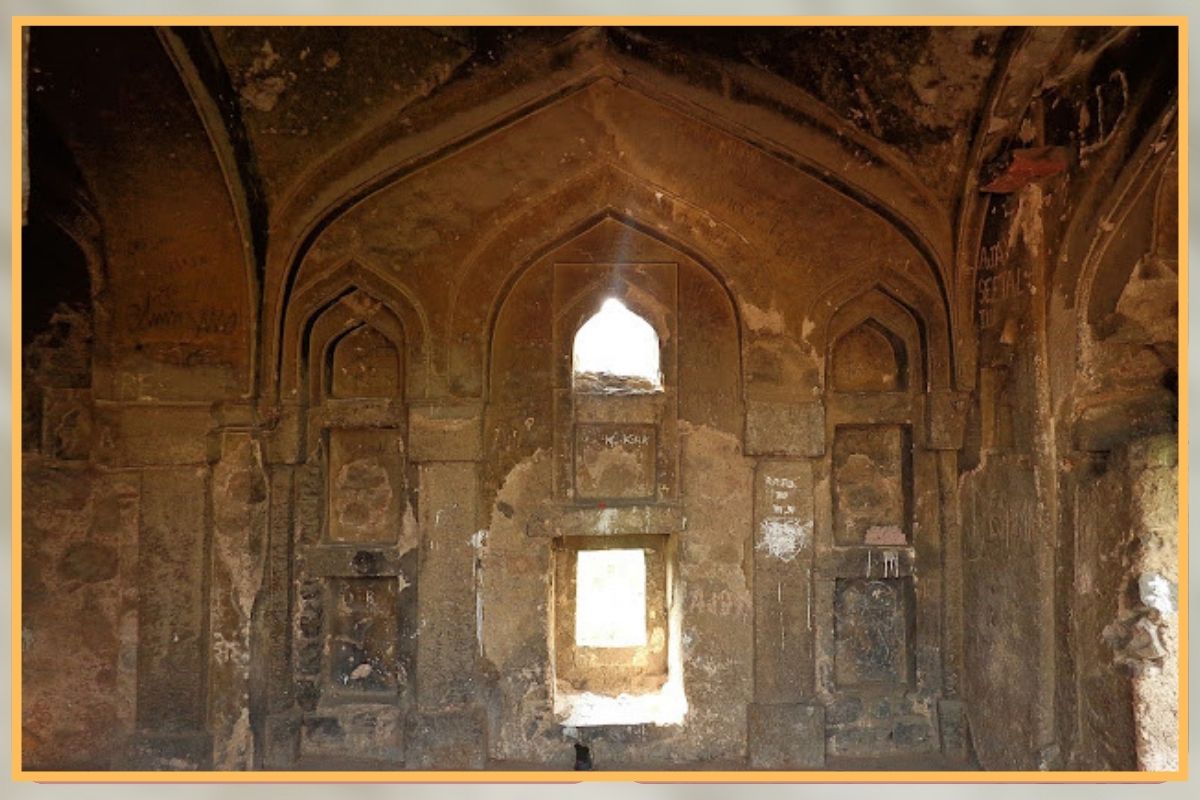
The problem is obvious – without public interest, monuments like this struggle to get the attention and resources they need for proper maintenance. Many of Delhi’s historical sites face similar challenges, caught between rapid urban development and limited conservation budgets. Some have already been lost forever, victims of neglect and encroachment.
But there’s hope in unexpected places. Young heritage enthusiasts are rediscovering sites like Sarai Shahji Mahal through social media, photography, and walking tours. Instagram posts featuring the palace’s weathered beauty attract curious visitors who might never have found it otherwise. Bloggers write detailed accounts of their visits, sharing historical information with broader audiences.
These digital efforts prove that heritage conservation isn’t just about government policies or expert committees. It’s about ordinary people developing emotional connections with their city’s past. When someone shares a photograph of Sarai Shahji Mahal’s graceful arches, they’re not just posting content – they’re helping preserve collective memory for future generations.
Lessons from a Forgotten Palace
Sarai Shahji Mahal offers more than historical curiosity – it provides wisdom for modern life. In an age when travel apps help us find accommodation instantly, it’s worth remembering a time when hospitality was a sacred duty. The palace represents an era when communities took responsibility for travellers’ safety and comfort.
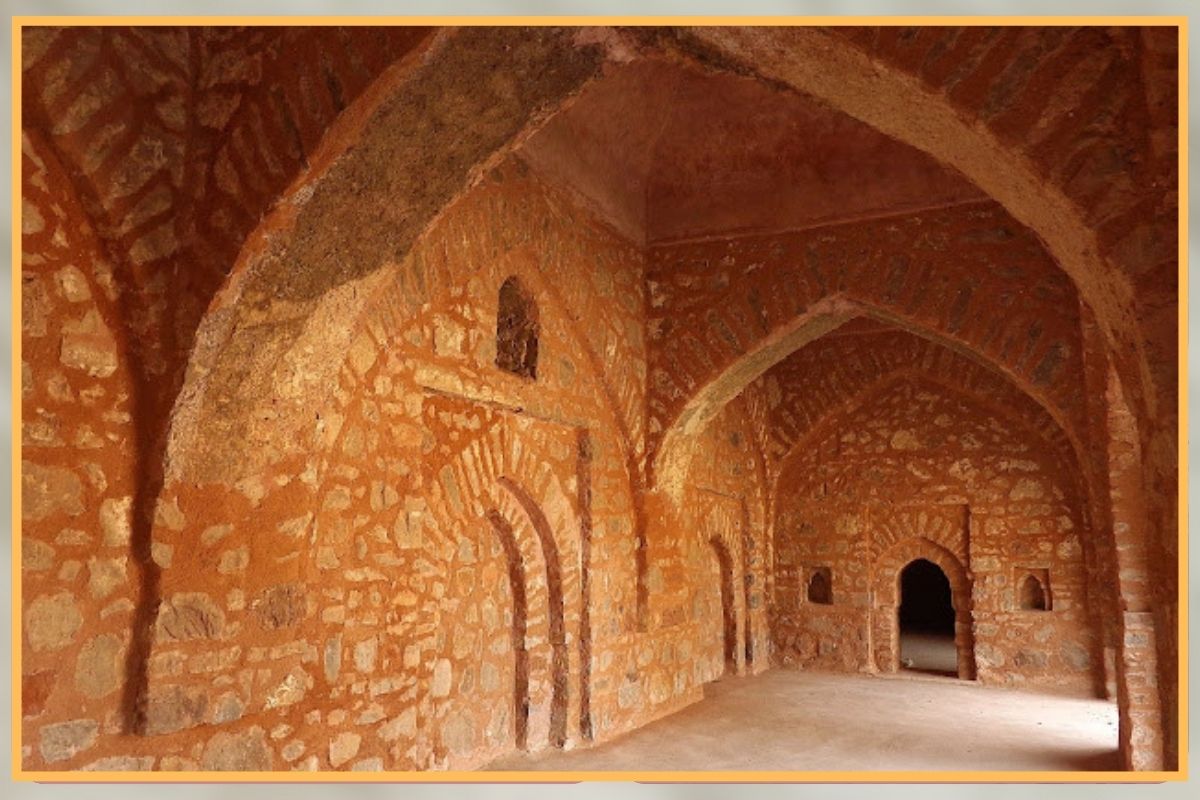
The monument also reminds us of the importance of inclusive spaces. Medieval sarais welcomed people regardless of their background, creating temporary communities where different cultures mixed and learned from each other. This spirit of openness helped make Delhi a cosmopolitan centre that attracted people from across the known world.
For contemporary Indians navigating rapid social change, Sarai Shahji Mahal suggests the value of creating spaces where old and new can coexist peacefully. Just as the palace once provided stability for travellers facing uncertain journeys, perhaps understanding our heritage can provide stability as we face uncertain futures.
Standing before its weathered walls, visitors often feel connected to something larger than themselves. The palace becomes a bridge between past and present, reminding us that today’s bustling Delhi was built on centuries of human dreams, struggles, and achievements. In preserving places like Sarai Shahji Mahal, we preserve parts of ourselves.
Also Read: India Gate: A Timeless Symbol of Valour and Memory
You can connect with DNN24 on Facebook, Twitter, and Instagram and subscribe to our YouTube channel.