

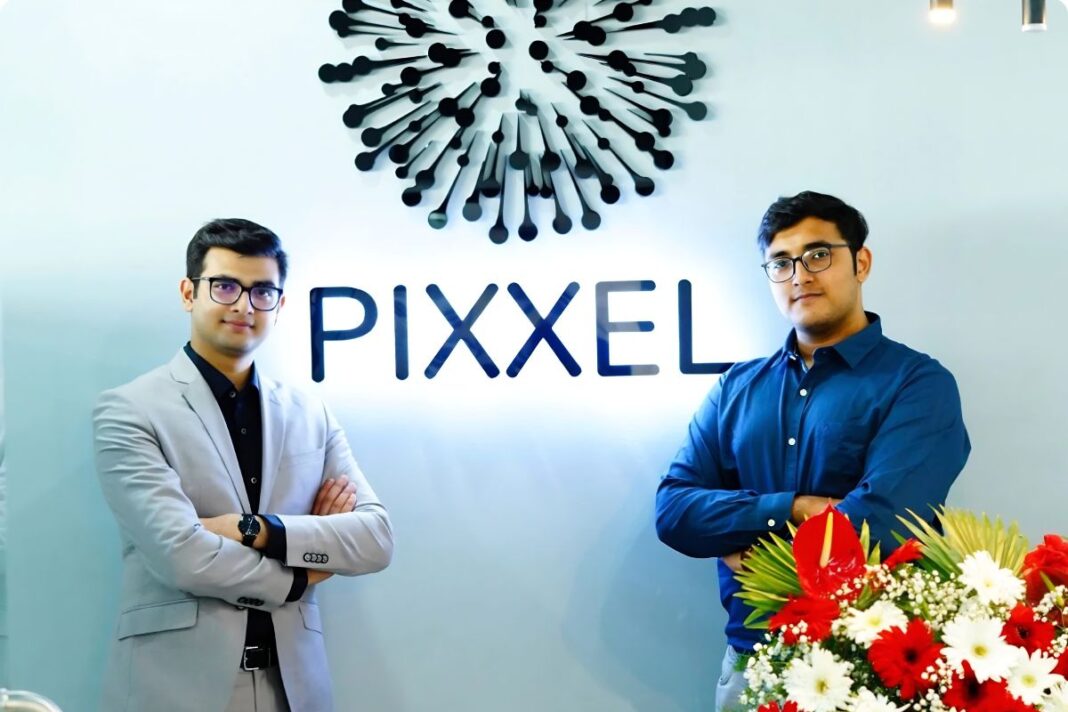

Two village boys started with a problem that nobody seemed to care about. Years later, their solution has been bought by NASA and is trusted by America’s spy-satellite agency.
Awais Ahmed grew up in Aldur, a small village in Chikkamagaluru, Karnataka, in a house with no internet connection and no smartphone. Kshitij Khandelwal grew up in Malkapur, a village in Maharashtra. Neither boy dreamed of running a space company. But when they ran into a wall, they created Pixxel.
In 2018, both boys were studying at BITS Pilani and preparing an entry for the IBM Watson AI Challenge. Their project needed satellite data to study crop conditions across large areas. They searched every major satellite operator but came away empty-handed. The data they wanted, detailed enough to catch early crop disease, underground oil leaks or methane emissions, did not exist. That gap became the founding idea behind Pixxel.
From Two Villages to a Shared Ambition
Awais first discovered space through encyclopaedias his father brought home. Growing up, there was little else to feed his curiosity. Kshitij came from a similarly modest background in rural Maharashtra. When both arrived at BITS Pilani, they felt out of place in a world quite different from the one they had known. That distance from privilege proved useful.
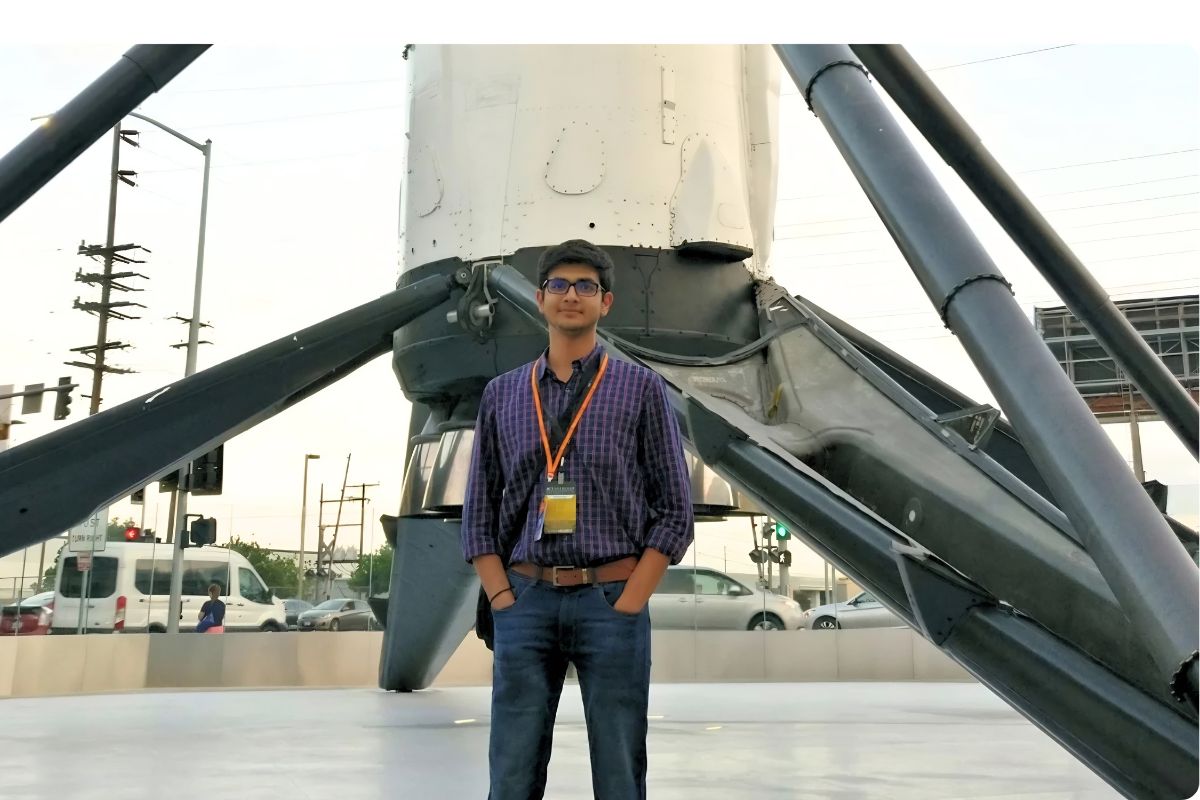
They looked at satellite imaging not as a glamorous pursuit but as a tool that could solve problems they understood firsthand- problems tied to farming, land and the people who depend on both.
Turning a Dead End Into a Company
The IBM Watson competition raised a simple question- if satellites already circle the planet in large numbers, why can ordinary people still not see the things that matter most? Standard satellite images can show green fields turning brown, but they cannot reveal the finer chemical signals of stress, disease or a chemical leak. Pixxel’s answer was an approach called hyperspectral imaging. Instead of capturing only three colour bands- red, green and blue- a hyperspectral sensor records light across hundreds of narrow bands, so that each pixel carries something closer to a chemical fingerprint of what it is looking at.
The early years asked for patience, more than funding. Awais borrowed money from his father to keep the idea alive, and the pair kept monthly costs to below Rs 10,000. Investors were openly sceptical. Two college students with no background in aerospace engineering building satellites sounded implausible to most people they approached. Yet the logic held firm. If they could place high-resolution hyperspectral sensors in orbit and make the resulting data usable, they could open doors across agriculture, energy and environmental monitoring at once.
Pixxel was founded at BITS Pilani in 2019. Two years later, the company secured backing from Lightspeed, Radical Ventures, and several well-known angel investors. This deal opened the doors to international venture capital for Indian space startups wider. Google joined as an investor in 2023 through a $36 M round, bringing cloud computing and artificial intelligence tools to help process the growing stream of satellite data.
A Satellite Named Shakuntala
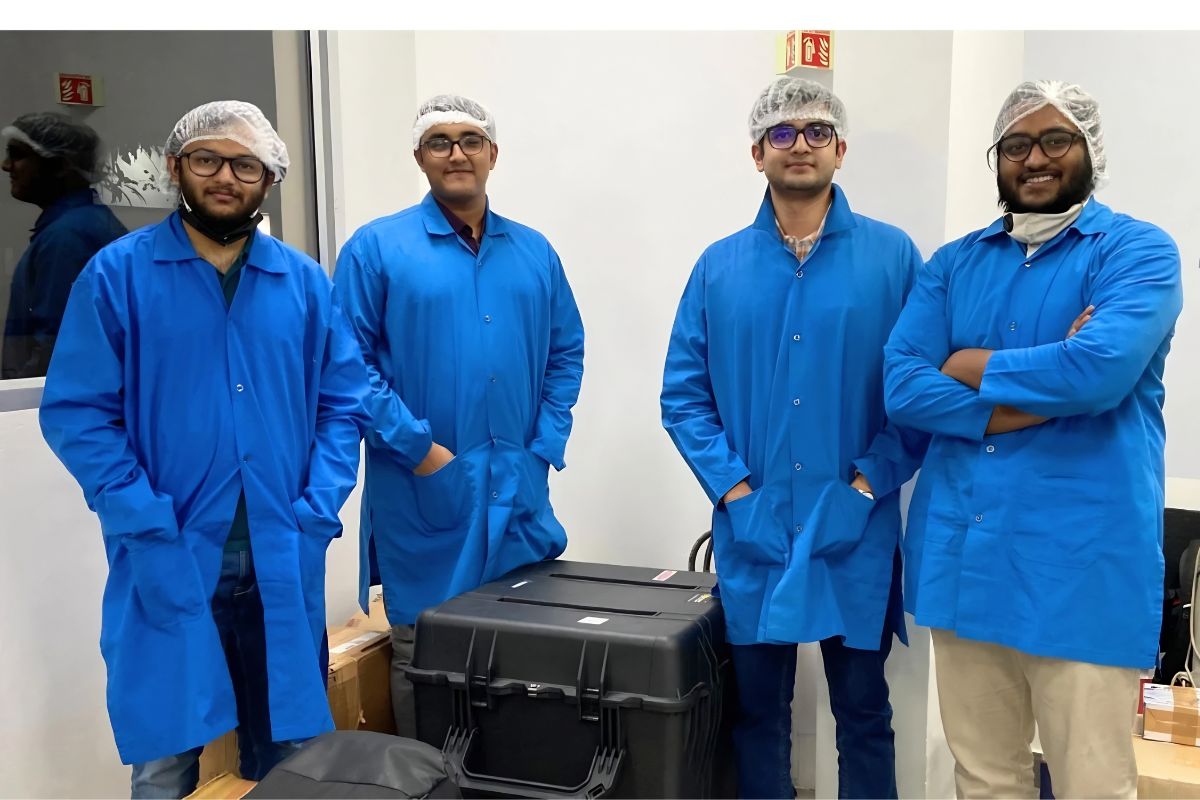
In April 2022, Pixxel launched its first commercial satellite, named Shakuntala, aboard a SpaceX Falcon 9 rocket. The launch proved that the company’s hyperspectral technology worked in orbit, not just on paper, and that a team of Indian students had built a satellite capable of tasks that older, larger space companies still struggled to match.
From there, Pixxel moved on to its Firefly constellation, built to be the highest-resolution commercial hyperspectral fleet in the world. In January 2025, three of the planned six Firefly satellites launched from California on a SpaceX rocket, a milestone widely seen as significant for India’s private space industry. By then, the company had already signed around 65 clients, among them Rio Tinto, British Petroleum and India’s Ministry of Agriculture.
A Contract with NASA and a Deal with America’s Spy Agency
In September 2024, NASA announced that Pixxel had been chosen for its Commercial SmallSat Data Acquisition programme, a contract worth up to $476 M across all selected companies. Under the agreement, Pixxel supplies hyperspectral imagery to NASA and its government and academic partners to support Earth science research. The contract runs through November 2028, and Pixxel is the youngest company among a group of far more established names in Earth observation.
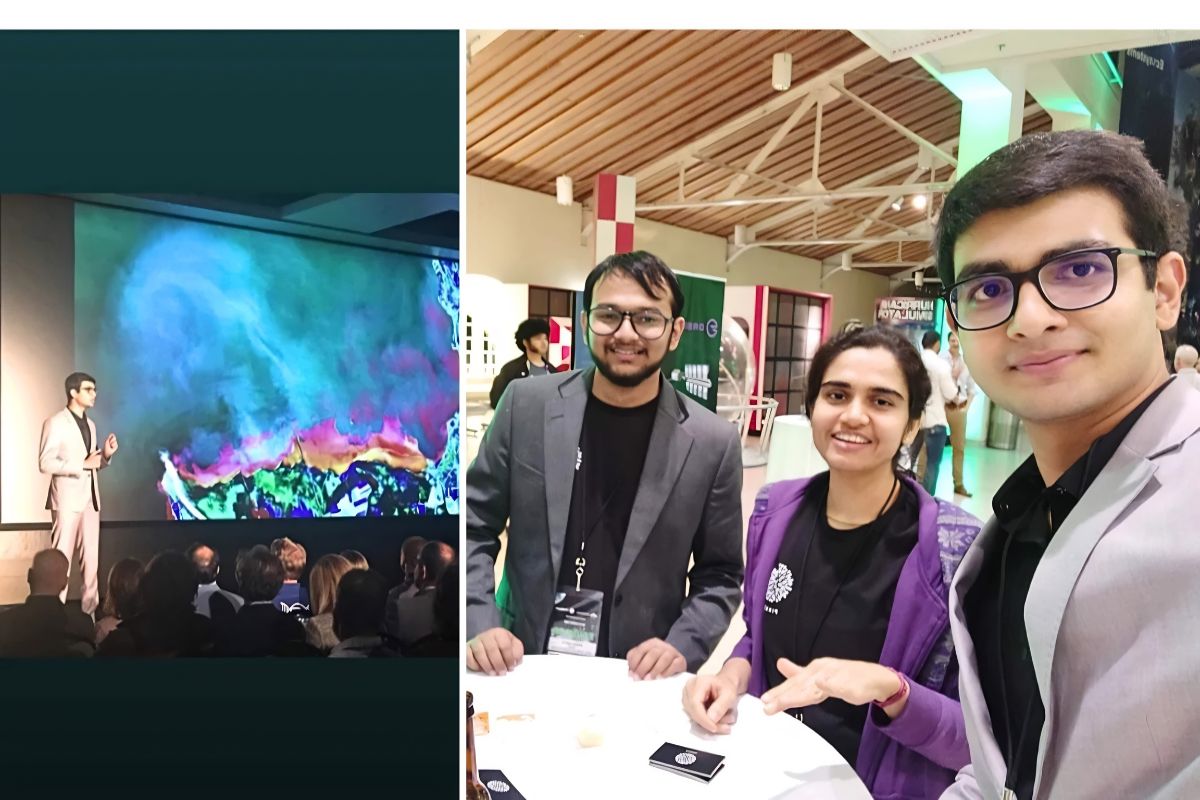
Pixxel’s dealings with the United States did not stop there. The company also signed a five-year agreement with the National Reconnaissance Office, the American agency responsible for spy satellites, under a programme focused on strategic commercial enhancements, supplying hyperspectral imagery and related modelling work.
The contract places the company among a small group trusted enough to support American defence needs. An Indian firm is now developing sensing capability that could serve border monitoring, infrastructure surveillance and disaster response. Pixxel has already won several challenges run by India’s Ministry of Defence.
Why Hyperspectral Data Matters So Much
An ordinary satellite photograph shows colour. A hyperspectral image shows something closer to chemistry. By splitting light into hundreds of narrow bands, these satellites can detect crop stress before it becomes visible, identify mineral traces in soil, spot gas leaks, and track pollution with a precision that plain colour imagery cannot offer.
This matters in farming, where a lack of early information about disease or pest damage can quietly threaten yields. With better data, farmers can catch problems early and reduce unnecessary chemical use. The same logic extends to energy firms checking pipelines for leaks, mining companies assessing ore quality, and environmental agencies monitoring methane or water contamination.
Building a Business Around Data
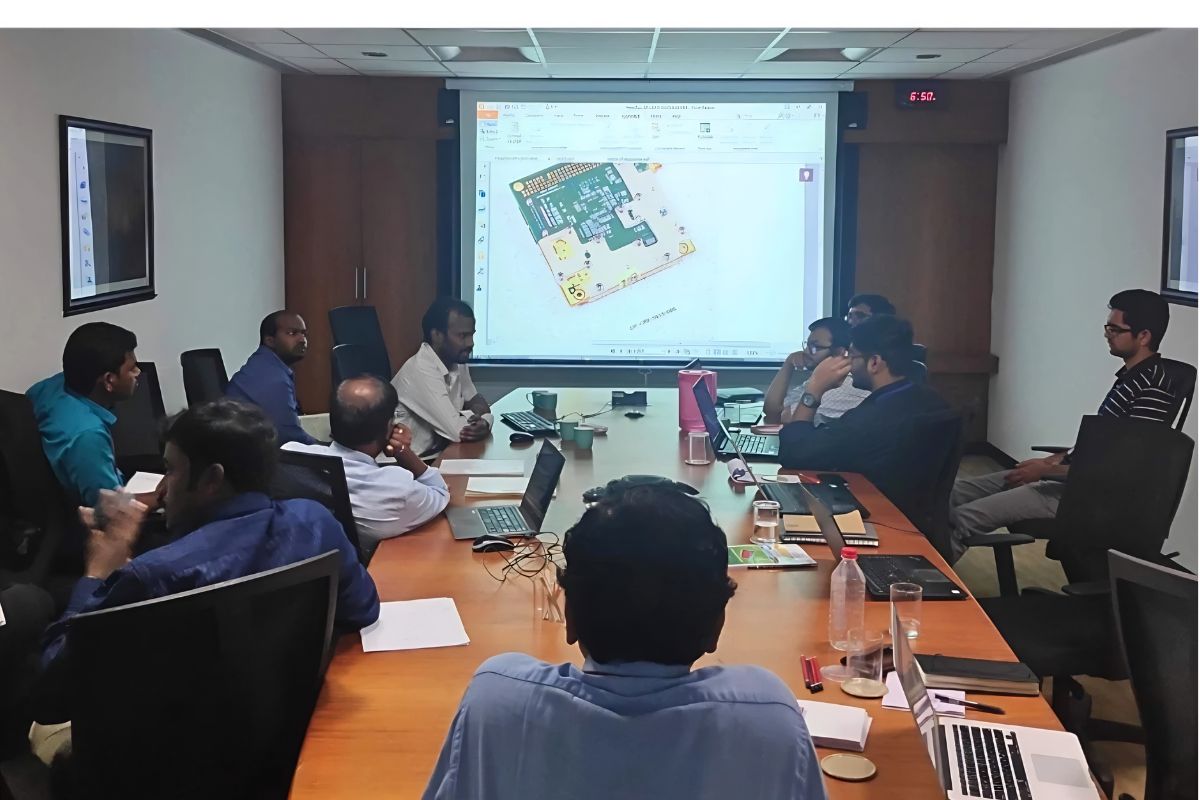
Once a satellite constellation is in orbit, the cost of producing additional datasets can be relatively low compared with the cost of designing, manufacturing and launching the satellites themselves. The same constellation can potentially serve customers across agriculture, mining, energy, insurance, environmental monitoring and government.
Pixxel has reported gross margins above 90%, highlighting the economics of a data business built on an expensive physical infrastructure.
On 7 September 2026, Pixxel announced a $100 M round led jointly by Temasek and Seraphim Space, the largest single round ever raised by an Indian space technology company. With support from Radical Ventures, growX Ventures, 360 ONE Asset, and IMM Investment, their total funding reached $195 M. The capital will expand sensing capability through the planned Honeybee constellation and new optical imaging satellites, and fund Aurora, the company’s software platform for turning raw data into practical insight.
Pixxel is also building sovereign Earth observation systems and expanding satellite manufacturing through a new facility called Gigapixxel, built for producing advanced satellites at a much faster rate. It has also been chosen to lead India’s first public-private Earth observation constellation, a project involving 12 satellites under the national space authority IN-SPACe.
The Gap Nobody Else Noticed
India has launched satellites for decades. Yet, for years, the most useful, high-resolution hyperspectral data still came mostly from foreign providers, when it was available at all. The technological gap was real. But so was an imagination gap. Nobody had approached Earth observation from the perspective of a farmer in Chikkamagaluru or a family in rural Maharashtra, asking what information would actually change decisions on the ground.
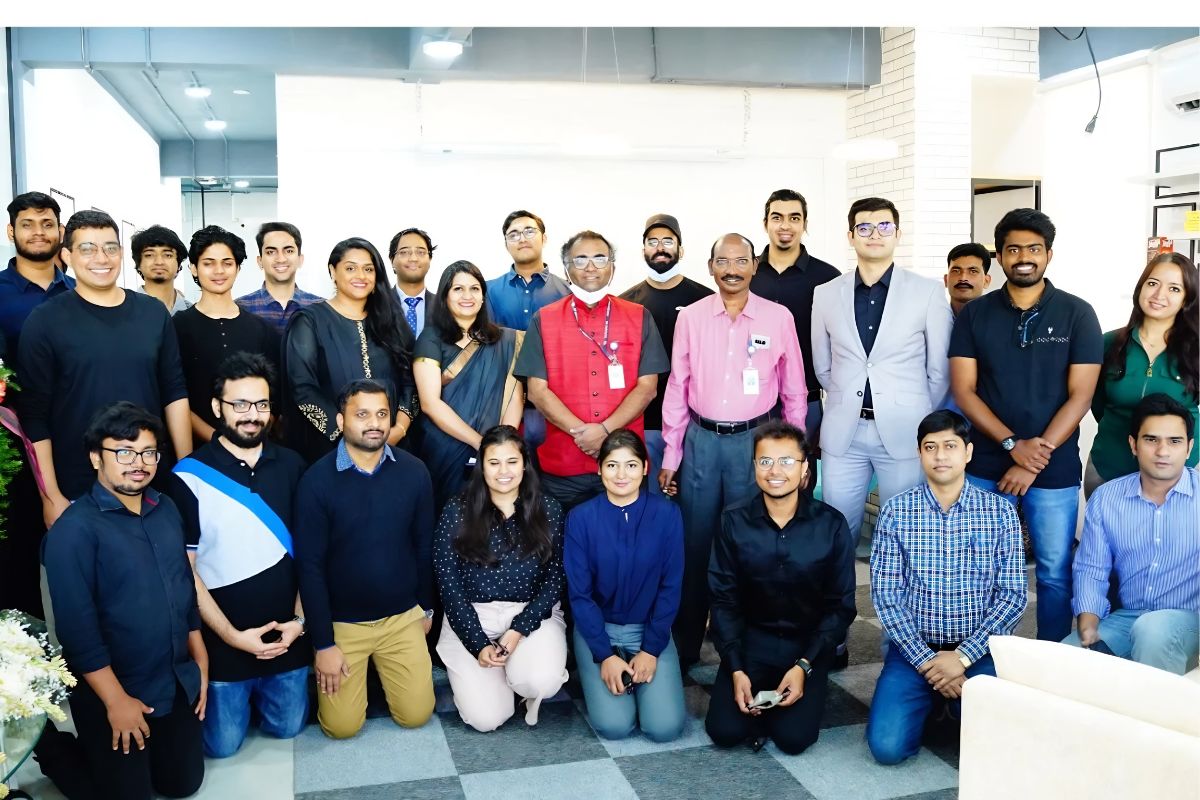
Awais and Kshitij asked that question. They began with borrowed money and a belief that the data gap was a design failure rather than something permanent. They responded by building their own satellites.
Today, NASA buys their data. America’s national reconnaissance apparatus has signed an agreement with them. Google has invested in them. Their satellites are in orbit, their constellation is expanding and their technology is being positioned for applications ranging from farming to national security.
The gap had always been there. Two village boys simply noticed it- and decided to build the technology that could close it.
Read: Ladakh Just Turned 230 Kilometres of Mountain Road Into an Art Gallery
You can connect with DNN24 on Facebook, Twitter, and Instagram and subscribe to our YouTube channel.