

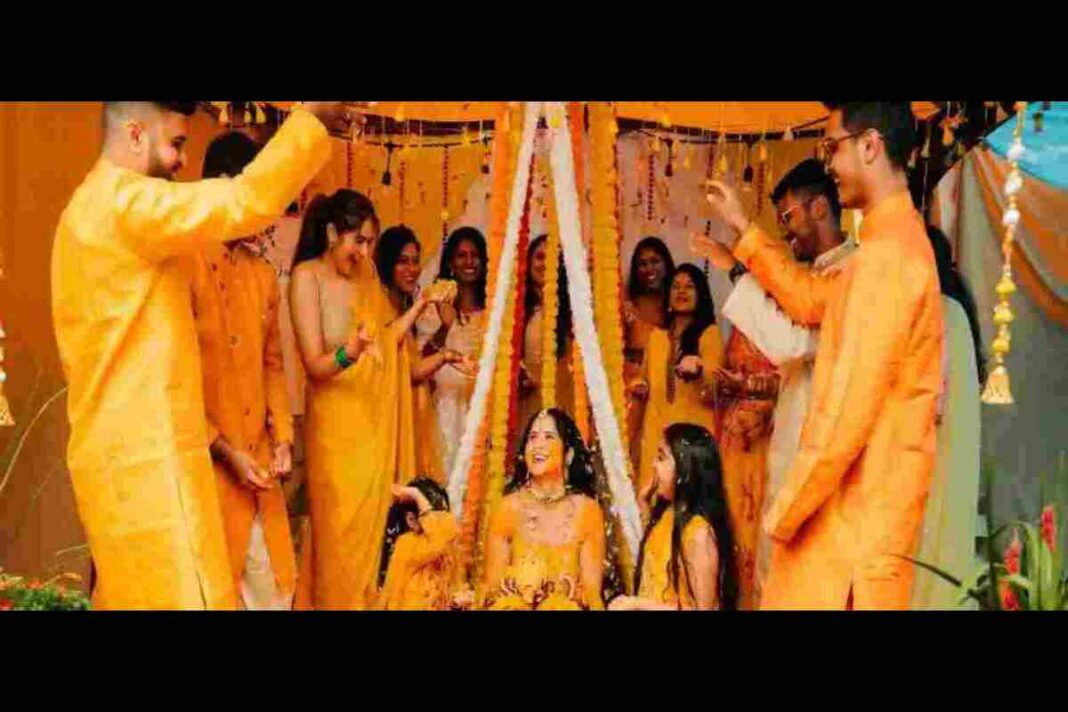

Marriage, a significant sacrament, holds diverse cultural importance worldwide, with customs varying across societies. In India, a multicultural and multi-faith nation, weddings transcend religious boundaries, fostering unity among communities.
Hindu Perspective:
In Hinduism, ancient scriptures Rigveda and Atharvaveda deem marriage the foundation of Grihastha Ashram, emphasizing the importance of forming families. Hindu traditions purport that 21 generations are absolved of sins through the sacred marriage ceremony, highlighting its spiritual significance.
Islamic Perspective:
Contrastingly, Islam, another prominent faith in India, views marriage as a shield against sins, echoing the importance of this union in maintaining virtuous lives. Quranic teachings and Prophetic Hadiths prescribe the sanctity of marriage, providing a moral framework for Muslims.
Cultural Synchronization:
While Hindu and Muslim wedding rituals may differ, the customs and traditions share common threads, illustrating the cultural amalgamation in India. The synchronization of practices showcases the influence each community has on the other, fostering unity in diversity.
Commencement of Ceremonies:
Wedding celebrations kick off with religious ceremonies, such as Hindu pujas or Muslim Milad and Quran recitations. These rituals, irrespective of religious affiliations, serve as a divine invocation, seeking blessings for the couple entering a pivotal phase of their lives.
Attire Unification:
In a display of cultural convergence, the attire worn during weddings exhibits unity. A north Indian groom, whether Hindu or Muslim, may don a Sherwani, while the bride adorns herself in a fashionable red lehnga-choli or a Sari, transcending religious distinctions in sartorial choices.
Conclusion
The rich tapestry of wedding customs in India reflects not only the deep-rooted religious significance but also the harmonious blend of diverse cultural elements. As Hindus and Muslims partake in shared rituals, the nation stands as a testament to the interconnectedness that defines the tapestry of Indian weddings.
For a detailed story, please visit: Awaz the voice
Also Read: India’s Global Leadership: G-20 and Development
You can connect with DNN24 on Facebook, Twitter, and Instagram and subscribe to our YouTube channel.