

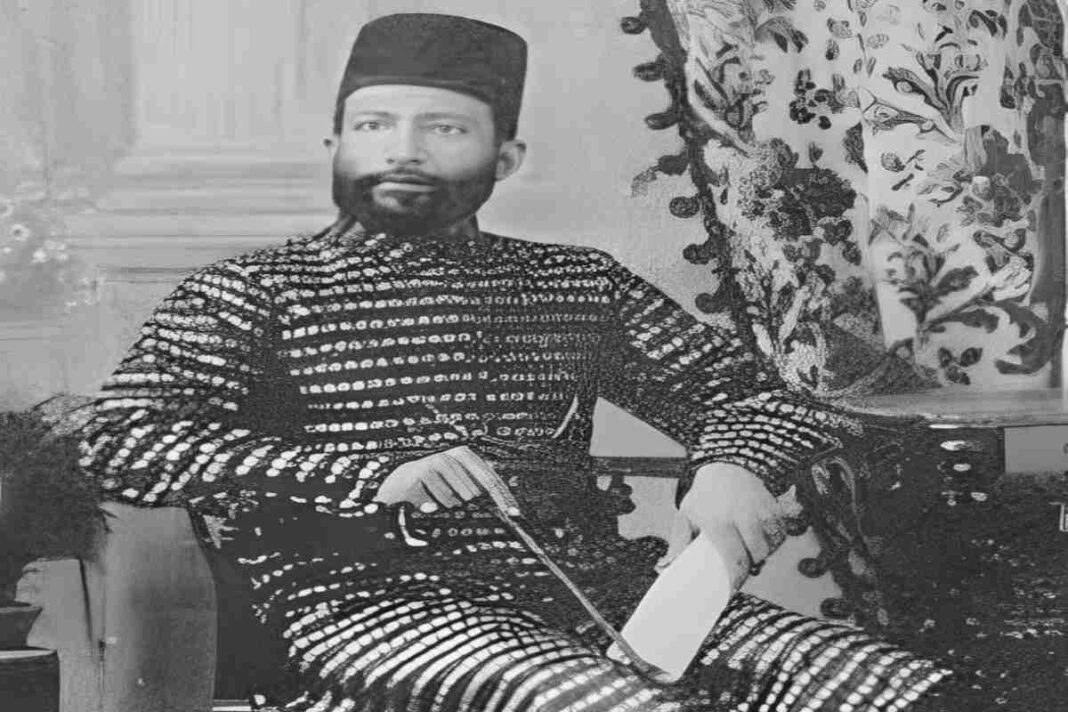

During a landmark assembly of Muslim leaders in Delhi in 1920, Hakim Ajmal Khan, a famous figure in the indigenous medical community, raised a significant question: “How does one’s Muslim identity intersect with the broader context of national independence and state autonomies?” This investigation emphasized Hakim Ajmal ‘s lifetime passion to creating reconciliation between Hindus and Muslims.
Condemning Contentious Behavior
Hakim criticized the divisive discourse that scapegoated Hindus for the conflicts between the two groups. He scolded Muslim leaders for isolating themselves from the national development goal, adding that such isolationism will only serve to isolate Indian Muslims. Despite admitting instances of Hindu intolerance, Hakim warned against allowing these issues to obstruct the nation’s prosperity.
Advocating Cultural Sensitivity
A fervent champion for interfaith understanding, Hakim began with a campaign for cow preservation, encouraging Muslims to abstain from killing cows out of regard for Hindu emotions. Addressing a large assembly of Muslims in 1919, he underlined the significance of knowing Islamic principles about sacrificial sacrifices. Hakim underlined the flexibility within Islamic tradition, allowing for other animals to be given in sacrifice, thereby urging Muslims to sympathize with their Hindu countrymen.
Bridge-Building Leadership
Hakim’s dedication to unification went beyond rhetoric, as proven by his historic leadership position in the Hindu Mahasabha, making him the first and only Muslim leader to preside over a session. His unselfish devotion to the cause of interfaith cooperation was universally appreciated, even by members of the Mahasabha. Invited to speak as Chair in 1921, Hakim underlined the importance of Hindu-Muslim friendship and pushed for a more inclusive approach to cow preservation.
Empowering Collective Action
In his message to the Mahasabha leadership, Hakim urged for an expansion of the cow protection campaign to cover all groups, rather than targeting Muslims alone. He astutely pointed out the hypocrisy of colonial authorities who sanctioned cow slaughter for beef consumption while chastising Muslims for the same behavior. By pressing the Mahasabha to oppose British authority on this subject, Hakim envisioned a unified front capable of confronting colonial power dynamics.
For a detailed story, please visit: Awaz the voice
Also Read: Ancient Legacy of Gufkral Caves: A Journey Through Time and Tradition
You can connect with DNN24 on Facebook, Twitter, and Instagram and subscribe to our YouTube channel.